How to Politely Reject Someone on Dating Apps
Learn how to reject someone respectfully without hurting feelings

The landscape of online dating in 2026 is faster, smarter, and more interconnected than ever before. With the integration of AI-driven matching and advanced verification, finding a connection has become highly efficient. However, there is one human element that technology hasn’t simplified: the art of saying “no.”
Navigating the delicate balance between honesty and kindness is a vital skill for anyone in the dating pool. Whether you’ve realized the spark isn’t there after a few messages or you’ve decided after a second date that your goals don’t align, knowing how to politely reject someone is essential for maintaining your integrity and promoting a healthy dating culture.
In this comprehensive guide, we will explore the psychology of digital rejection, provide high-converting scripts for every scenario, and discuss how to protect your peace of mind while being a “good citizen” of the dating apps.
The Psychology of Rejection: Why Honesty Beats Ghosting in 2026
In the early days of dating apps, “ghosting”—suddenly stopping all communication—became a toxic norm. However, as we move through 2026, the digital community has shifted toward emotional transparency.
The Damage of Ghosting
Ghosting creates an “open loop” in the other person’s mind. Without closure, the human brain tends to fill in the blanks with negative self-talk or anxiety. In a world where mental health is prioritized, being the person who provides a clear (even if uncomfortable) ending is a sign of high emotional intelligence.
The Algorithmic Benefit
Interestingly, many modern dating app algorithms now favor “high-engagement” and “respectful” users. Accounts that close out conversations politely rather than letting them linger indefinitely often see better visibility in the stack. By being a better communicator, you are actually signaling to the app that you are a quality user.
When to Send the “No Thank You” Message: Mastering the Timing
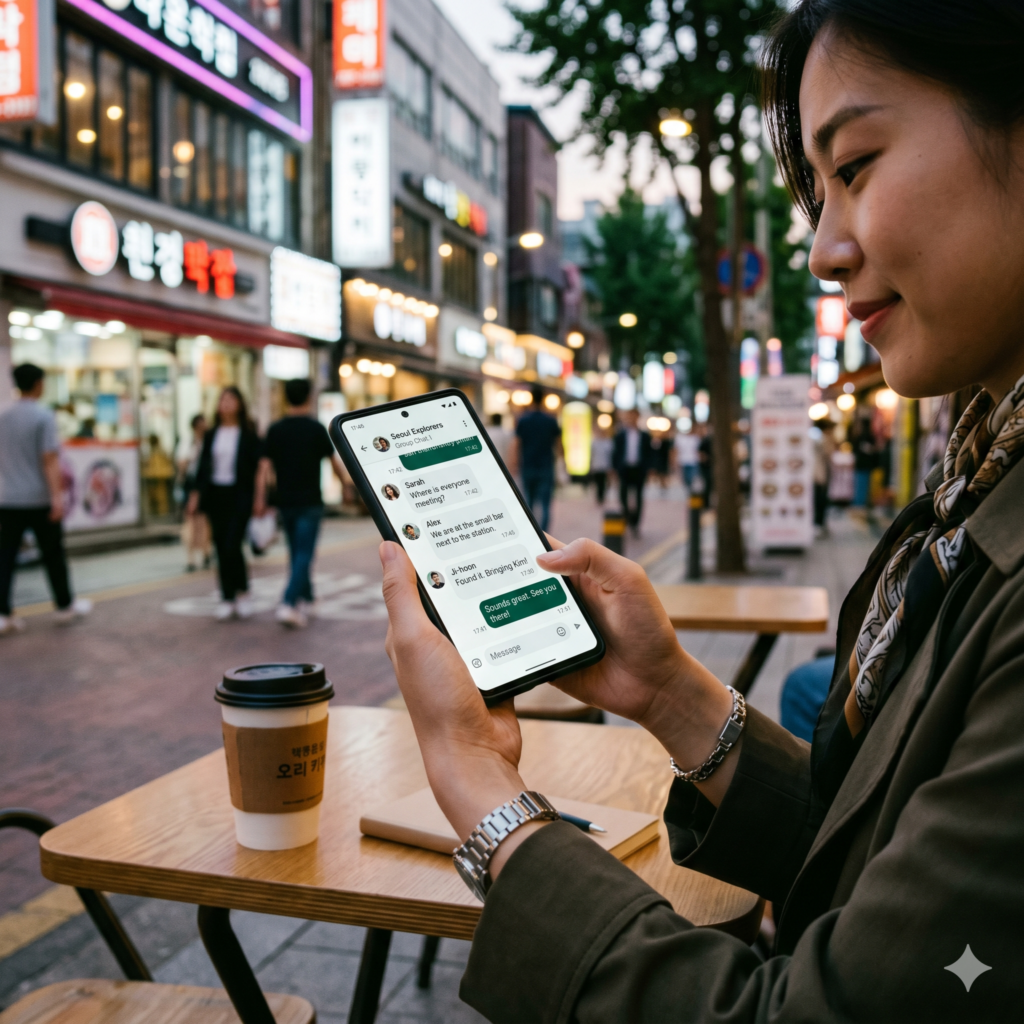
Timing is everything. Sending a rejection too soon can feel abrupt, but waiting too long can lead to “breadcrumbing”—giving someone false hope while you’re already mentally checked out.
The 24-Hour Rule
If you’ve gone on a date and realized it’s not a match, the best time to send a message is within 24 hours. This shows respect for the other person’s time and allows them to move on to other matches without wondering “what if.”
The “Before the Ask” Strategy
If you feel the conversation is heading toward a date request and you already know you aren’t interested, it is kinder to speak up before they ask. This prevents the awkwardness of them putting themselves out there only to be shut down.
Essential Scripts for Politely Rejecting a Match Before the First Date
Sometimes you match with someone, exchange a few messages, and realize the vibe just isn’t right. You don’t owe them a life story, but a short, kind message is always better than silence.
Scenario: The Conversation Just Isn’t Flowing
“Hey [Name], I’ve enjoyed chatting with you, but I’m not feeling the kind of connection I’m looking for. I wanted to be honest so we can both focus on other matches. Wish you the best of luck!”
Scenario: You Realized You Have Different Goals
“It was great learning more about you, [Name]. However, it sounds like we’re looking for different things in a relationship right now. I don’t think we’re the best match, but I appreciate your time!”
Scenario: You’ve Decided to Focus on Someone Else
“I’ve really appreciated our conversation, but I’ve decided to see where things go with another connection I’ve made. I wanted to be transparent with you. Best of luck out there!”
How to Say No After a First Date: The Post-Date Protocol
The first date is the “vibe check.” If the check fails, you need a message that is firm but soft. The key here is to use “I” statements rather than “You” statements.
The “No Spark” Script
“Thanks for meeting up with me last night! I think you’re a great person, but I didn’t feel the romantic spark I’m looking for. I’d rather be upfront than lead you on. Take care!”
The “Friends Only” Vibe (If You Mean It)
Warning: Only use this if you actually want to be friends.
“I had a nice time tonight, but I’m feeling more of a friendship vibe between us than a romantic one. I’d love to stay in touch as friends if you’re open to it, but I totally understand if you’d rather move on.”
The “Different Lifestyles” Approach
“It was really nice meeting you, [Name]. You seem like an awesome person, but I think our lifestyles and schedules might be a bit too different for what I’m looking for right now. Wishing you nothing but the best!”
Handling the Second or Third Date Rejection: Dealing with Higher Stakes
By the second or third date, expectations are higher. This requires a bit more warmth and a slightly longer explanation, though you still don’t need to over-explain.
The “Compatibility” Message
“I’ve really enjoyed getting to know you over the last few weeks, [Name]. You have so many great qualities, but as I’ve thought about it, I don’t think our long-term goals are quite aligned. I think it’s best we stop here, but I truly enjoyed our time together.”
The “Missing Piece” Message
“I’ve had a great time on our dates, but I have to be honest—I’m missing that ‘X-factor’ I need to move forward in a relationship. You’re wonderful, and I know you’ll find someone who is a perfect fit for you.”
The “Sandwich Method”: A Framework for Gentle Rejection
If you’re struggling to write your own script, use the Sandwich Method:
-
The Positive Start: Compliment their personality or thank them for the time.
-
The Rejection (The Meat): Clearly state that you don’t see a romantic future.
-
The Kind Close: Wish them well in their search.
Example:
“I had such a fun time at the arcade with you (Positive). However, I don’t see this turning into a romantic connection (The Meat). I know you’ll find someone great to share those games with! (Kind Close).”
Dating App Etiquette in 2026: Dealing with Negative Reactions

While you can control your politeness, you cannot control the other person’s reaction. In 2026, safety and digital boundaries are paramount.
When “Polite” Isn’t Enough
If you send a kind rejection and the person responds with insults, aggression, or persistent questioning, your obligation to be “polite” ends.
-
Do Not Argue: You do not need to defend your decision.
-
Block and Report: Use the app’s internal tools. In 2026, platforms have zero tolerance for “rejection rage.” Reporting these users helps keep the community safe for everyone.
Managing “The Negotiator”
Sometimes people will try to talk you out of your rejection (“Give me one more chance!” or “Why not?”).
-
The Response: “I appreciate the enthusiasm, but my mind is made up. I don’t think it’s fair to either of us to continue when I’m not fully in it. Best of luck.”
Self-Care for the Rejector: Overcoming “Guilt Fatigue”
Many people find rejecting others so stressful that they stop dating altogether. It is important to reframe how you view the act of saying no.
Rejection is a Gift of Time
By telling someone “no,” you are giving them their time back. You are freeing them up to find someone who will be 100% excited about them. Living in a “maybe” is much more painful than receiving a clear “no.”
Maintaining Your Boundaries
You are not responsible for a stranger’s happiness. You are only responsible for your own integrity. If you are kind and honest, you have fulfilled your part of the “dating contract.”
The Role of AI and “Communication Assistants” in 2026
In 2026, many users are turning to AI communication assistants to help draft these messages. While these tools are great for finding the right words, ensure you personalize the output. A “canned” AI response can feel cold. Use the AI to find the structure, but add a detail from your actual date to keep it human.
Building a Better Dating World One Message at a Time
Politely rejecting someone is an act of courage. It requires you to step into a moment of discomfort for the sake of another person’s clarity. By choosing to communicate rather than ghost, you are helping to build a more respectful and mature dating environment.
Remember, every “no” brings both you and the other person one step closer to the right “yes.”
FAQ: Frequently Asked Questions About Digital Rejection
1. Should I ever ghost if I feel unsafe?
Yes. Safety overrides etiquette. If a person has made you feel threatened, uncomfortable, or has shown “red flags,” you are under no obligation to provide closure. Block and move on immediately.
2. What if they ask for specific feedback on why I’m rejecting them?
You can be honest but general. “I just didn’t feel the romantic spark” is usually enough. You do not need to list their flaws or give them a “performance review.”
3. Is it okay to reject someone via text after a first date?
In 2026, text is the standard for post-first-date communication. A phone call or in-person meeting for a rejection is usually only expected after multiple dates or a committed relationship.
4. Should I unmatch them immediately after sending the rejection?
Wait a few hours or until they respond (if you feel safe doing so). If you unmatch instantly, the message might disappear before they can read it, which looks like ghosting.
5. What if I want to stay friends but they don’t?
Respect their decision. Many people find it too difficult to transition from a romantic interest to a platonic one. If they say no to friendship, wish them well and give them space.