Free vs Paid Dating Apps: What’s the Difference?
Understand the key differences between free and paid dating apps
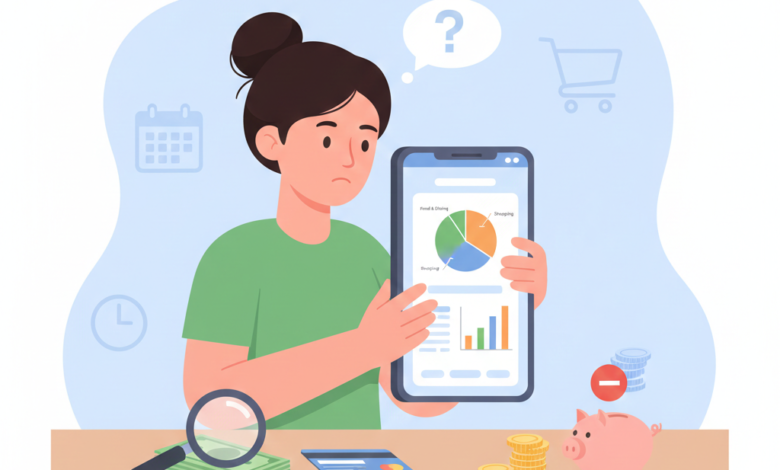
The digital dating scene has shifted dramatically. In 2026, the “freemium” model is the industry standard, but the gap between a free user and a premium subscriber is wider than ever. If you’ve ever found yourself staring at a blurred “Like” or hitting a “daily limit” wall, you’ve likely asked yourself: “Is it actually worth paying for a dating app?”
This isn’t just about swiping; it’s about your time, your safety, and your chances of finding a genuine connection. Whether you’re looking for a casual spark or a lifelong partner, understanding the architecture of these apps is crucial. This guide breaks down the technical and psychological differences between free and paid dating tiers to help you decide where to invest your energy.
The Algorithm Advantage: How Paid Subscriptions Boost Your Visibility
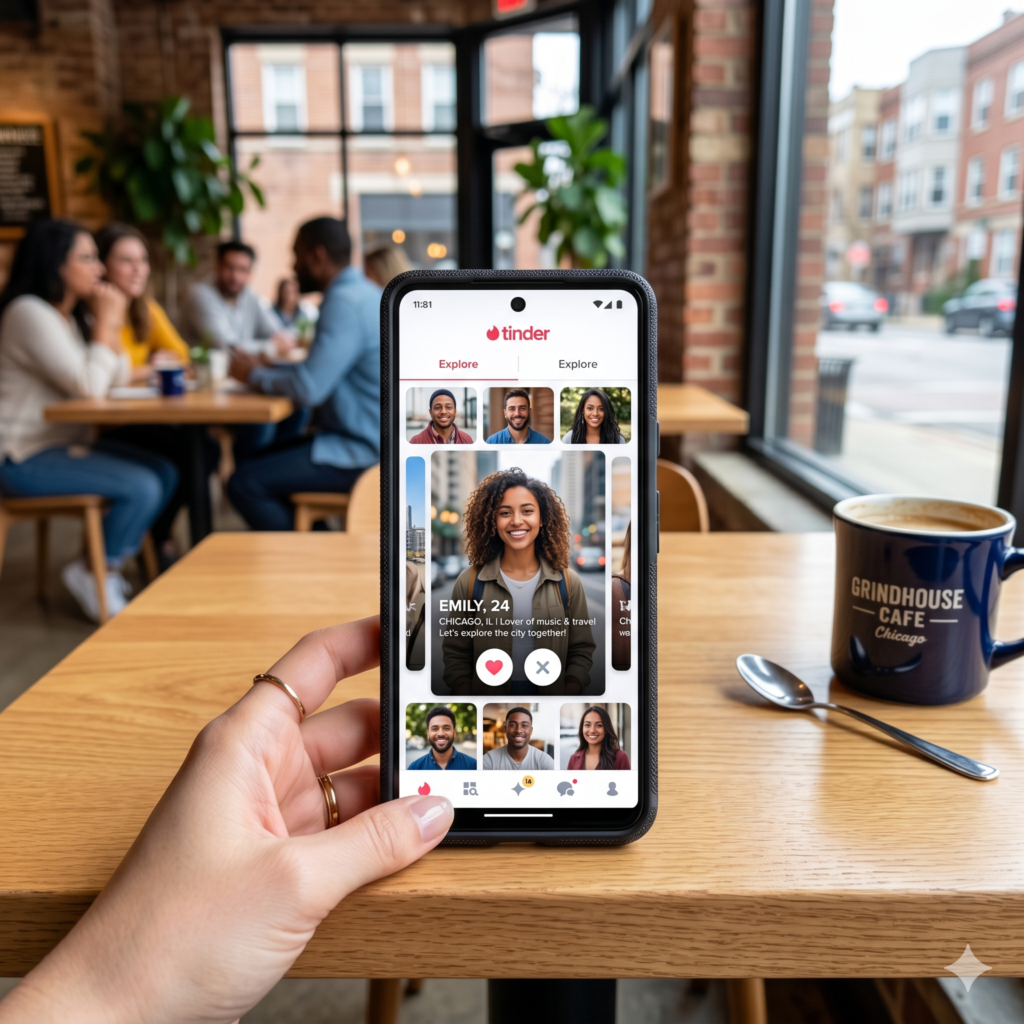
In the crowded world of online dating, visibility is currency. Free dating apps operate on a “shelf space” logic. With millions of users, the algorithm has to decide whose profile gets seen first.
Priority Likes and “Spotlight” Features
When you use a free version of an app like Tinder or Bumble, your profile is placed in a massive queue. Paid tiers often offer “Priority Likes” or “Boosts.” This ensures that when you like someone, your profile appears at the top of their deck. In high-density areas, this can be the difference between being seen by your match today versus three weeks from now.
The “Quality” Filter
Paid versions often use more sophisticated matching algorithms. While free tiers might show you anyone within a certain radius, premium versions allow the algorithm to weigh “compatibility markers” more heavily. This means you spend less time swiping on people who don’t share your core values or lifestyle habits.
Advanced Search Filters: Saving Time by Eliminating Dealbreakers
For many daters, the biggest frustration is the “endless swipe.” Free versions typically limit you to basic filters: age and distance. If you have specific dealbreakers—such as wanting children, religious beliefs, or lifestyle habits like smoking—the free version forces you to manually vet every single profile.
Precision Matching
Premium subscriptions (like Hinge+ or Bumble Premium) unlock Advanced Filters. You can filter by:
-
Family Plans: Whether they want kids or have them.
-
Lifestyle: Exercise habits, drinking, or smoking.
-
Political or Religious Views: Finding someone who aligns with your worldview without the awkward first-date reveal.
-
Height and Education: Specific preferences that the free algorithm ignores.
By paying for these filters, you aren’t just buying “features”—you are buying your time back.
The Security Gap: Why Paid Tiers Often Offer Better Safety Features
Safety is a top priority in 2026, and interestingly, the barrier of a paywall acts as a natural security filter.
Identity Verification and “Verified-Only” Modes
While many apps allow free users to verify their profiles, paid tiers often allow you to limit your feed to only verified users. This significantly reduces the risk of encountering “catfish” or bot accounts. Scammers are notoriously frugal; they are unlikely to pay a $30 monthly subscription to maintain a fraudulent profile.
Incognito Mode and Privacy Controls
One of the most valuable paid features is Incognito Mode. This allows you to swipe on others while remaining invisible to the general public. Your profile only becomes visible to the people you have explicitly “liked.” For professionals or those concerned about privacy, this feature is often the primary reason to upgrade.
Unlimited Likes vs. The “Scarcity” of Free Tiers
Most free apps have a “daily like limit”—typically between 25 and 50 swipes. While this might seem annoying, it’s actually a psychological tool used by apps to prevent “mass swiping” (the habit of liking everyone to see who likes you back).
The “Quality over Quantity” Debate
-
The Paid Perspective: Unlimited likes allow you to explore the pool without fear of running out of “ammunition.” This is great for users who are active and want to maximize their chances.
-
The Free Perspective: The limit forces you to be more intentional. When you only have 8 likes (as on the 2026 Hinge free tier), you tend to read the profile more carefully before committing.
Seeing Who Likes You: The End of the “Blind Match”
Perhaps the most popular paid feature across all platforms is the “See Who Likes You” grid. In the free version, you must swipe until you happen to find someone who already liked you.
Why People Pay for the Grid
Seeing your “Likes You” section turns the app into a “shopping” experience rather than a “gambling” experience. You can browse through a list of people who have already expressed interest and simply pick the ones you find attractive or compatible. For busy people, this is the ultimate efficiency tool.
The Psychological Difference: Intentionality and “Skin in the Game”
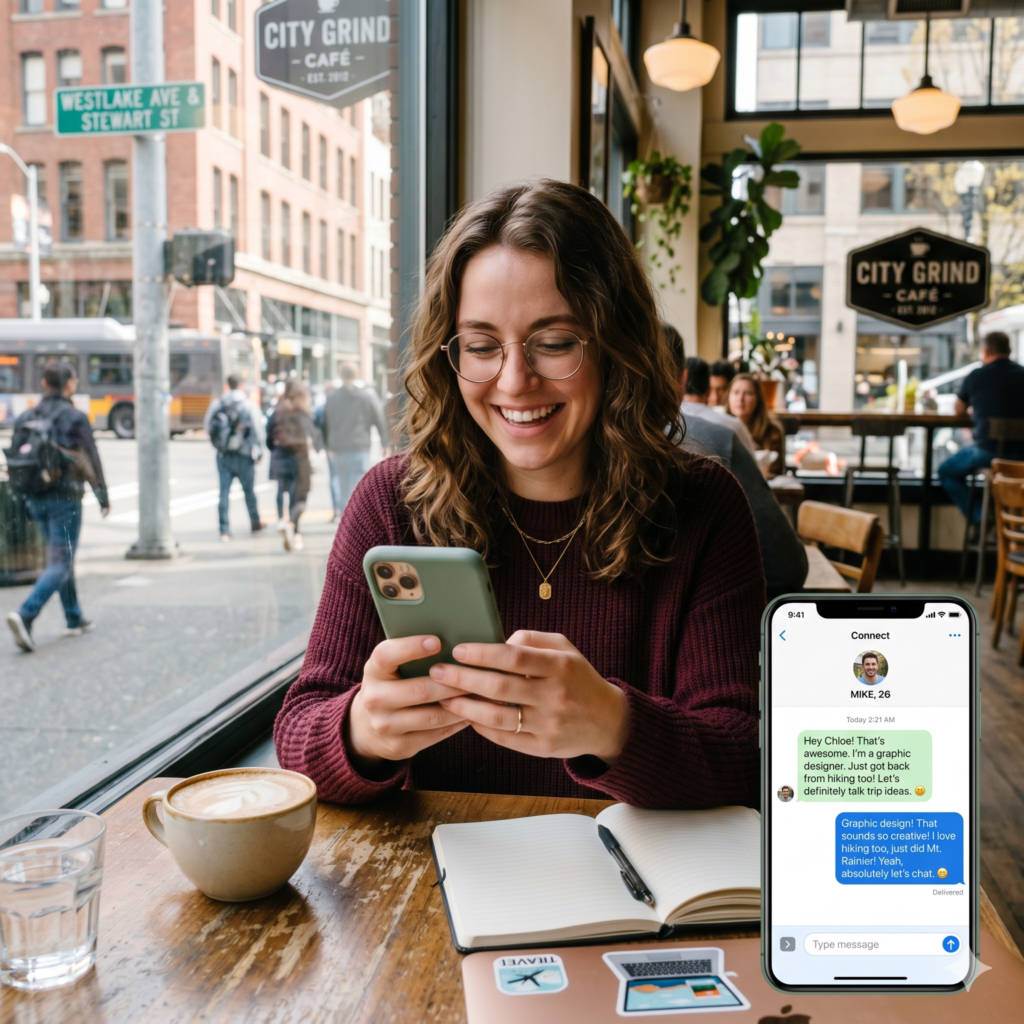
There is a psychological phenomenon called “Sunk Cost Intentionality.” When a user pays for a subscription, they are more likely to take the process seriously.
-
Free Users: More prone to “ghosting” or “boredom swiping.” Since it costs nothing, the stakes are low.
-
Paid Users: Usually have a higher “intent to date.” Because they are investing money, they are typically more responsive and more likely to actually show up for a date.
If you are looking for a serious relationship, paying for an app (or choosing an app that is only paid, like eHarmony) often places you in a pool of people with similar goals.
Global Roaming: Dating Beyond Your Zip Code
In the 2026 globalized world, “Passport” or “Travel Mode” is a staple paid feature. Free versions lock your location to your phone’s GPS. Premium tiers allow you to change your location to any city in the world.
This is a game-changer for:
-
Frequent Travelers: Set your location to your destination a week before you arrive so you have dates lined up.
-
Relocators: Start meeting people in a new city before you even move.
-
International Dating: Exploring connections in different cultures.
Ad-Free Experience and Interface Cleanliness
Google Adsense is the backbone of free apps. To keep the lights on, free versions will show you an ad every 5 to 10 swipes. While these are usually non-intrusive, they do disrupt the “flow” of the experience.
Paid tiers provide an Ad-Free Experience. This makes the app feel less like a game and more like a tool. Furthermore, premium users often get “Priority Support,” meaning if you have a technical issue or need to report a safety concern, your ticket is moved to the front of the line.
When Should You Stay Free?
Despite the perks, paying isn’t for everyone. You should stick to the free version if:
-
You are in a major city: New York, London, or Los Angeles have so many users that you will get matches regardless of your “priority” status.
-
You are dating casually: If you aren’t in a rush, the daily limits won’t bother you.
-
You have a high-quality profile: A great bio and professional-grade photos can often “beat” the algorithm, getting you plenty of matches without spending a dime.
Comparison Table for 2026 Dating Apps
| Feature | Free Version | Paid (Premium) Version |
| Visibility | Standard queue | Priority “Boost” / Spotlight |
| Likes | Limited (25–50/day) | Unlimited |
| Filters | Age & Distance only | Advanced (Politics, Religion, Lifestyle) |
| Privacy | Public profile | Incognito / Stealth Mode |
| User Pool | Everyone (Higher bot risk) | Filtered (Higher “Serious Intent” pool) |
| Ads | Frequent banners/videos | Ad-free experience |
| Undo/Rewind | Not available | Rewind accidental left-swipes |
Is the Investment Worth It?
The “Free vs Paid” debate ultimately comes down to how much you value your time. If you enjoy the “game” of swiping and have hours to spare, the free version is more than enough. However, if you are looking for efficiency, privacy, and a higher caliber of intentional matches, a 1-month or 3-month subscription is often the best investment you can make in your personal life.
In 2026, dating is as much about digital strategy as it is about chemistry. Choose the version that aligns with your goals, stay safe, and remember: the best “feature” of any app is your ability to communicate authentically.
Did this guide help you decide? Let us know in the comments, and don’t forget to check out our other guides on dating app safety and profile optimization!