Apps
Best Dating Apps for People Who Want to Make Friends First
Discover the best dating apps for people who want to build a friendship before dating

Navigating the modern digital dating landscape can often feel exhausting. If you have ever downloaded a standard matchmaking application only to feel overwhelmed by endless swiping, immediate pressure to romance, and superficial judgment based purely on static photos, you are certainly not alone. Many modern singles and newcomers to urban areas experience severe “app fatigue”. They want a more organic, low-pressure approach to meeting people—one where they can build a genuine platonic foundation, establish trust, and test compatibility before diving into a traditional romance.
Fortunately, the digital connection ecosystem has evolved. A growing number of platforms now bridge the gap between social discovery and romantic matching, allowing users to build a meaningful rapport as friends first. Whether you are new to a city, trying to expand your social circle, or simply believe that the best romantic partners start out as great companions, choosing the right platform matters. This comprehensive guide explores the best dating and connection applications designed for people who prefer to make friends first, helping you navigate your options with ease.
Why “Friendship-First” Dynamics Are Changing Modern Dating
The traditional model of online matchmaking—where two strangers match based on appearance and immediately agree to a high-stakes, one-on-one romantic date—frequently triggers anxiety. Modern relationship psychology points to a shift toward intentional, low-pressure socialization. When you remove the immediate pressure of a romantic label, human interactions become much more natural.
Starting as friends changes the psychological framework of a connection in several distinct ways:
-
Reduces Performance Anxiety: Without the pressure to impress a potential romantic partner right away, people behave more authentically.
-
Builds Authentic Trust: Shared hobbies, casual group chats, and low-stakes hangouts allow compatibility to surface organically.
-
Prevents Fast Burnout: Traditional swiping apps often prioritize quantity over quality, whereas friendship-focused ecosystems encourage slower, deeper dialogue.
Bumble BFF and Hybrid Modes: The Pioneers of Platonic Discovery
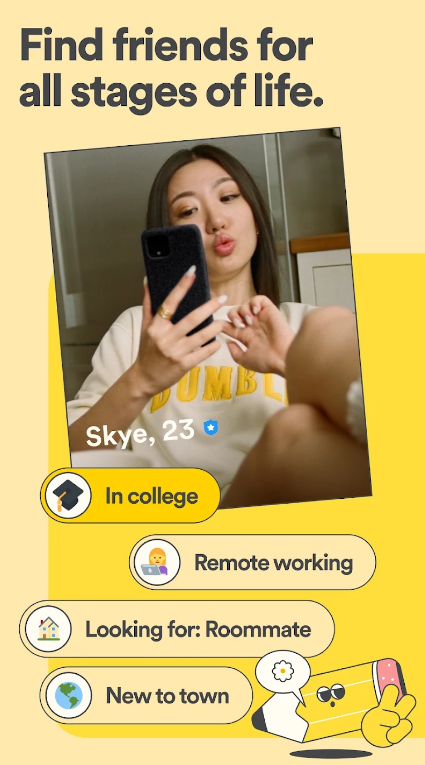
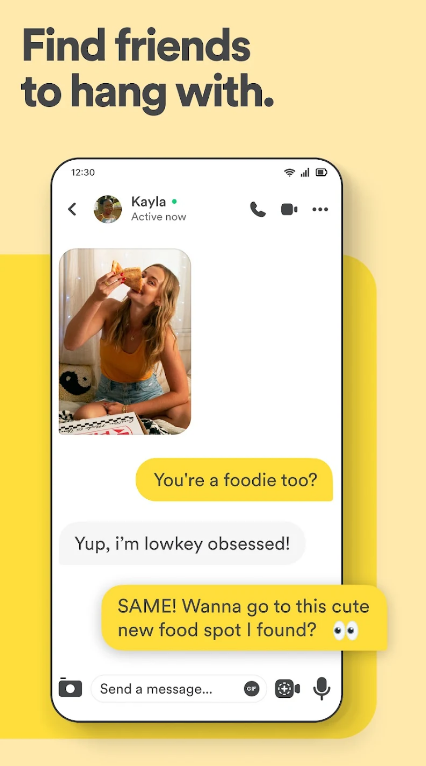
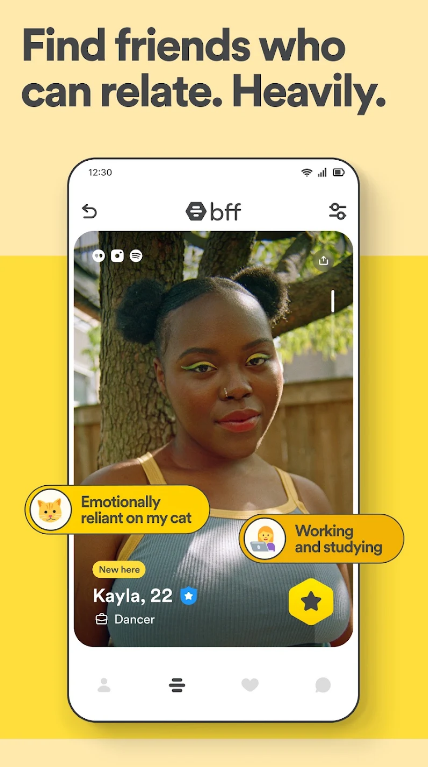
When discussing platforms that facilitate non-romantic or transitionary connections, Bumble stands out as a major pioneer. While initially famous for flipping the script on traditional dating dynamics by requiring women to make the first move, the platform recognized early on that users needed dedicated spaces for platonic bonds.
How It Works for Friendship Seekers
Bumble features distinct modes within its ecosystem, most notably Bumble BFF (which operates as a dedicated experience for finding local friends). For those who prefer a blended approach, using standard dating profiles while explicitly setting intentions to “make friends first” has become a popular strategy.
-
Interest Tags and Prompts: Users can populate their profiles with specific lifestyle markers, hobbies, and conversational prompts (such as book clubs, hiking groups, or culinary adventures).
-
Verified Community: Safety features like mandatory photo verification help reduce the presence of fake profiles, giving users peace of mind.
-
Group and Event Features: Newer updates allow users to engage not just in one-on-one chats, but also in local community groups and organized local hangouts.
Tip for Beginners: When setting up a profile on hybrid apps, clearly state in your bio that you are looking to build a local friend group or prefer taking things slow. Transparency attracts like-minded individuals who share your pacing.
Hinge: The “Designed to Be Deleted” Philosophy
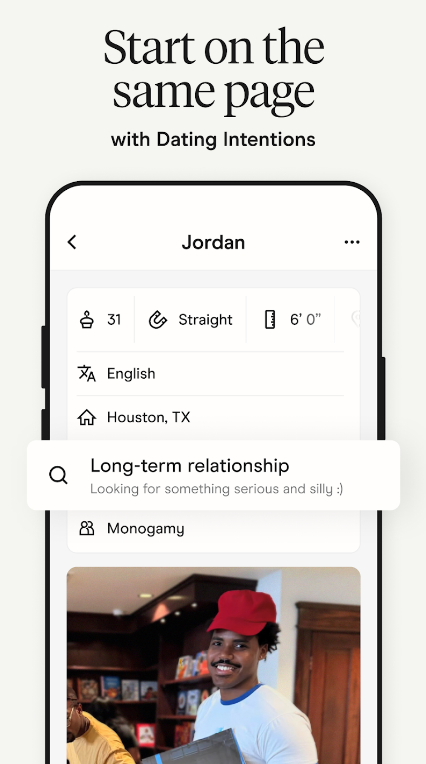
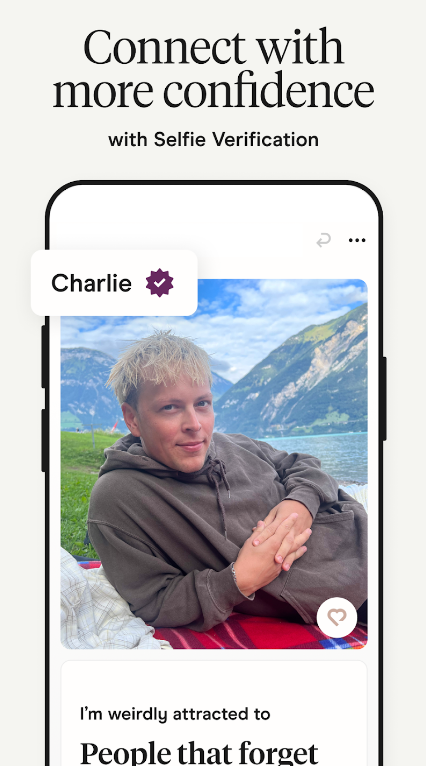
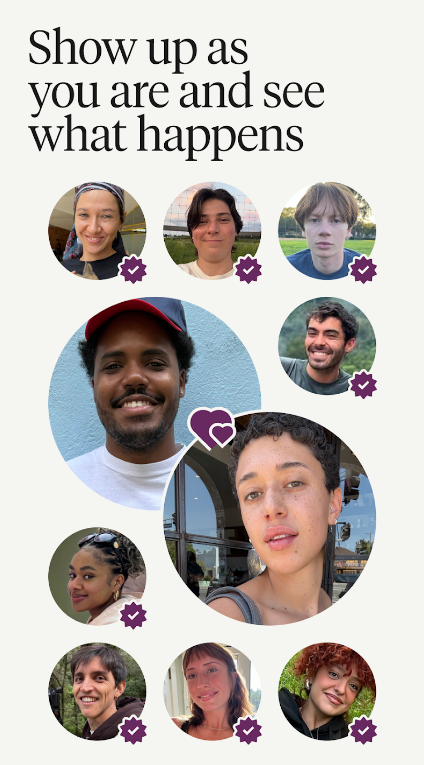
While Hinge is fundamentally structured as a romantic matchmaking app rather than a pure friendship platform, its core philosophy heavily supports a “friend-first” conversational style. Hinge built its entire modern reputation on moving away from superficial swiping and toward deep, personality-driven interactions.
Why Hinge Works Well for Low-Pressure Connections
If your goal is to ease into a relationship by establishing a friendly rapport first, Hinge offers structural advantages that traditional swipe-heavy apps lack:
-
Detailed Prompts Over Photos: Hinge requires users to answer specific lifestyle and personality prompts. This gives you an immediate, natural hook to start a conversation about a shared interest, favorite travel spot, or quirky hobby rather than just saying a generic “hello”.
-
Intentional Daters: The platform’s demographic skews heavily toward users looking for genuine, long-term compatibility. Because the culture encourages thoughtful engagement, conversations often begin with a friendly, casual tone rather than aggressive romantic overtures.
-
Voice Prompts: You can listen to short audio clips of potential matches, allowing you to gauge tone of voice, humor, and energy before exchanging a single text message.
Meetup and Community-Based Platforms for Organic Socializing

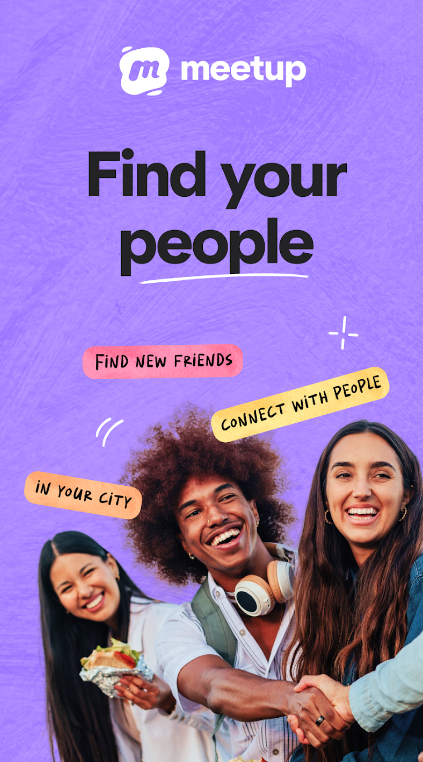

Sometimes, the best way to find a romantic partner who shares your worldview is to step outside traditional dating apps entirely and focus on broader community platforms. Meetup remains a gold standard for connecting with local groups centered around specific activities, hobbies, and recurring local events.
The Benefits of Activity-Based Friendships
When you join hiking clubs, board game nights, tech meetups, or language exchange circles through community apps:
-
The Pressure Disappears: Everyone is there primarily for the activity, making social interaction completely natural.
-
Proximity and Repetition: Psychology shows that repeated exposure to the same group of people naturally breeds comfort and lasting bonds.
-
Zero Algorithmic Fatigue: Instead of swiping through digital profiles, you engage with real people in physical spaces, evaluating chemistry organically.
Curated Group Dining and Experience Apps
In major metropolitan areas across the United States, a new wave of social discovery platforms has emerged to bypass the chat-and-coordinate phase entirely. Services like Timeleft organize weekly curated group dinners where strangers gather at a local restaurant based on a psychological compatibility questionnaire.
Why Experience-Based Apps Are Gaining Traction
-
Instant Group Dynamic: Sitting at a table of six strangers removes the awkward spotlight of a one-on-one first date.
-
Focus on Conversation: These events are structured purely around breaking bread, sharing stories, and making friends, leaving romantic possibilities entirely secondary and organic.
-
Eliminates Ghosting: Because plans are pre-booked and curated by an external service, the drop-off and “flaking” rates common on standard apps are drastically reduced.
Practical Safety Tips for Meeting Online Connections in Real Life
Transitioning a digital connection into a real-life friendship or date requires mindful safety practices. No matter which platform you choose, keep these essential guidelines in mind:
-
Always Meet in Public Places: Choose busy coffee shops, popular restaurants, or public parks for your first few meetups.
-
Keep Friends Informed: Share your plans, location, and the name of the person you are meeting with a trusted friend or family member.
-
Trust Your Instincts: If a profile feels suspicious or someone pushes to move off the app too quickly before you feel comfortable, do not hesitate to pause or block the connection.
-
Take Your Time: Remember that you are entirely in control of the pacing. A genuine friend or respectful romantic prospect will always respect your boundaries.
Finding the Right Approach for Your Social Life
Choosing the best platform to make friends first depends entirely on your personal style and social goals. If you enjoy browsing profiles and prefer digital flexibility, hybrid discovery modes and prompt-driven platforms provide a comfortable middle ground. If you prefer skipping the screen entirely, community groups and curated local experiences offer immediate, real-world engagement.
By prioritizing authenticity, lowering initial relationship pressures, and focusing on shared human experiences, you can transform the way you build relationships—ensuring that whatever connection you make next is built on a solid, lasting foundation.