Apps
Tinder vs Hinge: Which Dating App Is Right for You?
Discover how Tinder and Hinge differ in features, matching, profiles, and dating preferences
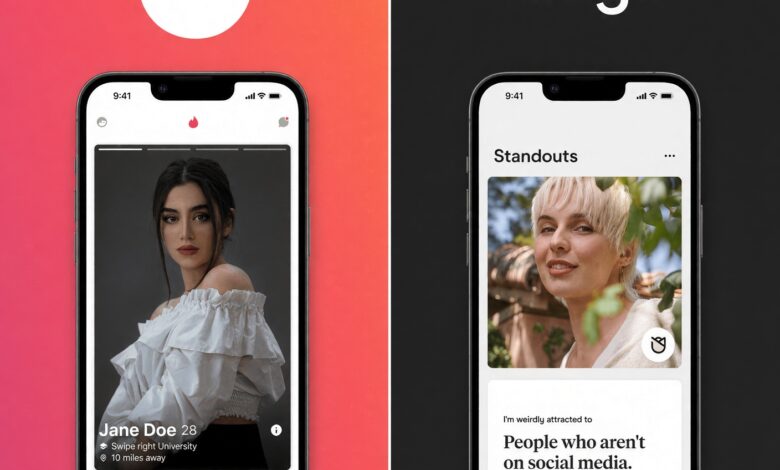
When you step into the modern digital dating world, choosing the right platform can feel overwhelming. With so many options available on your smartphone screen, finding a partner often starts with a simple question: Tinder vs Hinge: Which dating app is right for you?
Both applications dominate the online dating landscape, yet they offer completely different experiences. Understanding how their core mechanics, algorithms, and user cultures work will help you save time, avoid dating burnout, and choose the platform that fits your personal goals.
Understanding the Core Philosophy: Swipe Culture vs. Intentional Dating
To understand why these two apps feel so different, you have to look at their foundational design. They were built with entirely distinct philosophies about how people connect online.
-
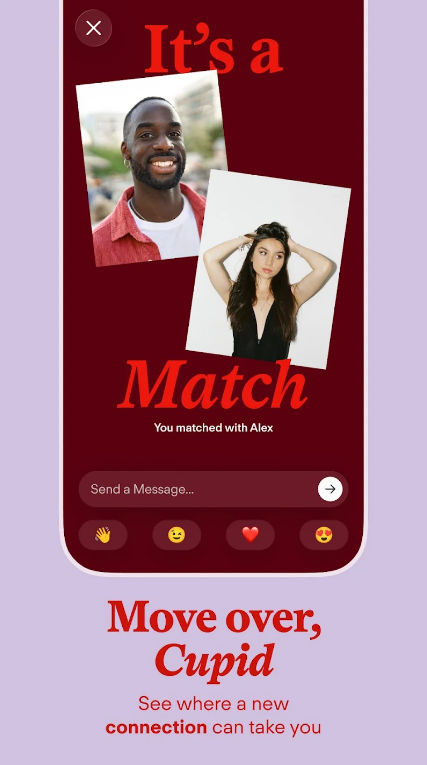
Tinder pioneered the modern swipe-based interface. It treats digital dating like a fast-paced discovery game where visual presentation rules.

-
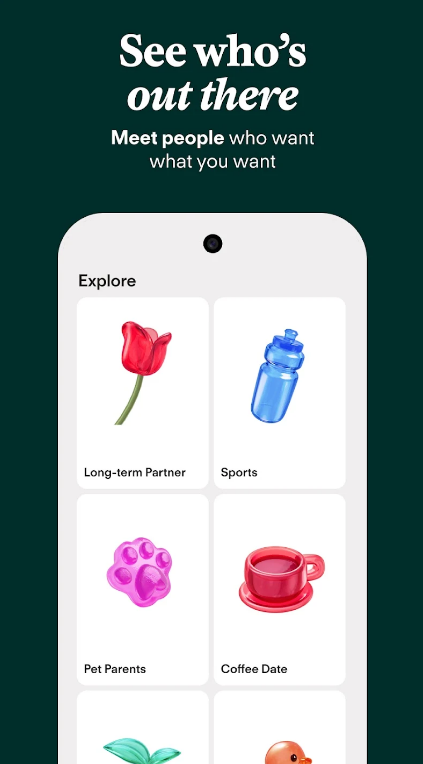
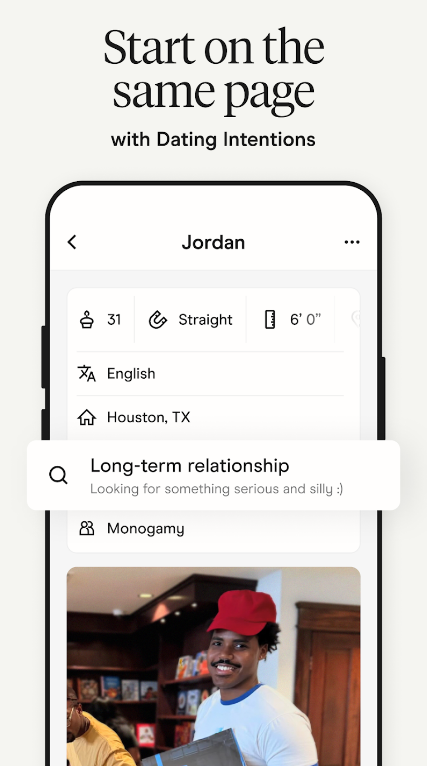
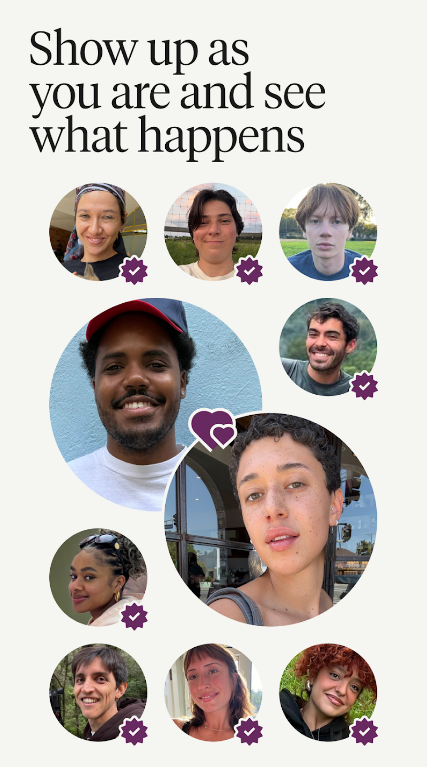
Hinge markets itself under the tagline “designed to be deleted,” focusing heavily on compatibility, deep profile details, and meaningful conversations right from the start.
If you prefer quick decisions and a massive user pool, Tinder leans into speed. If you want to read about someone’s hobbies, values, and humor before matching, Hinge provides the structure to do so.
How Profile Structures Shape Your Experience
The way a profile is organized dictates how you interact with potential matches. This is where Tinder and Hinge diverge drastically.
Tinder: Photo-First and Minimalist
On Tinder, your photos do almost all the heavy lifting. While you can add a short biographical text, most profiles feature a grid of full-screen images with minimal written context.
-
The Pros: Browsing is lightning-fast. You can evaluate dozens of profiles in just a few minutes while waiting in line for coffee.
-
The Cons: Because information is sparse, it is easy to judge people purely on physical appearance, which can lead to superficial conversations or mismatched expectations.
Hinge: Prompt-Driven and Detailed
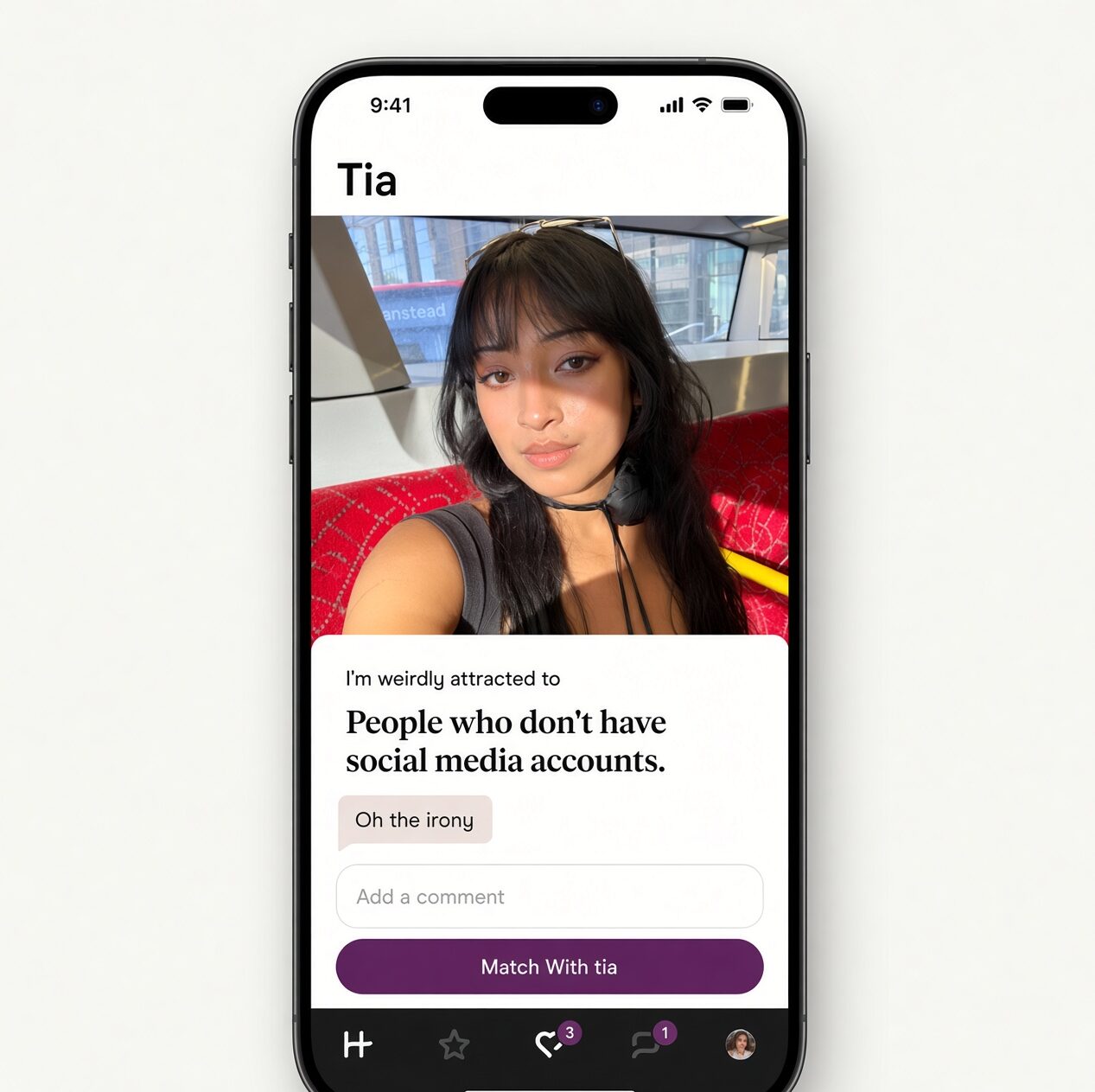
Hinge requires users to fill out a structured profile combining photos with three written prompt answers and lifestyle tags (such as height, drinking habits, and political views). Crucially, Hinge does not let you just “swipe” blindly; you must like or comment on a specific photo or prompt section.
-
The Pros: You get built-in conversation starters. If someone has a clever answer to a prompt, you have an immediate topic to discuss.
-
The Cons: It requires more effort. If you hate writing about yourself or filling out detailed forms, setting up a Hinge profile can feel like homework.
Matching Mechanics and Conversation Starters
Getting a match is only half the battle; starting a meaningful conversation determines whether anything actually happens offline.
-
Tinder Messaging: You match first, and then someone has to break the ice. Because many matches happen rapidly based on quick swipes, conversations frequently stall out or start with generic openers like “Hey” or “How’s your week going?”
-
Hinge Messaging: When you send a like on Hinge, you must attach a comment to a specific part of their profile. This shifts the dynamic entirely. Your very first action serves as the message, making it much easier to transition into a genuine dialogue.
Algorithm Differences and Visibility
Both platforms rely on sophisticated proprietary algorithms to show you profiles they think you will like, but they measure success differently.
Tinder’s algorithm focuses heavily on engagement speed, responsiveness, and activity frequency. If you swipe often and keep your profile active, the system adjusts your visibility accordingly.
Hinge’s algorithm looks at compatibility patterns, user feedback, and successful connection data over time. It tracks which conversations turn into phone numbers or real-world dates, attempting to optimize for long-term compatibility rather than short-term app engagement.
Pricing Models and Premium Features
Both apps operate on a freemium model, meaning you can use the core features for free, but paid upgrades unlock extra visibility and convenience.
-
Tinder Tiers (Plus, Gold, Platinum): These tiers focus heavily on efficiency. Features like Tinder Gold let you see who already liked your profile, saving you hours of swiping. Tinder Platinum allows you to attach a message before matching via Super Likes.
-
Hinge Tiers (Hinge+, HingeX): Hinge’s paid memberships focus on advanced filtering and control. They allow you to filter by specific traits like family plans or politics for free or advanced preferences, while higher tiers offer enhanced recommendations and priority placement.
Which App Should You Choose?
The right choice ultimately depends on what you want out of your dating life right now.
Choose Tinder If:
-
You want maximum choice and a massive pool of local users.
-
You prefer fast, low-friction browsing that does not require reading long paragraphs.
-
You are open to casual dating, meeting new people while traveling, or expanding your social network quickly.
Choose Hinge If:
-
You are tired of small talk and want conversations that start with substance.
-
You prefer seeing someone’s personality, humor, and lifestyle details before deciding to connect.
-
Your primary goal is finding a committed, long-term relationship.
Many singles choose to run both apps simultaneously for a few weeks to see which platform’s user base and culture yield the best results in their specific city. Whichever path you choose, remember that a clear profile, authentic photos, and respectful communication remain your best tools for online dating success.