Why Dating Apps Can Hurt Your Confidence
Understand how dating apps can affect your self-esteem and mindset
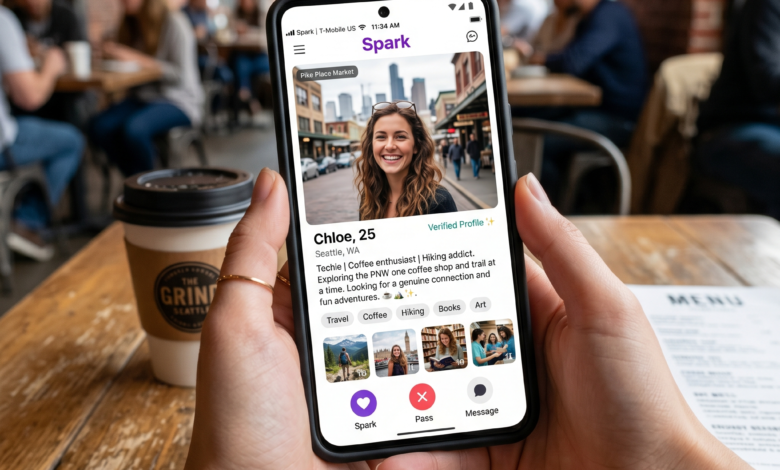
In the modern dating era of 2026, finding a partner has never been more accessible. With a few swipes on your smartphone, you can browse thousands of potential matches in your local area. However, as the use of apps like Tinder, Bumble, and Hinge has become the “new normal,” a silent epidemic has emerged: dating app burnout.
Many users find that while their match count might go up, their self-esteem often goes down. If you’ve ever felt “not good enough” after an hour of swiping, or wondered why your messages go unanswered, you aren’t alone. This guide explores the scientific and psychological reasons why dating apps can hurt your confidence and, more importantly, how you can reclaim your self-worth.
The Paradox of Choice: Why More Options Make You Feel Worse
One of the biggest psychological hurdles in online dating is the Paradox of Choice. In a traditional setting, you might meet two or three potential romantic interests in a month. On an app, you see hundreds in a day.
While this seems like an advantage, it creates a “disposable” mindset. When we are presented with an infinite supply of people, we subconsciously stop viewing them as humans and start seeing them as “profiles.” This leads to:
-
The “Grass is Greener” Syndrome: Users are less likely to commit to a good match because they feel a “better” one is just one swipe away.
-
Analysis Paralysis: The overwhelming number of choices leads to anxiety and a fear of making the “wrong” choice, which leaves users feeling drained and indecisive.
Objectification and the “Catalog” Effect on Self-Worth
Dating apps are inherently visual. Before someone learns about your kindness, your career, or your sense of humor, they judge your face and body in less than a second.
The Commodification of Self
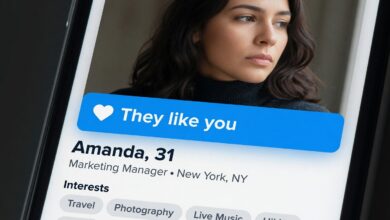
When you put yourself on a dating app, you are essentially “marketing” yourself. In 2026, with the rise of AI-enhanced photos and professional-grade social media aesthetics, the pressure to look “perfect” is at an all-time high. This leads to Self-Objectification, where you begin to view yourself through the eyes of others. If the “market” doesn’t respond with likes or matches, your brain interprets this as a personal failure, even though it’s often just an algorithmic glitch.
The Science of Ghosting: Why Silence Feels Like Physical Pain
Ghosting—where someone suddenly stops communicating without explanation—has become a staple of digital dating. For the person being ghosted, the psychological impact is significant.
Social Rejection and the Brain
Neuroscience shows that the brain processes social rejection in the same regions where it processes physical pain. When a match suddenly disappears after a week of great conversation, your brain triggers a “hurt” response.
Because apps remove the face-to-face element, the “ghoster” feels less empathy, making the act easier for them. However, for the victim, the lack of closure leads to “Internalized Criticism.” You start asking, “What did I say wrong?” or “Am I not attractive enough?” when, in reality, the other person likely just got busy or met someone else.
The “Internalized Rejection” of the Swipe Left
In the physical world, rejection is rare because we usually only approach people we have a high chance of connecting with. On apps, rejection is constant and invisible.
Every time you swipe right and don’t get a match, your subconscious registers a “no.” Over thousands of swipes, these tiny rejections accumulate. Even if you aren’t consciously thinking about it, your ego takes a “micro-hit” every time a profile you liked doesn’t like you back. In 2026, psychologists have identified this as “Swipe Fatigue,” a state of emotional exhaustion where users feel pessimistic about their own desirability.
Algorithmic Anxiety: Feeling Devalued by the Machine
As we discussed in our guide on what happens if you swipe right on everyone, dating apps use complex algorithms to rank users. If the algorithm decides to show your profile to fewer people (due to your activity levels or “desirability” score), your matches will drop.
The danger here is that users often equate algorithmic visibility with personal value. If you aren’t getting matches, you might assume you’ve become “less attractive,” when the reality is simply that the app is showing your profile to a different demographic or prioritizing paid subscribers. This “black box” of dating technology creates a sense of powerlessness that can crush a user’s confidence.
Comparison is the Thief of Romantic Joy
Social comparison is a natural human instinct, but dating apps put it on steroids. You aren’t just comparing yourself to your friends; you are comparing yourself to a curated, filtered, and sometimes AI-generated version of the entire world.
-
For Men: The comparison often revolves around status, height, and perceived “success.”
-
For Women: The comparison is usually focused on narrow, often unattainable beauty standards.
Seeing “perfect” people all day makes your own life and appearance feel “average” or “insufficient.” It’s important to remember that a dating profile is a highlight reel, not a documentary.
Breadcrumbing and Benching: The Confidence Killers
In 2026, two specific behaviors have become major confidence killers: Breadcrumbing and Benching.
-
Breadcrumbing: When someone sends you just enough messages to keep you interested (the “breadcrumbs”) but has no intention of actually meeting. This leaves you in a state of constant “hopeful anxiety.”
-
Benching: When someone likes you but keeps you as a “backup option” while they pursue others.
Both behaviors make the victim feel like they are “second best,” leading to a slow erosion of self-esteem. You begin to feel like a “placeholder” rather than a priority.
How to Protect Your Mental Health While Using Dating Apps
If the apps are hurting your confidence, you don’t necessarily have to delete them forever. You just need to change your relationship with them.
Set a “Swipe Budget”
Limit your app usage to 20 minutes a day. This prevents the “zombie swiping” that leads to emotional exhaustion.
Focus on “In-Person” Verification
As we mentioned in our WhatsApp safety guide, move to a video call or a public meeting as soon as possible. Real-world interaction is the only way to break the “digital objectification” cycle.
Practice “Detachment”
Remind yourself that a match (or lack thereof) is not a reflection of your worth. It is a data point in a private company’s experiment.
Rebuilding Your Confidence After App Burnout
If you’ve already taken a hit to your confidence, it’s time for a “Digital Detox.”
-
Delete the Apps for 30 Days: Prove to yourself that you can exist and be happy without the validation of a “Like.”
-
Invest in Real-World Hobbies: Build confidence through skills—fitness, cooking, coding, or art. These provide a “tangible” sense of worth that an app cannot give.
-
Refocus on Friendship: Spend time with people who already love and value you. This reminds you that you are more than just a 500-character bio and six photos.
The Confidence Protection Checklist
| Negative Factor | Psychological Impact | The Solution |
| Mass Options | Paradox of Choice / Anxiety | Be selective; only swipe on 5 people a day. |
| Ghosting | Internalized Rejection | Realize it’s about their behavior, not yours. |
| Comparison | Lowered Self-Esteem | Limit time on the app; remember it’s a “highlight reel.” |
| Algorithms | Feeling “Unseen” | Don’t equate match count with your value. |
You Are More Than Your Profile
Dating apps are a tool, not a mirror. They are designed to keep you engaged, not necessarily to make you feel good about yourself. While they can be a great way to meet people you otherwise wouldn’t, they should never be the primary source of your self-esteem.
In 2026, the most attractive quality you can bring to a date isn’t a perfect photo—it’s the quiet confidence of someone who knows their worth regardless of what an app says. Stay safe, stay human, and remember: you are a person, not a product.