What Happens If You Swipe Right on Everyone?
What happens when you like everyone on dating apps
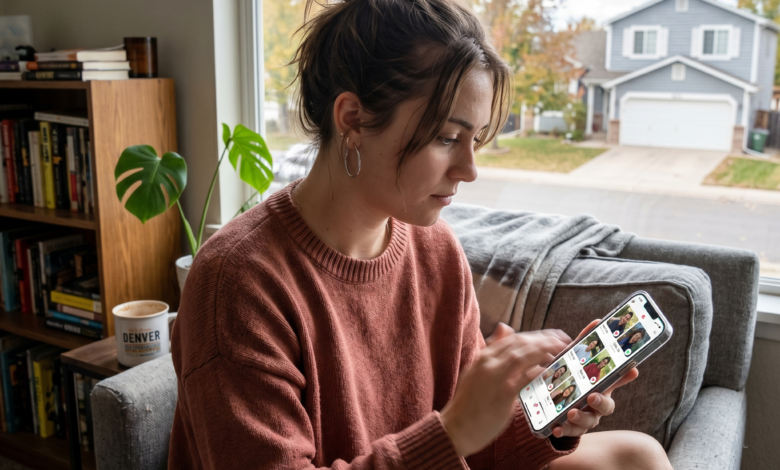
In the early days of online dating, “mass swiping” was a common strategy. The logic was simple: if you like every single person, you maximize your chances of getting a match. It was a numbers game—pure and simple.
However, as we move through 2026, dating app technology has become significantly more sophisticated. The “swipe-till-you-drop” era isn’t just over; it’s actually dangerous for your digital dating life. If you’ve noticed your match count dwindling despite your constant activity, you might be falling victim to the “Mass Swiper Penalty.”
Here is exactly what happens behind the scenes when you swipe right on everyone and how the modern algorithm responds to your behavior.
The Algorithm Flags You as a “Bot” or “Spam Account”
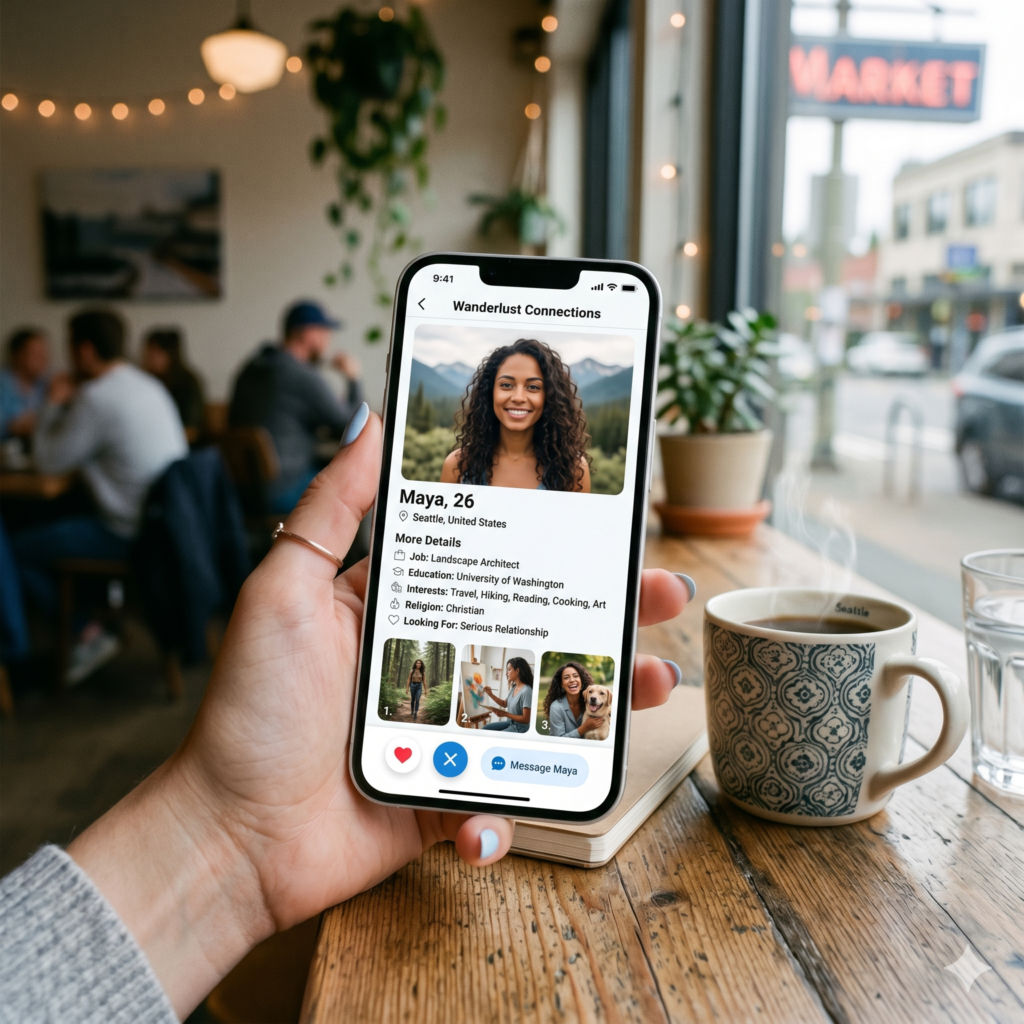
Dating apps like Tinder, Bumble, and Hinge have one primary goal: to provide a high-quality experience for their users. High-quality users are selective. They read bios, look at photos, and only “like” people they genuinely want to meet.
When you swipe right on everyone (100% of the profiles shown to you), you are behaving exactly like a automated script or a bot. In 2026, AI-driven security systems are trained to look for “non-human” behavior.
-
The Trigger: Swiping at a consistent speed without pausing to view photos or scroll through a bio.
-
The Response: The app may flag your account for “suspicious activity.” This often leads to frequent “CAPTCHA” tests or, in worse cases, a permanent ban for violating the terms of service regarding automated behavior.
Your “Internal Trust Score” Plummets (The Modern Elo)
While the old “Elo score” (an attractiveness rating) has been officially retired, it has been replaced by more complex Trust and Engagement Scores. These scores determine your profile’s “health” and visibility.
When you swipe right on everyone, the algorithm interprets this as “low-intent.” The app assumes you aren’t serious about finding a connection and that you will likely be a “bad matcher”—someone who matches but never messages, or someone who messages disrespectfully.
The result? Your profile is pushed to the bottom of the “deck.” Instead of being shown to popular, active users, you are shown to other low-intent accounts, inactive profiles, or perhaps not shown at all. This is the beginning of what the community calls a “Shadowban.”
You Fall Victim to the “Shadowban”
A shadowban is the most frustrating experience for a dater. Your app looks like it’s working perfectly—you can still swipe, you can still see people—but nobody sees you.
How to know if you’ve been shadowbanned:
-
You used to get matches, but now you get zero, even with a “Boost.”
-
Your likes are never returned.
-
You see the same profiles over and over again.
By swiping right on everyone, you have effectively told the algorithm that you have no “type” and no standards. Since the algorithm can’t categorize you, it stops trying to match you with anyone of quality.
The “Gale-Shapley” Effect: Why Selective Swiping Wins
In 2026, apps are increasingly using mathematical models like the Gale-Shapley Algorithm to facilitate “stable marriages” or connections. This model relies on preferences.
If you have no preferences (swiping right on everyone), the mathematical model breaks. The system cannot predict who you will like because you “like” everyone. Therefore, the AI cannot suggest “Most Compatible” matches for you. By being picky, you are actually giving the AI the data it needs to find people you will actually like, which increases your visibility to those specific types of people.
Lower Quality Matches and the “Match-Message” Ratio
Even if you do get matches by swiping on everyone, they are often low-quality. Because you didn’t look at the profile, you may find yourself matching with people:
-
Who live too far away.
-
Whose lifestyle is a major dealbreaker.
-
Who have completely different relationship goals.
Furthermore, apps now track your Match-to-Message ratio. If you have 100 matches but only message 5 of them, the algorithm penalizes you further. It views you as a “hoarder” of matches rather than a “connector.” In 2026, the most visible profiles are those that match and then immediately initiate a meaningful conversation.
How to “Reset” Your Account After Mass Swiping

If you’ve already been mass swiping and feel like your account is dead, don’t worry—you can usually fix it without deleting your profile.
-
Stop immediately: Begin swiping with intention. Aim for a “Right-Swipe Rate” of about 30% to 50%.
-
Slow down: Spend at least 10–15 seconds on each profile. Scroll through the photos and read the bio. The app’s “heat map” tracks how long you spend on a profile.
-
Message your current matches: Revive your current match list. Sending thoughtful messages signals to the app that you are an active, high-quality user.
-
Verify your profile: Use the “Face Check” or “World ID” verification tools available in 2026. This is the fastest way to prove to the AI that you are a human and not a bot.
Strategic Swiping: The 2026 Success Formula
To maximize your matches, follow the “70/30 Rule”:
-
70% of the time, swipe left. Be selective. Only like people you would actually be excited to go on a date with.
-
30% of the time, swipe right. * Always message first if you are the one who completes the match.
By being more “expensive” with your likes, you make your profile more valuable to the algorithm. The apps will start showing you to more “High Value” users because you’ve proven that a “Like” from you actually means something.
Summary Checklist: Swiping Best Practices
| Action | Impact on Algorithm |
| Swiping Right on 100% | Negative: Flags as Bot/Spam. |
| Swiping at High Speed | Negative: Lowers Trust Score. |
| Swiping Right on 30-50% | Positive: Signals intentionality. |
| Reading Bios/Prompts | Positive: Increases visibility/relevance. |
| Messaging after Matching | Positive: Boosts your “Engagement Rank.” |
Quality Over Quantity
In the world of 2026 dating apps, less is truly more. Swiping right on everyone is a “relic” of the past that will only lead to a ghost-town profile. By slowing down, being selective, and treating each profile as a real person, you signal to the AI that you are a premium user worth showing to others.
Online dating is no longer a game of chance—it’s a game of strategy. Use your likes wisely, and the matches will follow.