Is It Safe to Send Voice Messages on Dating Apps?
Learn when it’s safe to send voice messages on dating apps
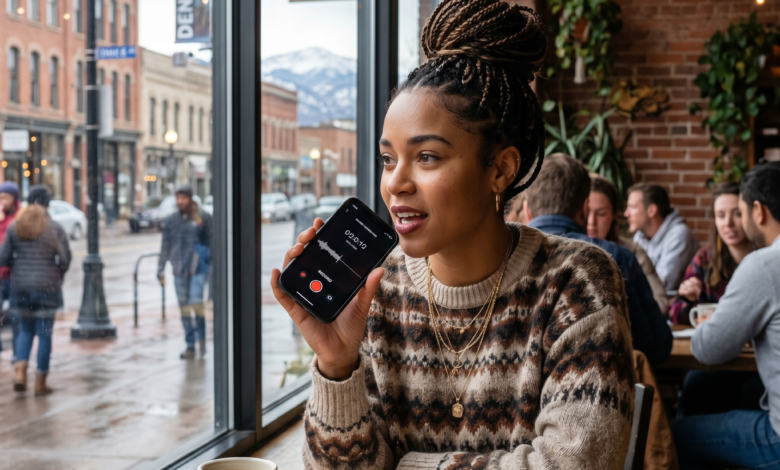
In the fast-evolving landscape of digital romance, the way we communicate is shifting. While text-based chatting remains the standard, many major platforms like Hinge, Bumble, and Tinder have introduced voice notes (or voice messages) as a way to build a deeper connection. But as we move beyond the keyboard, a critical question arises: Is it safe to send voice messages on dating apps?
While voice messages offer a more authentic glimpse into someone’s personality, they also introduce unique privacy and security considerations that every user should understand. This guide explores the risks, the rewards, and the advanced safety protocols you should follow to protect your identity in 2026.
The Psychology of the Voice: Why We Use Voice Notes in Dating

Voice notes bridge the gap between the static nature of text and the high-pressure environment of a video call. They allow you to hear a person’s tone, inflection, and humor—elements that are often lost in translation through emojis and typed words.
From a safety perspective, hearing a match’s voice can be a powerful tool for verification. It is much harder to “catfish” or maintain a fake persona when you have to speak naturally. However, this same “authenticity” is exactly what makes voice notes a sensitive form of data. Your voice is a biometric marker, and once sent, it’s a digital asset that you no longer fully control.
Advanced Privacy Risks: Can Your Voice Be Used Against You?
When you send a voice message, you aren’t just sending “audio”; you are sending data. Here are the primary security risks associated with voice notes on dating platforms:
The Threat of AI Voice Cloning
In 2026, generative AI technology has reached a point where only a few seconds of a high-quality voice recording are needed to create a “deepfake” voice clone. If a bad actor intercepts or saves your voice note, they could theoretically use AI tools to impersonate you. This could lead to:
-
Social Engineering: Scammers calling your relatives pretending to be you in distress.
-
Account Takeover: Using your voice to bypass voice-activated security systems (though most banks have moved away from this, some legacy systems still exist).
Metadata and Background Clues
Just as photos contain “EXIF” data that can reveal your location, voice notes can contain background audio cues. A train announcement, a specific bird species, or the sound of a local event can help a sophisticated “doxxer” narrow down your location.
Permanent Record and Leakage
Most dating apps keep your messages on their servers. If the app suffers a data breach, your voice recordings could be leaked. Unlike a password, you cannot “change” your voice if it ends up on the dark web.
How to Safely Use In-App Voice Messaging Features
Most reputable apps provide built-in voice messaging tools. Never move to WhatsApp, Telegram, or iMessage to send voice notes early on. Using the in-app feature provides a layer of protection because the app’s safety team can review reports of harassment or scams.
Use the “Listen Before Sending” Feature
Always play back your recording before hitting send. Listen for:
-
Background Noise: Are you mentioning a street name or is there a identifiable landmark sound?
-
Personal Slips: Did you accidentally mention your workplace or your full name?
Avoid Mentioning Identifying Details
Treat a voice note like a public broadcast. Avoid saying things like, “I’m just heading into [Specific Gym Name]” or “I’m finally home at [Specific Neighborhood].” Keep the conversation focused on the “here and now” of the dialogue rather than your physical coordinates.
The “Vibe Check” vs. The “Safety Check”
There is a difference between checking for compatibility and checking for safety. Voice notes are excellent for the former, but they shouldn’t replace your standard safety protocols.
-
The Vibe Check: Does their voice match their profile? Do they sound like the age they claim to be?
-
The Safety Check: Does the person respect your boundaries if you decline to send a voice note? If a match pressures you (“Why won’t you send a voice clip? Are you a fake?”), it is a significant red flag. Pressure is a tactic used by scammers to make victims feel defensive and compliant.
Protecting Your Biometric Identity in 2026

As we move further into a world of biometric security, your “voice print” is becoming as valuable as a fingerprint. To stay ahead of the curve, follow these advanced digital hygiene tips:
-
Short and Sweet: Keep voice notes under 30 seconds. Shorter clips are less useful for AI training models.
-
Distortion is Okay: You don’t need studio-quality audio. If there is a bit of ambient “white noise” (like a fan or city hum), it actually makes it harder for AI to extract a clean “voice print” for cloning.
-
Limit Frequency: Don’t use voice notes for every single interaction. Mix them with text to reduce the amount of audio data you are putting onto a third-party server.
How Dating Apps Store and Moderate Audio Data
It’s important to read the Privacy Policy of the app you are using. Most apps (like Bumble and Hinge) encrypt messages in transit, but they may use automated AI tools to “listen” for keywords associated with harassment, threats, or illegal activity.
While this helps keep the platform safe, it means your voice is being processed by an algorithm. If you are highly concerned about privacy, look for apps that offer end-to-end encryption, though this is rare in the mainstream dating market.
Red Flags to Watch for in Received Voice Messages
Safety is a two-way street. When you receive a voice note, stay alert for these warning signs:
-
Generic Scripts: If the voice note sounds like a professional recording or doesn’t mention anything specific about your profile, it could be a pre-recorded clip used by a “bot farm.”
-
Inconsistent Accents: If their written English is perfect but their voice note sounds vastly different (or vice-versa), proceed with caution.
-
Requests for Money or Info: Never provide financial details or sensitive information over a voice note. Scammers often use the “emotional” quality of a voice to make their lies more believable.
What to Do If You Feel Unsafe After Sending a Voice Note
If you’ve sent a voice message and later realize the person is suspicious, take these steps immediately:
-
Unmatch and Report: This often removes the chat history from your view and alerts the app’s moderation team.
-
Block on All Platforms: If you have moved the conversation elsewhere, block them immediately.
-
Monitor Your Digital Footprint: If you shared something specific, keep an eye on your social media privacy settings.
Alternatives to Voice Messaging
If you aren’t ready to share your voice but want to move past texting, consider these “middle-ground” options:
-
In-App Video Calling: Many apps now offer video calls that don’t reveal your phone number. This is often safer than a voice note because it happens in real-time and is harder to record and manipulate without you noticing.
-
Photo Verification: Ensure you only interact with “Verified” profiles to minimize the risk of meeting a bot or a catfisher.
To Send or Not to Send?
Sending voice messages on dating apps is generally safe, provided you use the app’s official tools and avoid sharing “identifying” background or verbal information. In 2026, your voice is a piece of your identity—treat it with the same care you would your home address or your social security number.
By staying in control of your “audio footprint,” you can enjoy the benefits of a more personal connection without compromising your digital security.