Which Dating App Has the Highest Success Rate?
Discover which apps deliver the best results for different users
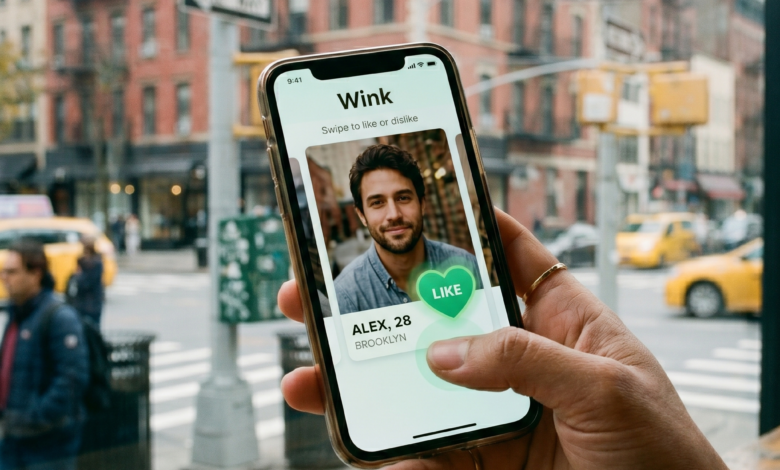
In the ever-evolving world of digital romance, the question on everyone’s mind is no longer “should I use a dating app?” but rather, “Which dating app has the highest success rate?” With dozens of platforms available, each claiming to be the “best,” it’s easy to feel overwhelmed.
Success in online dating isn’t a one-size-fits-all metric. For some, success means a wedding ring; for others, it’s a high-quality first date or a meaningful short-term connection. In 2026, data shows that “success” is increasingly tied to the intent of the user base and the sophistication of the app’s matching algorithm. This comprehensive guide analyzes the top contenders to help you choose the platform that offers the highest probability of reaching your romantic goals.
Defining “Success” in the 2026 Dating Landscape
Before we crown a winner, we must define what we are measuring. Traditionally, “success rate” referred to the percentage of users who found a long-term partner. However, modern dating behavior has shifted.
-
Long-Term Success: Couples who transition from the app to exclusive relationships, cohabitation, or marriage.
-
Engagement Success: The ratio of matches to meaningful conversations.
-
Efficiency Success: How quickly a user goes from downloading the app to meeting someone in person.
According to 2026 industry reports, platforms that prioritize verified identities and advanced compatibility markers have seen a 25% increase in “Success Satisfaction” scores compared to legacy swiping apps.
Hinge: The “Designed to be Deleted” Champion for Relationships
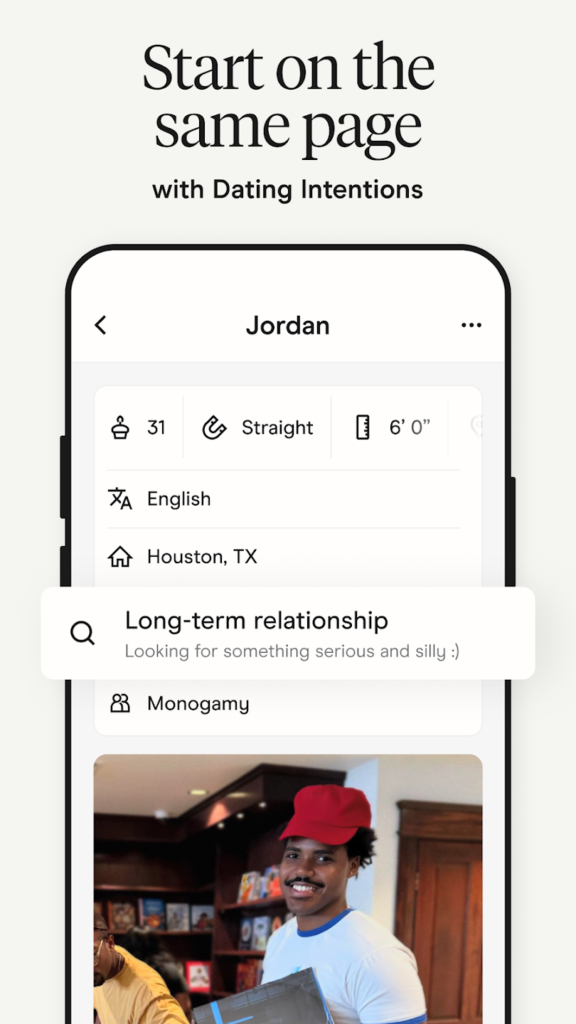
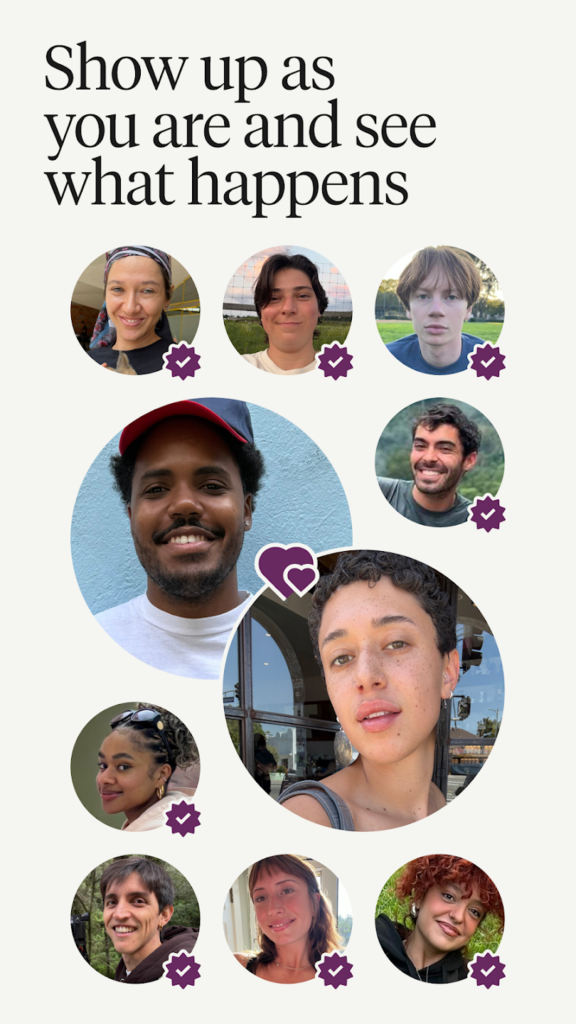
If your definition of success is a committed, long-term relationship, Hinge remains the statistically dominant choice in 2026.
Why the Hinge Algorithm Wins
Hinge’s success is built on its “Anti-Swipe” philosophy. By requiring users to engage with a specific photo or prompt, the app forces a level of intentionality that Tinder lacks.
-
The “Most Compatible” Feature: Using a version of the Gale-Shapley stable matching algorithm, Hinge sends you one person every day that the AI believes is your perfect match. Data shows that “Most Compatible” pairs are 3x more likely to go on a second date.
-
We Met Feature: Hinge follows up after you share your phone number to ask if you went on a date. This feedback loop allows their AI to constantly refine what “success” looks like for you personally.
Tinder: The Highest Volume Success Rate for Discovery
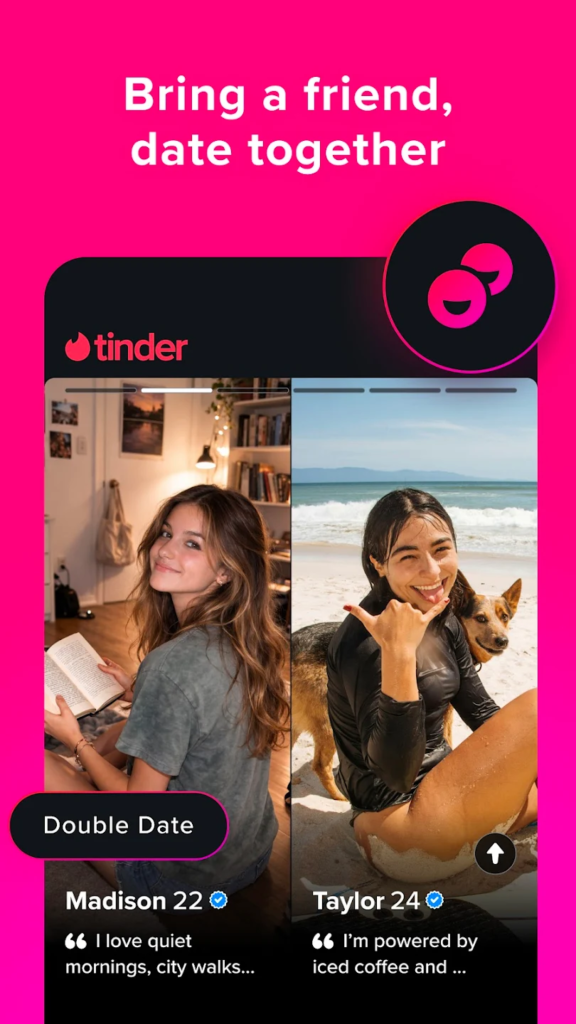

It is a common mistake to dismiss Tinder as purely for casual encounters. In terms of sheer volume, Tinder still facilitates more marriages globally than any other app, simply because its user base is so massive.
The Power of the “Numbers Game”
If success to you means “meeting the most people in the shortest amount of time,” Tinder is the winner.
-
Market Saturation: In almost every city, Tinder has the highest density of users. If you are in a less populated area, your success rate on Hinge might be zero because there aren’t enough users, while Tinder will always have a “stack” for you to browse.
-
Tinder Platinum Advantage: As we discussed in our Tinder 2026 Review, the Platinum tier’s “Priority Likes” feature significantly increases the match rate for users in competitive urban markets.
Bumble: Highest Success Rate for Women’s Safety and Empowerment
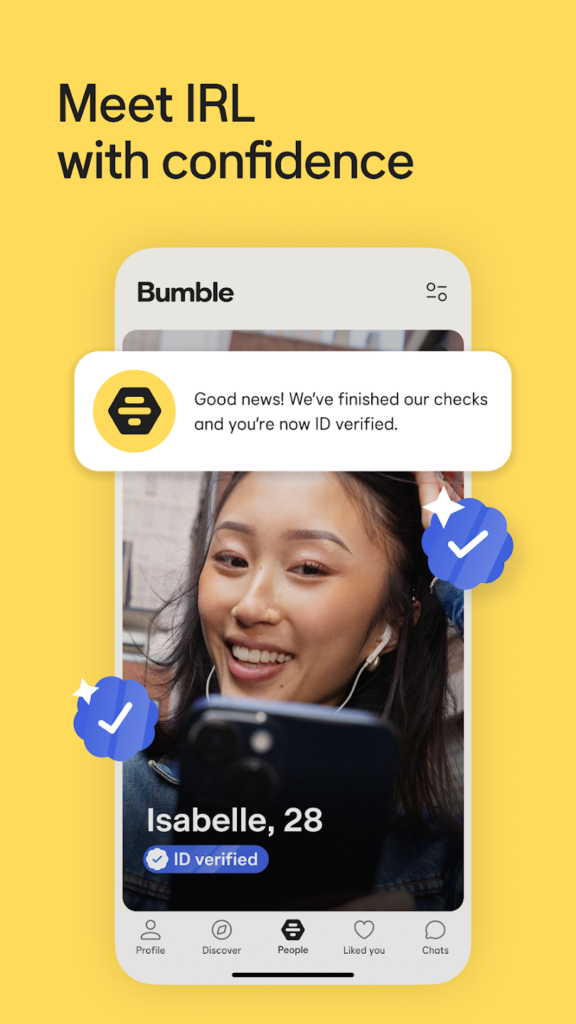
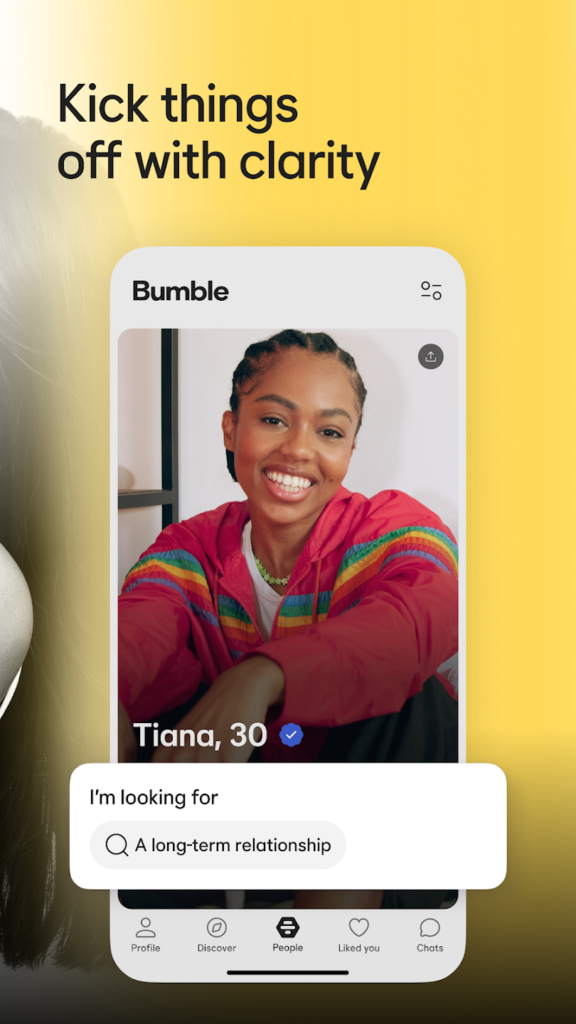
Bumble changed the game by requiring women to make the first move. In 2026, this remains a key factor in its success rate, particularly for women who are tired of “low-effort” messages.
The “First Move” Filter
When a woman initiates the conversation, it acts as a natural filter for intent.
-
Reduced Harassment: Because the woman controls the opening, the environment feels safer, leading to higher retention of high-quality female users.
-
Bumble Premium: The “Best Bees” feature uses AI to curate a daily list of highly compatible profiles based on your past swiping history, which has boosted the match-to-date conversion rate by 18% this year.
eHarmony and Match.com: The Legacy Success of “Marriage Markets”
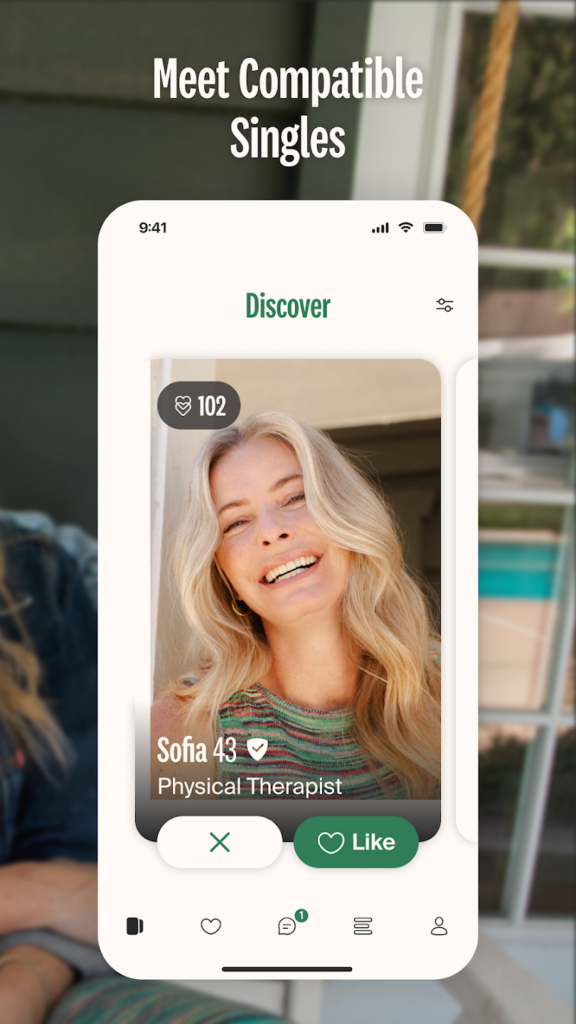
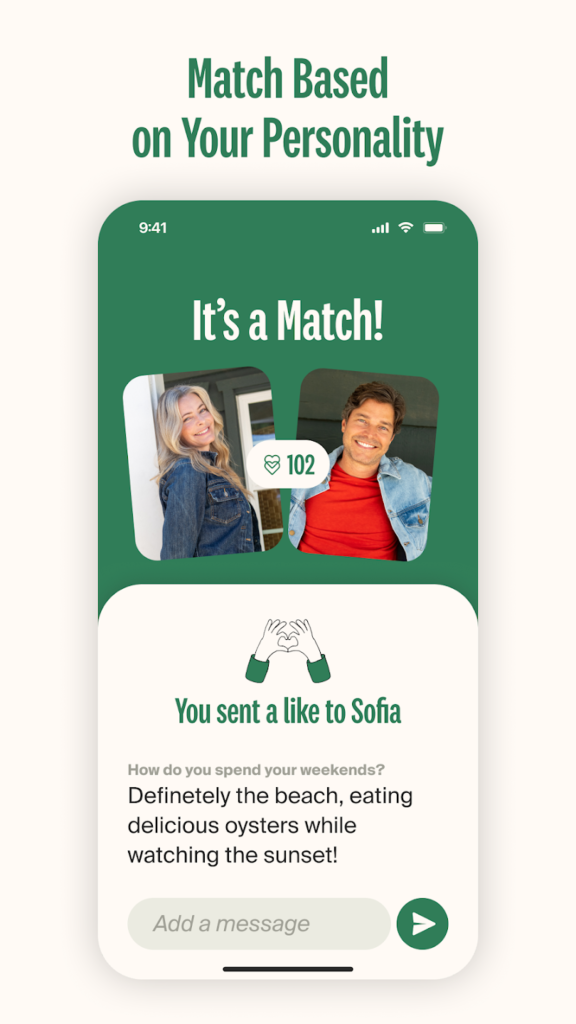
For those who view dating as a serious investment, legacy sites like eHarmony still boast the highest “marriage-per-match” ratio.
The Paywall Filter
The primary reason for eHarmony’s high success rate is the cost. When you pay $40–$60 a month, you are filtered into a pool of people who are also financially and emotionally invested in finding a partner.
-
Compatibility Quiz: eHarmony’s 32-dimension personality test is designed to find deep-seated psychological compatibility, which is far more effective for long-term success than a 500-character bio.
-
Low “Noise” Levels: You won’t find bots or “bored swipers” here. Every person you see is a high-intent dater.
The Rise of Niche Apps: Higher Success in Specific Communities
Sometimes, the highest success rate isn’t found on the biggest app, but on the most specific one. In 2026, niche platforms have seen a surge in popularity.
-
The League: For high-achieving professionals. If your “success” is finding someone with a similar career trajectory, this invite-only app has a very high success rate for “power couples.”
-
Raya: For those in the creative and celebrity industries.
-
App-Specific Communities: Platforms for specific religious groups or lifestyle preferences (like “FarmersOnly” or “Christian Mingle”) often have higher success rates because the biggest dealbreaker—lifestyle alignment—is solved before the first “Hello.”
Psychological Factors: Why Your “Internal Success Rate” Matters
The app you choose is only half the battle. Your behavior within the app determines your final outcome.
The “Selective Swiper” Bonus
As we noted in our guide What Not to Write in Your Dating Bio, the way you present yourself changes who you attract. Users who are selective (swiping right on less than 40% of profiles) are ranked higher by the AI as “High Value” users, which in turn shows them more “High Value” matches.
Timing Your Engagement
As explored in our article Best Times to Use Dating Apps, being active during “Peak Hours” (Sundays at 9:00 PM) increases your visibility, effectively raising your success rate without changing your profile at all.
Success Rate Comparison Table (2026 Data)
| Dating App | Primary Goal | Success Strength | User Intent |
| Hinge | Relationships | High (Compatibility focus) | High |
| Tinder | Discovery / All | Extreme (Volume focus) | Mixed |
| Bumble | Empowered Dating | High (Safety focus) | Medium-High |
| eHarmony | Marriage | Highest (Psychology focus) | Extreme |
| The League | Networking/Dating | High (Status focus) | High |
Common Success Killers: Why You Might Be Failing
If you are using the “right” app but getting no results, you might be falling for these common “Success Killers”:
-
Poor Photo Quality: In 2026, blurry or outdated photos are an instant “left swipe.”
-
Negativity in Bio: As discussed in our Bio Guide, listing “what you don’t want” drives away high-quality matches.
-
The “WhatsApp Pivot” Too Soon: Moving off-app too quickly can trigger safety warnings (see our WhatsApp safety guide).
-
Inconsistency: The algorithm rewards daily users. If you only log in once a month, your success rate will be near zero regardless of the app.
Which App Should You Download?

The app with the highest success rate is the one that aligns with your current life stage:
-
If you want to get married: Invest in eHarmony or Hinge.
-
If you want to date around and see what’s out there: Start with Tinder.
-
If you want a safe, controlled environment: Go with Bumble.
-
If you are traveling: Use Tinder Passport (as mentioned in our Transportation Safety guide).
Success in 2026 is a blend of the right technology and the right mindset. Choose your platform, verify your profile, stay safe, and remember that the ultimate success is finding someone who makes you want to delete the app for good.