In the fast-paced digital ecosystem of 2026, making genuine, authentic human connections has shifted from a casual afterthought to an intentional, structured pursuit. While traditional social networks often keep us isolated behind algorithmic feeds and passive likes, a new generation of dedicated friendship platforms and event-driven applications has stepped up to bridge the digital-to-real-world divide.
Whether you have recently relocated to a brand-new city, entered a fresh stage of life, or simply want to expand your social circle with like-minded individuals, choosing the right digital tool is essential. This comprehensive, expert-vetted guide breaks down the absolute best apps to meet new people in 2026, analyzing their core mechanics, targeted demographics, and the underlying social science that makes them successful.
Why Digital Friendship Platforms Are Overtaking Traditional Social Networks

For years, platforms like Instagram, Facebook, and X (formerly Twitter) served as our primary digital town squares. However, by 2026, a massive cultural shift occurred. Users have grown fatigued by performance-driven content feeds, influencer-centric monetization, and the passive consumption of other people’s lives. Traditional social networks are excellent for maintaining existing relationships, but they are notoriously inefficient at helping users discover and build completely new ones.
Dedicated friendship and community-discovery apps solve this specific problem by realigning user intent. Everyone logging into these platforms shares the exact same objective: breaking the ice and establishing meaningful human contact.
Instead of dealing with the awkwardness of sending an unsolicited direct message to a stranger on a professional network or a photo-sharing app, these applications provide a mutually agreed-upon environment for socialization. They leverage hyper-local geolocation, advanced interest mapping, personality compatibility frameworks, and structured offline events to turn digital introductory sparks into long-lasting real-life bonds.
Top 1-on-1 Friend Matchmaking Apps for Deep Connections
For individuals who prefer intimate, focused interactions over massive group gatherings, one-on-one friendship matchmaking applications are the ideal starting point. These platforms mirror the accessibility of contemporary discovery interfaces but modify their internal mechanics to focus entirely on platonic affinity, shared values, and mutual interests.
Bumble For Friends (BFF)
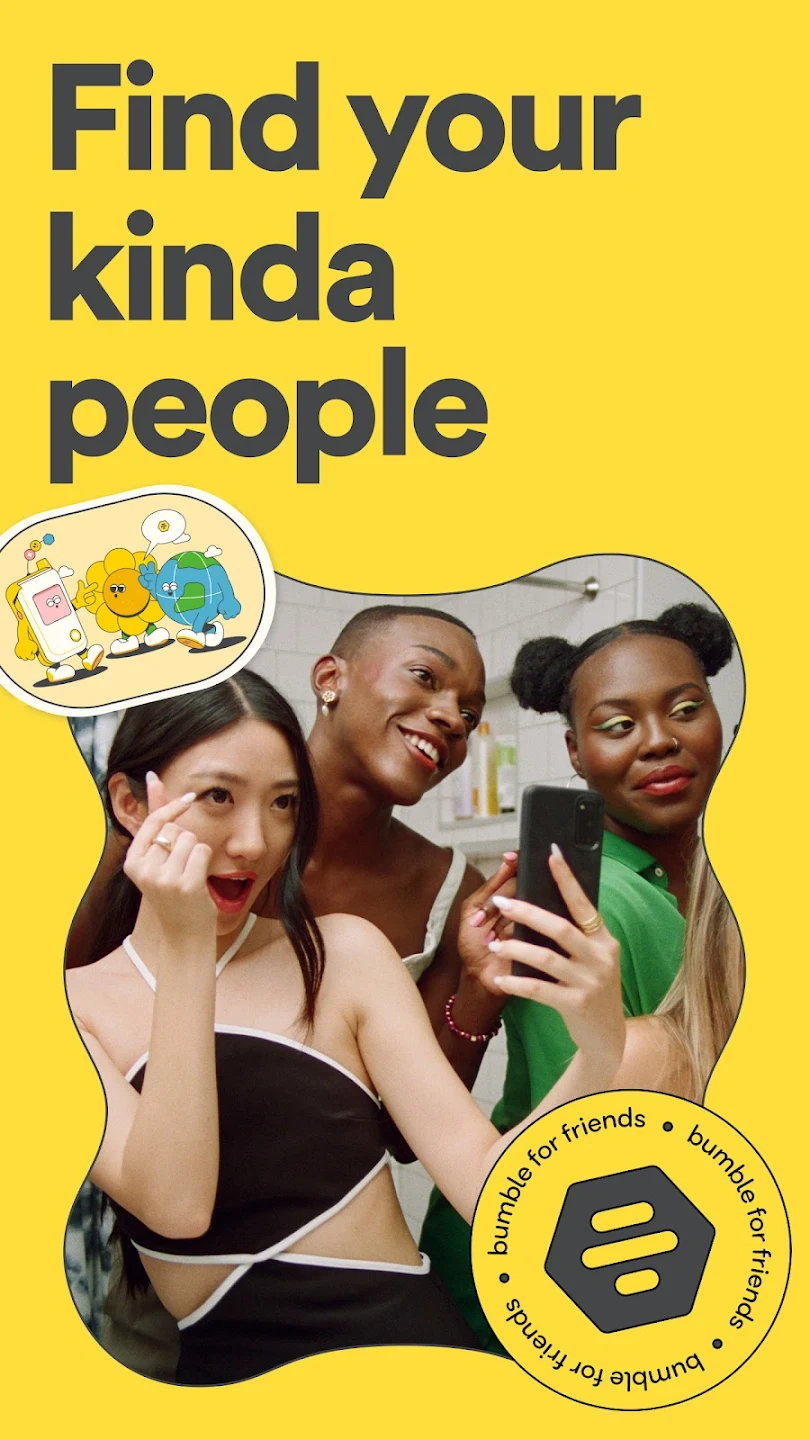
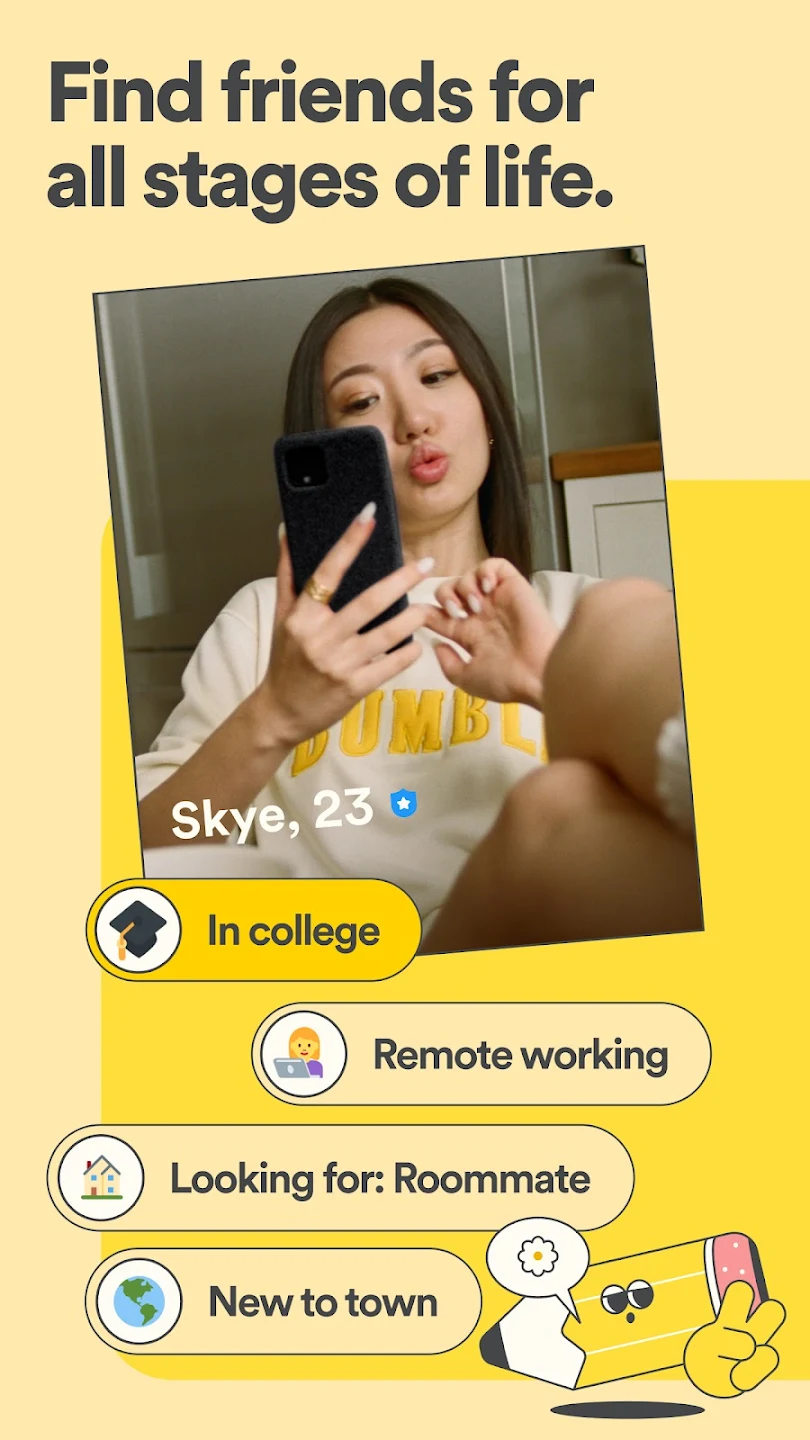
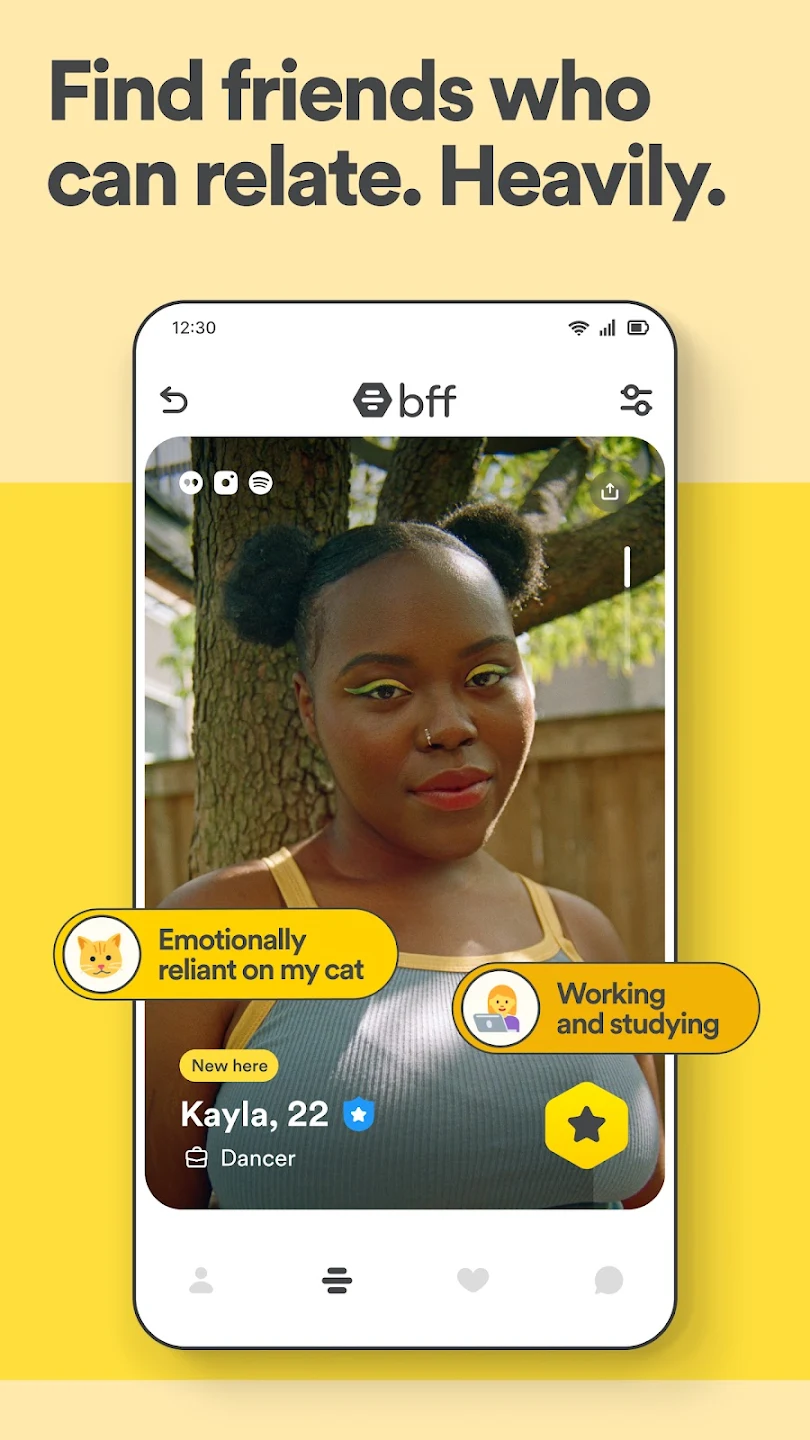
As the original pioneer of mainstream platonic digital matching, Bumble For Friends remains an absolute titan in the space due to its massive, active user base. In late 2025 and moving into 2026, the application underwent a significant structural transformation. While it still retains its intuitive, photo-and-bio-based swipe architecture, it has expanded far beyond simple one-on-one matching.
-
How it works: Users create highly detailed profiles outlining their hobbies, lifestyle habits, and social goals. After swiping and matching with a potential friend nearby, either user can initiate the conversation.
-
The 2026 Evolution: Bumble BFF now features “Community Circles.” This update allows users to create or join local, interest-driven micro-groups within the app (e.g., “Downtown Morning Run Club” or “Saturday Board Game Enthusiasts”). This drastically reduces the pressure of transitioning from an online chat to a solo real-life meetup.
-
Best for: Broad accessibility, ease of use, and finding a high volume of active users in major metropolitan areas.
Boo: Personality-First Connections
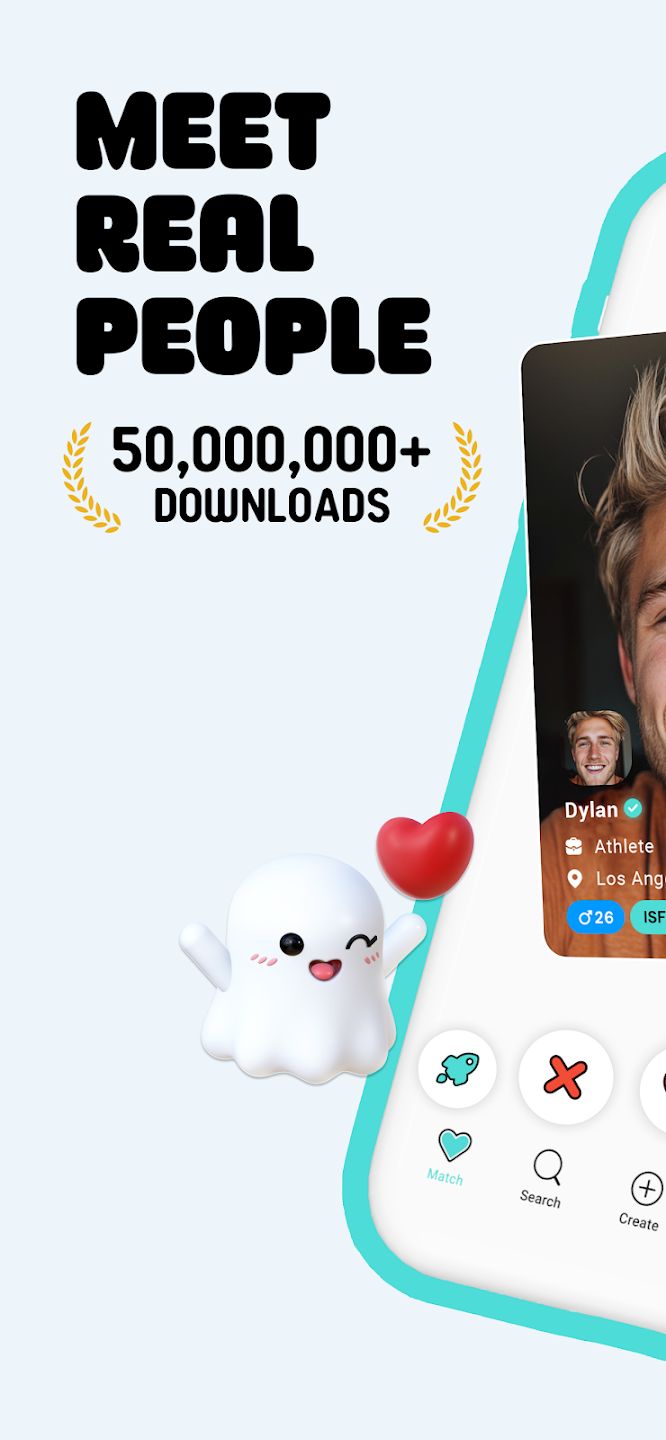
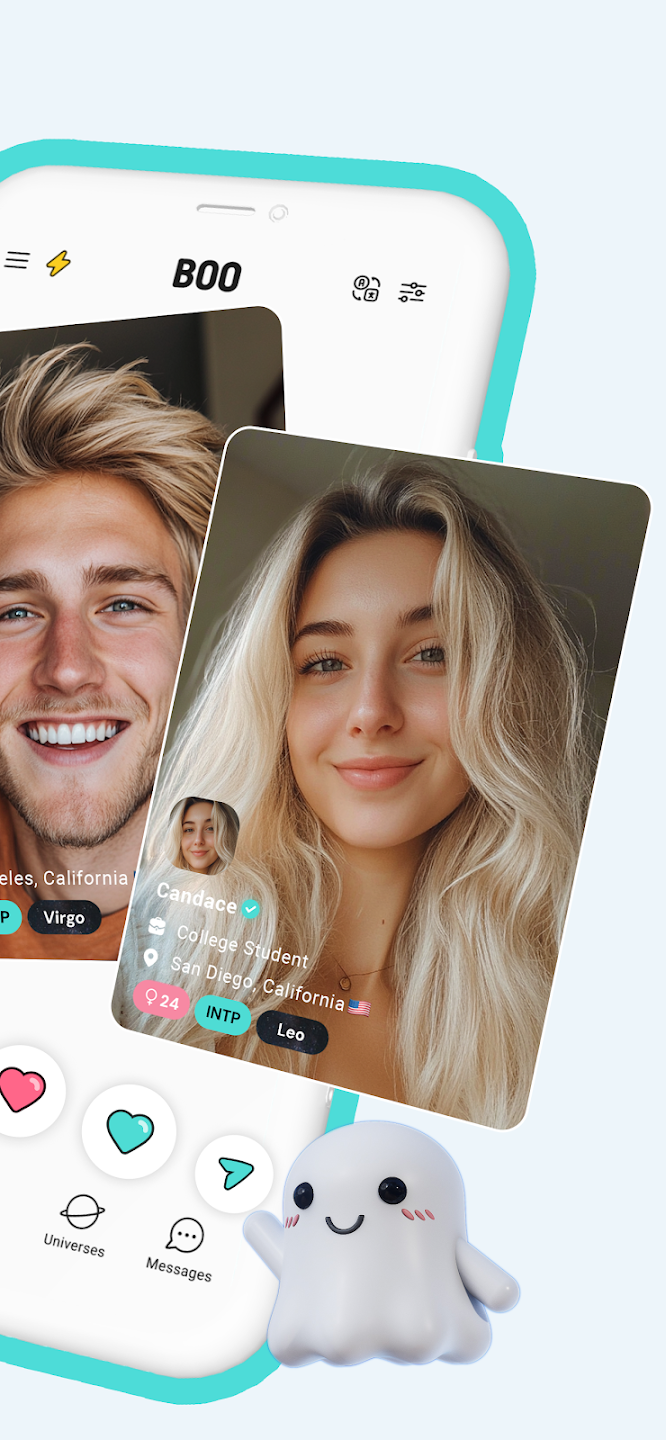
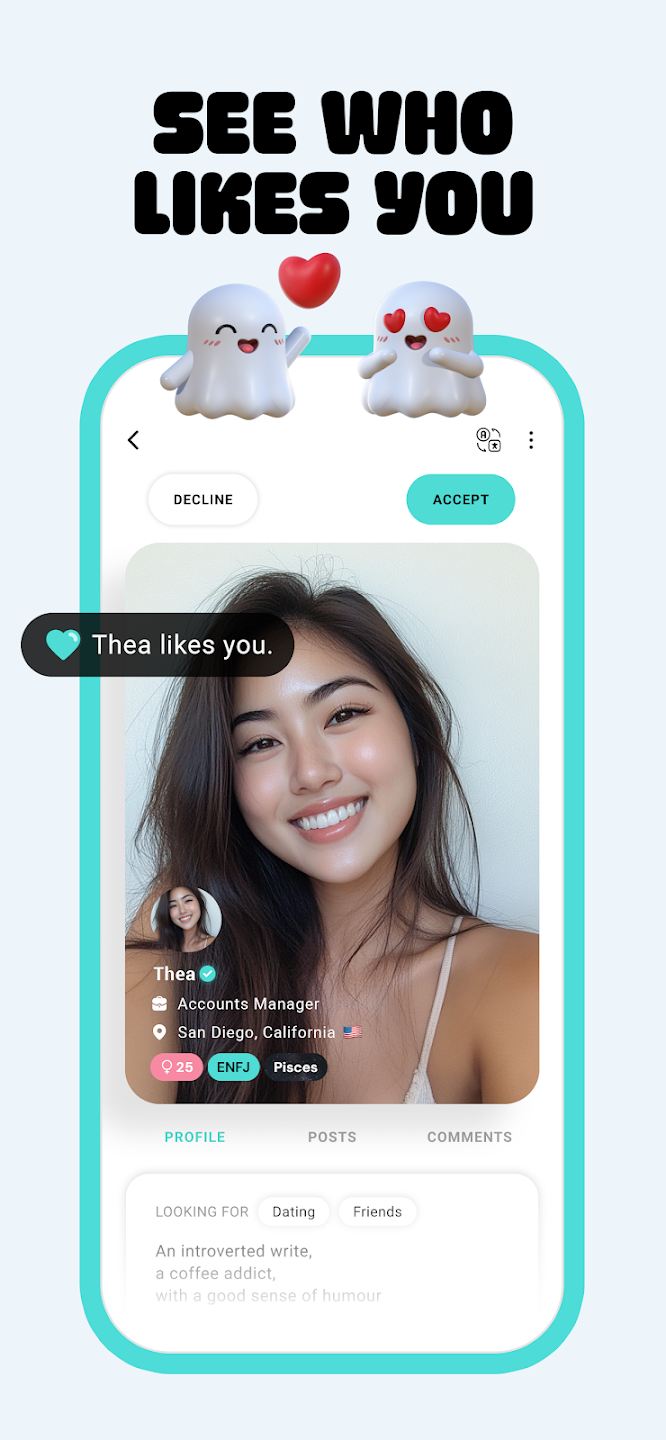
If you find yourself constantly drained by surface-level aesthetics and superficial introductory conversations, Boo offers a refreshing, psychologically grounded alternative.
-
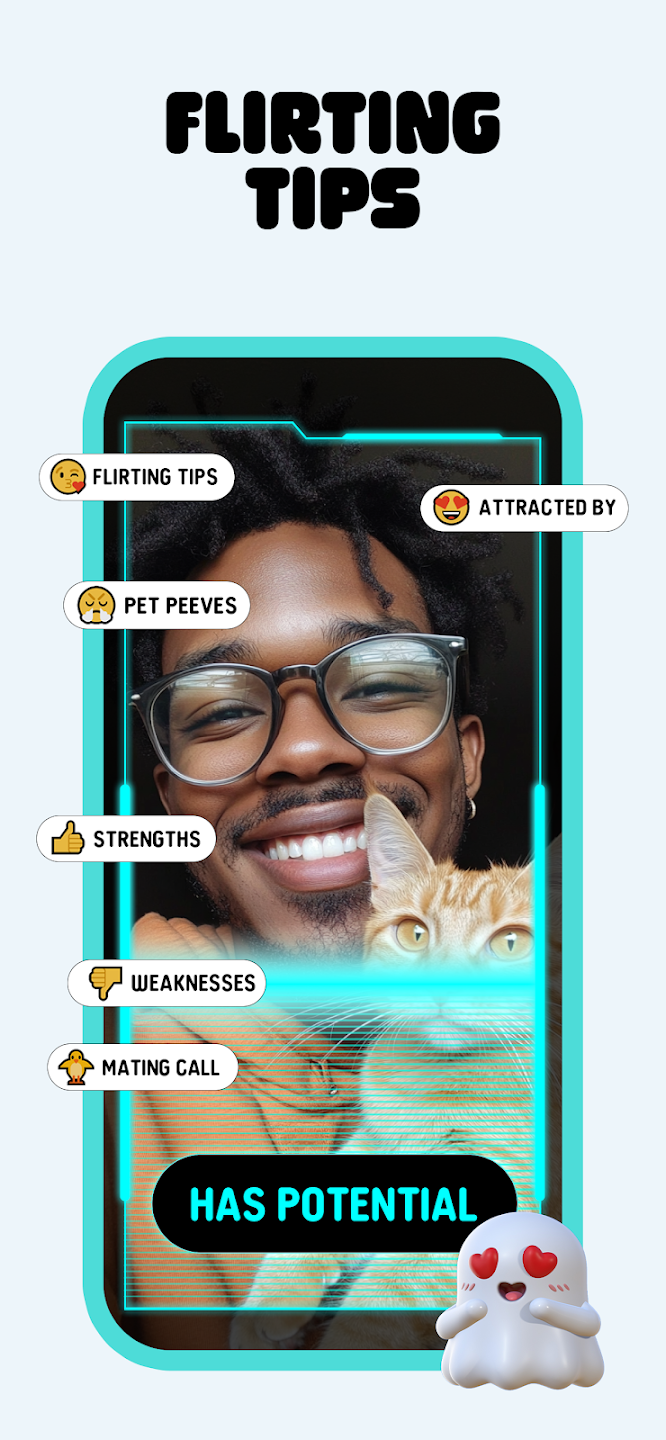
How it works: Boo integrates personality frameworks, such as the Myers-Briggs Type Indicator (MBTI) and deep interest charts, directly into its matchmaking algorithm. When you view a profile, the app displays a breakdown of your calculated psychological compatibility, potential communication styles, and areas where your perspectives might naturally align or clash.
-
Why it wins: It completely shifts the focus from curated photos to raw personality dynamics. The platform includes dedicated discussion boards called “Universes,” where users can engage in deep, thematic text-based conversations regarding psychology, philosophy, niche gaming, or creative writing before ever deciding to connect directly.
-
Best for: Introverts, deep thinkers, and analytical minds who prioritize psychological compatibility over proximity.
Curated Dinner and Event Apps: Bridging the Digital-to-IRL Divide
One of the most prominent trends in 2026 is the rapid rise of “anti-swipe” applications. These platforms completely eliminate the prolonged, often exhausting digital messaging phase. Instead, they utilize complex backend algorithms to curate small-group, real-world social experiences, transforming the smartphone into a pure logistics coordinator.
Timeleft: Structured Dining with Strangers
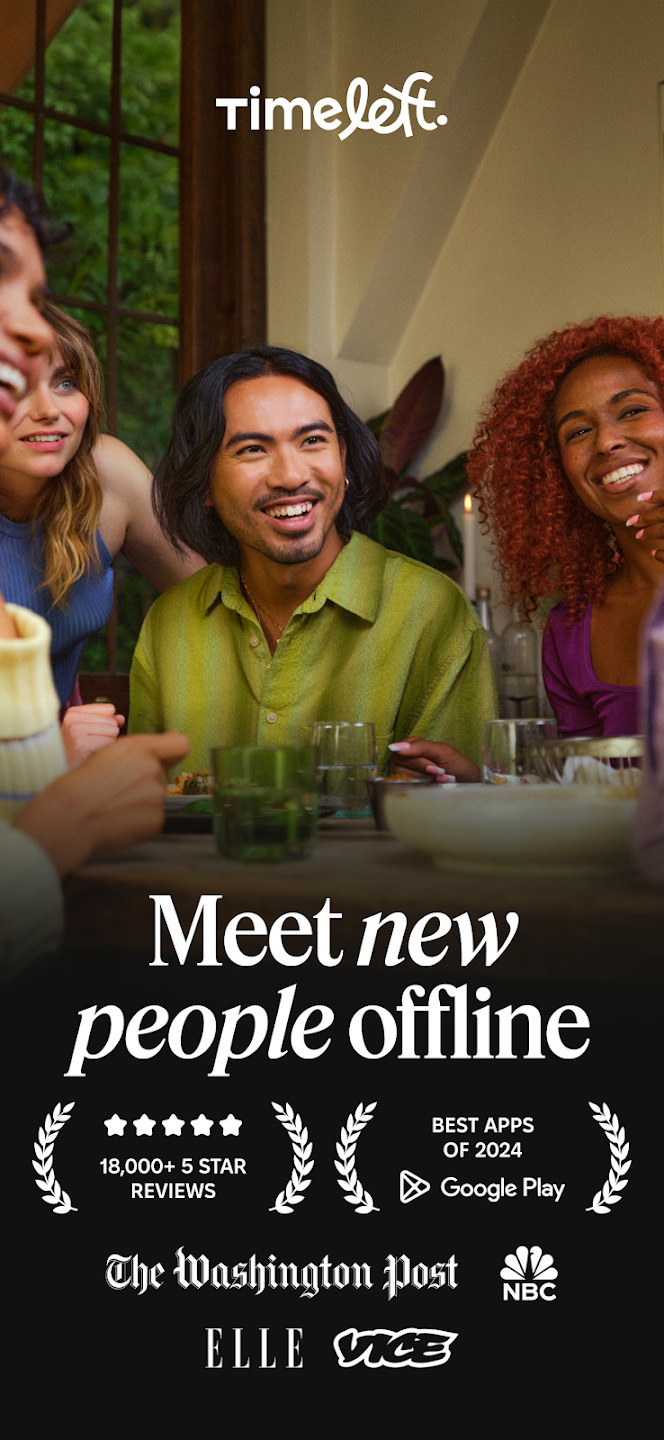
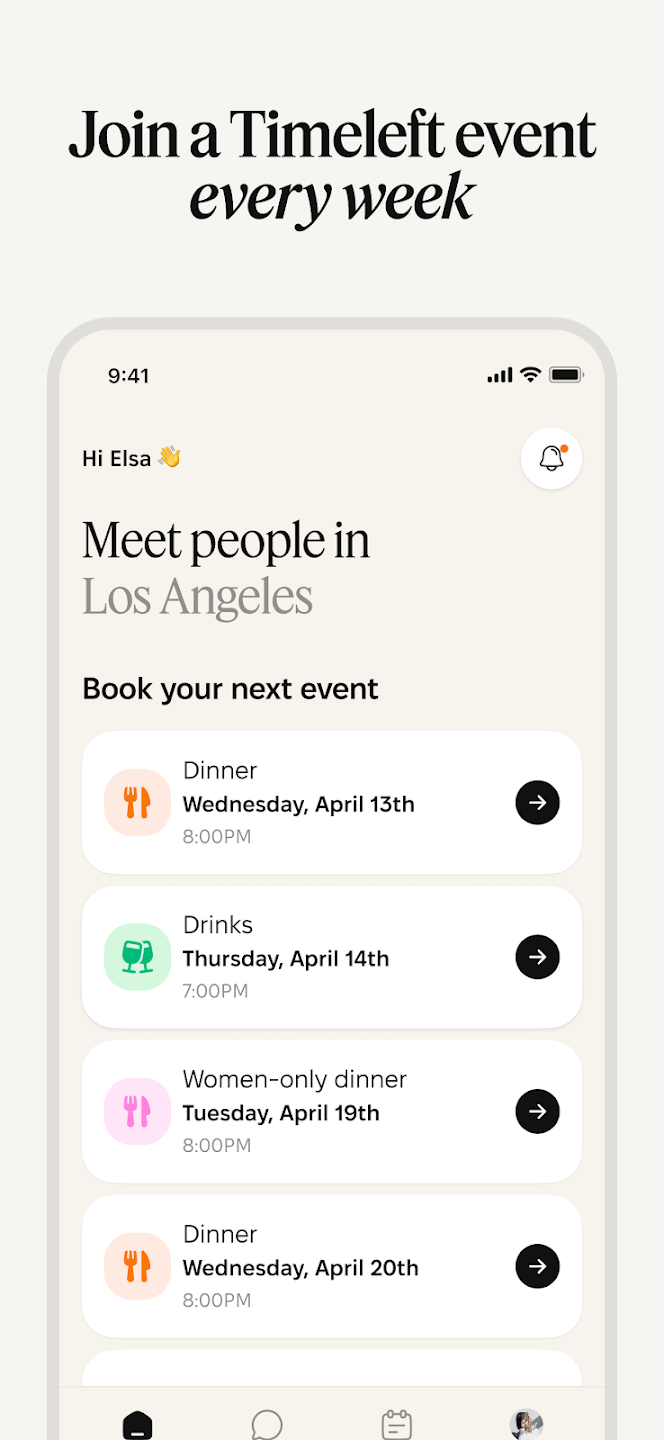
Operating seamlessly across dozens of global capitals and major cities, Timeleft has completely revolutionized how urban professionals expand their social circles. It treats dinner not just as a meal, but as humanity’s oldest and most reliable social lubricant.
-
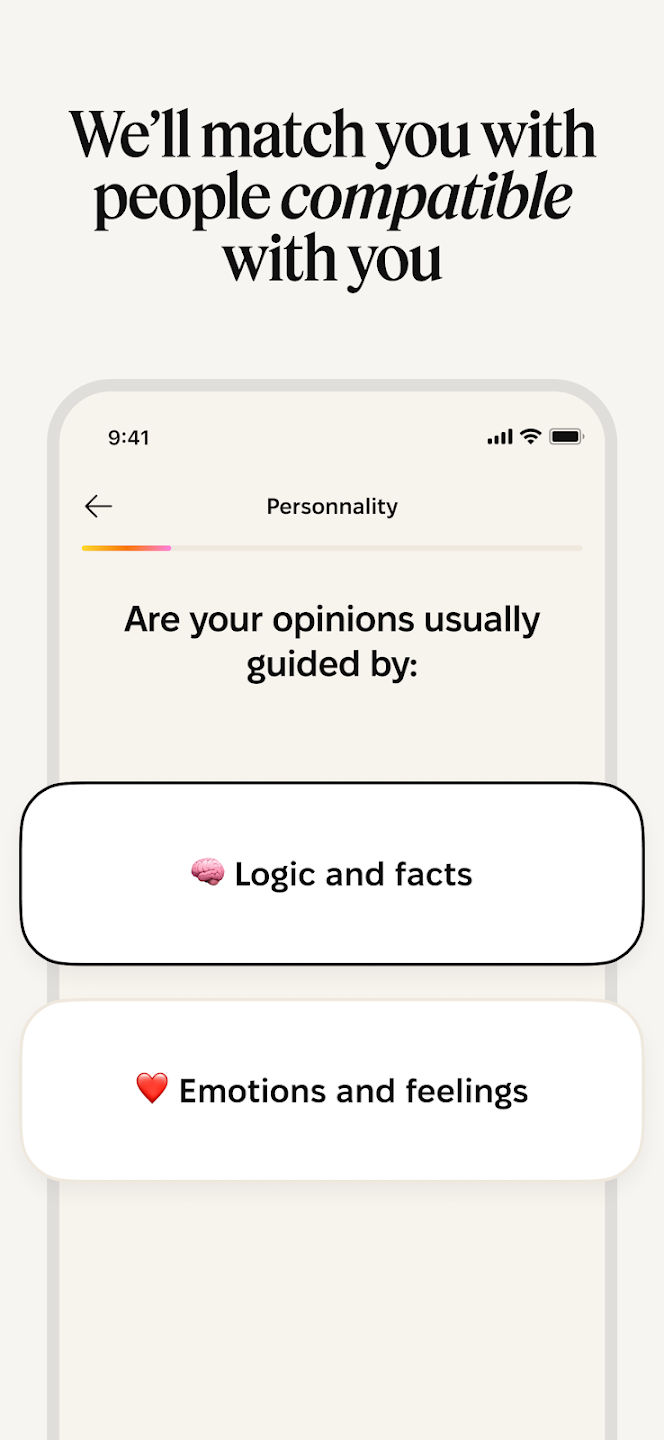
How it works: Upon downloading the app, you complete a comprehensive, non-invasive personality and values assessment. You then secure a seat for a weekly Wednesday evening dinner. The algorithm groups you with five other compatible strangers, makes a reservation at a vetted local restaurant, and handles the logistics.
-
The Experience: You only receive the location of the restaurant on the morning of the dinner, and you learn nothing about your tablemates until you arrive in person. The app acts as an invisible facilitator, providing fun icebreaker games and conversation prompts on your screen to keep the dialogue flowing naturally throughout the night.
-
Best for: Food lovers, busy professionals, and expats who want a completely hands-off, structured, and low-stress way to step directly into real-world group socializing.
The Weekend Club: The Premier Brunch and Collaboration Network

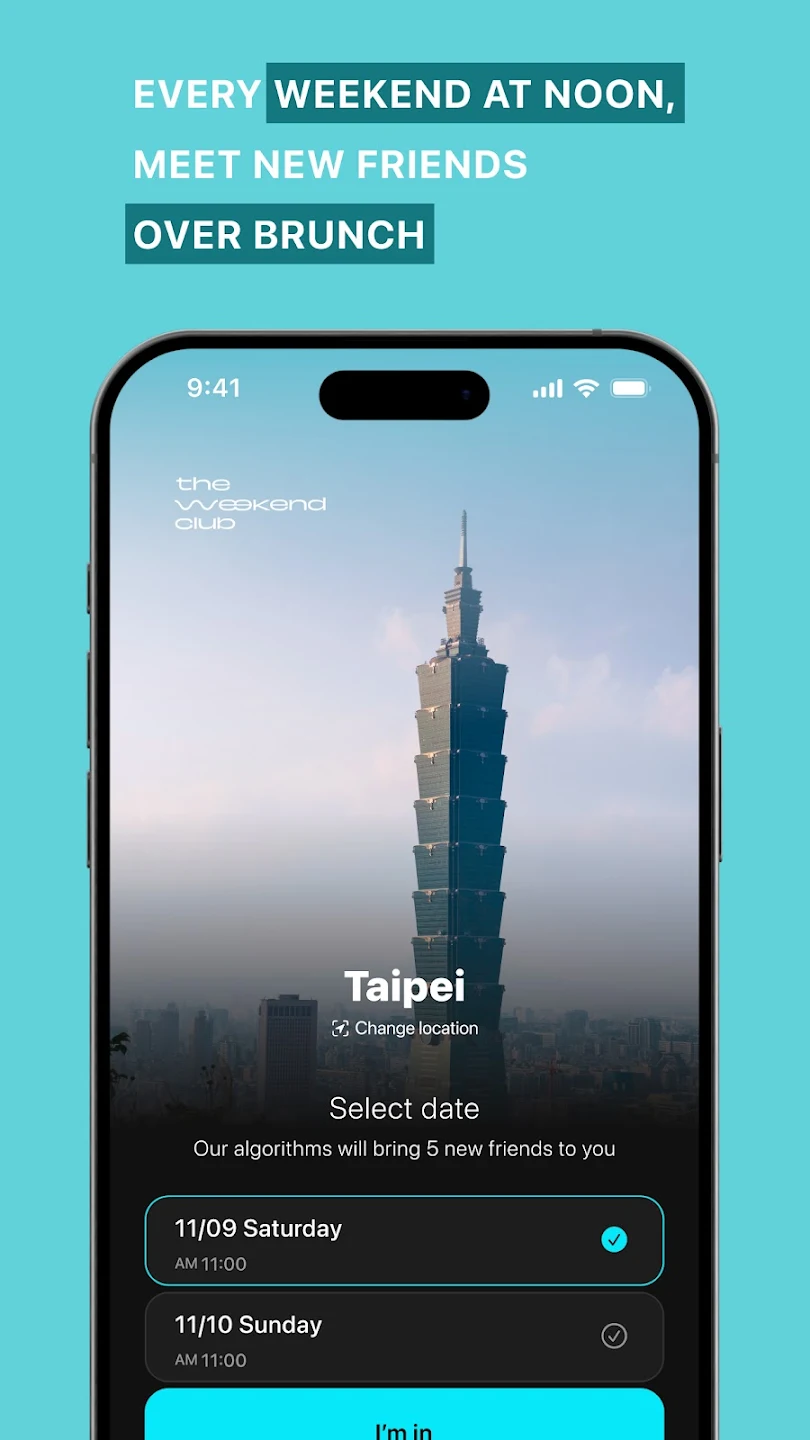
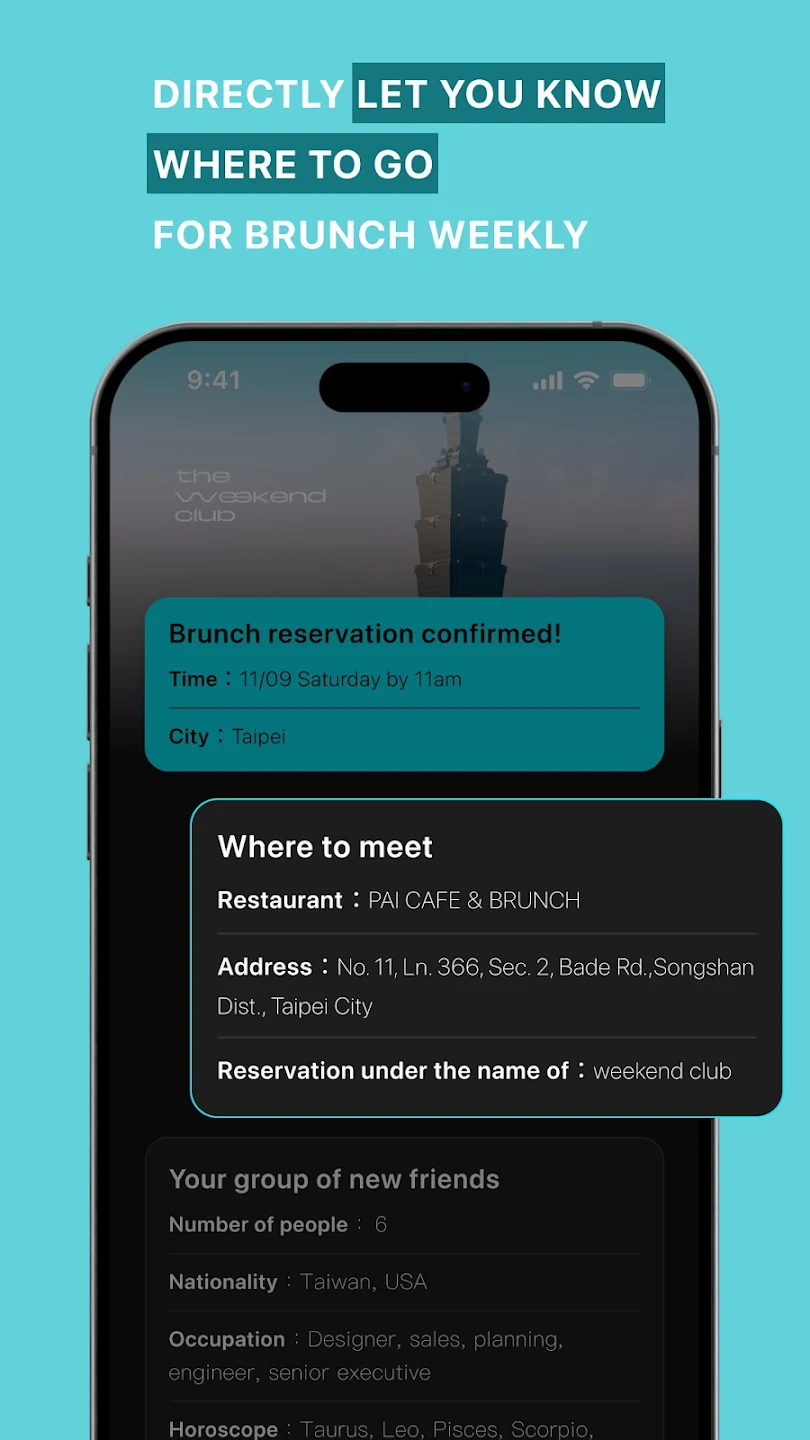
While Timeleft dominates the casual weekday dinner market, The Weekend Club has firmly established its position as the ultimate weekend social ritual for creators, entrepreneurs, remote workers, and deep thinkers.
-
How it works: Utilizing verified identity checks and community feedback loops, The Weekend Club groups six highly compatible individuals together for curated weekend brunches.
-
Why it works: The platform’s proprietary matching system doesn’t just look at basic hobbies; it looks at professional ambitions, creative pursuits, and intellectual interests. It aims to spark collaborative, high-cohesion tables where conversations naturally shift from lifestyle topics to innovative concepts, shared ventures, and authentic lifelong friendships. Furthermore, its strict anti-flake mechanics ensure that everyone who books a seat actually shows up.
-
Best for: Remote tech workers, founders, freelancers, and creative professionals looking for high-quality peer networks.
Interest-Based Community Apps for Building Natural Repetition
Sociological research consistently proves that adult friendships are rarely formed during a single, isolated interaction. Instead, they require consistent, repeated exposure over an extended period. The following platforms excel at creating recurring, activity-driven environments where connections develop organically.
Meetup: The Unrivaled Giant of Community Scaling
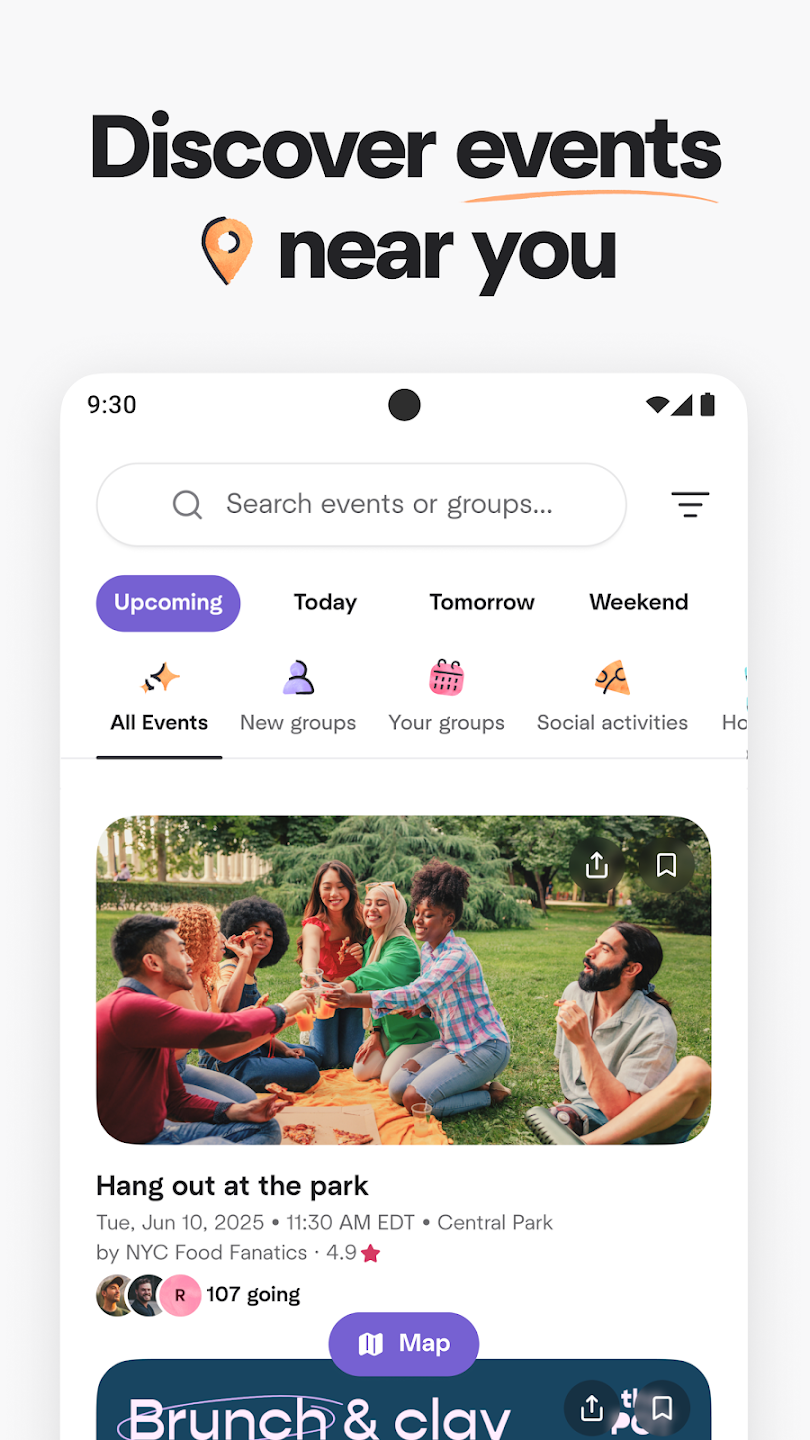
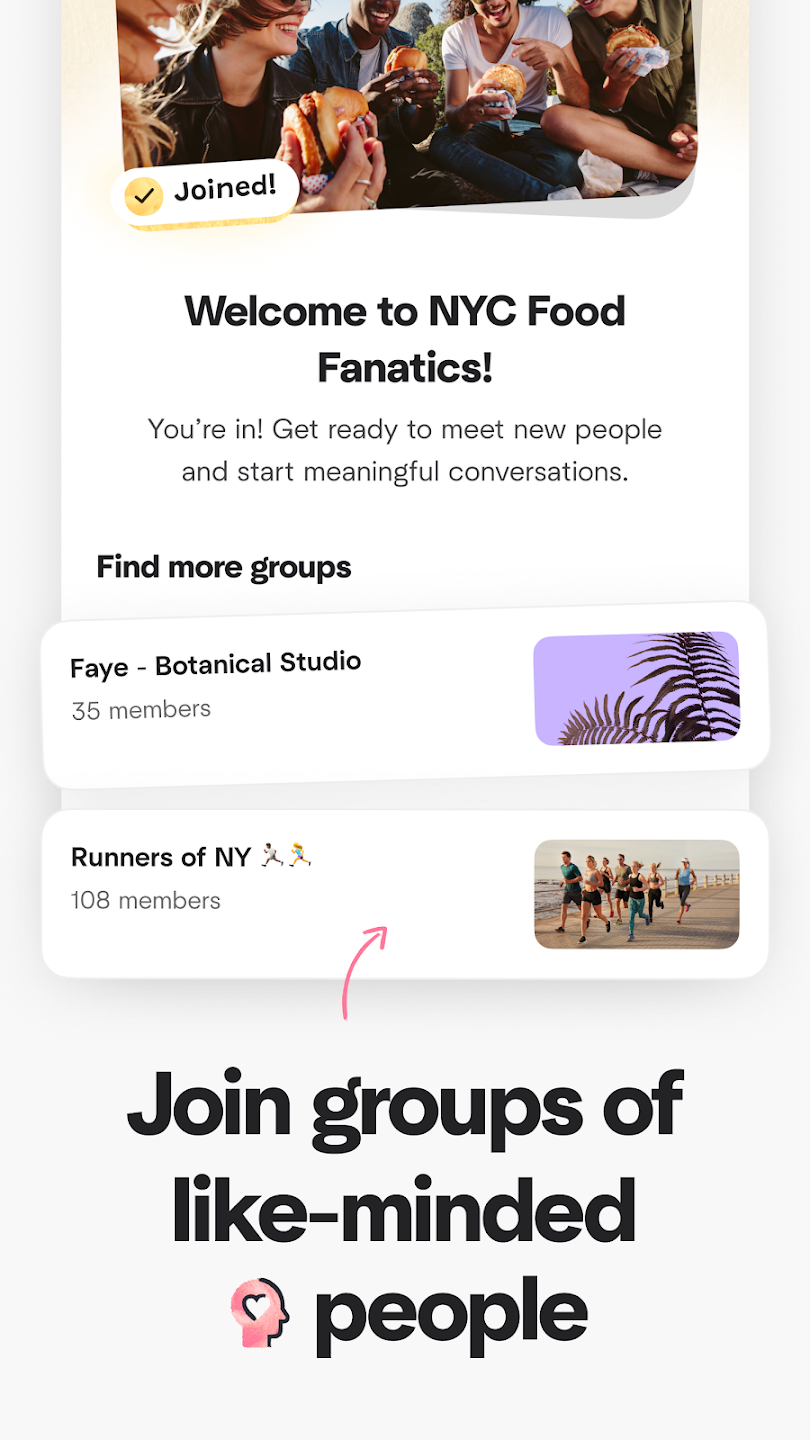
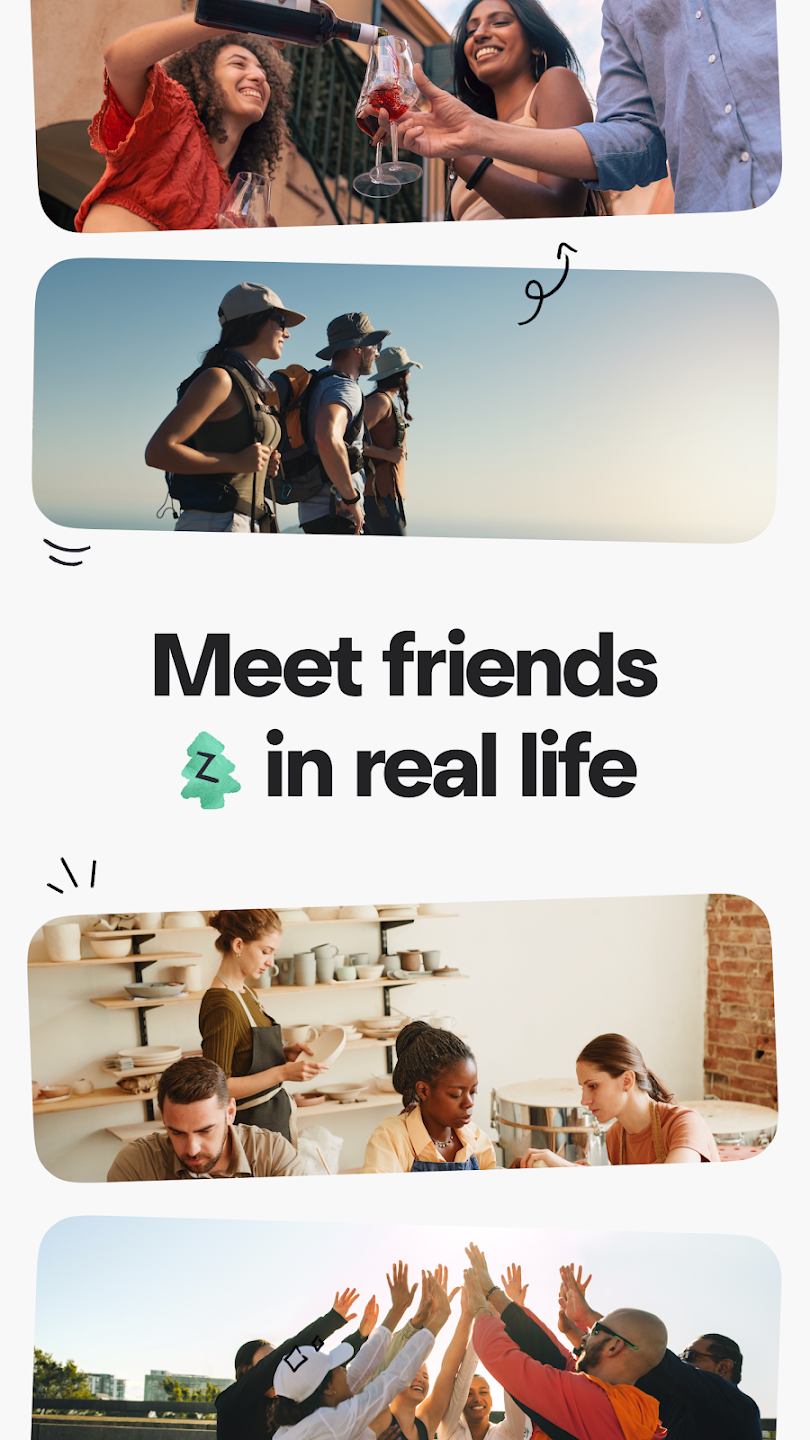
With a global network encompassing tens of millions of members, Meetup remains a fundamental cornerstone of the community-building space. Its structural model works because it eliminates the awkwardness of forced introductory small talk by placing a clear, engaging activity at the absolute center of the interaction.
-
How it works: Users browse an extensive, localized directory of public groups organized around specific passions—ranging from amateur astronomy and language exchanges to trail running, coding boot camps, and pottery workshops.
-
Why it wins in 2026: Meetup has heavily optimized its event scheduling algorithms and local calendar integrations. It emphasizes consistent, recurring schedules (e.g., a weekly Tuesday night trivia group or a bi-weekly Sunday morning hiking crew). By attending the exact same group repeatedly, you naturally build familiarity with a core group of regulars, allowing authentic friendships to blossom without pressure.
-
Best for: Hobbyists, fitness enthusiasts, and anyone who prefers socializing while actively doing an activity they already love.
222: Spontaneous Urban Group Gatherings

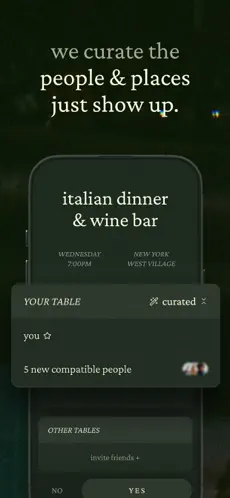
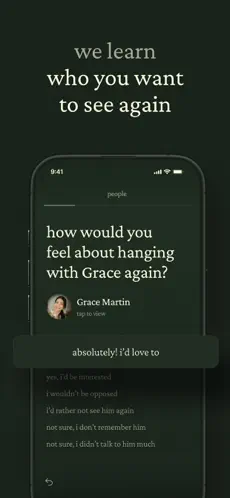
Positioned as a highly dynamic, experiential alternative to legacy community boards, 222 focuses heavily on spontaneous real-world group encounters within major cultural hubs.
-
-
How it works: Instead of joining permanent, long-term clubs, you simply input your current availability and general atmospheric preferences. The app’s engine automatically curates a single, distinct real-life experience—such as an intimate local gallery viewing, a hidden speakeasy tasting, or an outdoor park gathering—and pairs you with a carefully selected group of local peers for that specific event.
-
Best for: Adventurous urbanites who love spontaneous weekend plans and discovering hidden gems in their city alongside new people.
-
The Best Specialized Social Apps for Niche Demographics and Life Stages
Major shifts in life circumstances often require a completely fresh approach to building a social support system. When generalized apps feel too broad, highly specialized, demographic-specific applications provide immediate access to peers navigating the exact same life transitions.
Peanut: The Essential Support Network for Mothers
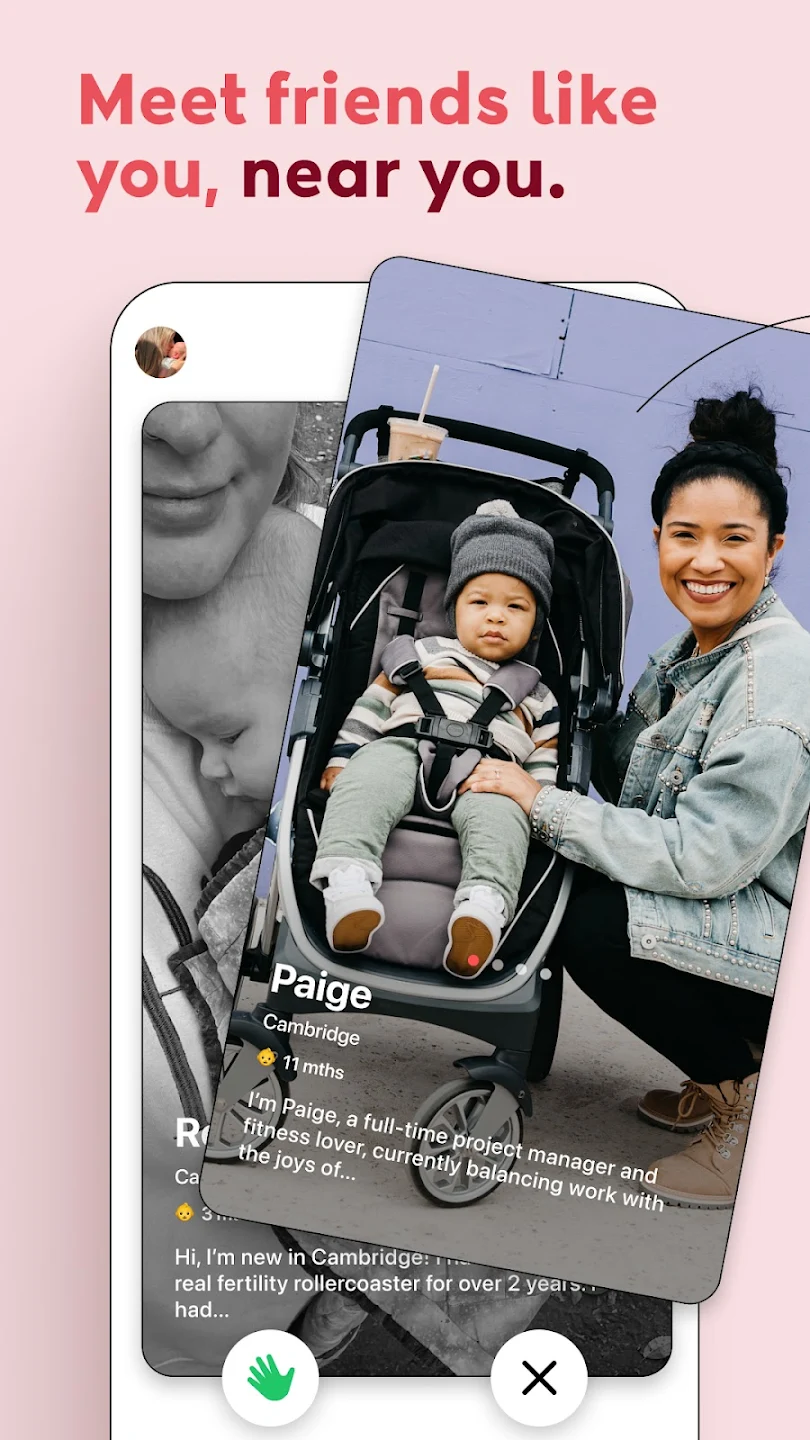
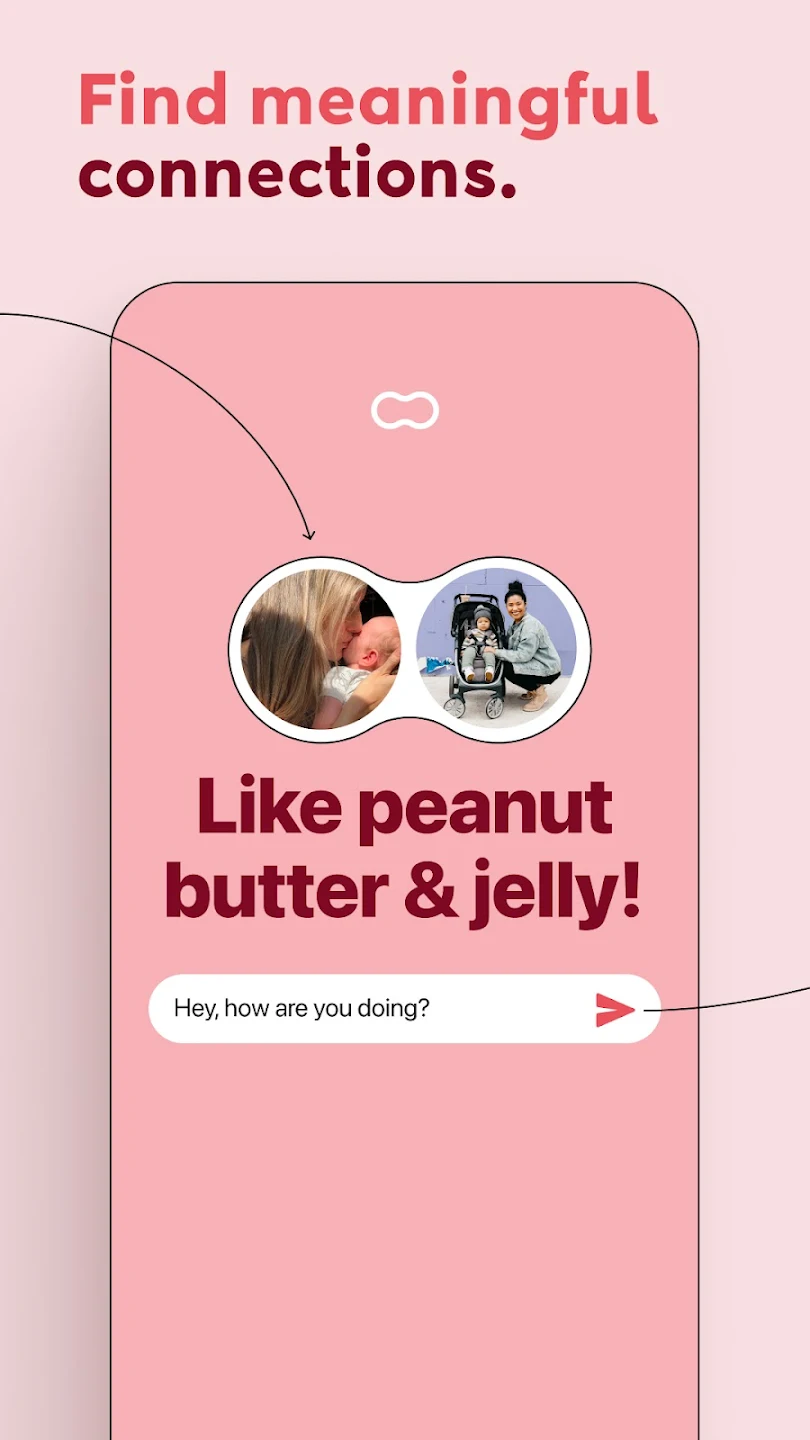
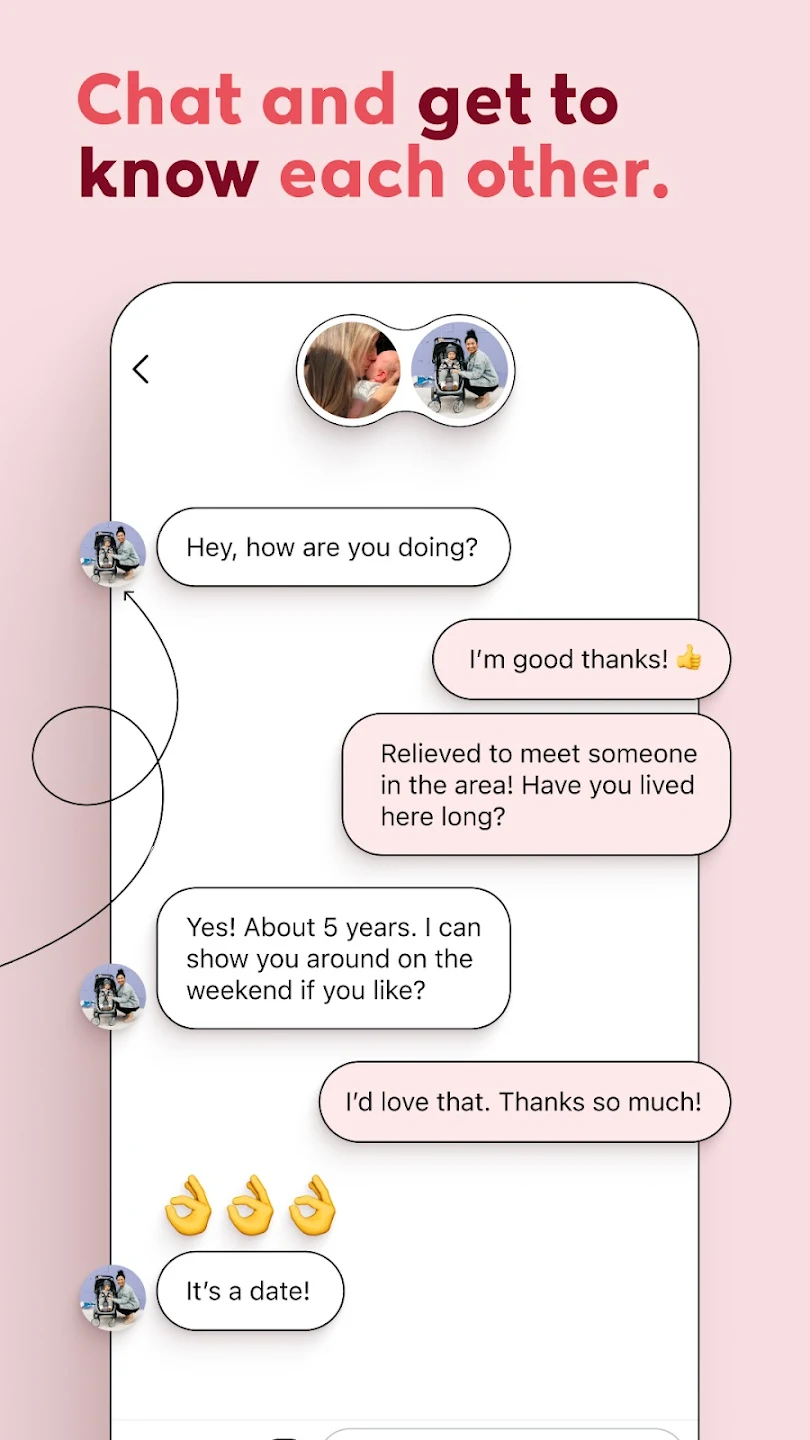
The transition into parenthood can occasionally feel isolating, especially if your pre-existing social circles are not currently sharing the same reality. Peanut was built specifically to address this vulnerability, providing a safe, strictly moderated digital space for women.
-
How it works: Peanut matches mothers and expecting parents based on geographical proximity, parenting philosophies, and the specific age groups of their children.
-
The Ecosystem: Beyond basic one-on-one matching for playdates, the platform serves as a comprehensive digital community center. It hosts active community forums, expert-led audio rooms, and local support pods discussing everything from fertility journeys and pregnancy to postpartum mental wellness, sleep training, and navigating the toddler years.
-
Best for: Mothers, pregnant women, and parents seeking an empathetic, judgment-free support network.
Lunchclub: AI-Driven Professional Networking with a Platonic Edge
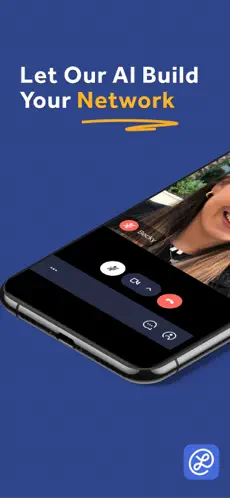
While technically classified as a professional networking tool, Lunchclub has earned a massive following among individuals seeking intellectually stimulating friendships that transcend basic corporate networking.
-
How it works: The platform utilizes an AI matching engine to schedule structured 45-minute, one-on-one video calls or in-person coffee meetings between professionals based on their long-term career trajectories, industry insights, and mutual intellectual curiosities.
-
Why it translates to friendship: Because the algorithm filters for deep, structural compatibility rather than transactional sales pitches, users frequently discover that their Lunchclub matches evolve into long-term personal friendships, mentorships, and creative partnerships.
-
Best for: Founders, remote workers, freelancers, and ambitious professionals looking to connect with brilliant minds.
Gamified and Voice-First Platforms Redefining Socialization for Gen Z
For the younger demographic of digital natives, the conventional layout of bios and static photo grids can often feel incredibly rigid and formal. The leading edge of 2026 social design embraces voice-first interactions, customized digital identities, and gamified icebreakers.
Bubblic: The Visual-Free, Voice-First Revolution
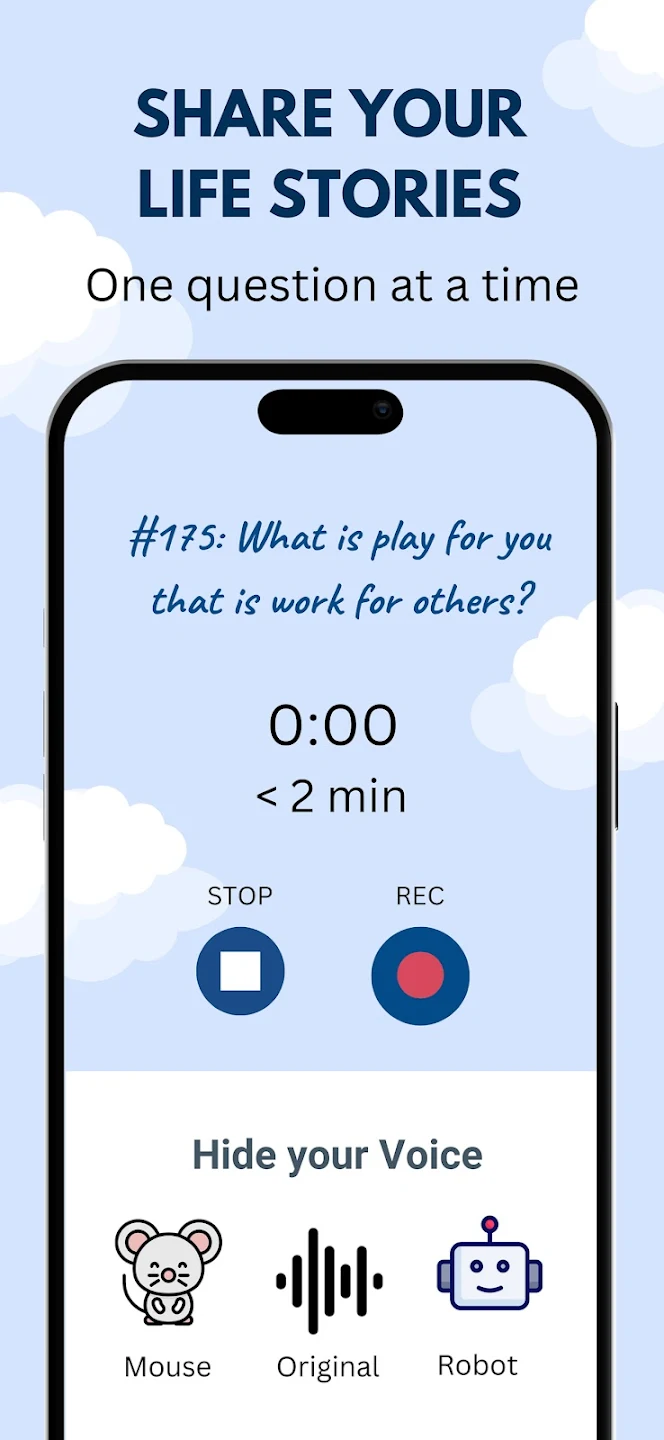
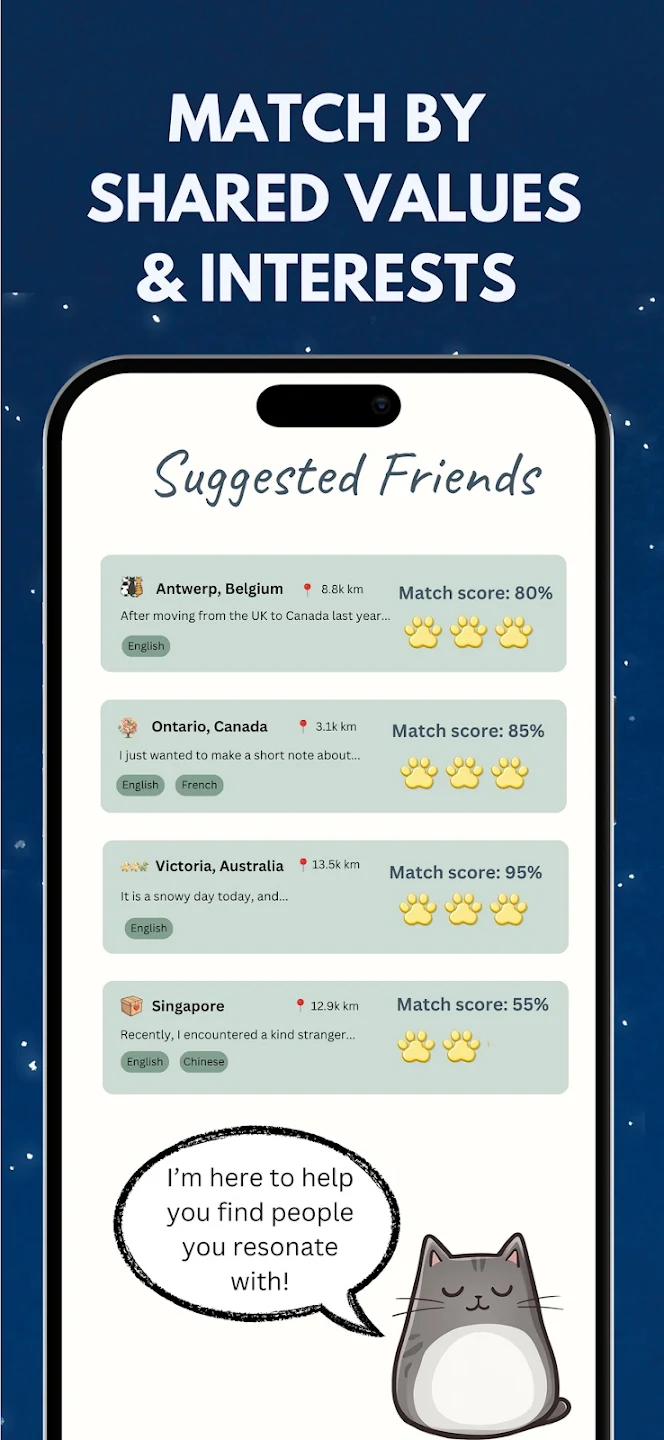
Bubblic has captured massive market share by taking a radical, uncompromising stance against contemporary swipe culture. On Bubblic, there are no profile photos, no carefully edited aesthetic bios, and absolutely no swiping.
-
How it works: Every single day, the platform releases a thought-provoking, creative conversation starter. Users record a brief, anonymous voice message containing their honest answer.
-
The Mechanics: You browse through the vocal responses of other local users, listening to the tone, inflection, humor, and depth of their voices. If a particular recording resonates with you, you can request a voice-chat connection. Photos and text options are unlocked only after a consistent, multi-day verbal conversation has been maintained, ensuring that early bonds are forged entirely on substance, voice energy, and authentic articulation.
-
Best for: Deep introverts, privacy-conscious individuals, and anyone exhausted by superficial, look-based matching apps.
Slowly: Bringing Back the Art of the Pen Pal
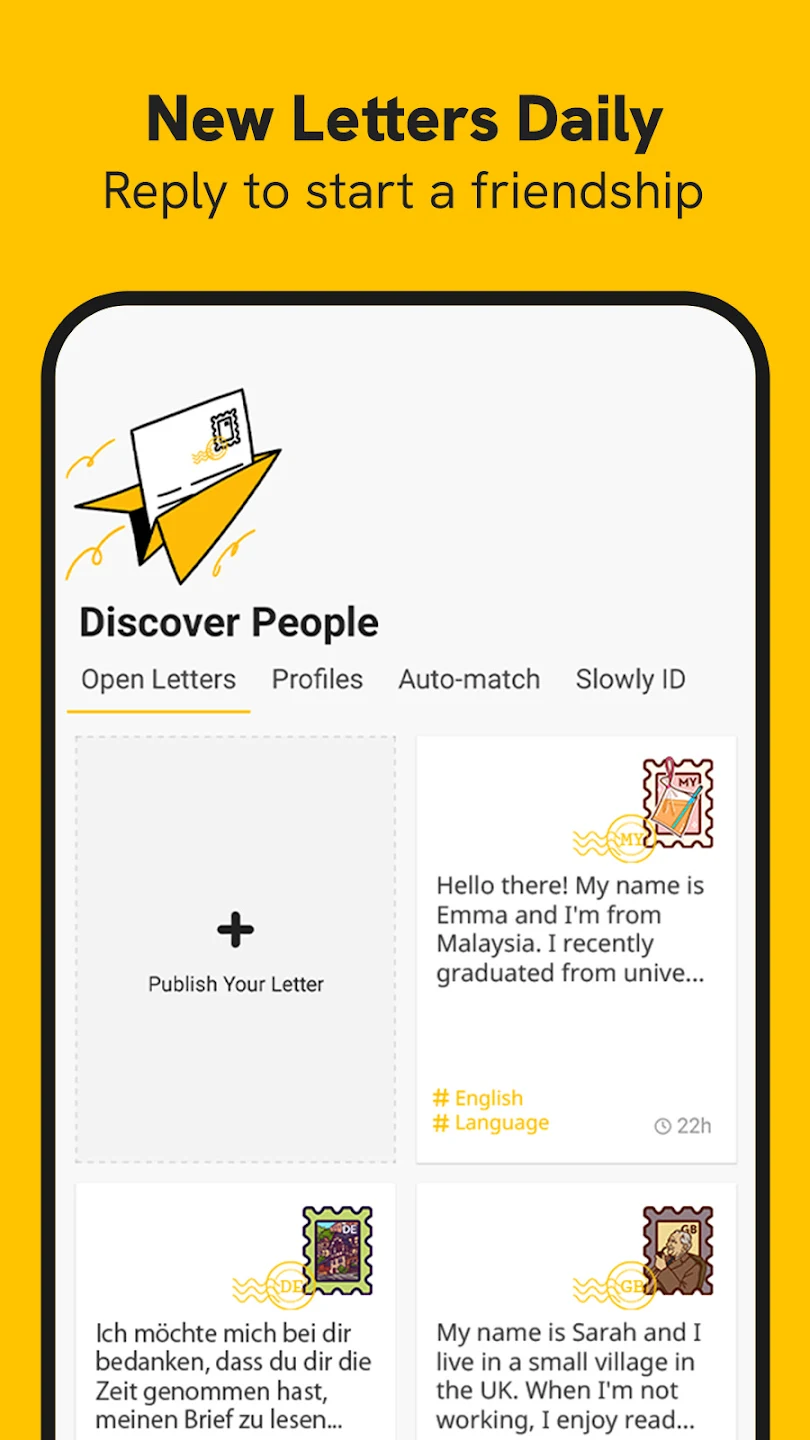
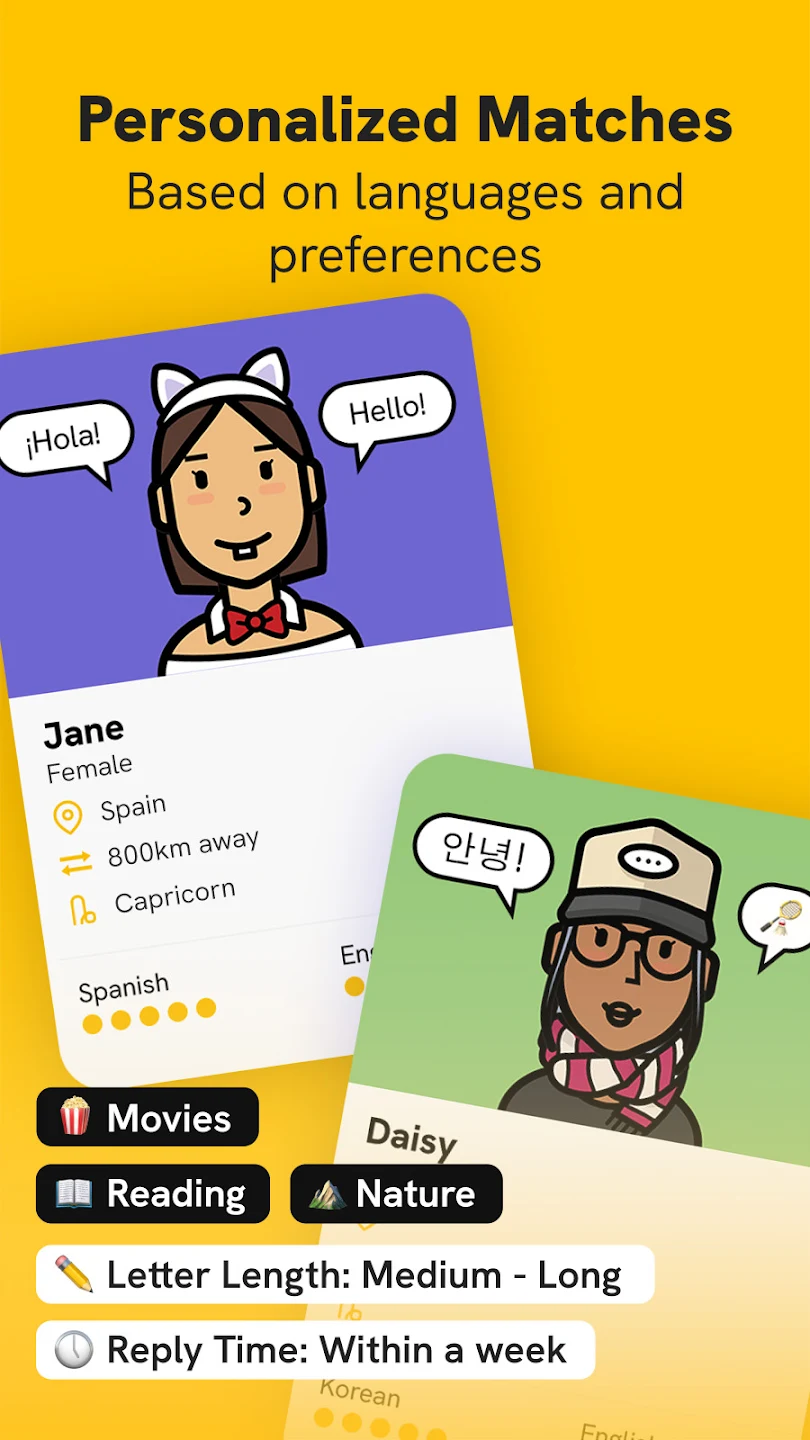
In an era dominated by instant validation and rapid-fire messaging, Slowly provides a beautifully deliberate, asynchronous alternative that celebrates slow, thoughtful communication.
-
How it works: Users create a profile utilizing stylized digital avatars and select their areas of interest. You then compose a traditional, long-form letter to another user somewhere across the country or around the globe.
-
The Core Twist: The app artificially delays the delivery of your message based on the actual physical, geographical distance between you and the recipient. A letter sent to someone a few states over might take several hours to arrive, while an international letter could take days. This deliberate delay completely removes the pressure of real-time chatting, encouraging users to write deep, meaningful, journal-style letters.
-
Best for: Writers, language learners, and patient romantics who value deep, long-form written correspondence over instant text exchanges.
A Quick-Glance Comparison: Choosing the Best App for Your Social Style
To help you decide which platform perfectly aligns with your personal goals, schedule, and social preferences, we have synthesized the core attributes of the top 2026 contenders into a comparative overview:
| Application Name | Core Format / Strategy | Primary Target Vibe | Pricing Model | Ideal User Type |
| Bumble For Friends | Profile Swiping & Local Circles | Casual, High-Volume, Flexible | Free with Premium Tiers | People in major cities wanting quick local connections. |
| Timeleft | Curated 6-Person Strangers’ Dinners | Structured, Food-Centric, Direct IRL | Per-Seat Fee or Subscription | Busy professionals who want to skip online chatting. |
| Meetup | Large Interest-Based Group Events | Active, Hobby-Driven, Consistent | Free for Attendees | Extroverts or hobbyists seeking a routine routine. |
| The Weekend Club | AI-Matched 6-Person Brunches | Collaborative, Intellectual, High-Trust | Application & Seat Fee | Creators, remote workers, and entrepreneurs. |
| Boo | Personality Frameworks (MBTI) & Forums | Analytical, Theoretical, Intimate | Free with Paid Upgrades | Introverts seeking deep psychological alignment. |
| Bubblic | Photo-Free Voice Recordings | Authentic, Vocal, Substance-First | Free | Privacy-focused users tired of look-based swiping. |
| Peanut | Local Demographic Matching & Pods | Empathetic, Parental Support | Free | Mothers and expecting parents seeking community. |
| Slowly | Asynchronous Delayed Letter Delivery | Deliberate, Deep, Written Pen-Pal | Free with Cosmetic Purchases | Anyone who enjoys long-form writing without urgency. |
How Long Does It Take to Turn an App Connection Into a Real Friend?
When navigating these applications, it is incredibly important to manage your expectations and understand the underlying cognitive science behind human bonding. A common point of frustration for many app users is realizing that a fantastic initial match or an incredible group dinner doesn’t immediately translate into a reliable, long-term best friend.
A landmark sociological study conducted by Professor Jeffrey Hall highlights the exact transactional cost of human connection in terms of time investment. The data reveals that friendship formation requires a significant, predictable investment of shared hours:
The Friendship Time Investment Scale:
Casual Friend: Requires roughly 50 hours of shared, conscious exposure.
Genuine Friend: Requires approximately 90 hours of consistent interaction.
Close/Best Friend: Requires 200 or more hours of deep, vulnerable, and multi-contextual shared experiences.
What does this mean for your digital strategy in 2026? It means that downloading the app is merely the initial catalyst. The app handles the complex hurdle of introduction, filtering out the noise and showing you who is available nearby. However, the heavy lifting happens after the download.
To turn a match into a true fixture of your life, you must transition the relationship into a consistent routine. Do not just meet once for coffee and let the connection fade into your chat archives. Suggest a recurring weekly activity, invite them into your existing routines, or use platforms like Meetup or Bumble Circles to establish a predictable, repeatable rhythm of shared experiences.
Digital Safety Guidelines: How to Meet Strangers Safely Offline
Every platform featured in this guide maintains strict compliance with digital security standards and incorporates robust moderation frameworks to filter out bad actors, automated bots, and deceptive profiles. However, when transitioning any digital connection into a physical, real-world setting, practicing sound personal safety habits remains absolutely paramount.
-
Verify the Profile First: Whenever possible, prioritize platforms that require biometric face-verification badges. If you match with someone on an application that lacks this feature, do not hesitate to suggest a brief video call or a quick exchange of voice notes within the app before arranging an in-person hangout.
-
Always Choose a Neutral Public Space: For your first several meetups, completely avoid private residences, isolated locations, or unfamiliar private vehicles. Opt for bustling, well-lit public environments with high foot traffic—such as established coffee shops, popular local restaurants, public museums, or busy daytime parks.
-
Communicate the Plan to an External Contact: Before leaving for your meetup, inform a trusted friend, family member, or roommate of your exact itinerary. Share the name of the individual or group you are meeting, the specific location of the venue, and your expected return time.
-
Secure Independent Transportation: Always arrange your own transportation to and from the initial meeting venue. Avoid letting a new connection pick you up from your residence or coordinate your ride home until a deep foundation of mutual trust and verifiable familiarity has been firmly established over multiple separate hangouts.
-
Keep Financial Transactions Transparent: Be incredibly cautious of any digital connection who, prior to meeting or early in the friendship, introduces complex financial stories, requests emergency monetary transfers, or pressures you into specific high-cost investments. Real friendships are built on shared experiences and emotional equity, never transactional financial requests.
Building Your 2026 Social Routine
The landscape of 2026 offers an incredibly diverse, highly sophisticated array of digital tools designed to fit every unique personality archetype, lifestyle schedule, and emotional boundary. If you prefer structured, efficient real-world dining experiences, platforms like Timeleft or The Weekend Club provide seamless entries into your local community. If you prefer activity-based organic growth, Meetup remains a powerful, reliable engine for repetitive exposure. For those craving artistic or psychological depth, Boo and Bubblic offer incredibly beautiful, introspective alternatives to the traditional swipe.
The absolute best way to maximize your success is to choose one or two platforms that align naturally with how you prefer to communicate, create an authentic profile that highlights your true passions without filtering your unique quirks, and commit to a consistent routine of showing up. Human connection is readily available—you simply need to select your gateway and take that rewarding first step.