What Personal Information Should Never Be Shared on Dating Apps?
See which details scammers often look for when targeting dating app users
Dating apps have revolutionized the way we meet people, turning the daunting process of finding a partner into a few swipes on a screen. However, this convenience comes with a significant trade-off: in the world of online dating, you are often sharing intimate details of your life with complete strangers. While being open and authentic is a natural part of building a connection, there is a fine line between transparency and oversharing.
In the digital world, “oversharing” isn’t just about being awkward; it can be a genuine security risk. Cybercriminals, stalkers, and scammers frequently scour dating platforms looking for individuals who provide enough information to be exploited.
This guide outlines exactly what you should never share on a dating app, why privacy is your best wingman, and how to maintain healthy boundaries while looking for love online.
The Risks of Oversharing: Why Privacy Matters

Before we look at the “do not share” list, it is vital to understand why these boundaries are necessary. When you share personal information, you are creating a map that bad actors can use to:
-
Perform Identity Theft: A name, date of birth, and email address are often all a hacker needs to start impersonating you.
-
Stalk or Harass: Revealing your place of work or your specific neighborhood makes it easy for an unhealthy match to locate you in the physical world.
-
Targeted Phishing: Scammers can use details from your life (like your job title or university) to craft highly personalized, believable scams designed to extract money or further data.
Online dating should be a fun experience, but safety is the foundation. By guarding your personal details, you aren’t being “suspicious”—you are being smart.
1. Never Share Your Full Home or Work Address
This should be rule number one. While you might want to share your general neighborhood to see if you live nearby, you should never provide your exact street address or the name of your specific office building.
The Danger:
If someone knows exactly where you live, you lose the safety buffer that anonymous dating provides. If a date goes wrong, or if the person turns out to be toxic, you don’t want them to have the ability to show up at your doorstep.
The Solution:
If you are planning to meet, agree to meet in a public, neutral location—a coffee shop, a restaurant, or a park. Keep the “location vetting” vague until you have established a high level of trust over several months.
2. Keep Your Financial Information Under Lock and Key
This seems obvious, but people are tricked into sharing financial details every single day. Never share bank account details, your credit card number, or—crucially—information about your investments or large assets.
The Danger:
Financial predators look for “targets” on dating apps. If you mention that you are a business owner, a high-level executive, or someone with a large inheritance, you move to the top of their list. They may use emotional manipulation (the “romance scam”) to eventually ask you for “help” with an investment or a financial emergency.
The Solution:
If the conversation ever shifts to money, investments, or crypto, end the conversation immediately. No legitimate romantic partner will ask you for money or financial advice on a dating app.
3. Avoid Sharing Your Specific Daily Routine
We all love to talk about our lives, but describing your exact schedule can be dangerous. Phrases like, “I usually get off work at 5:00 PM and go to the gym on 5th Street every Tuesday and Thursday,” are essentially a roadmap for a stalker.
The Danger:
Predictable routines make it incredibly easy for an ill-intentioned person to “accidentally” run into you. This creates a false sense of coincidence that can be used to manipulate you.
The Solution:
Keep your schedule vague. Instead of giving a play-by-play, say, “I usually like to hit the gym after work,” or “I’m pretty busy during the week but free on weekends.”
4. Don’t Link Your Social Media Accounts Directly
Many dating apps offer the option to link your Instagram or Spotify. While this can help show your personality, be cautious.
The Danger:
If your Instagram or Facebook profile is public, someone can go from your dating profile to your entire life. They can see photos of your house, your family, your workplace, and your friend group. This allows them to build a detailed dossier on you that goes far beyond what you intended to share.
The Solution:
If you choose to link social media, ensure your accounts are set to Private. Regularly audit who can see your posts and who follows you. If you don’t need the link, don’t use it.
5. Be Careful with Your Phone Number
Giving out your phone number is often the “next step” in moving a conversation off the app. However, your phone number is linked to so many accounts (banking, social media, recovery emails) that it is a high-value target.
The Solution:
Use a “burner” number app, such as Google Voice, to communicate until you have verified the person is who they say they are. This keeps your personal number private until you are ready to move to a deeper level of trust.
6. Your Full Name (Until You’re Ready)
In the beginning, stick to your first name. While it’s easy to find someone’s last name through a quick internet search, you don’t need to hand it to them on a silver platter.
The Danger:
With your full name, a determined individual can find your home address via property records, your LinkedIn profile, and potentially your family members’ social media profiles.
Deep Dive: How Scammers Manipulate Information
It is important to understand that the information you share isn’t just used against you in a vacuum; it’s used to build a profile. This process is known as OSINT (Open-Source Intelligence).
If you share that you went to a specific high school, follow a specific local sports team, and work at a specific hospital, a scammer can synthesize this into a “fake persona” that matches your interests perfectly. They become the “perfect match” because they have used the information you provided to curate their own lies.
Signs You Are Being Manipulated:
-
The “Mirroring” Effect: The person seems to have the exact same hobbies, childhood memories, and career struggles as you. This is often an attempt to build artificial rapport.
-
The “Moving Too Fast” Trap: They want to move off the app to WhatsApp or Telegram immediately, and they want to share photos and personal details within minutes.
-
The “Secret” Angle: They suggest you keep your dating life private or off-limits to your friends, isolating you so you can’t get an outside opinion on them.
Proactive Safety: Digital Hygiene for Daters
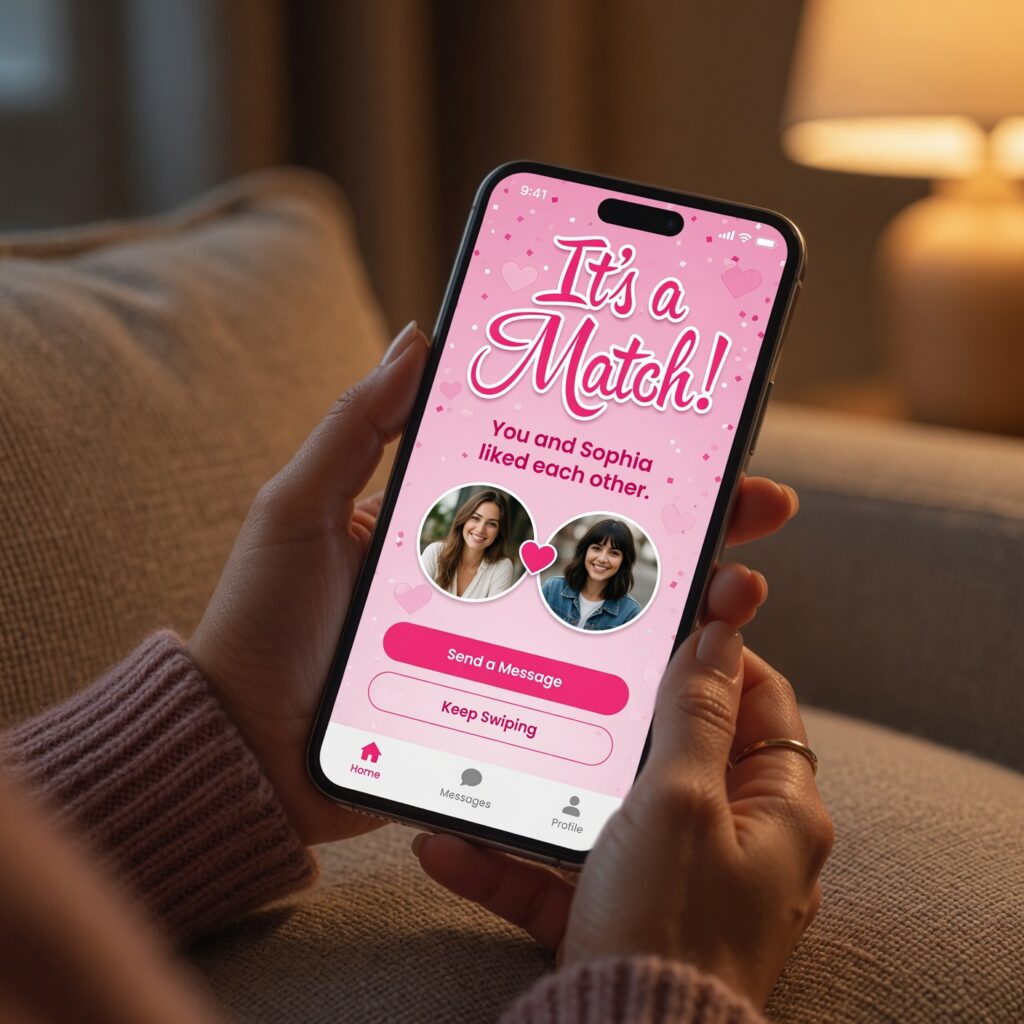
To keep your dating experience safe, you need to implement a standard of digital hygiene. Think of these as your “dating app security protocols”:
-
Reverse Image Search: If a person’s photos look too professional or too “model-like,” take a screenshot and do a Google Reverse Image Search. Often, you will find those photos belong to a stock photography site or a completely different person.
-
Verify, Don’t Trust: Ask for a video call. If they refuse to ever hop on a 5-minute video chat, they are hiding something.
-
The “Third Party” Check: If you are unsure about someone, ask a trusted friend to look at their profile. Sometimes, a fresh pair of eyes can spot a red flag that you might be missing because you are invested in the emotional connection.
-
Use Privacy-Focused Browsers: When looking up your date, use privacy-focused tools or “Incognito” mode so you don’t leave a trail of your own searches.
What to Do If You’ve Shared Too Much
If you realize you have shared too much information with someone who is now acting suspiciously, do not hesitate to act:
-
Block and Report: Use the in-app tools to report the profile. This helps protect others from the same individual.
-
Cut All Ties: Do not try to “reason” with a suspicious person or demand they delete your data. Simply stop responding and cut contact.
-
Audit Your Accounts: If you shared your email address or phone number, ensure your secondary accounts (like your main email or bank) have Multi-Factor Authentication (MFA) enabled.
-
Change Privacy Settings: If you linked an Instagram account, lock it down immediately or deactivate it for a few days to let the “heat” die down.
The Balance: Authentic Connection vs. Security
It is important to end on a positive note: you can still find love online. The goal of this guide is not to make you paranoid or cynical, but to empower you.
Building a real connection is about vulnerability, but vulnerability should be earned. By keeping your basic identifying information private during the initial phase of dating, you ensure that the people you talk to are interested in you, not in your data, your finances, or your location.
Take your time. Ask questions. And remember—the right person will respect your boundaries. If someone gets upset or pushes you to share your address, your full name, or your personal information before you feel comfortable, that is not a partner—that is a red flag.