Which Dating App Has the Highest Relationship Success Rate?
A complete guide to choosing the dating app with the best chances of finding a lasting relationship

Finding a meaningful connection in the modern digital world can feel like searching for a needle in a massive, pixelated haystack. With dozens of platforms available at your fingertips, the endless cycle of swiping left and right often leads to a phenomenon known as “dating app fatigue.” Many singles find themselves asking a crucial question before downloading a new app: Which dating app has the highest relationship success rate?
If your ultimate goal is to find a long-term partner, settle down, or even get married, you do not want to waste months on a platform built primarily for casual hookups. You need to know where the most intentional, relationship-minded singles are spending their time and money.
To give you a definitive answer, we analyzed real-world marriage data, independent sociological studies, user satisfaction indexes, and recent industry statistics. The data shows a clear divide between apps designed for quick interactions and platforms built for long-term emotional compatibility.
Hinge vs. eHarmony vs. Match: The Top Long-Term Dating Apps Compared
When it comes to raw success rates for marriages and committed relationships, three platforms consistently dominate the conversation: Hinge, eHarmony, and Match. However, they achieve these high success rates using completely different methodologies.
The table below breaks down how these top-performing platforms stack up against one another regarding success metrics, primary demographics, and overall matching philosophy.
| Dating App | Relationship Success Metric | Target Demographic | Best Known For |
|---|---|---|---|
| Hinge | Responsible for 36% of online-met engaged couples (The Knot Data). | Adults aged 22–35, young professionals. | “Designed to be deleted” philosophy with prompts. |
| eHarmony | Highest marital satisfaction and lowest divorce rates in long-term studies. | Adults aged 30–50, marriage-minded singles. | 80-item psychological compatibility quiz. |
| Match | Highest absolute number of total long-term relationships established since 1995. | Adults aged 25–45+, diverse career backgrounds. | Robust search filters and massive active user database. |
Why Hinge Outperforms Competitors for Modern Engagements
If you look at recent data from major wedding registries and engagement surveys, Hinge has emerged as the clear leader for modern long-term relationship creation among young adults. According to the latest data from The Knot, a massive 36% of engaged couples who met online credit Hinge for their introduction. This is a steady increase from previous years, showing that the app’s algorithm is only getting smarter.
Hinge’s success is deeply tied to its famous marketing tagline: “The dating app designed to be deleted.” But how does this play out in the actual user experience?
1. Eliminating the Endless Swipe Culture
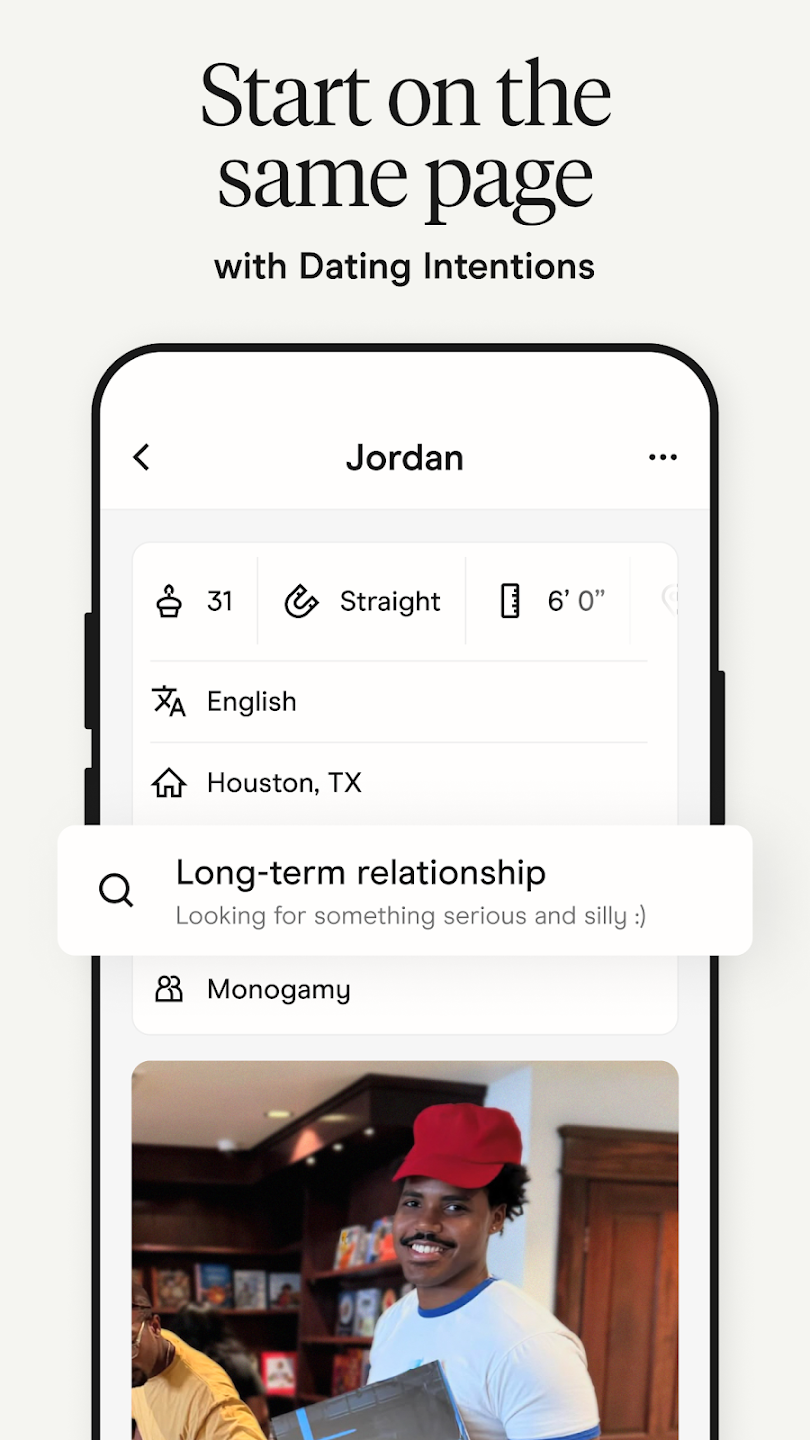
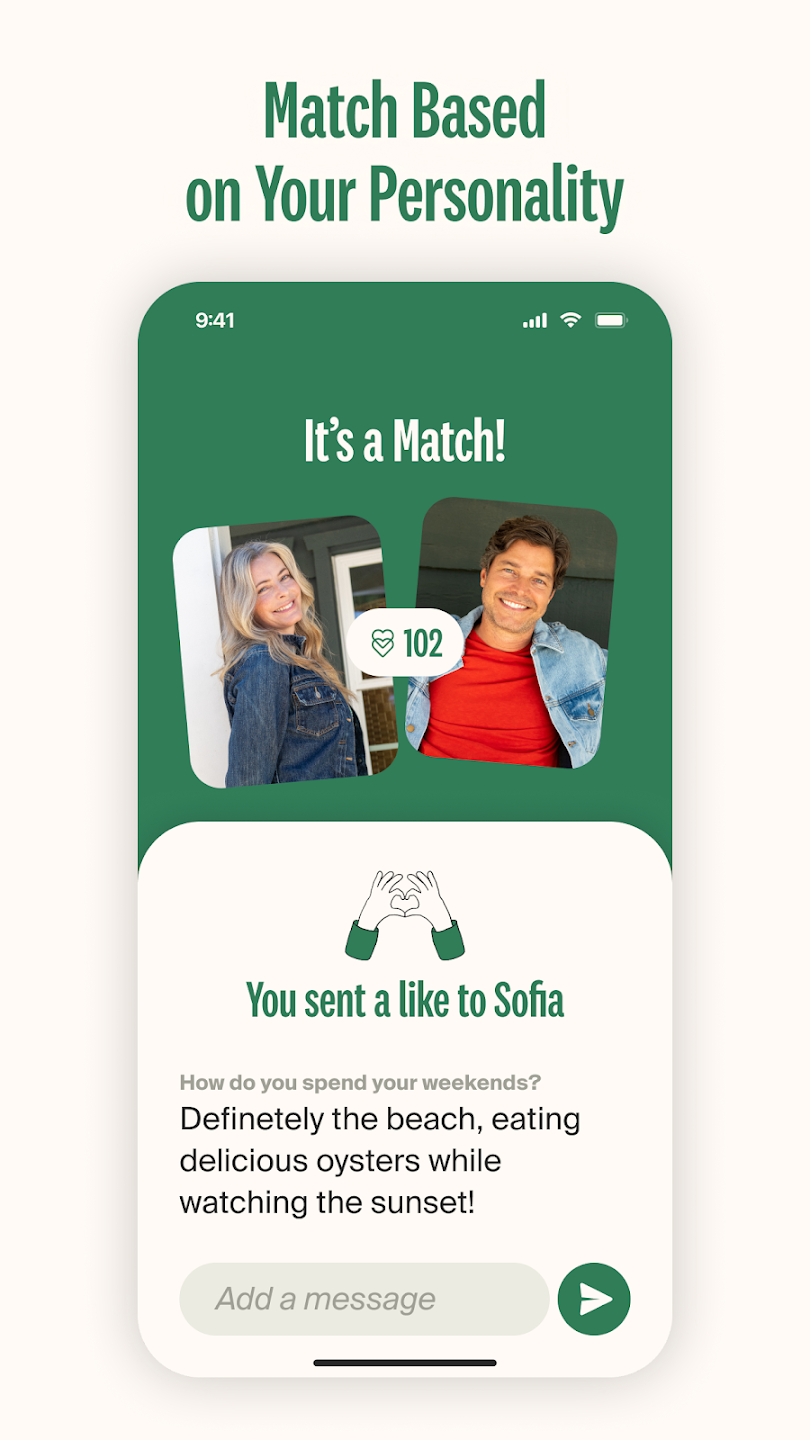
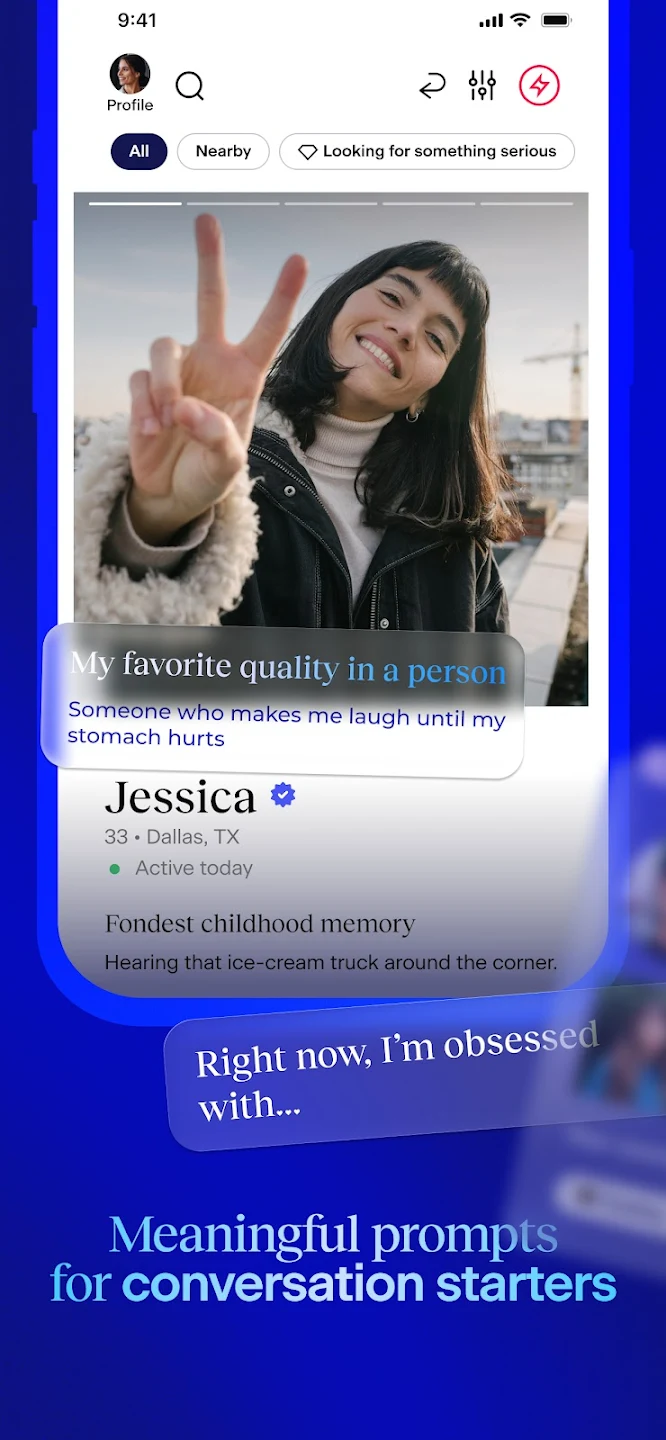
Unlike traditional apps where you swipe through an endless stream of faces based entirely on physical appearance, Hinge forces users to slow down. You cannot simply “like” a profile; you must interact with a specific piece of content, such as responding to a written prompt or commenting on a specific photo. This structural design drastically reduces mindless swiping and encourages authentic, text-based conversation starters.
2. High Profile Intention
Because setting up a Hinge profile requires choosing three unique prompts (e.g., “The award I should be nominated for is…” or “Most spontaneous thing I’ve ever done…”), it filters out low-effort users. People who are only looking for instant gratification or casual hookups generally avoid the platform because it requires a baseline level of effort to build a profile and initiate a conversation.
3. The “We Met” Feature
Hinge utilizes a proprietary machine learning algorithm that actively learns from your real-world outcomes. After you exchange phone numbers or go out on a date, Hinge will privately ask you via the app if you met up in person and if they are the type of person you want to keep seeing. The algorithm uses this direct loop of human feedback to refine your future daily recommendations, significantly boosting your long-term success rate.
The Science of eHarmony: Why It Leads in Marriage Longevity

While Hinge dominates the 20-something and early 30-something demographic for engagements, eHarmony remains the absolute gold standard for individuals whose explicit, non-negotiable goal is marriage.
Independent academic studies conducted by institutions like the University of Florida and Gonzaga University have consistently revealed that couples who meet on eHarmony report incredibly high levels of relationship satisfaction and lower overall divorce rates compared to couples who met on casual swiping apps or even traditional social settings.
The secret behind eHarmony’s decades-long track record lies within its strict barrier to entry and psychological matching mechanics:
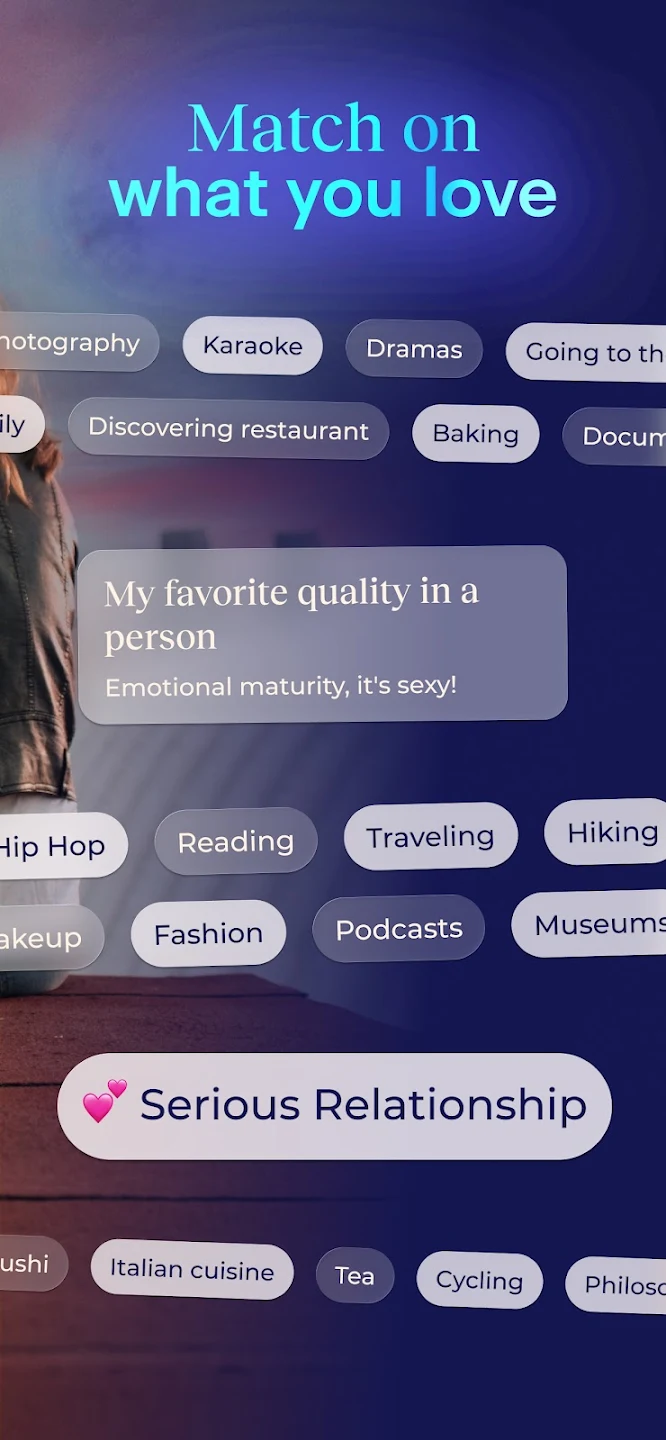
- The Compatibility Quiz: Upon registration, users must complete a highly detailed, 80-item personality assessment based on psychological clinical research. This quiz measures deep-seated values, core beliefs, emotional temperaments, and lifestyle habits.
- Financial Commitment: eHarmony is a premium, paid subscription service. By placing a paywall in front of communication features, the platform effectively deters individuals who are ambivalent about commitment, ensuring that almost every user you encounter has invested financial resources into finding a life partner.
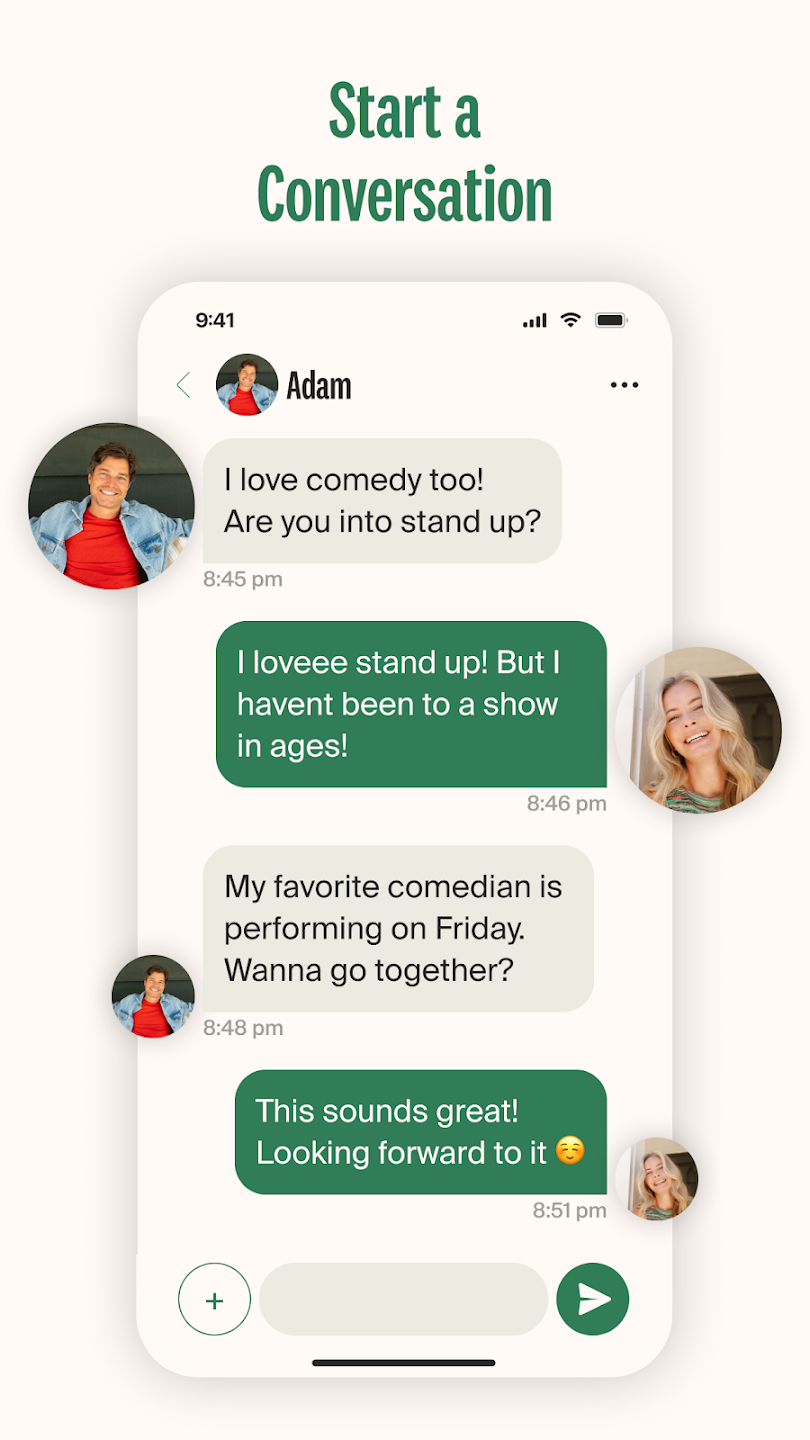
- Curated, Low-Volume Options: Instead of providing an infinite feed of singles, eHarmony serves you a highly curated, limited batch of compatible profiles every day. This prevents option paralysis and encourages users to thoroughly read profiles instead of making split-second rejections based solely on physical attraction.
Match: The Trusted Veteran for Long-Term Dating Pools
As the oldest operating platform in the digital dating space, Match (formerly Match.com) has generated millions of long-term relationships since its inception in 1995. While newer apps rely heavily on minimalist smartphone interfaces, Match uses a robust, feature-rich ecosystem that appeals to an incredibly wide demographic of singles.
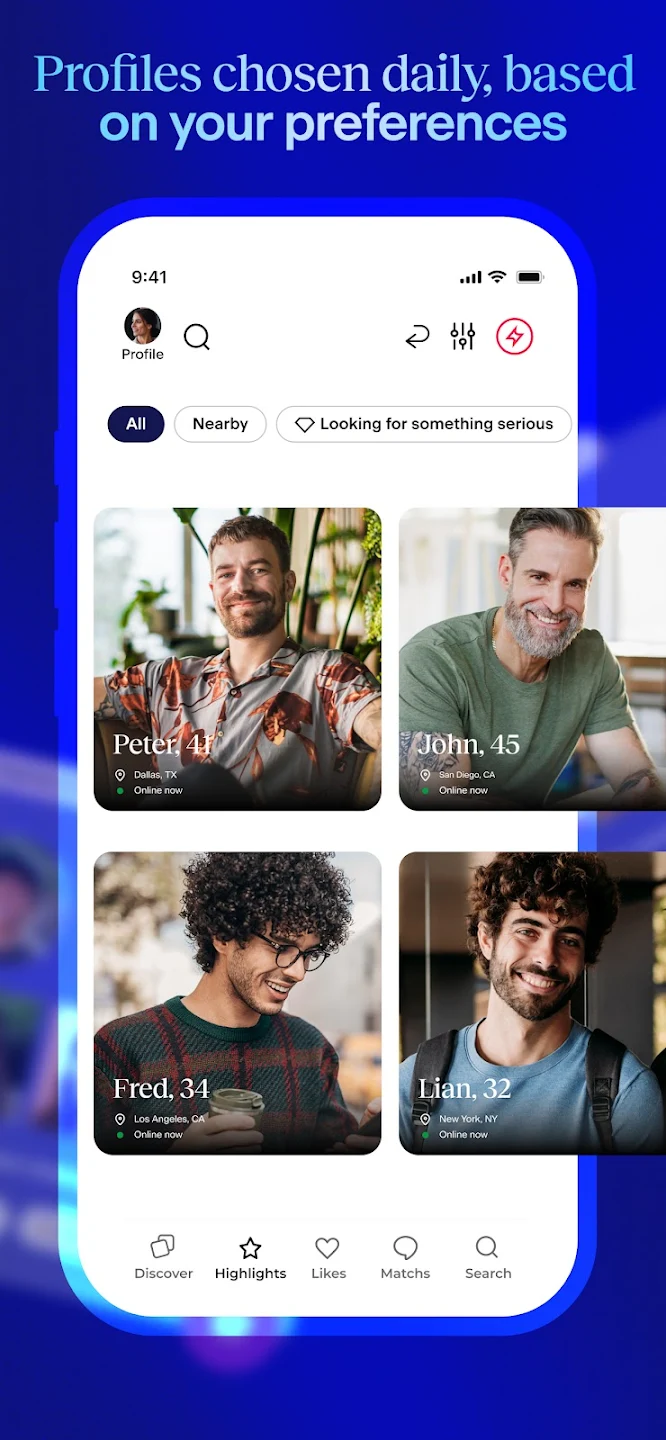
The primary factor driving Match’s high relationship success rate is its massive user database combined with granular search capabilities. If you have strict, non-negotiable criteria regarding a partner’s lifestyle habits, political stances, religious values, or family plans, Match provides the filtering tools necessary to find exactly what you are looking for.
Furthermore, Match regularly hosts local, in-person mixer events for its members. This hybrid approach—combining digital search features with organic, face-to-face environments—helps alleviate the anxiety of first dates and allows relationship-minded singles to connect naturally without the pressure of a formal one-on-one setup.
Can You Find a Committed Relationship on Tinder or Bumble?
When discussing relationship success rates, many people wonder if mainstream giants like Tinder or Bumble are completely useless for finding long-term love. The answer is nuanced: while these apps have lower proportional success rates for relationships compared to Hinge or eHarmony, their raw volume is so massive that they still produce thousands of marriages every year.
According to The Knot’s engagement data, Tinder is still responsible for roughly 25% of all marriages that originated from online dating apps.
The Volume Dynamic of Tinder
Tinder is fundamentally built on a high-volume, location-based layout. Because it is free and wildly popular, it contains a highly diverse mix of users. While a significant portion of the user base is seeking casual connections, a subset is looking for a relationship. Finding a long-term partner on Tinder simply requires a great deal of manual screening, patience, and direct communication regarding your intentions.
The Power Balance of Bumble
Bumble shifts the traditional dating dynamic by requiring women to send the first message after a match is made, within a strict 24-hour window. This minor structural change yields unique benefits for relationship seekers:
- It significantly reduces the volume of unsolicited, low-effort messages that women receive on other platforms.
- It establishes a clear framework of intentionality from the very first interaction.
- It appeals directly to progressive, educated young professionals who appreciate a structured, respectful environment for digital communication.
How to Maximize Your Personal Success Rate on Dating Apps
Ultimately, the internal algorithm of an app is only half of the relationship equation. Your personal strategy, profile presentation, and communication habits play a massive role in whether a digital match translates into a thriving, multi-year relationship.
If you want to quickly exit the apps and find a committed partner, use this step-by-step optimization strategy:
- Lead with Absolute Radical Honesty (Profile Creation Phase)
Clearly state your long-term relationship goals directly in your bio or profile fields. Do not pretend to be casual if you are seeking a life partner. Filter out incompatible individuals immediately by showcasing your authentic values, hobbies, and quirks. Use clear, recent photos that accurately show your face and lifestyle. - Screen for Mutual Investment Levels (The Conversation Phase)
Pay close attention to how much effort your match puts into the initial messaging phase. Are they asking open-ended questions? Are they responding within a reasonable timeframe? A match who sends dry, one-word answers or takes days to reply is showing a low level of emotional investment. Move on to singles who match your conversational energy. - Transition to the Real World Quickly (The Meeting Phase)
Avoid getting trapped in a multi-week “texting relationship” or becoming digital pen pals. Extended texting creates an idealized, false projection of a person that often shatters upon meeting. Aim to schedule a low-pressure, public first date (like a quick coffee or mid-day drink) within 5 to 7 days of your first message to check for genuine physical and emotional chemistry. - Establish Clear Healthy Boundaries (Early Dating Phase)
As you transition from a dating app to exclusive dating, have open discussions about your boundaries, communication preferences, and future timelines. A high-quality, relationship-minded partner will welcome clarity and respect your boundaries, while someone looking for casual entertainment will naturally pull away.
Which App Should You Actually Download?
If you are ready to invest your time, energy, and emotions into finding a serious relationship, the data points to two distinct paths depending on your current stage of life and your budget:
- If you are under 35: Download Hinge. Its prompt-driven profiles, smart matching algorithms, and massive popularity among young professionals make it the absolute best free option for generating real-world dates that lead to engagements.
- If you are over 30 and financially secure: Invest in a premium subscription to eHarmony or Match. The intentionality of a paid user base drastically cuts down on the ghosting, games, and casual attitudes found on free platforms, saving you valuable time and emotional energy.
Dating apps are simply tools designed to introduce you to people you would never cross paths with in your everyday routine. By picking the platform that aligns with your exact relationship goals and approaching your matches with intention, you can beat the swiping fatigue and find a connection that is truly designed to last.