How to Do a Quick Background Check Online
Learn how to verify someone’s background quickly and safely

In an era where our digital lives are inextricably linked to our physical realities, knowing exactly who you are dealing with has never been more important. Whether you are meeting someone from a dating app, hiring a local contractor, or simply verifying a new neighbor, performing a quick background check online is a vital skill for personal safety and peace of mind.
The internet provides a wealth of information, but the challenge lies in knowing where to look and how to interpret what you find. This guide will walk you through the most effective, legal, and efficient ways to run a background check without needing a private investigator.
Why You Need to Run a Quick Online Background Check Today
The primary motivation for an online search is safety. With the rise of “catfishing” and sophisticated online scams, a person’s digital persona doesn’t always match their real-world identity.
-
Dating App Security: Before meeting someone in person, verifying their identity can prevent dangerous situations.
-
Financial Protection: If you are entering into a private sale or hiring a freelancer, a quick check can reveal if they have a history of fraud or legal disputes.
-
Peace of Mind: Sometimes, you just want to ensure that the people entering your social circle or neighborhood are who they claim to be.
Understanding how to navigate these tools allows you to take control of your environment and make informed decisions based on facts rather than just “gut feelings.”
Starting with the Basics: The Power of Search Engine Sleuthing

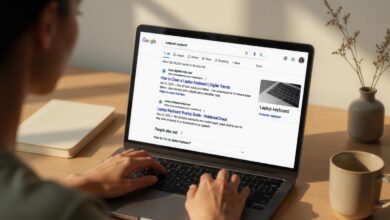
Most people stop at a simple Google search, but advanced search techniques can reveal much more. To get the most out of search engines, you need to use “search operators.”
Using Quotation Marks for Exact Matches
When you search for John Doe, Google returns every page containing “John” and “Doe.” By searching for "John Doe", you force the engine to find that specific string of text.
Adding Location and Keywords
Combine the name with a known city or employer: "John Doe" + "Chicago" or "John Doe" + "Software Engineer". This filters out the thousands of other people with the same name.
Image Searching
If you have a photo from a dating profile, use Google Lens or TinEye. A reverse image search can tell you if that photo belongs to a famous influencer or if it appears on multiple profiles with different names—a classic sign of a romance scam.
Mastering Social Media Investigations: Hidden Clues in Profiles
Social media is a goldmine for verifying a person’s lifestyle, associations, and consistency. While many people have private profiles, their public interactions can still be telling.
Facebook and Instagram
Look for “Tagged Photos.” Often, a person might curate their own feed to look a certain way, but photos tagged by friends reveal their true environment and social circle. Check the “About” section for education and past workplaces, then cross-reference that with what they told you.
LinkedIn for Professional Verification
LinkedIn is the most reliable source for career history. If someone claims to be a high-level executive but has no LinkedIn presence or a profile with only five connections, that is a significant red flag. Pay attention to “Endorsements” and “Recommendations”—real professionals usually have them from verified colleagues.
Twitter and TikTok
These platforms offer a glimpse into a person’s temperament and opinions. A quick scroll through their “Likes” or “Replies” can reveal a lot about their character that wouldn’t show up in a formal criminal record.
Navigating Public Records: Where to Find Official Information
Government records are the backbone of a legitimate background check. In the United States, many of these records are accessible to the public, though the ease of access varies by state.
County Court Records
Most criminal and civil cases are handled at the county level. Search for the “[County Name] Clerk of Court” or “[County Name] Judicial Search.” You can often find records of:
-
Traffic violations and DUIs.
-
Civil lawsuits (being sued or suing others).
-
Divorce filings and marriage licenses.
State Sex Offender Registries
Every state maintains a searchable database of registered sex offenders. The NSOPW (National Sex Offender Public Website) allows you to search across the entire United States using a name or a zip code. This is an essential step for anyone dating online or moving into a new area.
Inmate Locators
If you suspect someone has spent time in prison, state Departments of Correction (DOC) usually have an “Inmate Lookup” tool. These databases typically provide the offense committed and the dates of incarceration.
Reverse Lookups: Uncovering the Identity Behind the Screen
If you have a phone number or an email address but no name, “reverse lookup” tools are your best friend.
Reverse Phone Lookup
Services like Truecaller, Whitepages, or even just typing the number into a search engine can reveal the owner’s name. If a phone number is linked to a “VOIP” service (like Google Voice or Skype), it is harder to track and is often used by scammers to maintain anonymity.
Reverse Email Search
Searching an email address can lead you to old forum posts, forgotten social media accounts, or professional registrations. Tools like Hunter.io or Anymail Finder are built for business, but they can occasionally provide clues about where an email address is used.
Essential Dating App Safety: Vetting Your Match Before the First Date

Dating apps like Tinder, Bumble, and Hinge have revolutionized how we meet, but they have also created new avenues for deception.
The “Three-Point Check” Method
-
Verify the Photos: Use reverse image search.
-
Verify the Career: Check LinkedIn.
-
Verify the Social Circle: Find a Facebook or Instagram profile.
Common Red Flags in Dating Profiles
-
Too Good to Be True: Photos that look like professional modeling shots with no “candid” or lower-quality photos.
-
Refusal to Video Call: If someone refuses to FaceTime or Zoom before a date in 2026, they are likely not who they say they are.
-
Vague Details: Avoiding specifics about where they work or live.
-
Rapid Escalation: Asking for money, “investing advice,” or very personal details (like your home address) early on.
Understanding the Legal Limits: The FCRA and Your Responsibilities
It is crucial to understand the Fair Credit Reporting Act (FCRA). This federal law regulates how background check information can be used.
When You CAN Search
You can perform personal background checks for your own information and safety. Checking a date, a neighbor, or a long-lost friend is perfectly legal.
When You CANNOT Search (Without Consent)
You cannot use “people search” sites or DIY background checks to make decisions regarding:
-
Employment: Hiring, firing, or promoting someone.
-
Tenant Screening: Deciding whether to rent an apartment to someone.
-
Credit/Insurance: Determining eligibility for loans or insurance policies.
For these purposes, you must use a consumer reporting agency that complies with the FCRA and obtain the individual’s written consent. Using a “quick online search” for these reasons can lead to severe legal penalties.
Professional Background Check Services: Are They Worth It?
There are many “People Search” engines (like BeenVerified, Spokeo, or Intelius). These sites aggregate data from public records, social media, and marketing databases.
The Pros
-
Convenience: They do the digging for you, pulling records from multiple states into one report.
-
Deep Web Access: They often find data hidden from standard search engines.
-
Address History: These reports are excellent for seeing where someone has lived over the last 10–20 years.
The Cons
-
Cost: Almost all of them require a subscription or a per-report fee.
-
Accuracy: Since they use automated crawlers, they can sometimes mix up records of two people with the same name.
-
Privacy: They collect a lot of data, which some find invasive.
If your DIY search comes up empty but your “gut” still tells you something is off, paying for one professional report might be worth the investment.
Common Red Flags to Look Out For During Your Search
As you perform your search, keep an eye out for these inconsistencies:
-
Age Discrepancies: The person claims to be 30, but public records or old school photos suggest they are 40.
-
Multiple Social Security Numbers: (Found in professional reports) This is a major indicator of identity theft or fraud.
-
Frequent Name Changes: While common after marriage, frequent legal name changes can sometimes be an attempt to hide a criminal past.
-
Empty Digital Footprint: In 2026, it is very rare for a person under 50 to have zero online presence. An “invisible” person is often someone using an alias.
How to Protect Your Own Privacy from Background Searches
Now that you know how easy it is to find information, you might be concerned about your own data. You can take steps to “opt-out” of these databases.
-
Audit Your Privacy Settings: Ensure your Facebook, Instagram, and LinkedIn are set to “Private” or “Friends Only.”
-
Opt-Out of Data Brokers: Visit sites like Spokeo or BeenVerified and search for yourself. Every site has an “Opt-Out” or “Remove My Record” link, usually hidden in the footer.
-
Google Yourself: See what comes up. If there is sensitive information (like your home address) on a site, you can request that Google remove the search result through their “Personal Information Removal” tool.
Staying Safe in a Digital World

A quick background check isn’t about being paranoid; it’s about being prepared. In a world where we share so much of ourselves online, verifying the people we allow into our lives is a fundamental aspect of modern safety. By using search engines effectively, checking public records, and understanding social media clues, you can navigate your social and professional life with confidence.
Always remember to use this information ethically and legally. Knowledge is power, and when used correctly, it is your best defense against scams and physical danger.
Frequently Asked Questions (FAQ)
1. Is it legal to do a background check on someone I’m dating?
Yes, it is entirely legal to search public records and social media for your own personal safety. However, you cannot use that information to harass or stalk the person.
2. Can I do a background check for free?
You can do a lot for free using Google, social media, and county clerk websites. However, comprehensive “all-in-one” reports usually require a fee because the companies have to pay for access to certain databases.
3. Will the person know I searched for them?
If you are using search engines, public government databases, or third-party background check sites, the person will not be notified. However, be careful on LinkedIn—if you view someone’s profile while logged in, they may see that you visited their page unless you have “Private Mode” enabled.
4. What if I find a criminal record?
Context matters. A traffic ticket from ten years ago is very different from a recent violent felony. If you find something concerning, you can choose to end the relationship or, if you feel safe, ask the person for their side of the story.
5. How long does a quick online background check take?
A basic “DIY” check (Google, Social Media, Sex Offender Registry) usually takes about 10 to 15 minutes. A more in-depth search involving county court records might take an hour.