Apps
Is Timeleft Safe for Meeting Strangers?
Discover the safety features and precautions to consider when using Timeleft to meet new people
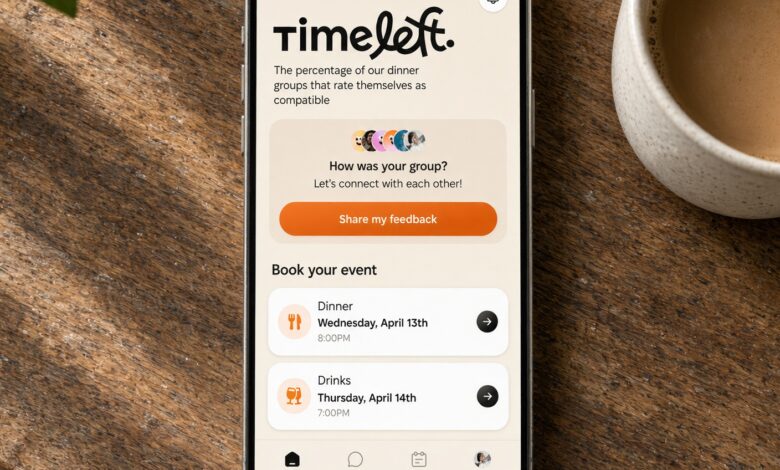
Meeting new people in a modern digital world has evolved far beyond traditional swiping apps and isolated one-on-one digital setups. Platforms designed to pull people out from behind screens and place them directly into physical, real-world social environments have grown exponentially in popularity. Among these, Timeleft—the social platform known for organizing weekly group dinners with strangers—has captured widespread attention.
However, stepping out to share a meal with individuals you have never met before naturally raises an important question: Is Timeleft safe for meeting strangers?
Evaluating the safety of any social platform requires looking past marketing claims and examining structural design, identity verification, venue selection, and practical risk management. This comprehensive guide explores how the platform manages security, what risks exist, and how you can protect yourself while expanding your social circle.
Understanding the Timeleft Experience: How It Works
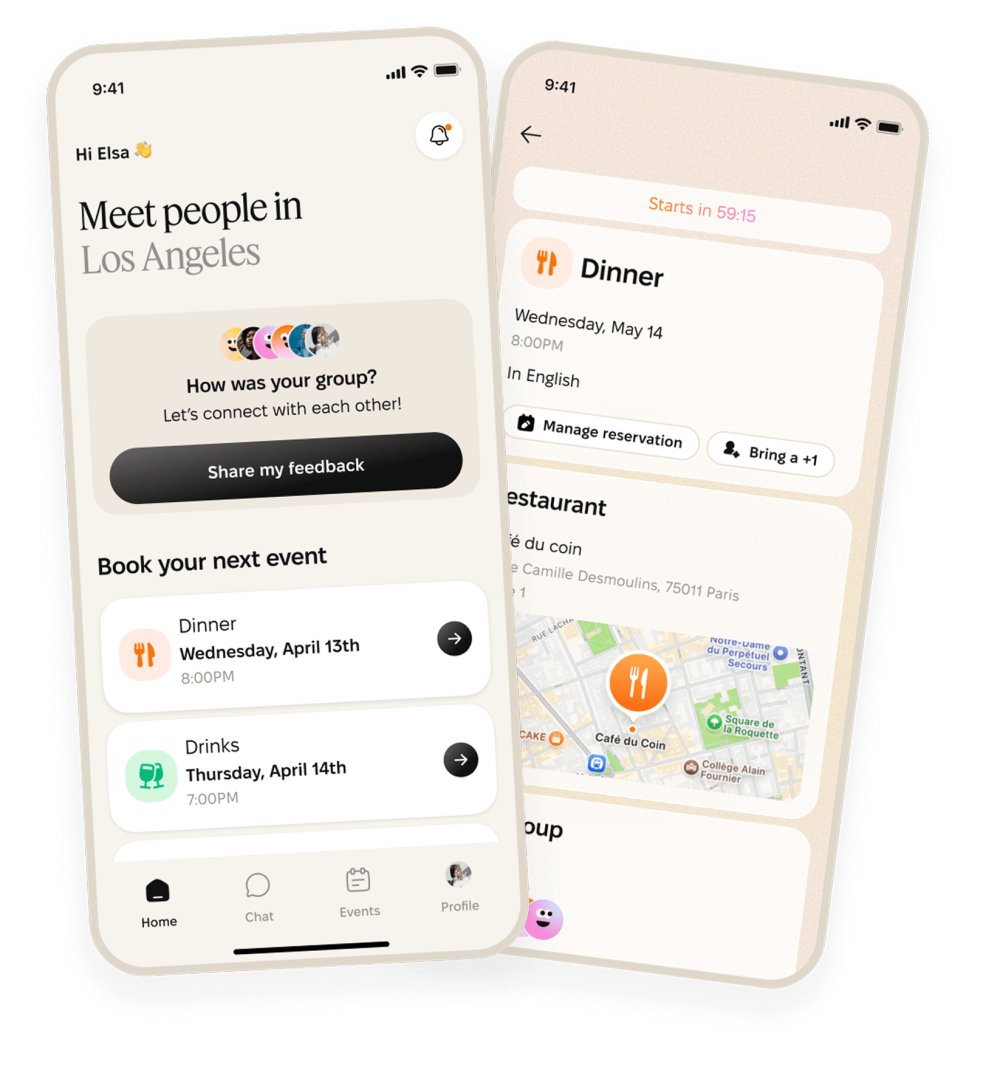
Before analyzing safety mechanics, it is essential to understand how the platform operates. Unlike conventional dating or networking apps that rely on endless photo swiping and open direct messaging, Timeleft focuses entirely on structured, real-world group interactions.
-
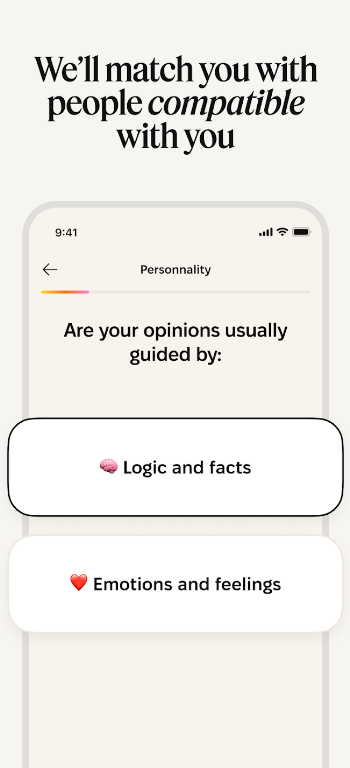
The Setup: Users complete a personality quiz rather than building an elaborate open-search profile.
-
The Matching: An algorithm groups participants—typically tables of four to six people—based on shared interests, age demographics, and preferences.
-
The Venue: The specific restaurant or cafe location is kept confidential until shortly before the event, typically revealed the day before.
-
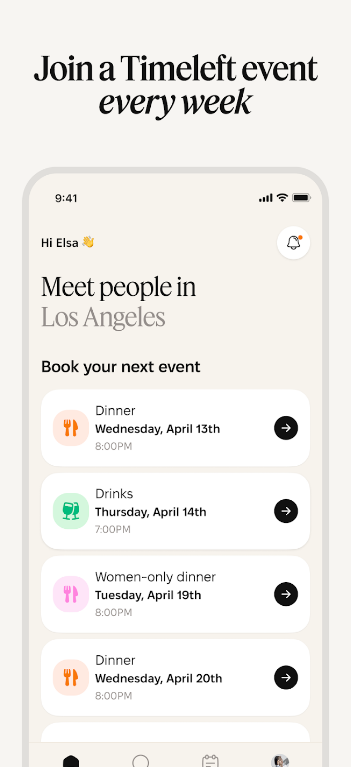
The Event: Participants arrive at a pre-selected public venue to share a meal, converse using optional app-provided icebreakers, and decide independently whether to stay in touch afterward.
By removing open-ended digital chats prior to the event, the platform fundamentally alters the dynamics of meeting unfamiliar people.
Structural Safety vs. Traditional Moderation
When users ask whether social apps are safe, they usually think of reporting mechanisms or customer support response times. However, cybersecurity and social safety experts often distinguish between cosmetic safety (after-the-fact reporting buttons) and structural safety (environmental design that prevents harm from occurring in the first place).
Timeleft leans heavily into structural safety. Several core design choices minimize standard risks associated with meeting strangers:
-
Group Dynamics Over One-on-One Pressure: Meetings always occur in groups of four to six people. You are never placed in an isolated, one-on-one scenario with an individual whose background is completely unknown. This dynamic naturally balances conversation and eliminates individual pressure.
-
Public and Pre-Vetted Venues: Events are never held in private residences or unverified locations. Every dinner takes place in a working, public restaurant selected in advance, surrounded by restaurant staff and other patrons.
-
Information Minimization: Participants do not exchange private phone numbers, home addresses, or last names to secure a seat. Personal data sharing remains entirely under your control.
Identity Verification and Accountability Measures
While physical environment design provides the first layer of security, digital onboarding mechanics establish accountability among participants.
-
Phone Verification: Every account requires phone number verification during the initial signup process, creating a barrier against anonymous bot accounts or disposable profiles.
-
Real-Name and Real-Photo Guidelines: Profiles mandate genuine user identification, ensuring transparency before walking into a venue.
-
Age Restrictions: Participation requires users to be 18 years or older (or 21+ depending on local regional liquor laws and venue requirements, such as in the United Arab Emirates).
-
In-App Moderation and Reporting: Group chats are monitored by automated safety filters that intercept spam or inappropriate language before delivery. Furthermore, users can flag inappropriate behavior or messages through an in-app reporting system backed by human moderation teams capable of issuing permanent bans.
Potential Risks and Limitations to Consider
No social platform is entirely devoid of risk. While structured group settings reduce the vulnerabilities common on standard dating apps, participants should remain aware of practical limitations:
-
Third-Party Behavior Variability: While the platform vets venues and structures groups, it cannot completely control the unpredictable social behavior of individual human beings. Personal chemistry varies, and occasionally table dynamics may feel awkward or unengaging.
-
Independent Commute Risks: The platform manages the dinner table environment, but your journey to and from the venue is entirely independent. Transportation safety remains the responsibility of the attendee.
-
Scim/Impersonation Outside Official Channels: As with any popular service, malicious actors occasionally attempt to set up fake event pages or direct users to pay off-platform. Sticking strictly to official app channels prevents exposure to financial scams.
Best Practices for Safe Socializing with Strangers

Maximizing safety while exploring new social avenues involves combining platform safeguards with personal common-sense strategies:
-
Inform Someone You Trust: Share the name and location of the venue (revealed the day before) along with your expected timeline with a friend or family member.
-
Plan Your Transportation Independently: Always arrange your own travel to and from the location. Knowing how you will get home ensures you maintain total control over your schedule.
-
Maintain Boundaries on Personal Information: Share only your first name initially. Keep your home address, workplace, and financial details private until you have established genuine trust.
-
Pace Your Consumption: If you choose to consume alcohol, keep your intake moderate to stay fully alert and in control of your surroundings. Keep your belongings and drink in sight at all times.
-
Remember That Everything Is Optional: You are never obligated to stay past the meal, participate in after-dinner drinks, or exchange contact details. Leaving early because a setting feels uncomfortable is entirely acceptable.
Is It Worth It?

When evaluated objectively, Timeleft provides a remarkably high degree of security compared to traditional online matching applications. By shifting the focus from isolated digital swiping to public, moderated, group-based dining, it eliminates many standard vectors of risk.
Is Timeleft safe for meeting strangers? Yes—provided you exercise standard personal awareness, use official channels for booking, and trust your instincts if a situation feels misaligned. For individuals looking to bypass the exhaustion of traditional apps and meet real people in a secure, transparent environment, structured social dining serves as a viable, secure alternative.