Online Safety
Can Scammers Fake a Company’s Phone Number?
Discover how caller ID spoofing works and why a familiar company number does not always mean the call is legitimate
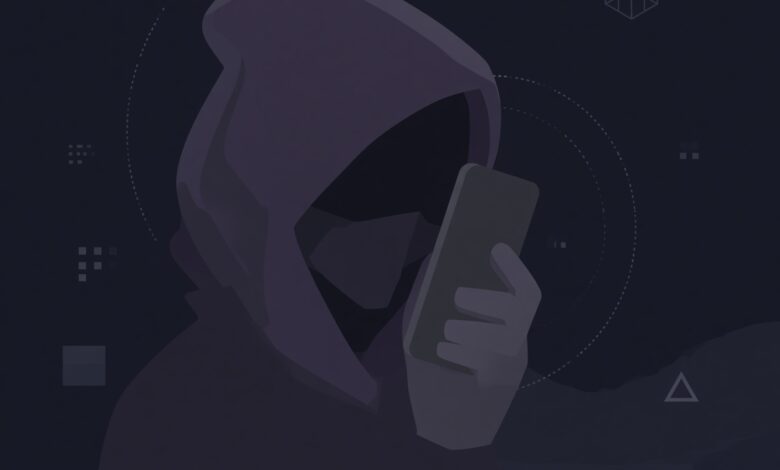
In today’s hyper-connected digital age, our phones are our lifelines. We use them for banking, shopping, communicating with loved ones, and managing our daily lives. Because we rely so heavily on our devices, we tend to trust who is on the other end of the line—especially when our phone screen displays a familiar name or a trusted company’s official customer service number.
Imagine sitting at home, and your phone rings. You look at the screen, and the caller ID displays the official fraud department number of your major bank. Naturally, your heart rate spikes. The person on the line sounds professional, urgent, and well-informed. They claim unauthorized transactions are happening on your account right now and ask you to verify your security code or password to stop them.
It feels completely authentic. But beneath the surface, a dark technological trick is at play.
So, can scammers fake a company’s phone number? Yes, absolutely. This deceptive practice is known as caller ID spoofing, and it is one of the most powerful and widely used weapons in a cybercriminal’s arsenal.
This comprehensive guide breaks down exactly how caller ID spoofing works, why scammers do it, the advanced psychology behind these fraudulent calls, and—most importantly—actionable steps you can take to safeguard your personal information, your finances, and your peace of mind.
What Is Caller ID Spoofing and How Does It Work?
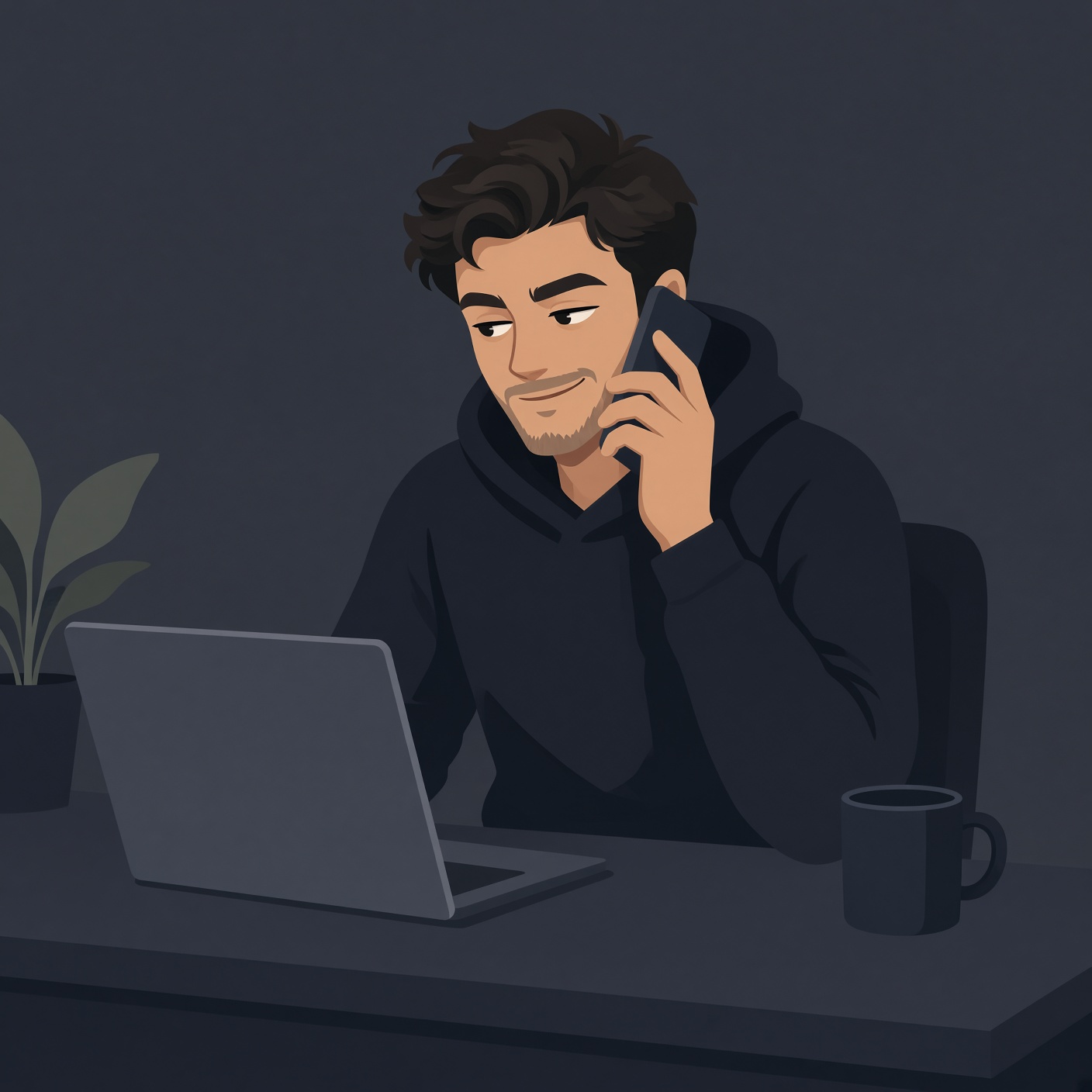
To understand how scammers manage to make their calls look entirely legitimate, we first need to look at the underlying technology of our telecommunications infrastructure.
Caller ID technology was originally developed decades ago to let users see who was calling before picking up the phone. However, traditional telephone networks—and even modern Voice over Internet Protocol (VoIP) systems—were built with trust at their core, rather than bulletproof security.
Caller ID spoofing occurs when a caller deliberately falsifies the information transmitted to your caller ID display to disguise their true identity. Instead of showing their actual local, national, or international phone number, scammers use specialized software, web-based VoIP services, or specialized hardware to inject any arbitrary string of digits or company name they choose onto your phone screen.
For example, a scammer operating from an overseas call center can easily program their outgoing calling software to display your local utility company’s hotline, a government agency like the IRS or Social Security Administration, or a major financial institution like Chase, Bank of America, or PayPal.
The telephone network accepts this transmitted data and displays it to you as truth, bridging the gap between illusion and reality. Because the system lacks a native, mandatory verification mechanism at the carrier level for every single call routing through it, the spoofed number sails right through onto your screen unchallenged.
The Different Faces of Phone Spoofing: From Bank Impersonation to Neighbor Spoofing
Scammers rarely rely on just one type of spoofing. They tailor their tactics depending on what they want to achieve. Recognizing these variations is a crucial step in building your personal cyber defense.
1. Corporate and Bank Impersonation Spoofing
This is the most financially devastating form of phone spoofing. Scammers target major institutions that consumers naturally trust with sensitive data. By masking their numbers as a bank, credit card issuer, or tech giant (such as Apple, Microsoft, or Amazon), they lower your psychological guard immediately. When you believe you are talking to a security fraud specialist from your bank, you are far more likely to comply with instructions to “verify your identity” or “transfer funds to a safe account.”
2. Neighbor Spoofing
Have you ever received a call from a phone number that shares the exact same area code and first three digits (the prefix) as your own cell phone? This is known as neighbor spoofing. Scammers use this tactic because statistics show that people are significantly more likely to answer calls that appear to originate from their local community or neighborhood. You might think it is a local business, a neighbor, or a local school, only to find yourself listening to an automated robocall pitching an extended car warranty or a health insurance scam.
3. Government and Law Enforcement Impersonation
Another high-stress tactic involves spoofing official government lines. Scammers frequently mimic the numbers of the Internal Revenue Service (IRS), the Social Security Administration, or local police departments. They use aggressive, intimidating language—threatening arrest, legal action, or immediate asset seizure—to force panic. In this state of high anxiety, victims act impulsively out of fear rather than logic.
Why Scammers Spoof Phone Numbers: The Psychology of Trust
Technology is only half the equation. The real success of a spoofing attack relies heavily on social engineering—the art of manipulating human psychology.
Why do scammers go to such lengths to fake a phone number?
-
The Halo Effect of Trust: When we see a trusted brand name or a recognized bank number flash on our screen, our brain invokes a cognitive shortcut. We associate the trusted entity with safety, authority, and competence. That initial visual cue colors the entire interaction that follows.
-
Overcoming Natural Skepticism: If an unknown, international, or clearly sketchy number calls you claiming to be your bank, you will likely hang up immediately. Spoofing neutralizes that initial skepticism. It buys the scammer precious minutes of your attention.
-
Creating a False Sense of Urgency: Fraudsters know that if you have time to pause, think, or independently verify the call, their scheme will fall apart. By combining a trusted caller ID with high-pressure tactics (“Your account has been breached right now!”), they rush your decision-making process, bypassing your critical thinking.
Recognizing the Red Flags: How to Tell if a Call is Spoofed
Because caller ID can easily be manipulated, you can no longer trust your phone screen alone. To protect yourself, you must learn to look past the number displayed and evaluate the behavior, requests, and tone of the person on the other end.
Watch out for these classic warning signs of a phone spoofing scam:
-
Unsolicited High-Pressure Demands: Legitimate organizations—especially banks and government agencies—will rarely call you out of the blue demanding immediate, high-stakes action or threatening instant penalties if you do not comply on the spot.
-
Requests for Sensitive Personal Information: A real representative from your bank or utility provider already has your account number, address, and history. They will never call you and ask for your full Social Security number, online banking password, PIN, or one-time verification codes sent via SMS.
-
Vague or Defensive Answers: If you tell the caller, “I am going to hang up and call the number on the back of my credit card to verify this,” a legitimate agent will encourage you to do so. A scammer, however, will panic, discourage you, or invent high-pressure excuses why you cannot hang up.
-
Odd Background Noises or Call Delays: Many modern spoofing and robocalling operations use automated dialers or large-scale VoIP setups. You might notice a strange click, a noticeable delay before someone speaks, or a call center background hum that doesn’t match the quiet corporate office environment you would expect.
Actionable Steps to Protect Yourself Against Phone Spoofing

You do not have to live in fear of your phone ringing. While telecom companies and regulatory bodies worldwide are working on implementing advanced authentication protocols (such as STIR/SHAKEN frameworks in the United States) to verify caller IDs at the network level, scammers constantly evolve.
You need a personal defense strategy. Implement these practical steps today:
1. Adopt the “Hang Up and Call Back” Rule
This is the single most effective rule in modern digital safety. Never trust an inbound call. If someone calls claiming to be from your bank, the IRS, your electric company, or any other institution, tell them you will call them back. Do not use the number they provide or the number on your caller ID. Instead, look up the official customer service number independently—find it on the back of your debit card, your monthly billing statement, or the company’s verified official website—and dial it yourself.
2. Never Share One-Time Passcodes (OTPs)
Banks and tech platforms use two-factor authentication (2FA) and multi-factor authentication (MFA) via SMS or authenticator apps to protect your accounts. Scammers know this, so their primary goal is often tricking you into reading your incoming verification code out loud. Your bank or service provider will never ask you for a one-time passcode over the phone. If someone asks for the code that just arrived on your phone, hang up immediately—they are trying to break into your account.
3. Utilize Built-In Smartphone Protection Features
Modern smartphones come equipped with powerful native tools to help filter out unwanted and spoofed calls:
-
On iOS (iPhone): Go to Settings > Phone and enable Silence Unknown Callers. This automatically silences numbers you do not have saved in your contacts, sending them straight to voicemail while still letting legitimate contacts through. You can also use built-in carrier spam-blocking features.
-
On Android: Open the Phone app, go to Settings > Caller ID & Spam, and turn on See caller and spam ID and Filter spam calls. This blocks suspected spam and scam calls automatically before your phone even rings.
4. Leverage Third-Party Call Blocking Apps
Consider downloading reputable call-filtering and reputation-checking apps (such as Hiya, Truecaller, RoboKiller, or carrier-specific security apps). These applications maintain massive, real-time databases of known spoofed numbers, spam vectors, and fraudulent hotlines, flagging or blocking suspicious calls before they interrupt your day.
5. Educate Vulnerable Family Members
Scammers frequently target demographics they perceive as more trusting or less technologically fluent, such as elderly family members or young adults. Take the time to talk to your parents, grandparents, and children about caller ID spoofing. Share simple rules: never give personal info over an inbound call, and always verify through trusted channels.
What to Do If You Fall Victim to a Phone Scam
Even with high vigilance, sophisticated scammers can sometimes catch us off guard. If you realize you have shared sensitive financial information, passwords, or personal data with a spoofed caller, do not panic—act swiftly to minimize the damage:
-
Secure Your Accounts Immediately: Contact your bank, credit card companies, or digital service providers right away. Report the incident, freeze affected cards, and change your online passwords and PINs immediately.
-
Enable Extra Security: Turn on multi-factor authentication (MFA) across all your critical accounts (email, banking, social media) using a secure authenticator app rather than SMS text messages, when possible.
-
Monitor Your Financial Statements: Keep a close eye on your bank statements and credit reports over the coming weeks and months for any unauthorized charges, credit inquiries, or suspicious activity. Consider placing a temporary credit freeze or fraud alert on your credit bureau profiles.
-
Report the Fraud: File a formal report with local law enforcement and relevant consumer protection agencies (such as the Federal Trade Commission at
reportfraud.ftc.govor the Internet Crime Complaint Center). Reporting helps authorities track emerging scam trends and protects others in the community.
Staying Vigilant in a Spoofed World
Can scammers fake a company’s phone number? Yes, caller ID spoofing is a pervasive, deceptive reality of our modern telecommunications landscape. Cybercriminals rely on our natural trust, our tendency to rely on visual confirmation, and our emotional responses to create panic and steal what is ours.
However, knowledge is your greatest shield. By understanding that caller ID can never be taken at face value, adopting the habit of hanging up and calling back through official channels, and utilizing the security tools built into your phone, you strip scammers of their most effective weapon.
Stay skeptical, protect your personal information, and remember: when it comes to unexpected phone calls, verification is always safer than trust.