Online Safety: Essential Tips to Protect Yourself in the Digital World
Practical guidance to stay safe, secure, and confident while using the internet

The internet is an essential part of modern life. We use it to communicate, work, shop, study, and entertain ourselves. However, along with its many benefits, the online world also brings risks such as scams, data theft, cyberbullying, and privacy violations.
Understanding online safety is no longer optional — it is a basic digital skill. This article provides clear, practical tips to help you protect your personal information, devices, and mental well-being while navigating the internet safely.
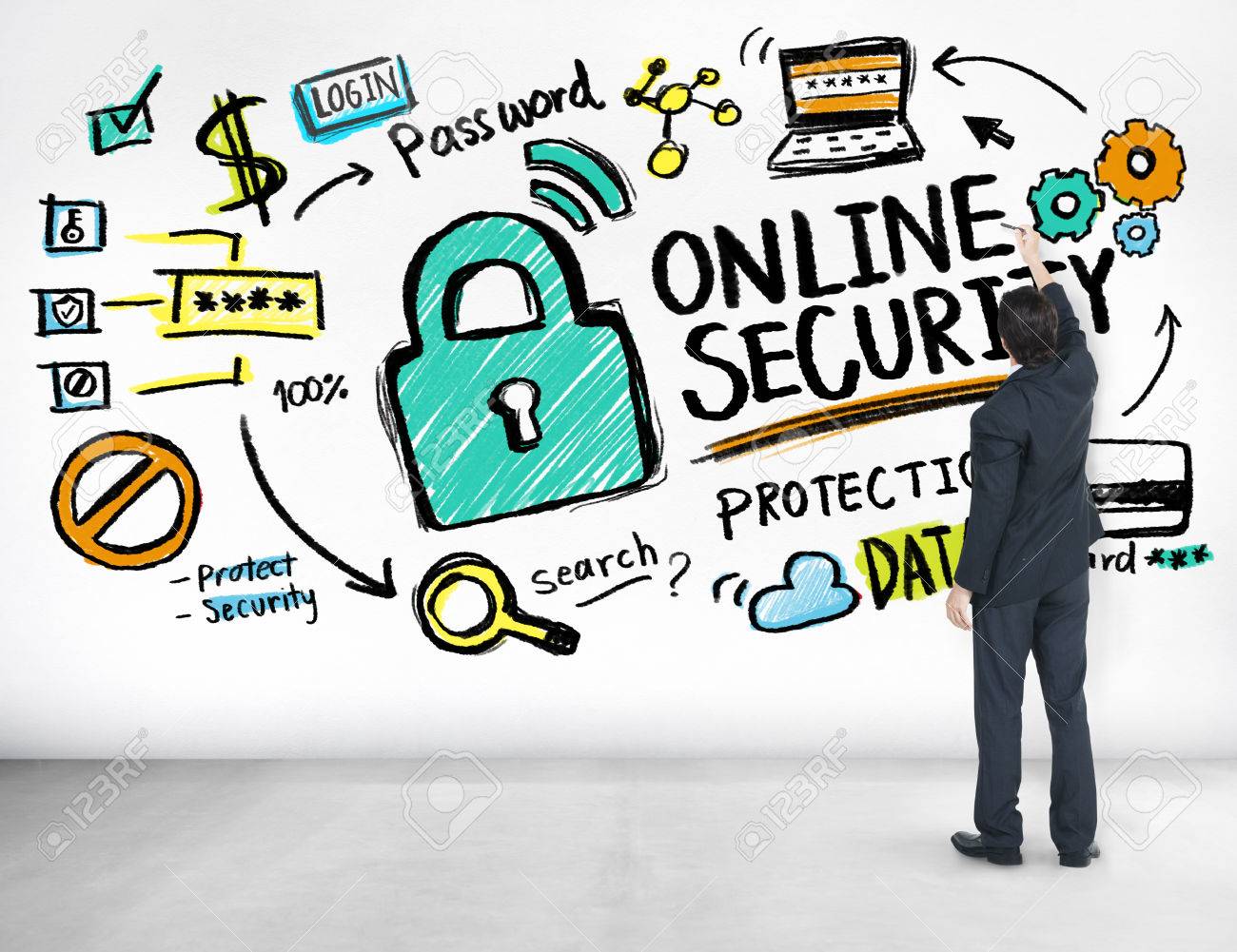
Protecting Your Personal Information
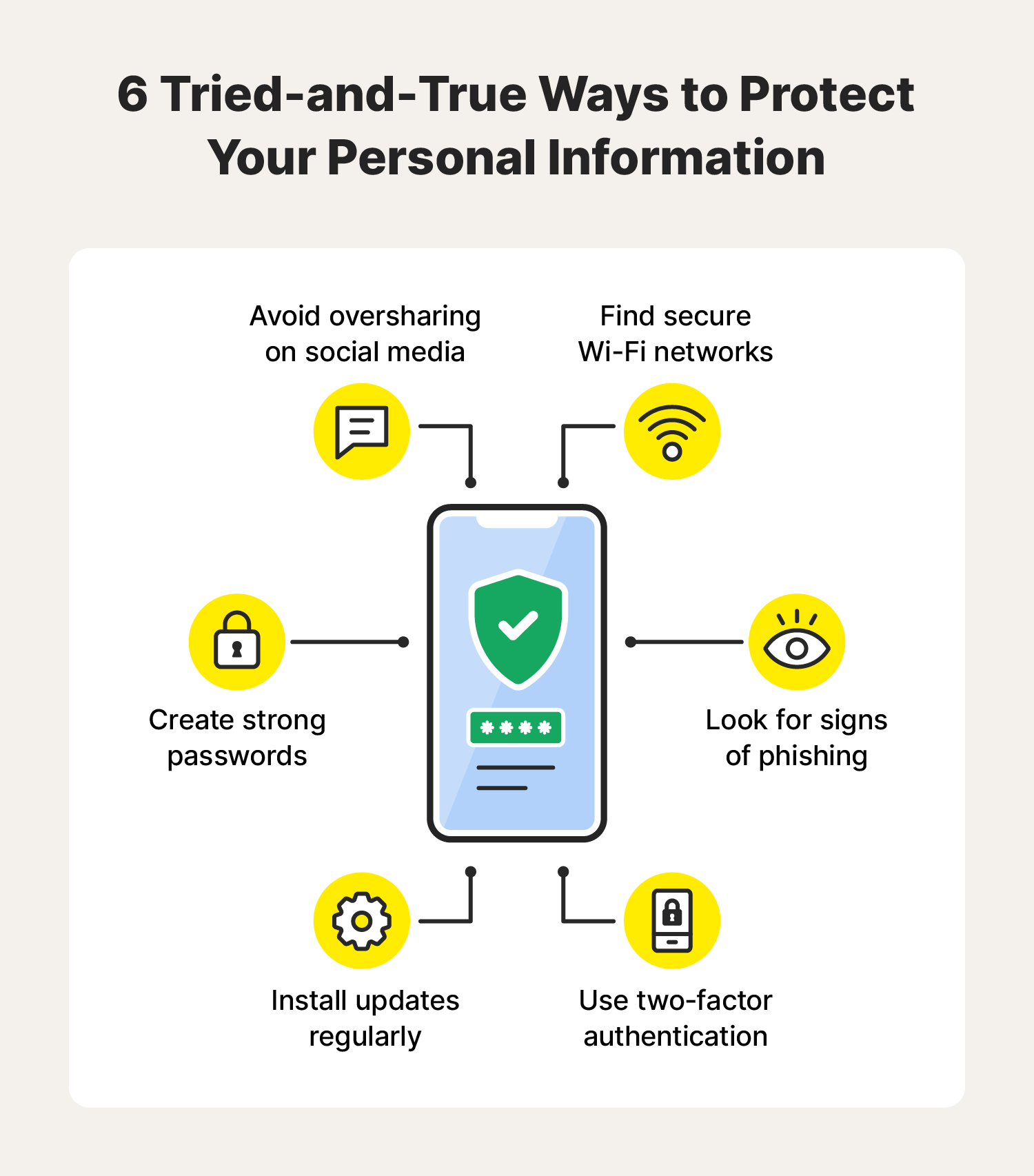
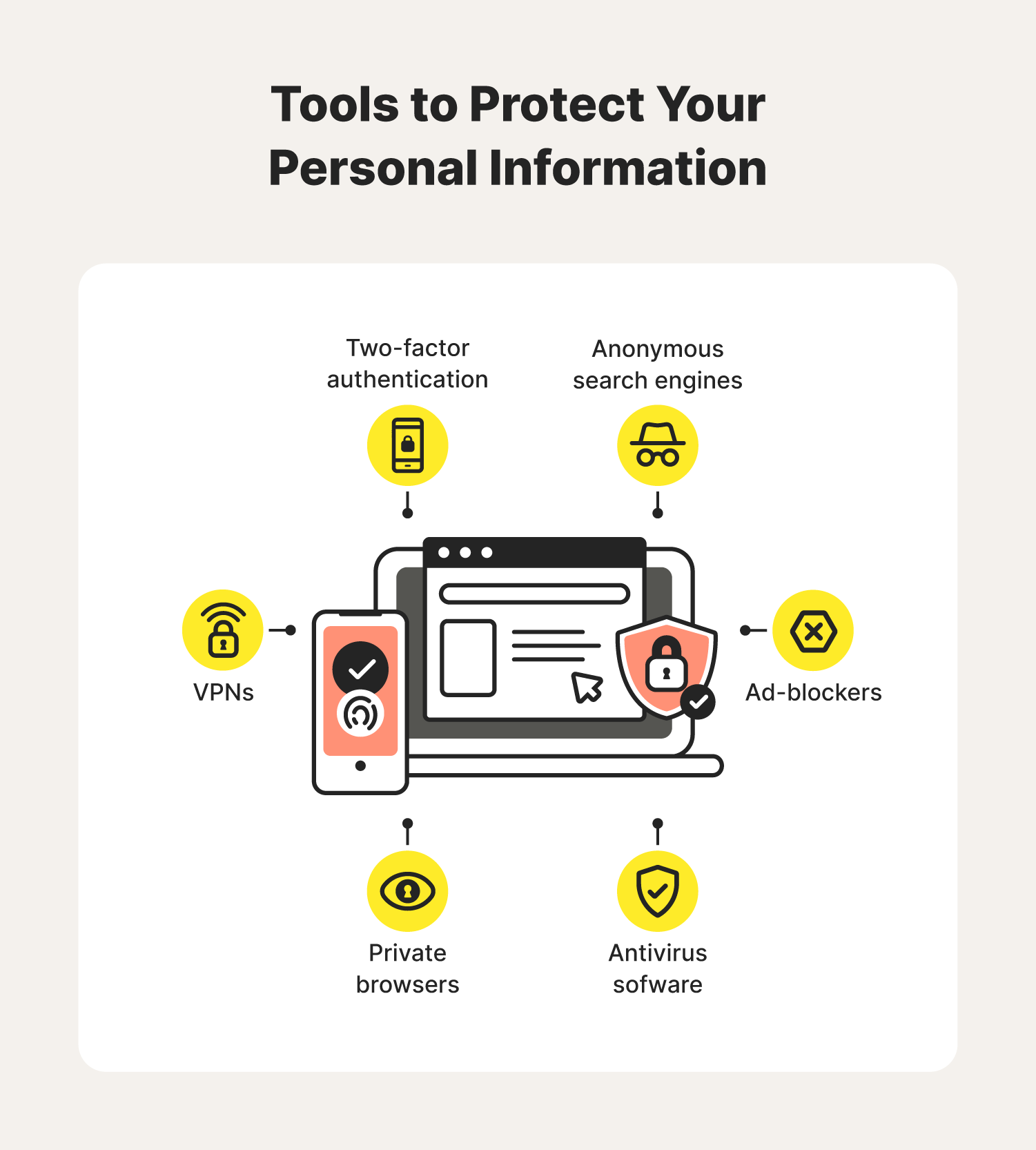
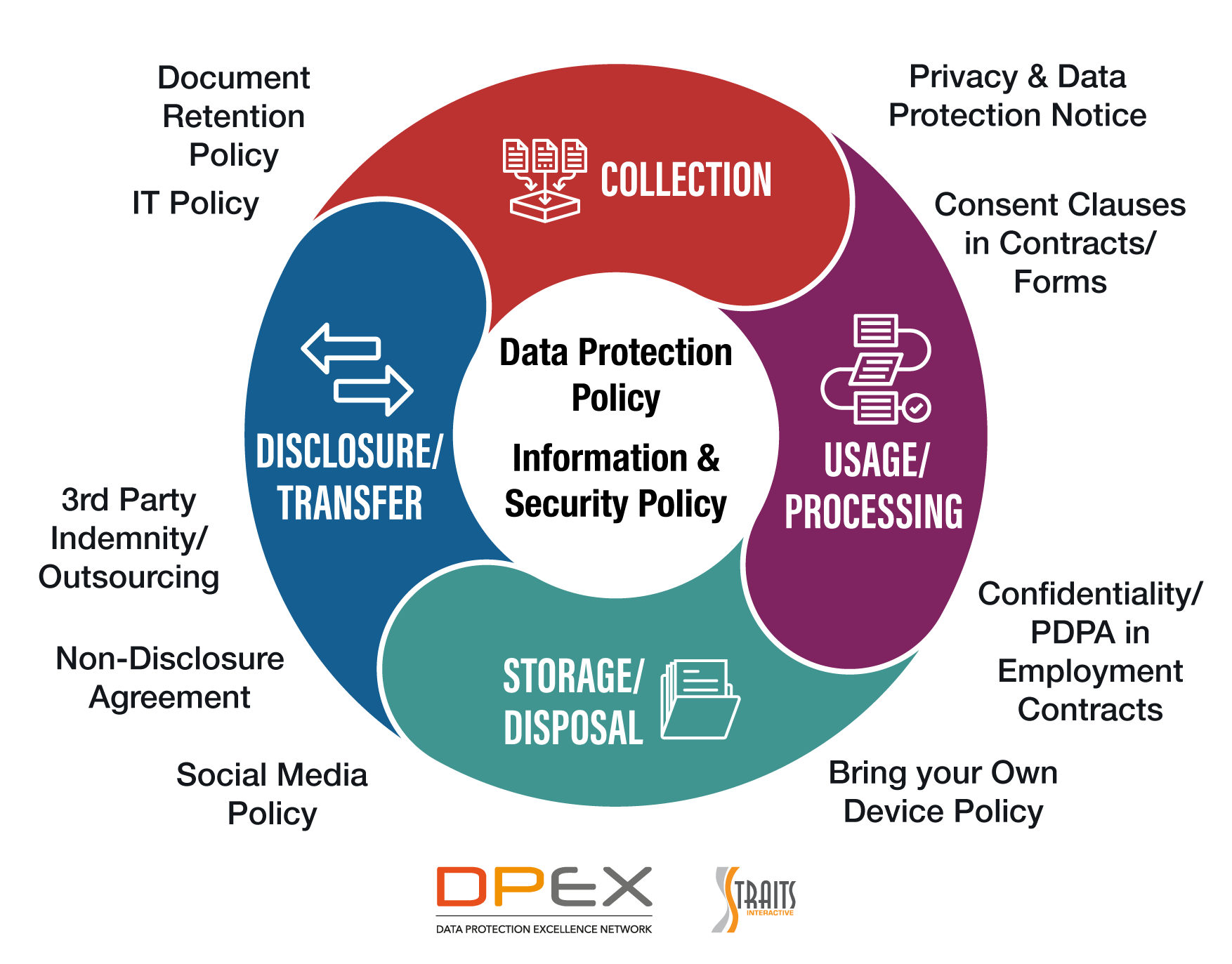
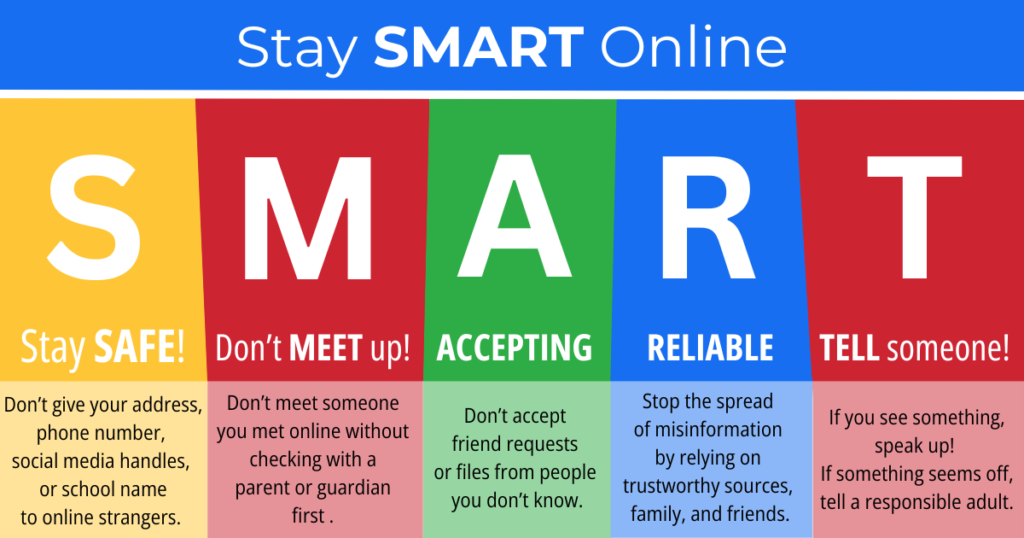
One of the most important aspects of online safety is controlling what personal information you share.
Key tips:
-
Avoid sharing full addresses, phone numbers, or ID documents publicly
-
Be cautious when filling out online forms
-
Check privacy settings on social media platforms
-
Think twice before posting personal details
Once information is online, it can be difficult — or impossible — to remove.
Creating Strong and Secure Passwords
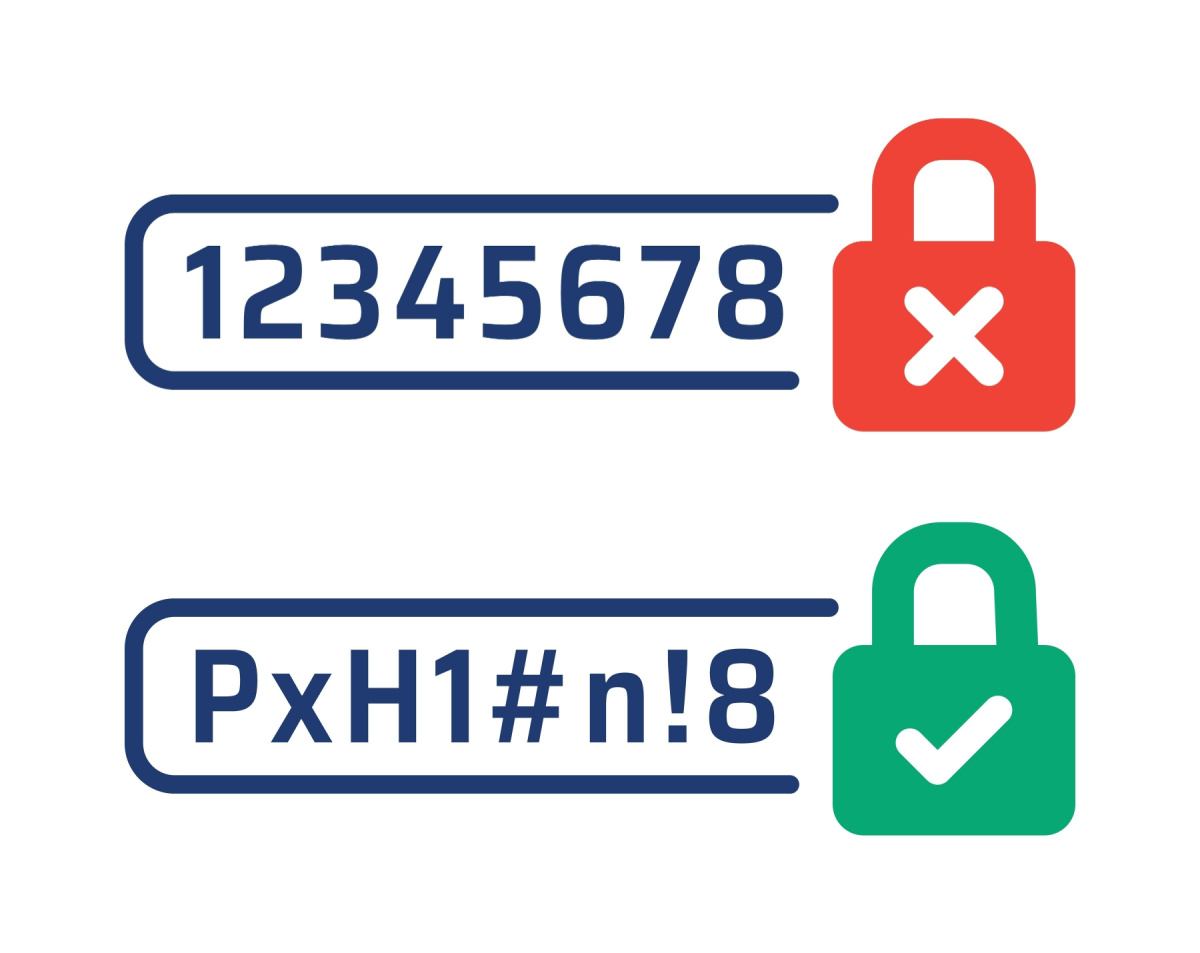

Weak passwords are one of the most common causes of hacked accounts. A strong password is your first line of defense.
Best practices:
-
Use long passwords with letters, numbers, and symbols
-
Avoid using birthdays, names, or simple sequences
-
Never reuse the same password across multiple sites
-
Consider using a password manager
Enabling two-factor authentication (2FA) adds an extra layer of protection.
Recognizing Online Scams and Phishing
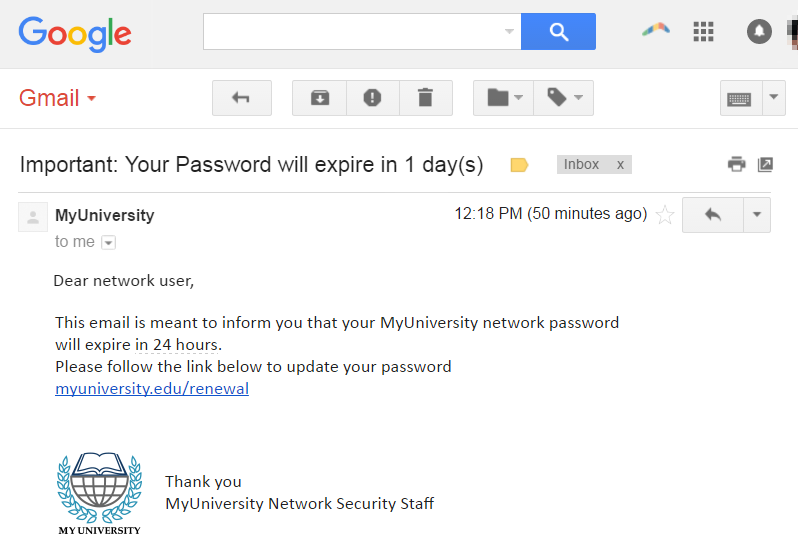


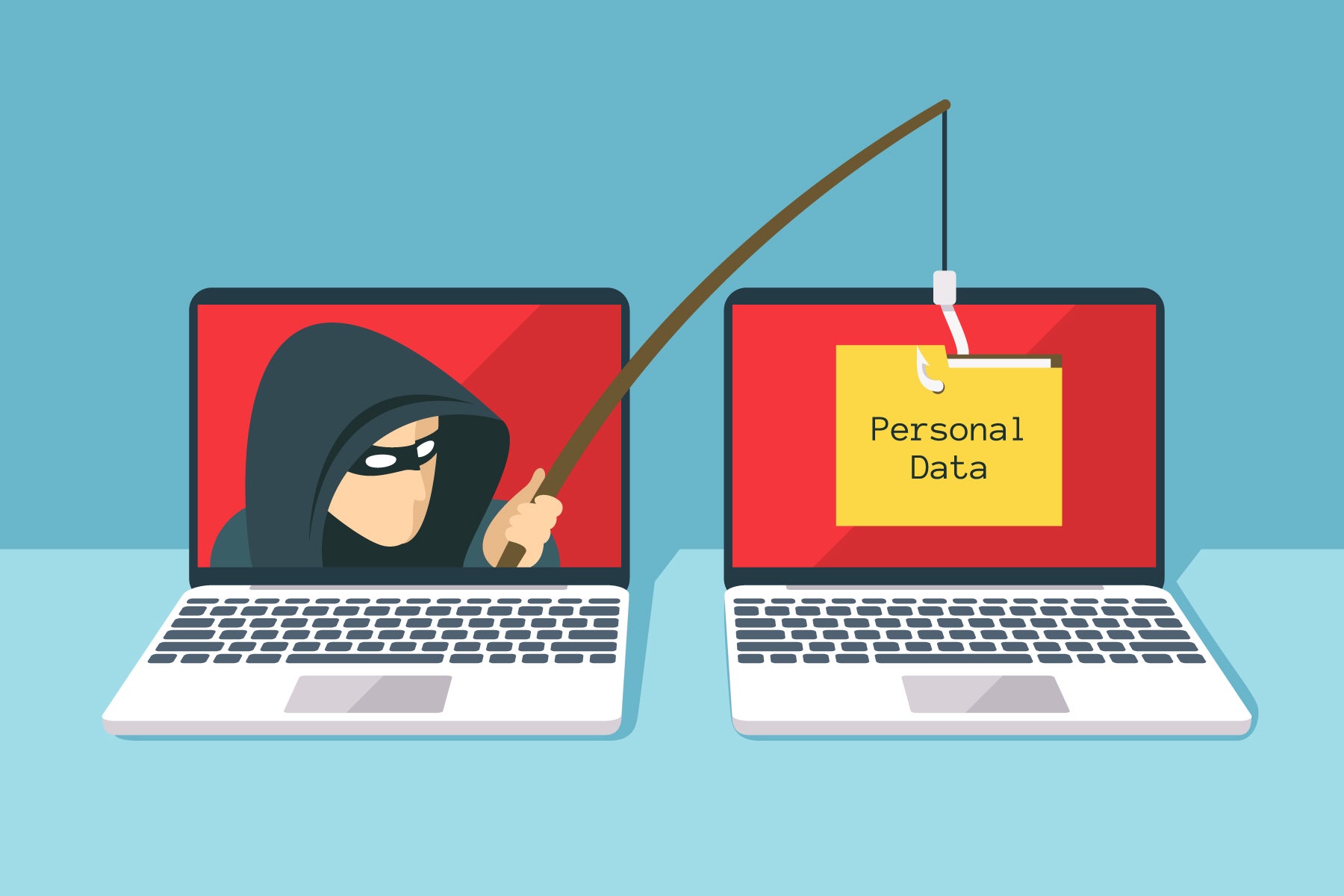
Scammers often try to trick users into sharing sensitive information by pretending to be legitimate companies or contacts.
Warning signs include:
-
Urgent messages asking for immediate action
-
Suspicious links or attachments
-
Poor spelling or generic greetings
-
Requests for passwords or financial information
Always verify the source before clicking links or responding to messages.
Safe Social Media Usage
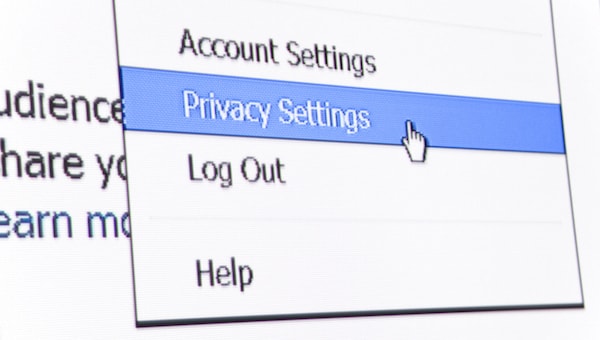

Social media connects people but can also expose users to risks if not used carefully.
Safety tips:
-
Limit who can see your posts and profile
-
Avoid accepting friend requests from strangers
-
Be mindful of what you share publicly
-
Report harassment or abusive behavior
Maintaining healthy boundaries online is essential for both security and mental well-being.
Protecting Children and Teens Online
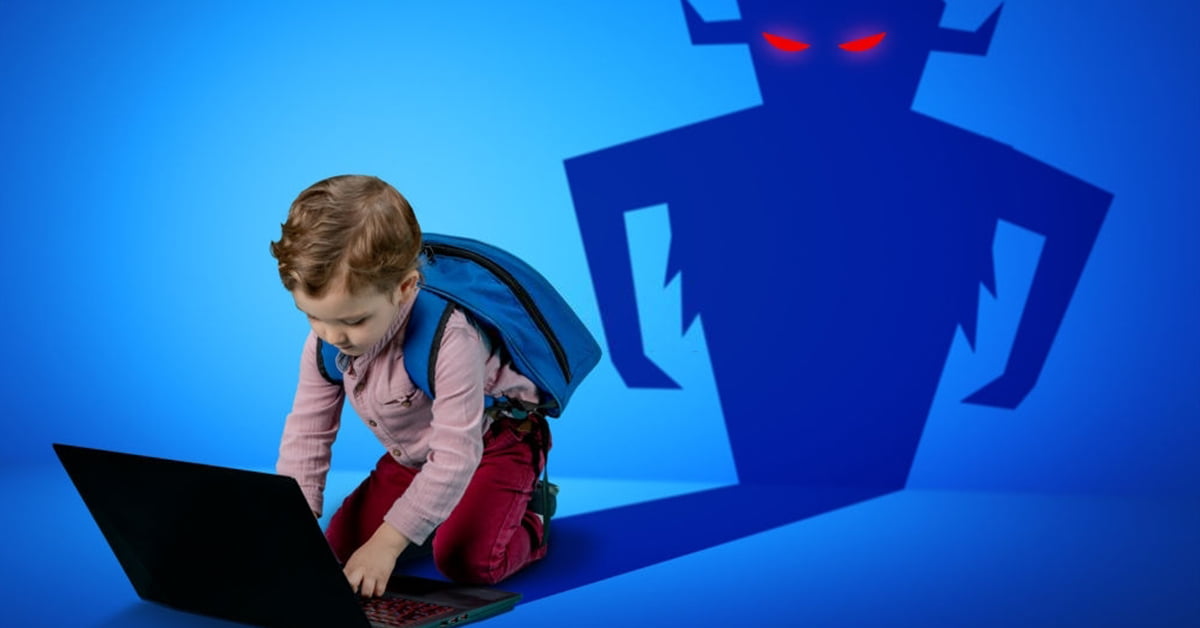


Children and teenagers are especially vulnerable online and need guidance and supervision.
Important measures:
-
Talk openly about online risks
-
Set screen time limits
-
Use parental control tools when appropriate
-
Encourage kids to report uncomfortable situations
Education and communication are more effective than strict restrictions alone.
Using Public Wi-Fi Safely
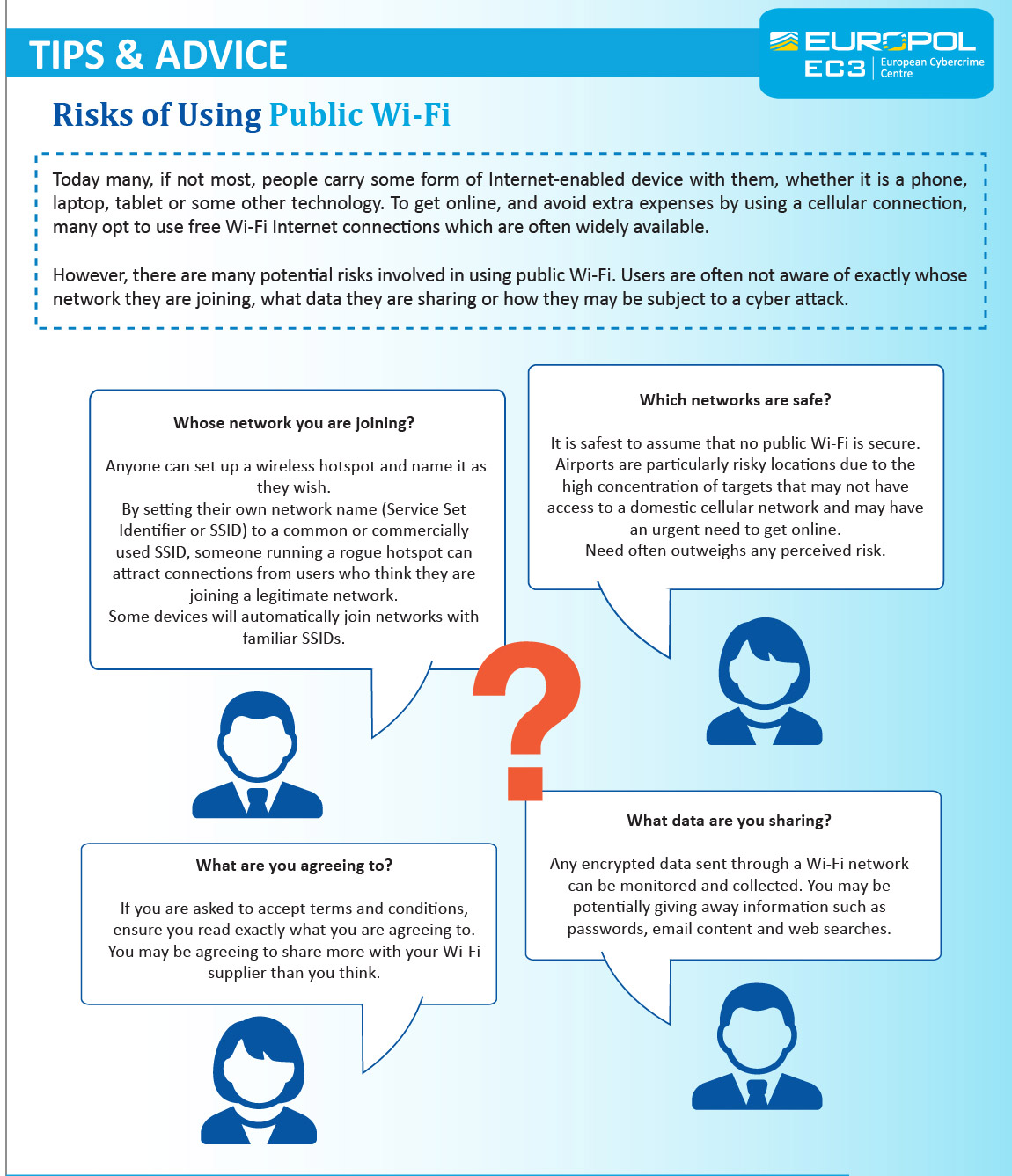
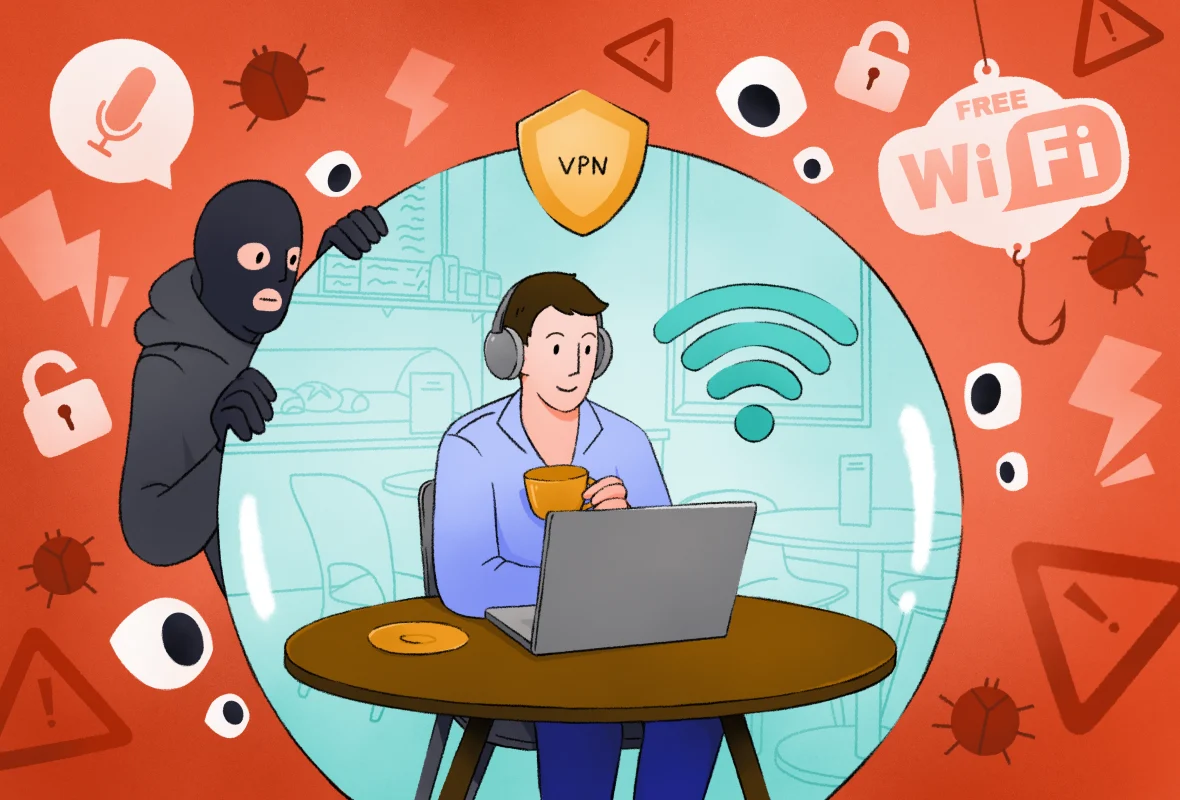
Public Wi-Fi networks are convenient but often insecure.
How to stay safe:
-
Avoid accessing banking or sensitive accounts
-
Use a VPN when possible
-
Turn off automatic Wi-Fi connections
-
Log out of accounts after use
Public networks are easy targets for cybercriminals.
Keeping Devices and Software Updated

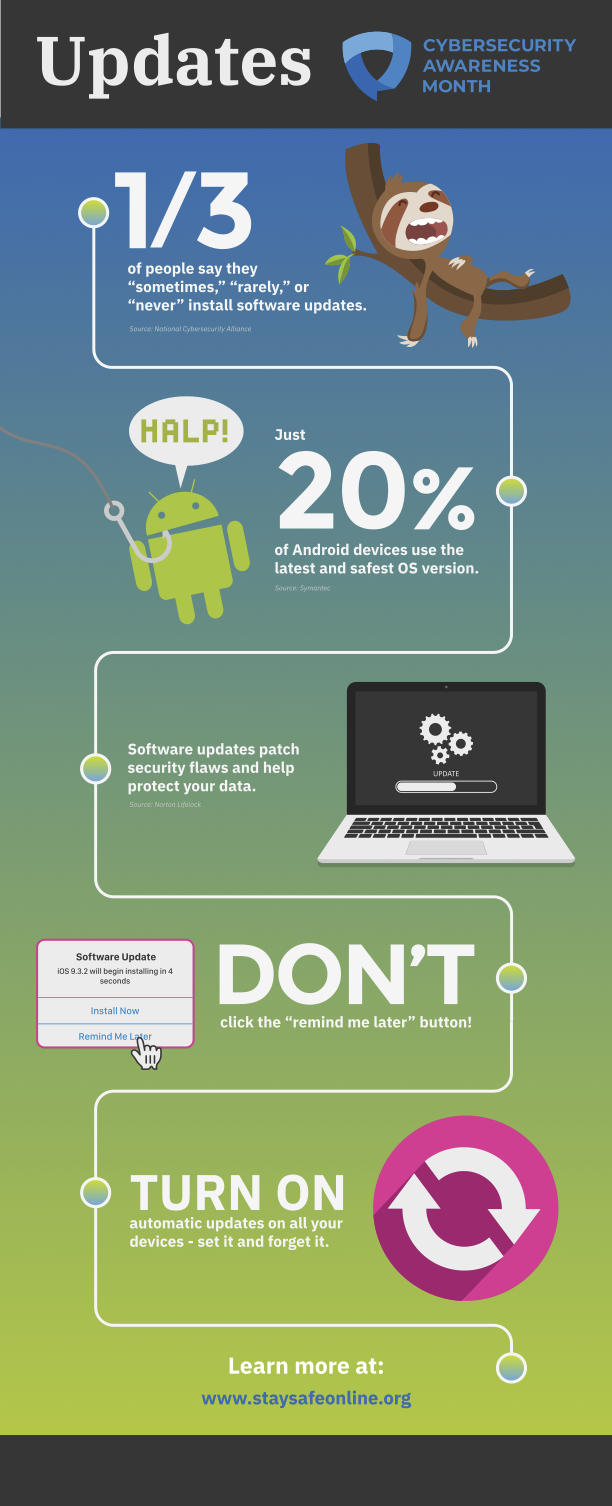

Updates are not just about new features — they often fix security vulnerabilities.
Best habits:
-
Enable automatic updates
-
Install updates from official sources only
-
Keep antivirus and firewall tools active
Outdated software makes devices easier to exploit.
Managing Your Digital Footprint
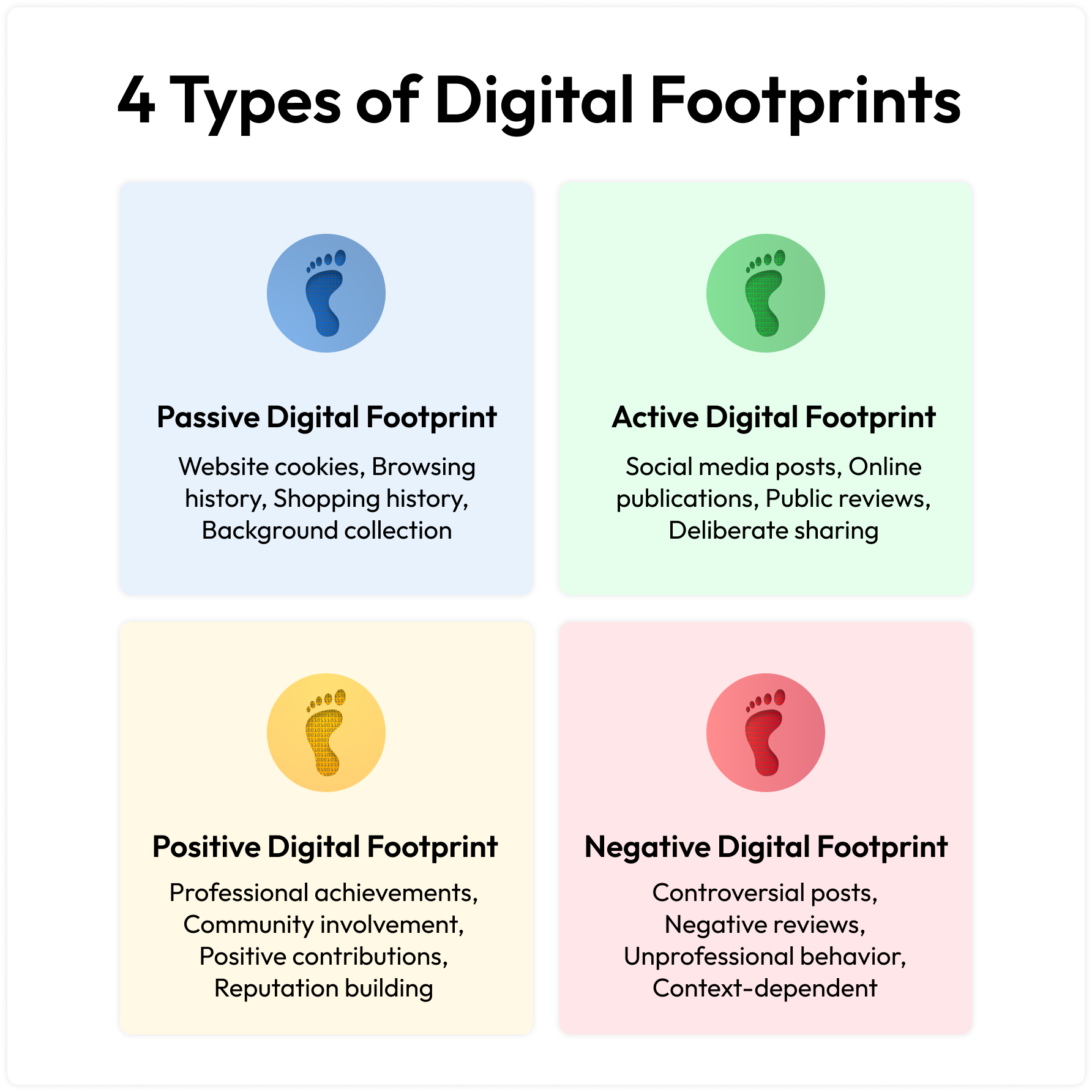

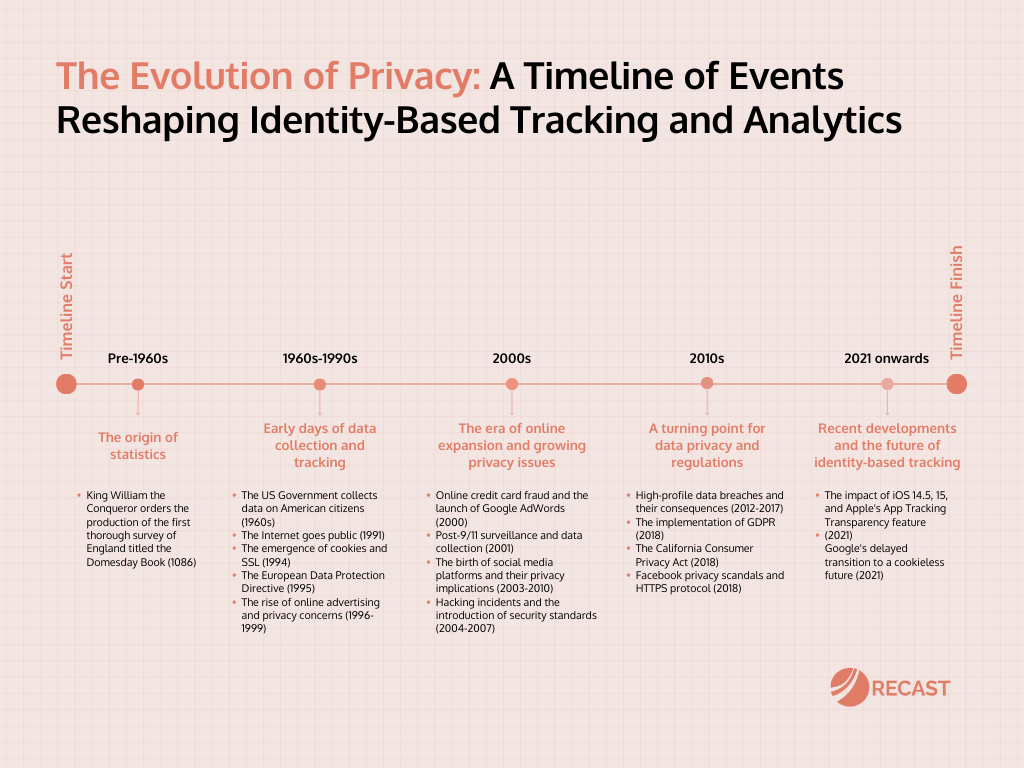
Everything you do online contributes to your digital footprint — the trail of data you leave behind.
Why it matters:
-
Employers and schools may check online profiles
-
Old posts can resurface years later
-
Public data can be misused
Regularly review your online presence and remove unnecessary or risky content when possible.
Cyberbullying and Online Harassment
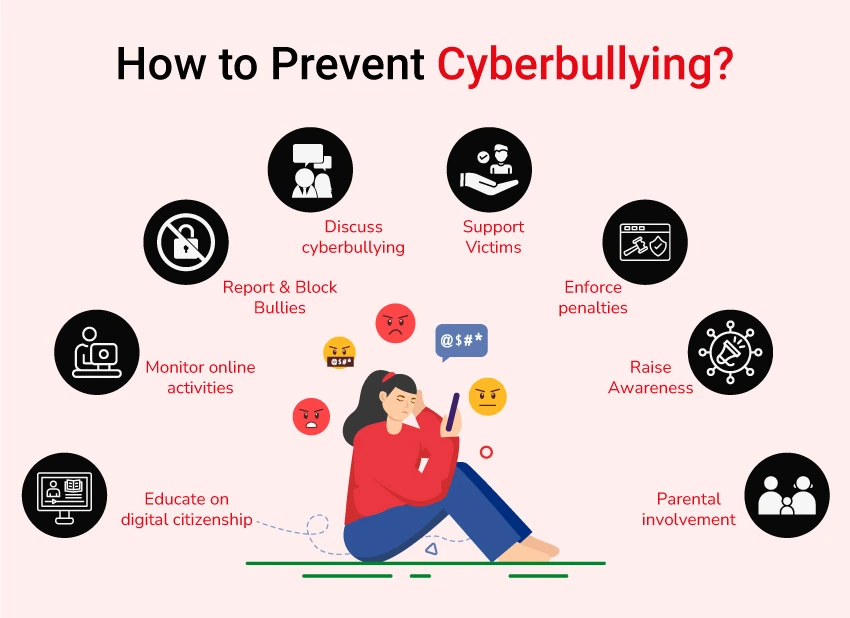
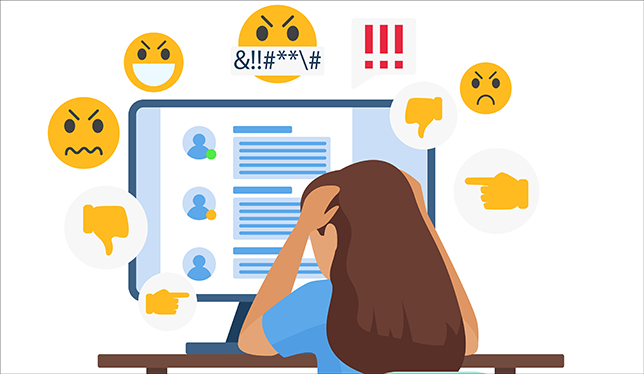
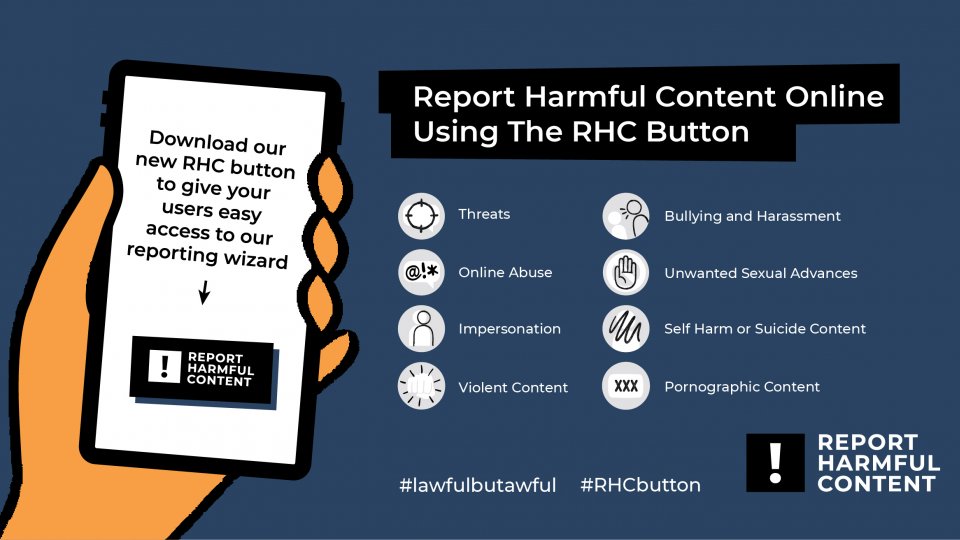
Online safety also includes protecting emotional and mental health.
If you experience cyberbullying:
-
Do not engage with the attacker
-
Save evidence (screenshots, messages)
-
Block and report the account
-
Seek support from trusted people
No one should tolerate abuse — online or offline.
Conclusion

Online safety is about awareness, habits, and responsibility. By protecting personal information, recognizing threats, and using digital tools wisely, you can enjoy the internet with confidence and peace of mind.
The digital world continues to evolve, and so do online risks. Staying informed and cautious is the best way to remain safe, connected, and empowered online.