Why Sharing Your Location Online Can Be Dangerous
Discover how location data can be used by strangers, advertisers, and cybercriminals
In the modern digital age, “checking in” has become second nature. Whether you are posting a photo of your morning coffee, sharing a live update from a concert, or allowing your favorite social media app to tag your coordinates, sharing your location feels like a harmless way to share your experiences. However, every time you broadcast your whereabouts to the internet, you are leaving a digital breadcrumb trail that can be exploited by individuals with malicious intent.
While it is tempting to share every detail of our lives with our social circles, the reality is that the internet is a public space. Once a piece of location data is shared, you lose control over who sees it, how it is stored, and how it might be used against you.
In this guide, we will explore the hidden dangers of online location sharing and provide you with actionable steps to regain control of your digital footprint.
The Illusion of Privacy in a Connected World
Many people mistakenly believe that their social media profiles are only seen by “friends.” However, in the vast ecosystem of the internet, privacy settings are often less secure than we assume. A friend-of-a-friend, a data broker, or a stranger looking for an easy target can gain access to the data you thought was private.
When you share your location, you aren’t just sharing a coordinate; you are sharing a contextual map of your life. You are revealing:
-
Your habits: Where you shop, where you exercise, and when you are away from home.
-
Your social circle: Who you are with, which can expose others to the same risks.
-
Your vulnerabilities: Identifying that you are currently in a public, crowded, or isolated area.
The Real-World Risks of Location Sharing
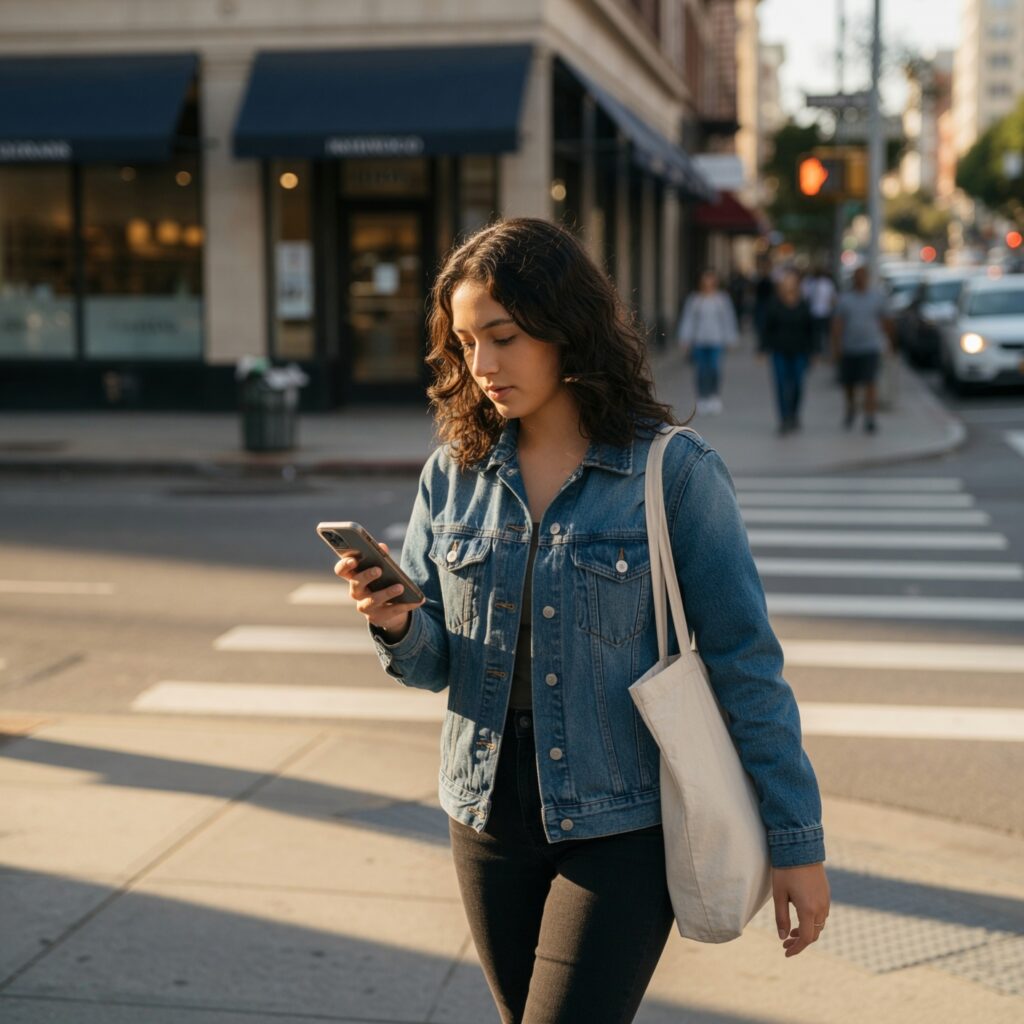
The dangers of location sharing are not just theoretical; they can manifest in very real-world ways. Here is why you should be cautious about what you broadcast.
1. The Risk to Personal Safety and Stalking
Stalking is a pervasive issue, and social media has made it significantly easier for stalkers to keep track of their targets. By monitoring your “check-ins” or the location data embedded in your photos, a stalker can easily determine your patterns. They can learn exactly when you are at the gym, when you are at work, or—most dangerously—when you are alone at home.
2. Physical Burglary and Home Security
One of the most common ways burglars operate is by looking for empty homes. If you post a photo from a restaurant or an airport with the location tag, you are effectively telling the world, “My house is currently unoccupied.” This information is a goldmine for criminals, especially if your profile also contains photos that reveal the interior or exterior of your home.
3. Data Harvesting and Marketing Profiling
Beyond individual stalkers, there is the threat of corporate surveillance. Data brokers aggregate your location history from various apps and services to build a comprehensive profile of your life. This data is sold to advertisers to create “predictive models” of your behavior. While this is often framed as “personalization,” it is essentially an invasion of your privacy that allows companies to exploit your emotional state and purchasing habits.
4. Identity Theft and Fraud
Your location data can be used to add credibility to phishing scams. If a scammer knows exactly which bank you use, which grocery store you frequent, and what city you live in, they can craft highly sophisticated messages that are much more likely to deceive you.
How Technology Tracks You (Without You Realizing)
Tracking isn’t always as simple as an explicit “check-in.” Your device and the apps you use employ a variety of subtle methods to pin down your location.
GPS and Geotagging
Every time you take a photo with your smartphone, your device adds “metadata” to the image file, known as EXIF data. This data often includes the exact GPS coordinates where the photo was taken. If you upload that photo to a public forum or social media site, anyone can extract those coordinates to find the exact location of your home or office.
Bluetooth and Wi-Fi Scanning
Even when your GPS is turned off, your phone is constantly scanning for Bluetooth signals and Wi-Fi networks. Apps and local businesses use this to track your movement through stores, malls, and public spaces, creating a detailed map of your presence in the physical world.
IP Address Tracking
Every time you connect to the internet, your device is assigned an IP address. While this address changes, it is typically linked to your Internet Service Provider and your general geographical location (city or neighborhood). While not as precise as GPS, it is enough for third parties to make educated guesses about where you live and work.
Proactive Steps to Secure Your Location Data
You don’t need to disconnect from the world to stay safe. You simply need to become a “conscious sharer.” Here is your strategy for locking down your location data.
1. Disable Location Services on a Per-App Basis
Go into your smartphone settings and audit your apps. Does your flashlight app need your location? Does that horoscope reader?
-
Go to: Settings > Privacy > Location Services.
-
Review every app: Change permissions to “While Using the App” or “Never.” If an app doesn’t truly need your location to function, turn it off completely.
2. Strip Metadata from Your Photos
Before sharing photos on public platforms, strip the EXIF data. Many social media apps (like Instagram or Facebook) do this automatically upon upload, but not all of them do. You can use simple “metadata remover” tools or apps to clean your files before sharing.
3. Turn Off “Significant Locations”
Both iOS and Android have features that track the places you visit most often to provide “personalized” suggestions. While this can be convenient, it is a massive security risk if your phone is ever lost or stolen.
-
On iPhone: Go to Settings > Privacy > Location Services > System Services > Significant Locations and turn it off.
4. Be Careful with “Tagging” and “Check-ins”
Practice the “Delay Rule.” Never post a real-time update of where you are. If you want to share a photo of your dinner or a beautiful view, post it after you have left the location. This simple habit keeps your current whereabouts private.
5. Use a VPN
When using public Wi-Fi, your location is broadcasted via your IP address. A Virtual Private Network (VPN) masks your true IP address, making it appear as though you are connecting from a different city or even a different country, adding a layer of obfuscation to your location data.
Protecting Your Children and Family
When it comes to family, the stakes are even higher. It is incredibly common for parents to share photos of their children, often including school uniforms, local landmarks, or playgrounds.
-
Avoid identifiable landmarks: If you share photos of your children, ensure the background doesn’t reveal their school or your home address.
-
Teach digital boundaries: As children grow older, teach them why “live tagging” is dangerous. Explain that the internet is a permanent archive and that protecting their location is a way to stay safe in the real world.
-
Lock down social media: Ensure your family members’ accounts are set to private and that you aren’t “tagging” each other in real-time posts.
The Psychology of Location Sharing
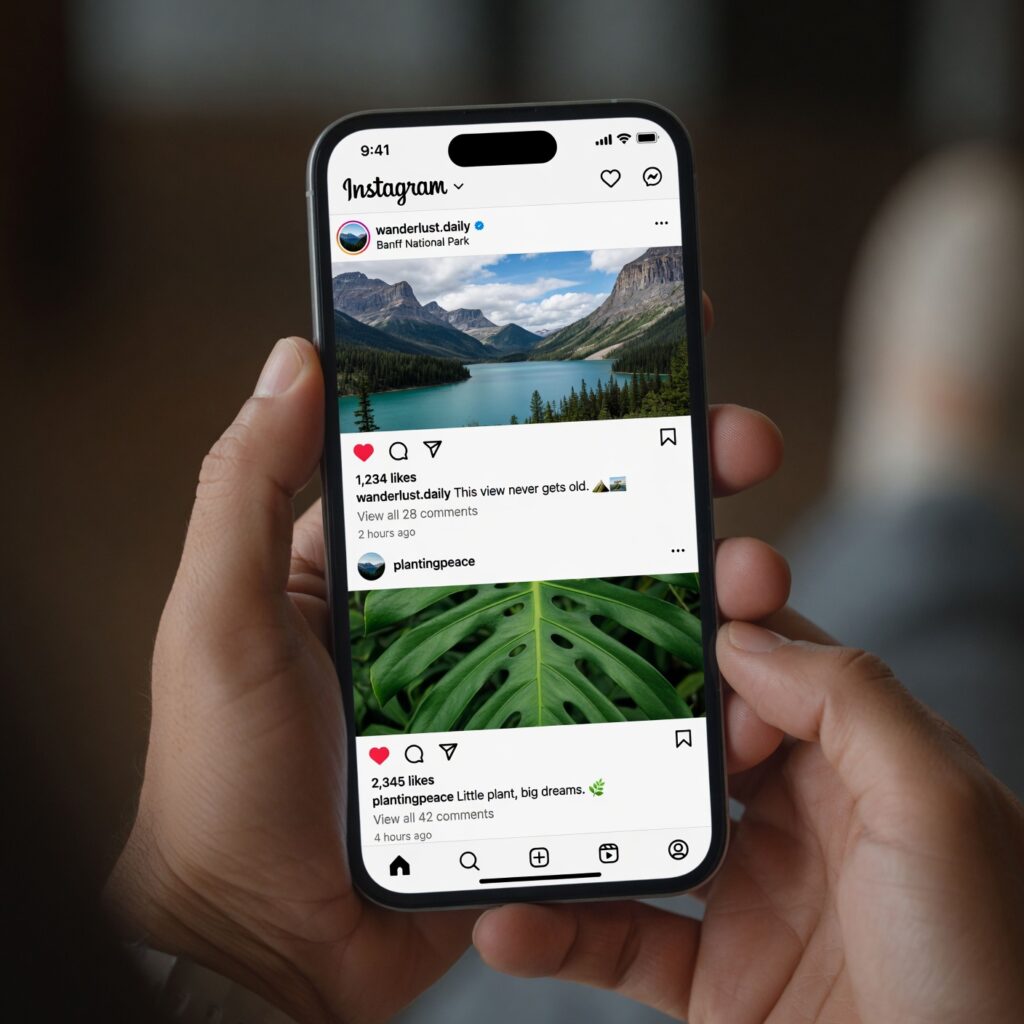
Why do we do it? We share our location because it feels like it validates our experiences. We want to show our friends we are at a concert, at a beach, or at a fancy restaurant. This psychological need for connection often overrides our internal alarm bells regarding safety.
Recognizing this impulse is the key to moderation. When you feel the urge to “check in,” take five seconds to ask yourself: Who am I sharing this with, and does the public need to know exactly where I am right now?
Sharing after the fact—when you are safe at home—is just as effective for telling your story, without the security risks associated with broadcasting your real-time location.
Privacy as a Lifestyle
Privacy is not something you achieve once; it is a lifestyle that requires constant vigilance. In 2026, the technology used to track us is only becoming more advanced, from AI-driven data aggregation to precise beacon tracking in retail environments.
However, the power still rests with you. By being mindful of your permissions, cleaning your metadata, and delaying your posts, you can maintain your connection to the world without making yourself a target.
Treat your location like a secret—because, in a world where data is harvested, sold, and misused, that is exactly what it is.