How Couchsurfing Helps Travelers Meet New People
Explore the features that make it easier to meet people before and during your trips
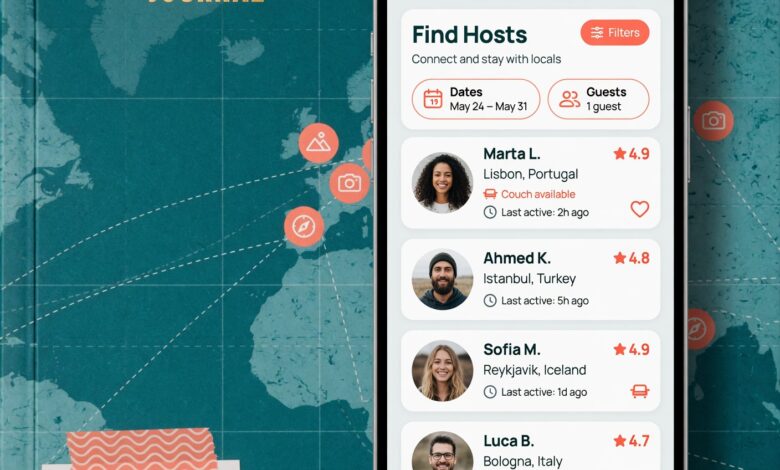
Travel is often painted as a series of iconic monuments, crowded museums, and perfectly framed Instagram photos. But for those who venture beyond the typical tourist traps, the true essence of travel isn’t found in the sights—it’s found in the people. If you are looking to peel back the layers of a new culture and forge genuine human connections, Couchsurfing has long been the gold standard for social travel.
While many travelers view it strictly as a way to save money on accommodation, the reality is far more profound. Couchsurfing is a global community that acts as a bridge, connecting curious travelers with open-minded locals. Whether you are a solo traveler looking for a friendly face or a pair of friends hoping to dive deep into a new city, here is how this platform can transform your travel experience from a standard vacation into a lifelong memory.
What Exactly Is Couchsurfing?
At its core, Couchsurfing is a hospitality exchange network. It connects travelers with locals who are willing to share their space—a spare bedroom, a sofa, or even a literal couch—for free. However, defining it only by the “free bed” aspect misses the point entirely.
The platform was built on the philosophy of cultural exchange. It provides a structured yet informal way to bypass the “tourist bubble.” When you stay with a host, you aren’t just getting a place to sleep; you are getting a window into the daily life of someone who knows the city inside out. It is a social ecosystem that thrives on the curiosity and generosity of strangers.
Why Couchsurfing is the Ultimate Tool for Meeting People



The biggest hurdle for any traveler, especially solo ones, is the “social barrier.” In a hotel, you might exchange polite nods with other guests, but deep conversation is rare. Couchsurfing eliminates this barrier from the very first interaction.
1. The Power of Shared Interests
When you create a profile, you aren’t just listing where you are going. You are sharing your hobbies, your musical tastes, your travel philosophy, and your language skills. This algorithmic matchmaking means that when you connect with a host, you already have a foundation of common ground. You aren’t meeting a random person; you are meeting someone who might share your love for indie films, sustainable hiking, or photography.
2. Local Insight: The “Friend-of-a-Friend” Effect
A local host is the ultimate social multiplier. They have their own circle of friends, favorite cafes, and local secrets. Often, staying with a host means you get invited to a backyard BBQ, a local festival, or a quiet night out at a place that isn’t featured in any guidebook. You are introduced to the city not as a tourist, but as a guest of a friend.
3. Community Events and “Hangouts”
You don’t even need to be surfing a couch to meet people. The Couchsurfing mobile app includes a “Hangouts” feature. If you’re sitting in a park or a coffee shop feeling a bit lonely, you can set your status to “Hangout” and signal to other nearby travelers and locals that you’re open to grabbing a drink or exploring a landmark together. It’s an organic, low-pressure way to expand your social circle while on the road.
Building a Profile That Attracts Real Connections
If your goal is to meet people, your profile is your digital handshake. A blank, half-finished profile is like showing up to a party in the dark—no one can see who you are, so they’ll likely walk right past you.
-
Be Authentic, Not Professional: You aren’t applying for a job. Write about what makes you tick. What is your favorite book? What is the one thing you want to do in the city you’re visiting?
-
Quality Photos: Include photos of yourself doing things you love—hiking, cooking, or laughing with friends. It humanizes you and provides natural “talking points” for your potential hosts.
-
Be Specific: Instead of writing “I like travel,” mention that you love “finding the best street food in Southeast Asia” or “photography in urban environments.” Specificity breeds connection.
The Art of the Request: How to Get “Yes” Without Being a “Free-Loader”
The most common mistake beginners make is sending “copy-paste” requests that look like spam. Hosts on the platform are often flooded with messages. To stand out and truly meet people, you need to show you’ve put in the effort.
-
Read the Profile: Many hosts hide “keywords” in their bio to see if you actually read it. If they mention they love cats, start your message with something about your own feline friend.
-
The “Why” Matters: Clearly articulate why you want to meet them specifically. Did they have a great recommendation in their bio? Do you share an interest?
-
Offer Value: It isn’t just about what you can get. If you’re a great cook, offer to make a meal from your home country. If you play the guitar, offer to bring it along. The best Couchsurfing experiences are reciprocal—they are exchanges of culture, not just services.
Safety First: How to Navigate the Community Confidently
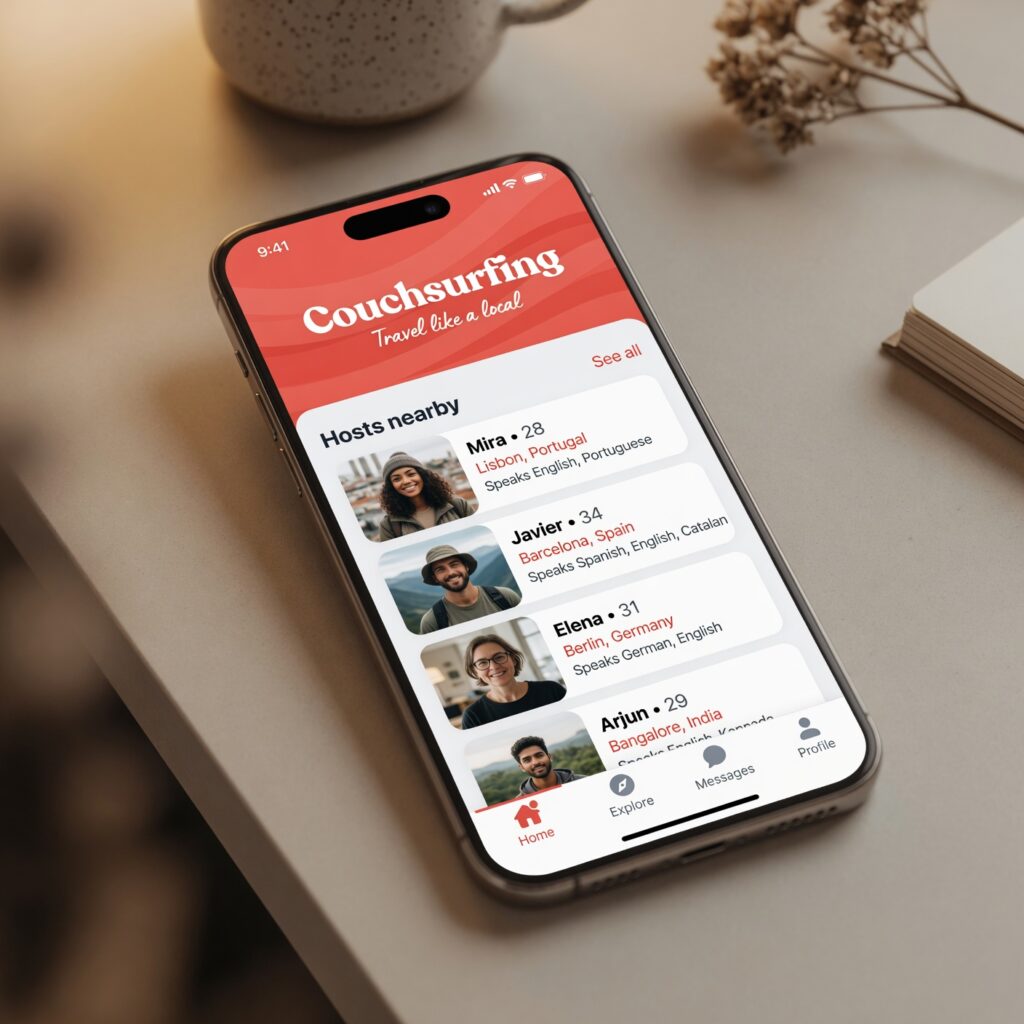
Meeting strangers requires a healthy dose of common sense. The Couchsurfing community has built robust systems to keep its members safe, but your personal vigilance is the final, most important layer.
-
Check References: This is the cornerstone of the platform. Always, and we mean always, look for hosts with multiple positive reviews. Read the reviews to see if previous guests felt safe and comfortable.
-
Communicate Inside the App: Keep your messages within the official platform until you are comfortable enough to move to a private messaging app. It keeps a record of your interactions and protects your personal contact information.
-
Trust Your Gut: If a profile feels “off,” if the photos are too vague, or if the host’s behavior makes you uncomfortable, walk away. There is absolutely no pressure to stay anywhere that doesn’t feel right.
-
Have a Backup Plan: Never arrive in a city without a Plan B. Whether it’s a hostel or a hotel, knowing you have a safe place to go if things don’t work out gives you the peace of mind to be adventurous.
Etiquette: Being a Guest Who Everyone Wants to Host
If you want to continue meeting amazing people, you have to be the kind of person others want to invite back.
-
Communication is Key: Be clear about your arrival times. Don’t leave your host guessing. If you are delayed, let them know immediately.
-
Respect the “House Rules”: Every home has a vibe. Some are quiet sanctuaries, while others are bustling hubs of activity. Respect your host’s boundaries. If they work early in the morning, keep the noise down.
-
Leave No Trace (And Then Some): Keep your sleeping area tidy. If you use the kitchen, clean up after yourself. It’s a simple gesture that says, “I appreciate your generosity.”
-
The Small Gesture: You don’t need to be expensive. A small box of chocolates, a postcard from your hometown, or helping with the dishes goes a long way in showing genuine gratitude.
How to Maximize Cultural Exchange

The beauty of Couchsurfing is the cultural dialogue. Don’t just sit in your room on your phone. Engage!
-
Ask Questions: Most people love talking about their home city. Ask, “What do you love most about living here?” or “Where do the locals actually eat?”
-
Share Your Culture: Be ready to talk about your own home. You are an ambassador of your own culture, and locals are often just as curious about your life as you are about theirs.
-
The “One Thing” Rule: Try to learn one new thing from your host every day. It could be a local slang word, a recipe, or a piece of local history. These small takeaways are what make a trip truly “rich.”
Expanding Your World
At the end of the day, the people you meet while traveling are the true souvenirs of your journey. Couchsurfing isn’t just a website or an app; it is a movement that reminds us that, despite our different languages and backgrounds, most people are inherently kind and eager to connect.
By stepping out of your comfort zone, embracing the vulnerability of being a guest, and approaching every interaction with an open mind, you aren’t just visiting a destination—you are becoming part of its fabric. So, update your profile, reach out with a kind note, and get ready to discover that the world is much smaller, and much friendlier, than you ever imagined.
Frequently Asked Questions (FAQ)
Is Couchsurfing really free?
Yes, the platform is built on the concept of hospitality exchange, so there is no financial transaction for accommodation. However, it is common courtesy to bring a small gift or offer to buy a coffee or dinner for your host to show appreciation.
Can I use Couchsurfing if I’m traveling with a partner or friend?
Absolutely. Many hosts are happy to host couples or pairs. Just ensure you filter your search to “any number of guests” and be upfront in your request message so the host knows who will be staying.
What if I don’t feel comfortable staying in someone’s home?
That is perfectly okay! You can still use the app to join local events or use the “Hangouts” feature to meet people in public spaces like parks, cafes, or museums. You don’t have to stay with someone to be part of the community.
How do I know if a host is “safe”?
Look for verified profiles and read the references left by previous surfers. A long history of positive, detailed reviews is the best indicator of a reliable host. Always trust your intuition; if something feels wrong, don’t hesitate to decline or leave.
Do I have to host to be a surfer?
While hosting is highly encouraged and is a great way to “pay it forward,” it is not a strict requirement to surf. However, many people find that once they experience being a guest, they eventually want to experience the joy of being a host themselves.