Facebook Dating vs Tinder: Which One Is Better?
Compare Facebook Dating and Tinder to understand which platform better fits your dating goals
In the fast-paced world of digital romance, choosing the right platform can feel like a full-time job. With hundreds of apps vying for your attention, the “big two”—Facebook Dating and Tinder—often sit at the top of the consideration list. But which one actually delivers the results you’re looking for?
Whether you are seeking a serious, long-term commitment or just looking for casual conversation and fun, the choice between these two platforms can significantly impact your experience. In this guide, we dive deep into the differences, pros, cons, and user experiences to help you decide which app deserves a spot on your phone.
Understanding the Landscape: The Core Philosophy
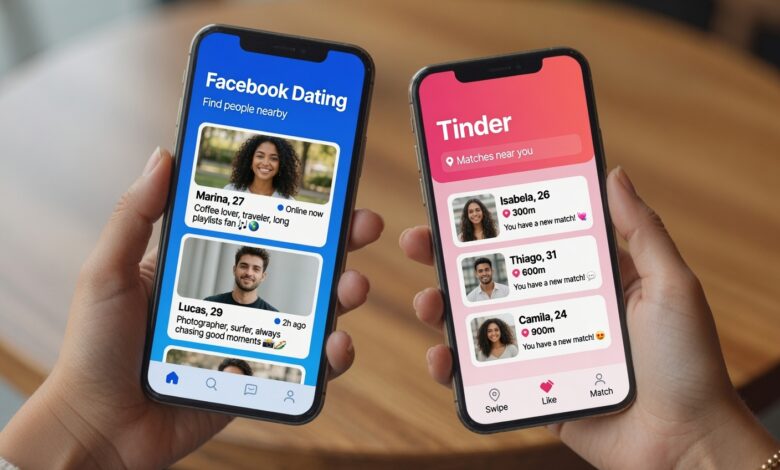
Before comparing the features, it is vital to understand the “soul” of each app. Tinder effectively birthed the modern “swipe” culture. It is designed for speed, efficiency, and a massive volume of potential matches. It thrives on proximity and visual appeal.
Facebook Dating, on the other hand, is built on the foundation of your existing social network (without necessarily showing your profile to your friends). It leverages the massive amount of data Meta has about your interests, groups, and events to create a more “organic” matchmaking experience.
User Interface and Ease of Use
For the casual user, the interface is the first point of contact.
-
Tinder: The interface is sleek, fast, and intuitive. The “swipe right” or “swipe left” mechanic is so simple that anyone can master it in seconds. However, the app is heavily gamified, which can sometimes make the experience feel less like human connection and more like an endless game.
-
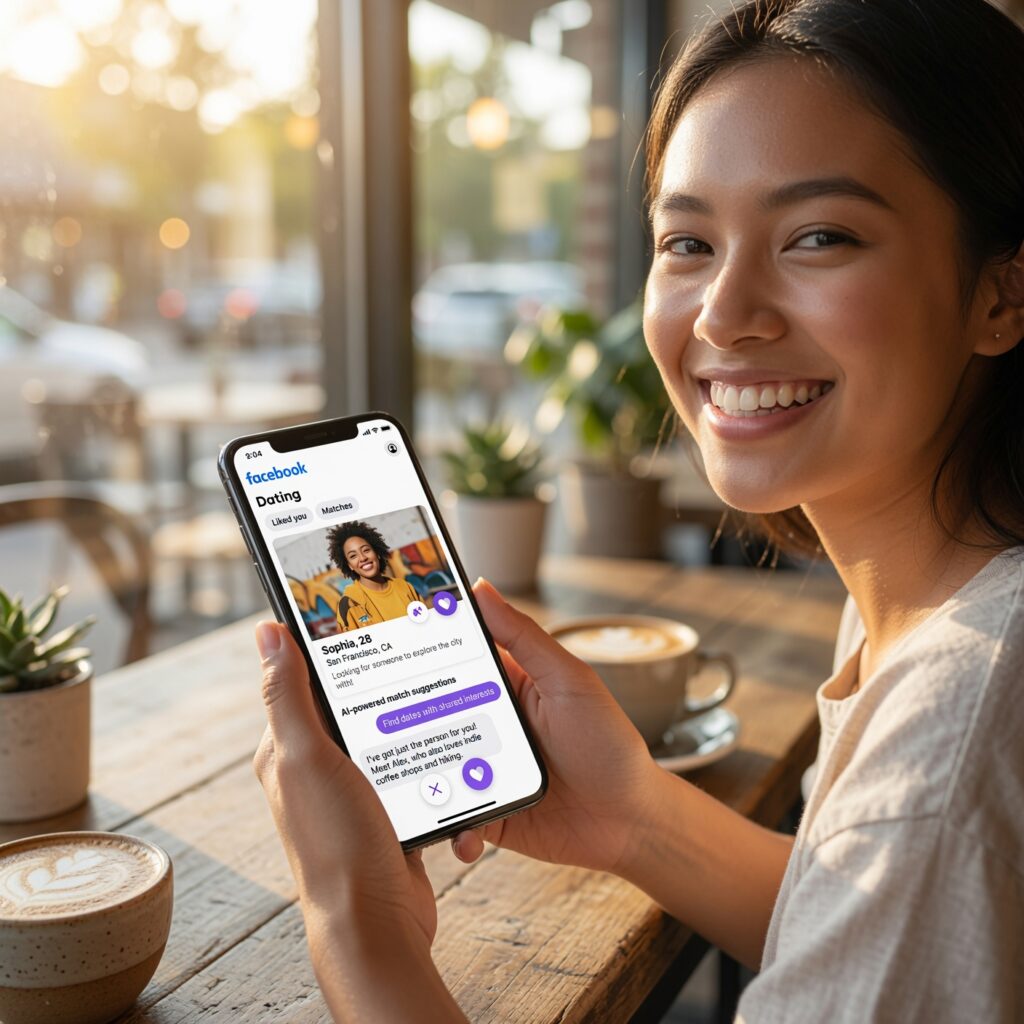
Facebook Dating: Because it lives inside the existing Facebook app, it feels like an extension of your social media experience. It is cleaner and arguably less distracting because it lacks the “flashy” animation of swiping. If you are already a heavy Facebook user, the transition is seamless.
The Matchmaking Algorithm: Quality vs. Quantity
The heart of any dating app is its ability to find “the one” (or at least “the one for now”).
-
Tinder’s Approach: Tinder’s algorithm is based on popularity and proximity. It shows you the most active users near you. While this guarantees a high volume of profiles, it often sacrifices compatibility. You are forced to rely heavily on photos and a short bio to make a split-second decision.
-
Facebook Dating’s Approach: Because Meta has access to your interests, groups, and even events you attend, the app attempts to pair you with people who share your actual life hobbies. This can lead to more meaningful conversations, as you already have a “hook” to start your first message.
Safety and Privacy: Keeping You Secure
Safety is the number one concern for anyone entering the world of online dating.
How Tinder Stacks Up
Tinder has invested heavily in safety features, including photo verification, video chat integration, and safety centers. However, due to its massive user base and “casual” reputation, it is also a magnet for bots and scammers. Users must remain vigilant and follow best practices, such as never sending money and moving to a video call early.
The Facebook Dating Advantage
One of the distinct advantages of Facebook Dating is the barrier to entry. Because it is tied to an existing, established Facebook account, it is much harder for bots to mass-produce fake profiles. Many users report feeling more comfortable because they can see if they share “mutual friends” with a match—a feature that provides an immediate sense of social accountability.
Cost: Is Free Really Free?
In the world of dating apps, “free” is a relative term.
-
Tinder’s Model: While you can use Tinder for free, the platform is heavily incentivized toward its premium tiers: Tinder Plus, Gold, and Platinum. Without paying, you are limited by swipes, and you may find it difficult to stand out in a sea of millions of users.
-
Facebook Dating’s Model: This is where Facebook wins in terms of pure value. It is genuinely free. There are no hidden subscription tiers, no “Platinum” memberships to boost your profile, and no pay-to-win features. All users are on a level playing field, which keeps the experience focused on the individuals rather than their wallets.
Who Should Use Tinder?
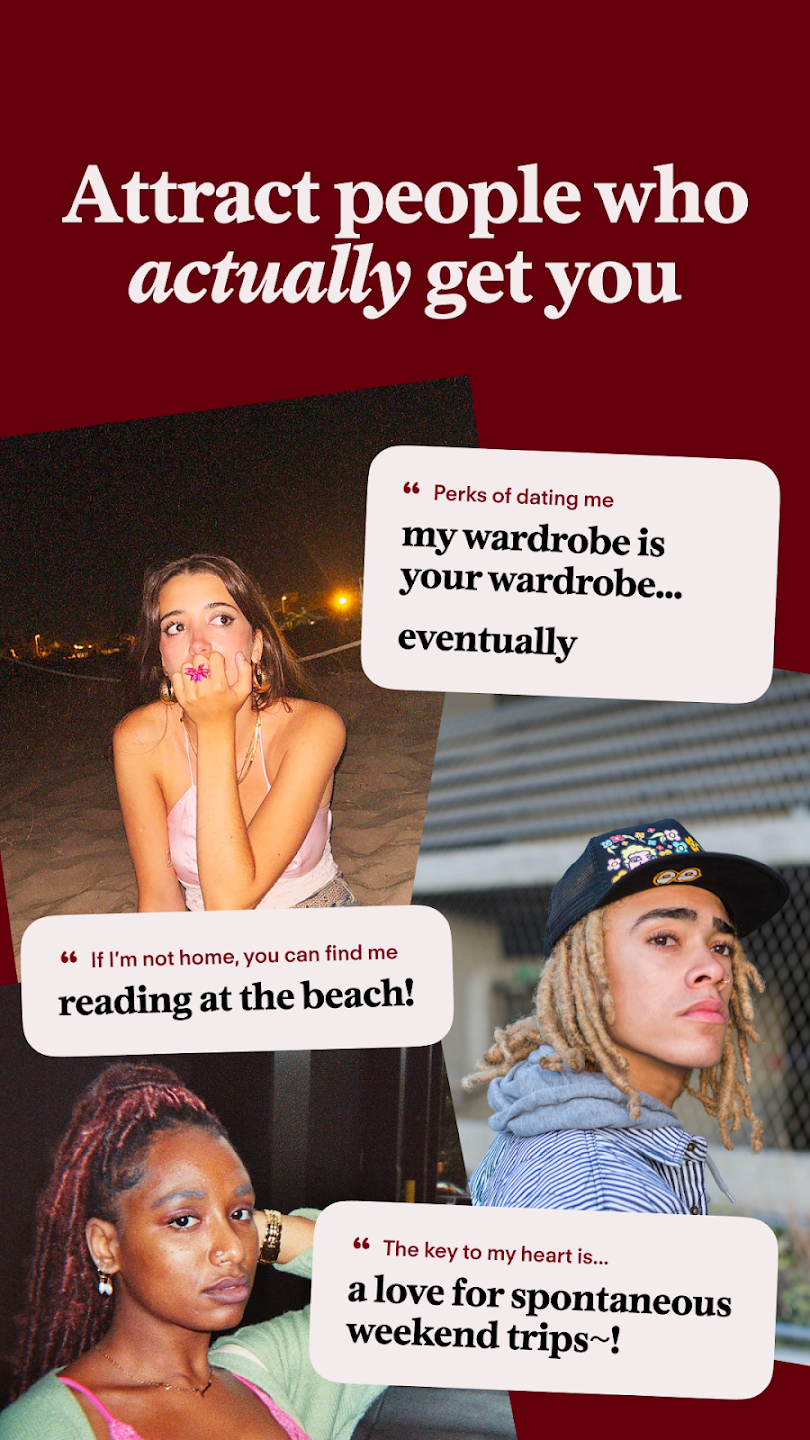
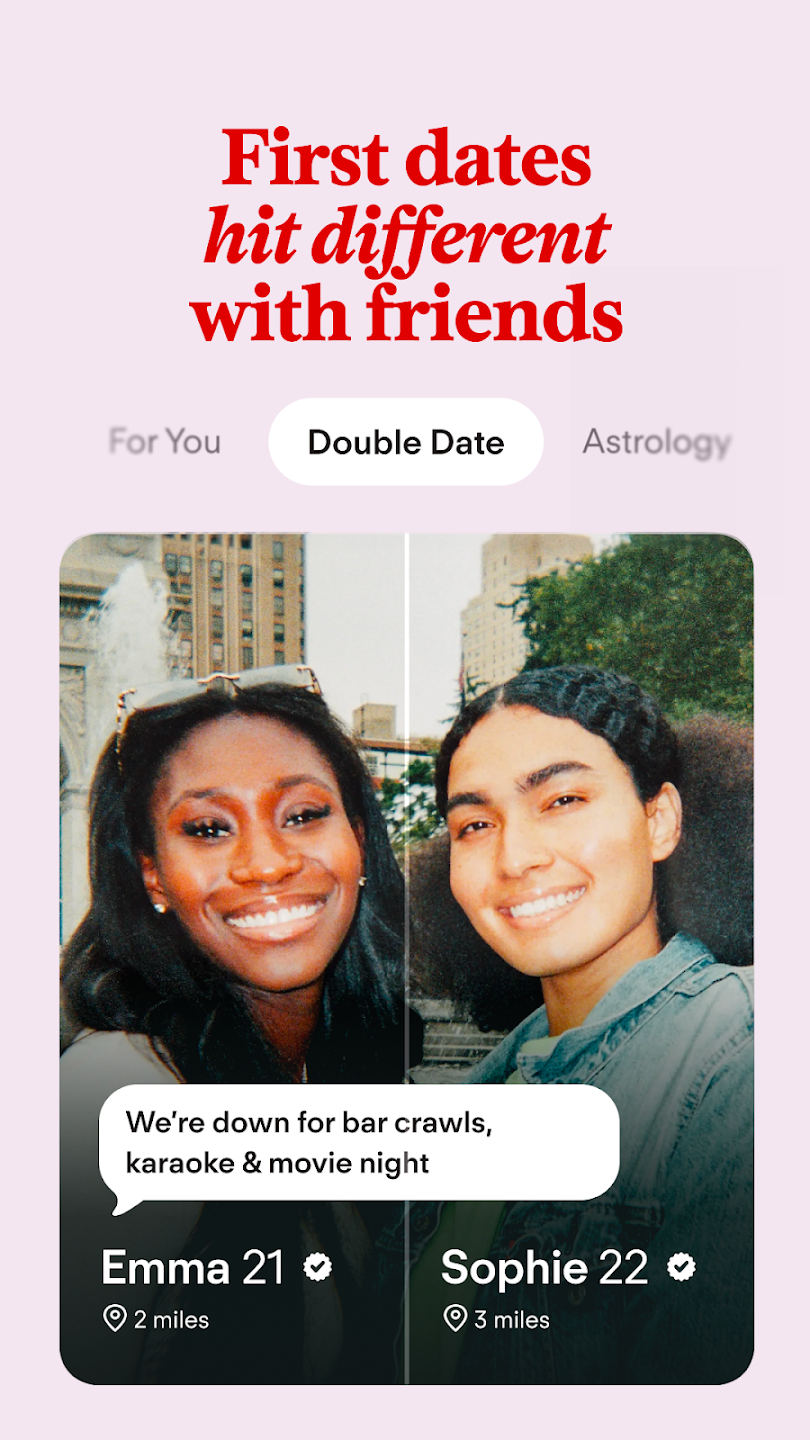
Tinder remains the undisputed king of popularity. If you fall into these categories, Tinder is likely your best bet:
-
Urban Dwellers: If you live in a city, the sheer volume of users on Tinder is unmatched.
-
Casual Seekers: If your goal is to meet new people without the pressure of a “serious relationship” label, the culture of Tinder is perfectly aligned with that.
-
Feature Enthusiasts: If you enjoy “Super Likes,” profile boosts, and gamified features, Tinder offers the most tools to customize your experience.
Who Should Use Facebook Dating?
Facebook Dating is growing in popularity among specific demographics, particularly those who have become exhausted by the “swipe fatigue” of other apps:
-
Serious Daters: If you are looking for long-term compatibility based on interests, the Facebook algorithm often delivers higher-quality, if fewer, matches.
-
Budget-Conscious Users: If you want a full-featured experience without paying a monthly subscription fee, this is the clear winner.
-
Safety-Minded Individuals: The integration of mutual friends and the lower prevalence of bots make this a more “trusted” environment for many users.
Improving Your Chances: Advanced Tips for Both Platforms
Regardless of which app you choose, success in the online dating world requires a strategy. Here are a few professional tips to optimize your profile:
-
The “Three-Photo Rule”: Always include a clear close-up of your face, a full-body shot, and a photo of you engaged in a hobby (hiking, cooking, playing an instrument).
-
Focus on the “Prompt”: Don’t leave your bio blank. On Facebook Dating, use the specific interest-based questions. On Tinder, use the prompts to show, not just tell, what you’re like.
-
The “Three-Day” Rule: Don’t let a match sit in your inbox for a week. If the conversation is going well, move to a date within the first few days. Momentum is key in the digital dating cycle.
-
Stay Honest: While it is tempting to use photos from five years ago, it only leads to disappointment. Authenticity is the fastest way to get to a second date.
The Reality of Modern Dating
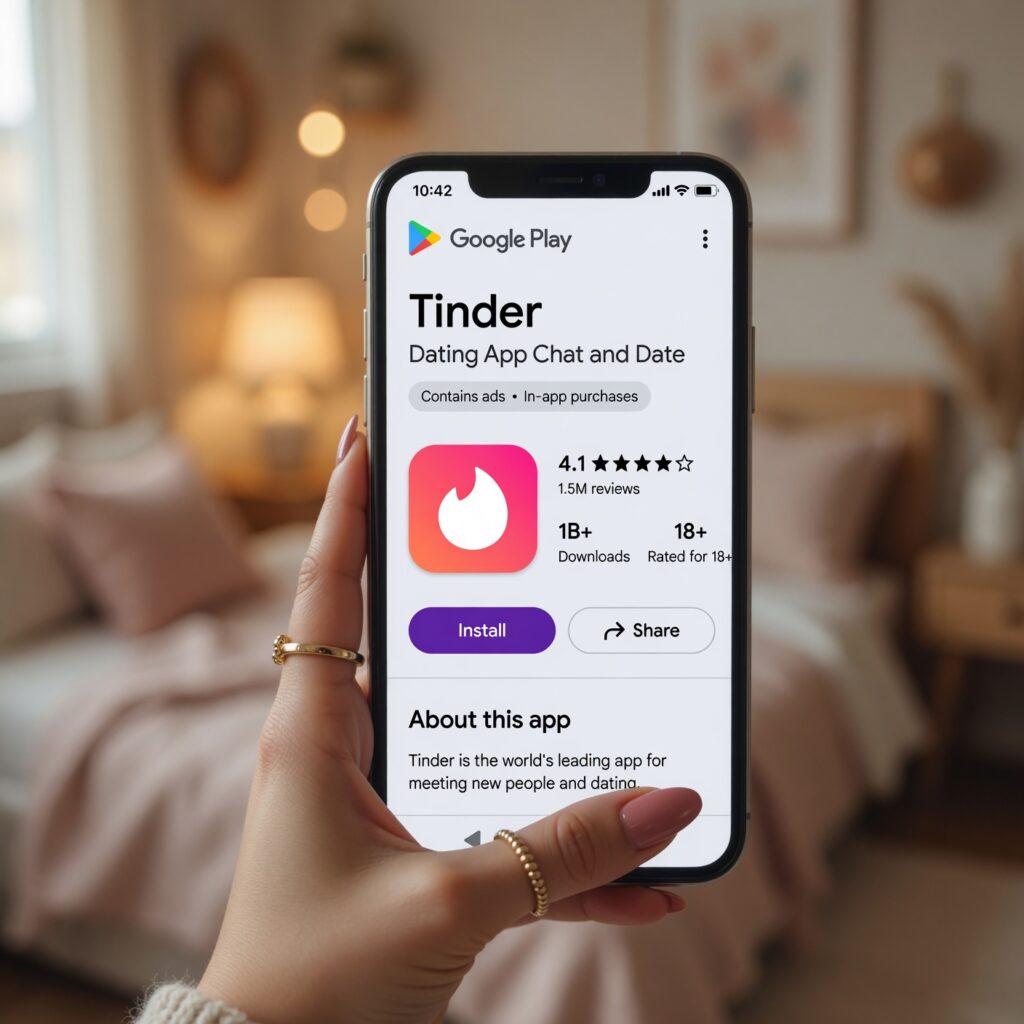
So, which one is better? The answer depends entirely on your current dating goals.
Choose Tinder if you are looking for maximum exposure. Its massive reach makes it the most effective “net” to cast if you are in a high-density area and are open to meeting a wide variety of people. It is the gold standard for casual dating and provides the most robust set of digital tools for those who don’t mind paying for premium features.
Choose Facebook Dating if you are tired of the “game” and the paywalls. It feels more grounded, authentic, and safe. For those looking for a partner with shared interests and a more serious intent, the organic matchmaking approach provided by Facebook is often more productive, even if it lacks the flash of its competitors.
The best strategy? Don’t feel forced to choose just one. Many successful daters keep both on their phones, using Tinder to broaden their horizon and Facebook Dating to foster more meaningful, interest-based connections. By leveraging the strengths of both, you can maximize your chances of finding exactly what you’re looking for in today’s complex dating landscape.