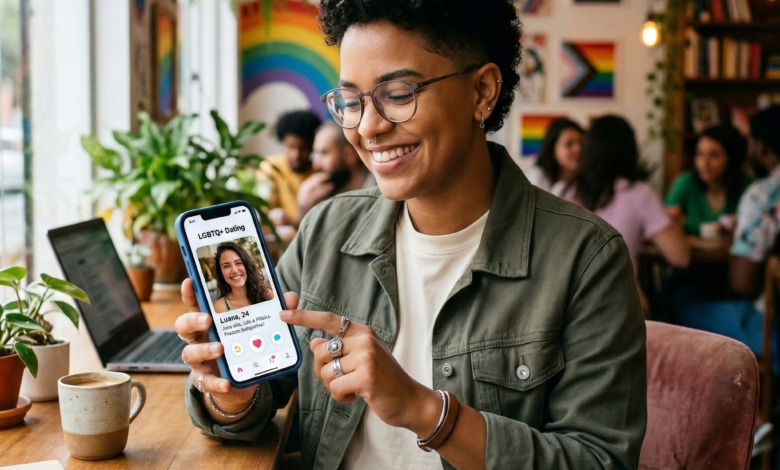
Finding the right connection within the LGBTQ+ community has shifted almost entirely to the digital sphere. While this offers a massive “digital gayborhood” at your fingertips, it also introduces unique security risks and privacy concerns that aren’t always present in heteronormative dating spaces. For queer, trans, and non-binary individuals, a dating app isn’t just a tool for romance—it’s often a lifeline to a community.
However, in 2026, “safe spaces” require more than just a rainbow logo. They require robust encryption, identity verification, and advanced privacy controls. In this deep dive, we’ll explore the best LGBTQ+ dating apps on the market, focusing on those that prioritize user safety while fostering genuine, inclusive connections.
Top LGBTQ+ Dating Apps for 2026: Safety, Community, and Connection
The landscape of queer dating apps has matured. We’ve moved past the “one-size-fits-all” approach, with platforms now catering to specific niches within the community. When choosing an app, the “best” one is often the one that makes you feel most secure in your identity.
1. Taimi: The All-in-One Queer Social Network

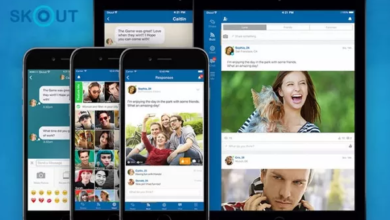
Taimi has evolved from a simple dating app into a full-scale social network. It is arguably the most inclusive platform available today, offering specific options for over 50 gender identities and 20 sexual orientations.
-
Why it wins on safety: Taimi employs several layers of verification, including AI-based photo verification and a dedicated “Taimi Protector” feature to moderate harassment.
-
The Vibe: It feels like a mix of Instagram and Tinder, but exclusively for the LGBTQ+ community. You can join groups, post stories, and find dates simultaneously.
2. HER: Built by Queer Women, for Queer Women

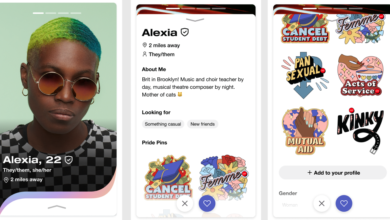
HER remains the gold standard for lesbians, bisexuals, and queer women. Because it is founded and led by queer women, the interface and security features are specifically tailored to combat the “creepy guy” problem often found on mainstream apps.
-
Security Highlight: HER uses a Facebook or Instagram login to verify identity (though you can control what is shared), and their moderation team is famously quick to ban “unicorn hunters” (couples looking for a third) and fake profiles.
-
The Vibe: Community-centric. It’s as much about finding a group for a local hike as it is about finding a girlfriend.
3. Scruff: The Thoughtful Choice for GBTQ Men

While Grindr may be the biggest, Scruff is often cited by security experts as the “smarter” alternative for gay, bi, trans, and queer men.
-
Security Highlight: Scruff was one of the first apps to allow users to “mask” their distance or hide from the “global” grid. They also have a unique Scruff Ventures feature, which provides safety alerts and community tips for queer travelers in countries with anti-LGBTQ+ laws.
-
The Vibe: More “rough and tumble” than Taimi, but with a significantly lower percentage of bots and scammers.
Advanced Privacy Settings for LGBTQ+ Users: How to Protect Your Identity
For many in our community, “coming out” is a continuous process, and privacy is a matter of physical safety. If you are using these apps, you should be utilizing these advanced friendly security practices:
The “Discreet App Icon” Trick
Apps like Grindr and Taimi offer a feature where you can change the app’s icon on your phone’s home screen to look like something else—a calculator, a notes app, or a generic folder. This is a vital security feature for those living in unsupportive households or traveling in regions where being queer is stigmatized.
Location Masking and the “Trilateration” Risk
Most apps show how many feet or miles away a match is. While convenient, a malicious user can use “trilateration” (checking your distance from three different points) to find your exact address.
-
The Fix: Always go into your settings and toggle off “Show My Distance.” You can still see people nearby, but they won’t know exactly how close you are to their front door.
Recognizing “Catfishing” and Romance Scams in Queer Digital Spaces
Scammers often target the LGBTQ+ community because they prey on the desire for community and the potential isolation some users feel. “Catfishing”—using fake photos to lure someone into a relationship—is the most common entry point for more serious crimes like financial fraud.
Red Flags for Queer Dating Scams:
-
The “Too Good to Be True” Profile: If their photos look like a professional underwear model but they have zero linked social media and won’t video call, it’s a red flag.
-
Sudden Tragedy: A common tactic involves the scammer claiming they are “stuck” in a country with anti-gay laws and need money for a “legal fee” or a plane ticket to escape. Never send money to someone you haven’t met.
-
The Telegram/WhatsApp Pivot: If they try to move you off the dating app within the first five messages, stay alert. Dating apps have safety filters; private messaging apps do not.
Lex: The Text-First Revolution for Queer and Trans Privacy
In a world obsessed with photos, Lex has taken a different path. Inspired by the personal ads in old-school queer newspapers, Lex is almost entirely text-based.
-
Why it’s a security win: By leading with personality and words rather than high-resolution photos, Lex naturally protects users from “Reverse Image Searching” and immediate facial recognition. It allows for a slower, more intentional “coming out” to a potential match.
-
The Vibe: Artsy, intellectual, and incredibly trans-inclusive. It’s the perfect app for those who are “over” the shallow nature of swiping.
The Importance of “Incognito Modes” for Professionals
Many LGBTQ+ professionals—teachers, doctors, or public figures—may not want their profiles visible to the general public. Premium features on apps like Bumble (LGBTQ+ mode) or Tinder Gold allow for “Incognito” or “Private” browsing.
This means your profile is invisible to everyone except the people you have already “Liked.” This puts you in total control of who sees your face and your identity, effectively eliminating the risk of being “outed” by a random swipe from a coworker or acquaintance.
How to Vet a Match Before Meeting in Person
Safety doesn’t end when the “Match” happens; it begins there. Before you meet someone from an app, follow this checklist:
| Step | Action | Why it Matters |
| 1. Video Call | Request a 5-minute “Vibe Check.” | Harder to fake than a photo; confirms they are who they say they are. |
| 2. Search the Handle | If they give you their Instagram/Twitter, look for consistency. | Bot accounts usually have a sudden surge of followers and no “real world” interactions. |
| 3. Use Google Lens | Use the “Reverse Image Search” on their profile photo. | If that photo belongs to a famous influencer in Brazil and you’re in Ohio, you’re being scammed. |
| 4. The “Safety Buddy” | Send a screenshot of their profile and your meeting location to a friend. | Standard practice that ensures someone always has your back. |
Reporting and Moderation: Why Some Apps Are Safer Than Others
The true test of a dating app isn’t its interface; it’s its moderation. When you report a user for transphobia, harassment, or scamming, how fast does the app react?
-
HER and Taimi have some of the most robust reporting systems, often banning accounts within hours of a verified report.
-
Mainstream apps (Tinder/Bumble) are catching up, but because of their massive scale, reports can sometimes get lost in the shuffle.
Always look for the “Verified” blue checkmark. While not a guarantee of “goodness,” it does mean the app has verified that the person’s face matches their ID or their live selfie.
Empowering Your Journey with Digital Literacy
Dating as an LGBTQ+ person in 2026 is an exercise in balance: being open enough to find love, but guarded enough to protect your peace. By choosing platforms that respect your data and using the privacy tools they provide, you can navigate the digital gayborhood with confidence.
Remember, the right person will respect your boundaries. If someone pressures you to share photos, location, or personal details before you are ready, they aren’t the one.