Apps That Help You Meet People Near You
Learn which apps are popular for friendships, chats, and local connections

In an era where remote work, digital nomadism, and frequent relocation have become the baseline of modern lifestyle structures, establishing a reliable, local social circle has transformed into a distinct challenge. While the internet has made it effortlessly simple to connect with individuals halfway across the globe, it has ironically made it more complex to discover who is living right across the street. The desire for immediate, physical community—people you can grab a spontaneous coffee with, invite to an impromptu movie night, or meet at a neighborhood park—is driving a massive resurgence in proximity-focused technology.
By 2026, the application market has responded with sophisticated, hyper-local discovery platforms that move past the boundaries of traditional social networking. These digital tools are specifically calibrated to break down the barriers of urban isolation, transforming cold geographic proximity into warm human connection. This in-depth guide explores the absolute best apps that help you meet people near you, analyzing their internal mechanics, algorithmic safety features, and target user bases to help you build a vibrant local community.
How Location-Based Technology and Hyper-Local Geolocation Change How We Make Friends Nearby
To understand the efficacy of modern local discovery platforms, it is essential to look under the hood at how location-based technology has advanced. Early iterations of friend-finding applications relied on broad, sweeping radius filters that often grouped individuals living hours apart, leading to logistical friction and dropped connections. Today, contemporary applications utilize advanced hyper-local geolocation frameworks, real-time cell tower triangulation, and semantic interest mapping to refine matching parameters down to specific neighborhoods, blocks, and shared venues.
[User Location] ──► [Real-Time Triangulation] ──► [Interest & Vibe Filter] ──► [Instant Local Match]
This evolution is fundamentally rooted in a psychological phenomenon known as the Mere Exposure Effect. This psychological principle states that individuals naturally develop a preference for things or people merely because they are familiar with them. By emphasizing immediate proximity, these applications maximize the frequency of spontaneous, low-friction interactions.
When a potential friend lives within walking distance or a five-minute drive, the psychological and physical barrier to entry for an initial meetup drops significantly. You no longer need to plan an elaborate weekend excursion or commute across a sprawling metropolitan grid; instead, a casual text message can instantly translate into a real-world interaction at a local neighborhood hub.
The Best Hyper-Local Apps to Meet Friends in Your Neighborhood Right Now
When your primary objective is identifying who is active within your immediate geographic vicinity, generalized social networks often fall short. The following platforms are the undisputed industry leaders in leveraging proximity-first architectures to foster organic neighborhood relationships.
Bumble For Friends (BFF): The Gold Standard of Proximity Matching

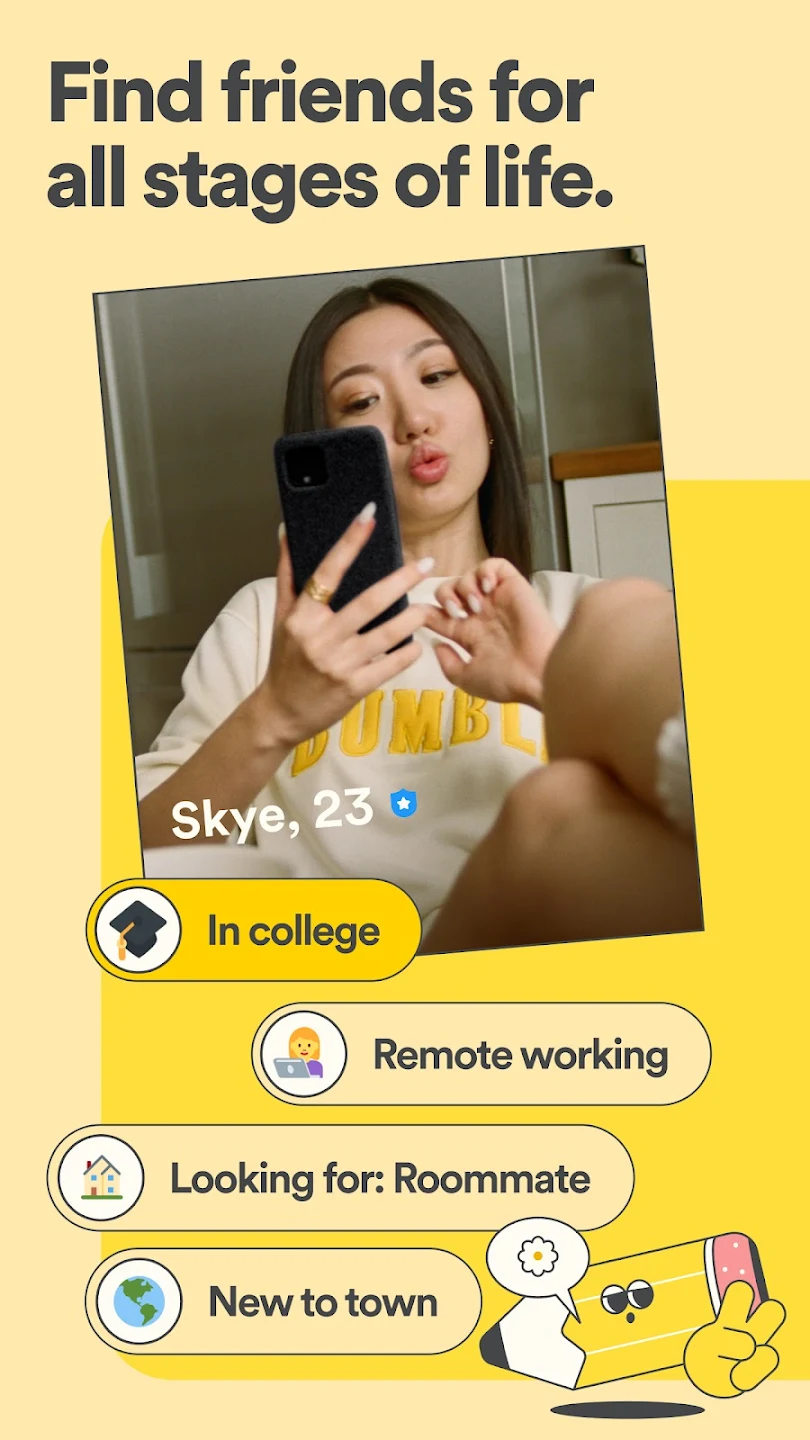
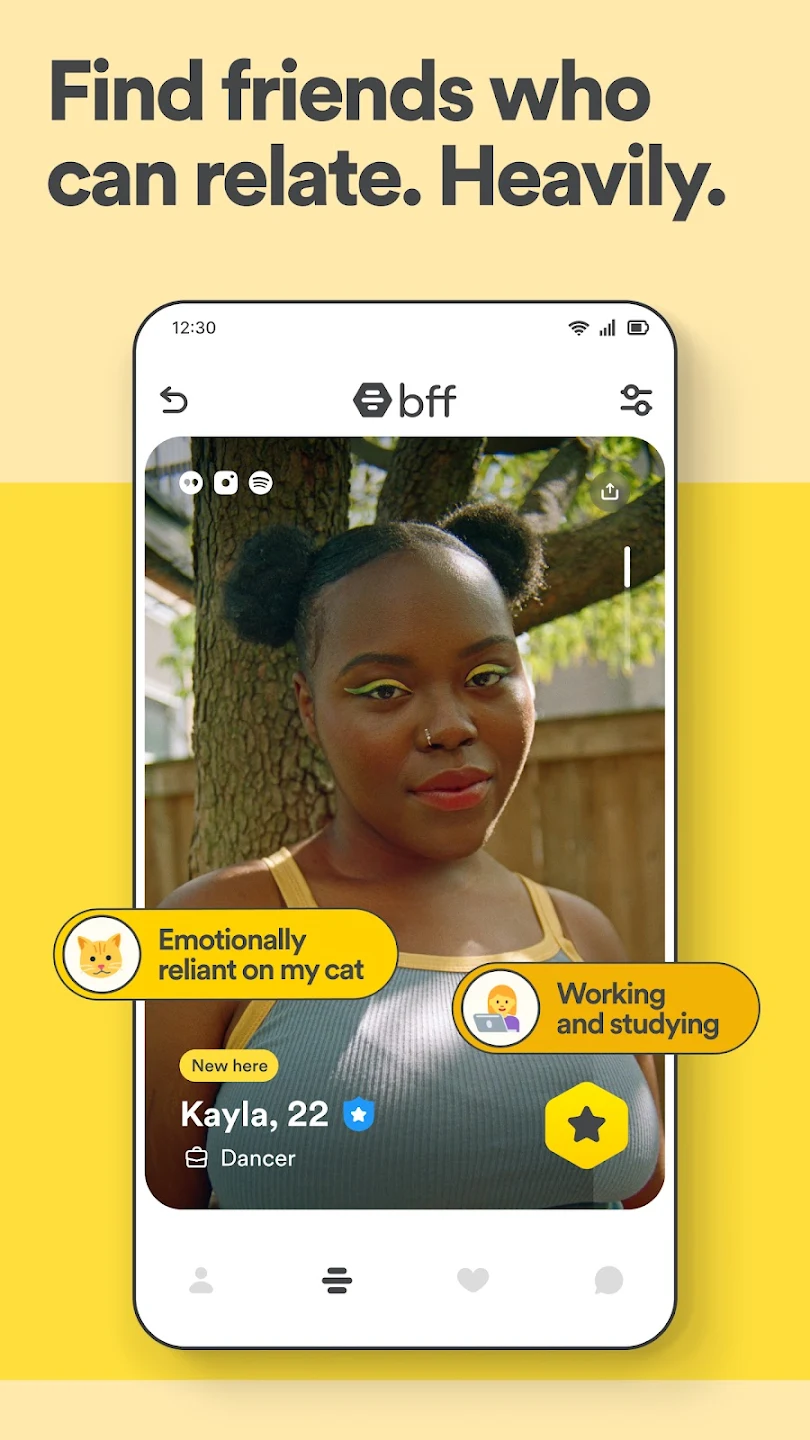
Originally integrated into the primary Bumble ecosystem, Bumble For Friends now operates as a powerful standalone application dedicated entirely to platonic matching. Its modern interface is specifically engineered to eliminate the ambiguity of social intent by ensuring every user on the platform is explicitly looking for local friendships.
-
The Proximity Architecture: The app permits users to set incredibly tight geographic radius parameters, allowing you to filter potential matches down to a fraction of a mile. This makes it an ideal tool for individuals living in dense urban high-rises or close-knit suburban developments.
-
The 2026 Feature Set: The platform includes “Instant Meet” flags. If you find yourself free on a Saturday afternoon, you can toggle a temporary status indicating you are available for an immediate local activity—such as checking out a neighborhood farmers’ market or visiting a local dog park—allowing nearby users to message and join you instantly.
-
Best For: Individuals looking for a highly visual, intuitive, and secure one-on-one matching framework with a massive, highly active user density.
Nextdoor: Tap Directly Into Your Immediate Neighborhood Pulse
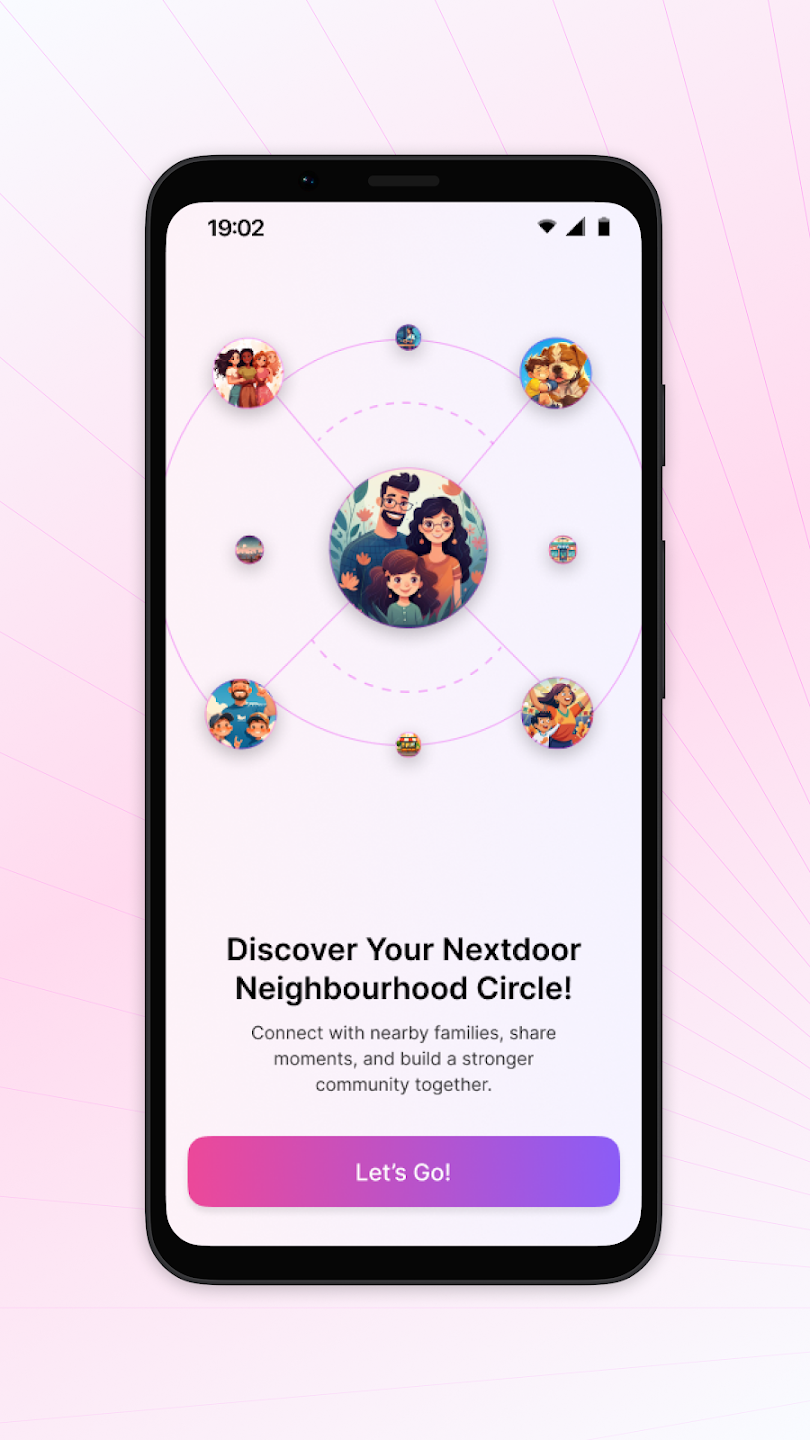
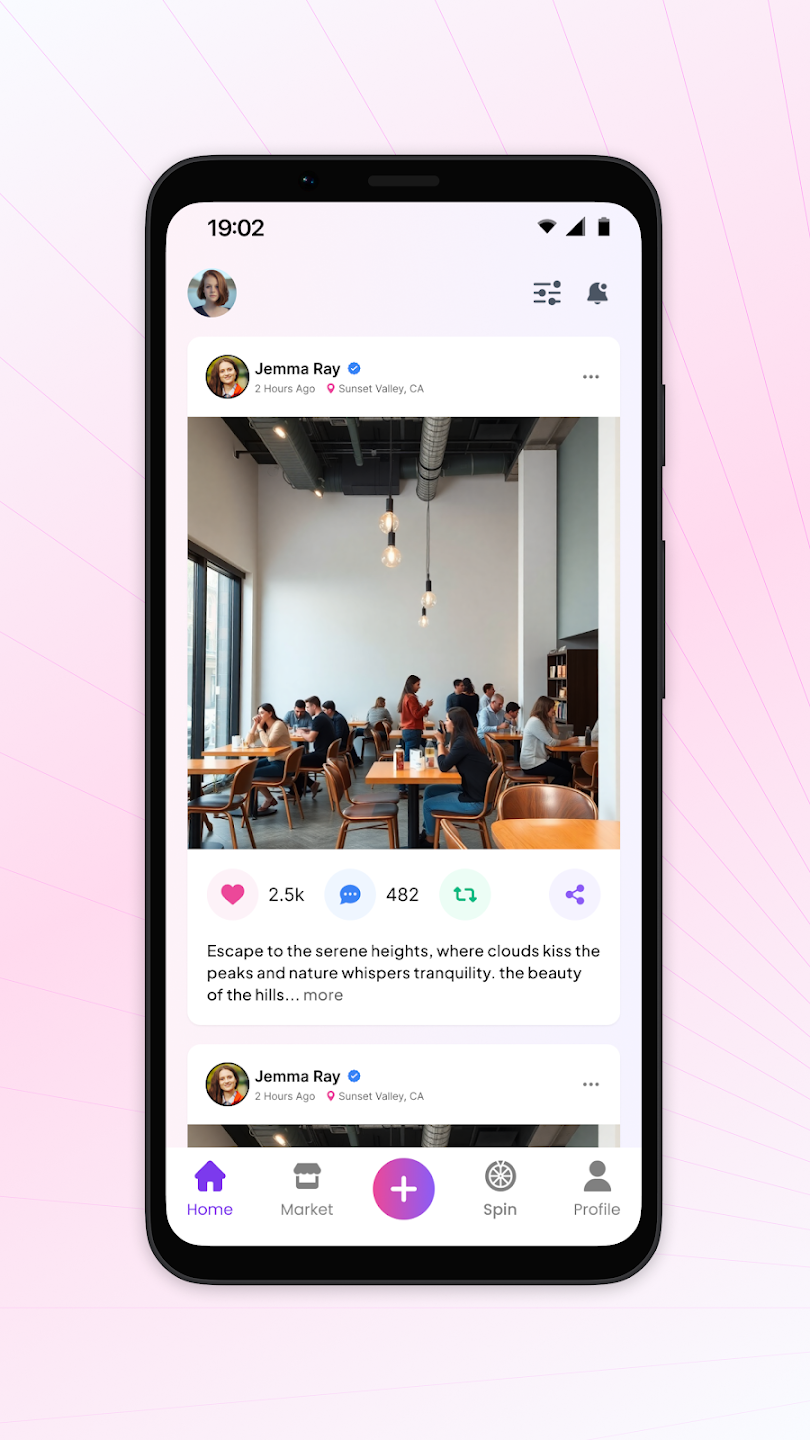
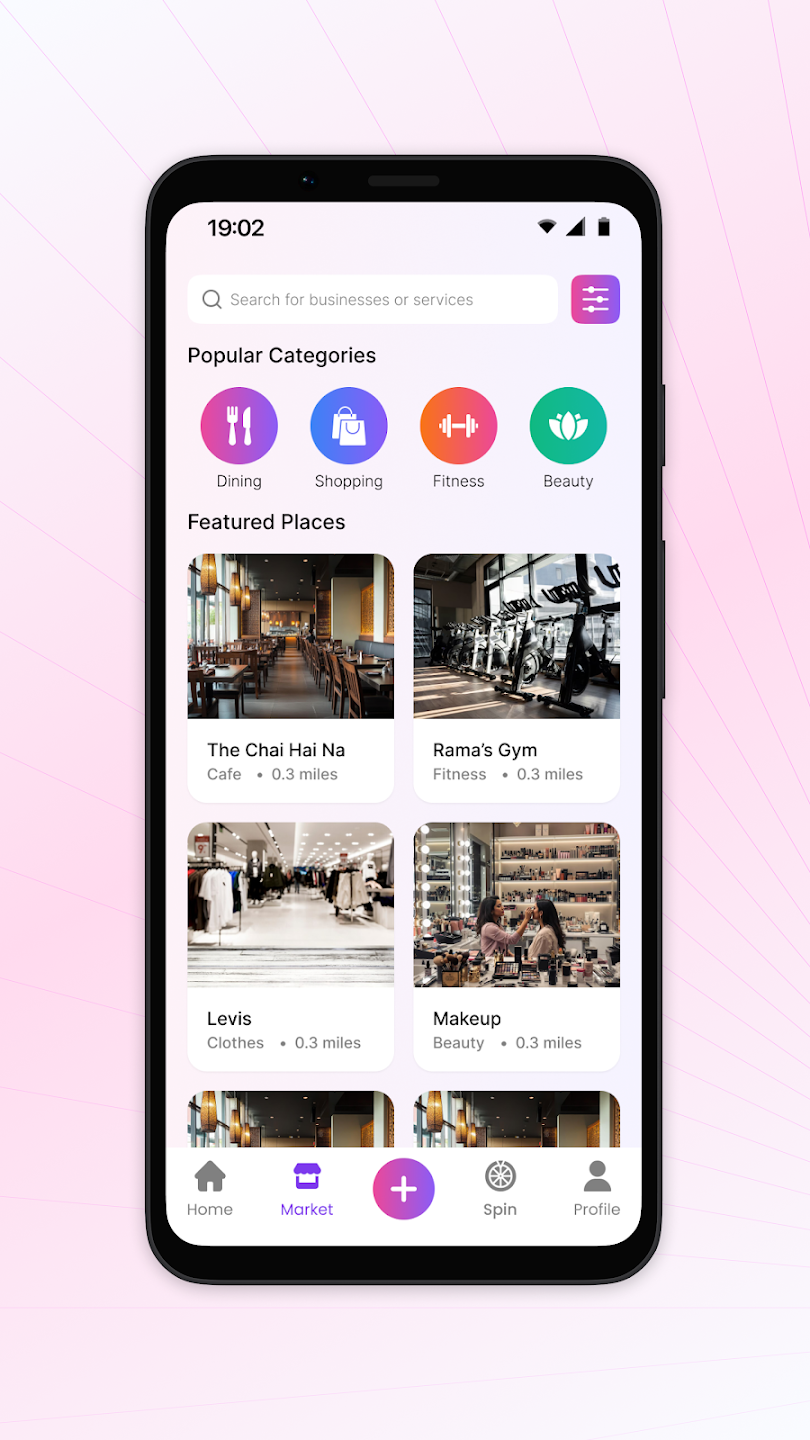
While often perceived purely as a utility platform for local announcements, lost pets, and contractor recommendations, Nextdoor has quietly evolved into one of the most effective tools for organic local socialization.
-
How It Works: Unlike platforms that allow you to spoof or widen your location, Nextdoor requires strict address verification during the registration process. This ensures that every single user you interact with on the platform is a verified, literal neighbor living within your designated zip code or housing development.
-
The Social Layer: Through the “Groups” tab, users can discover and join micro-communities managed entirely by local residents. These range from neighborhood book clubs and casual running groups to plant-swapping collectives and block-party planning committees.
-
Best For: Homeowners, families, and long-term residents who want to foster deep roots within their immediate residential square mile.
Hoop: The Modern, Fast-Paced Discovery Tool for Younger Demographics
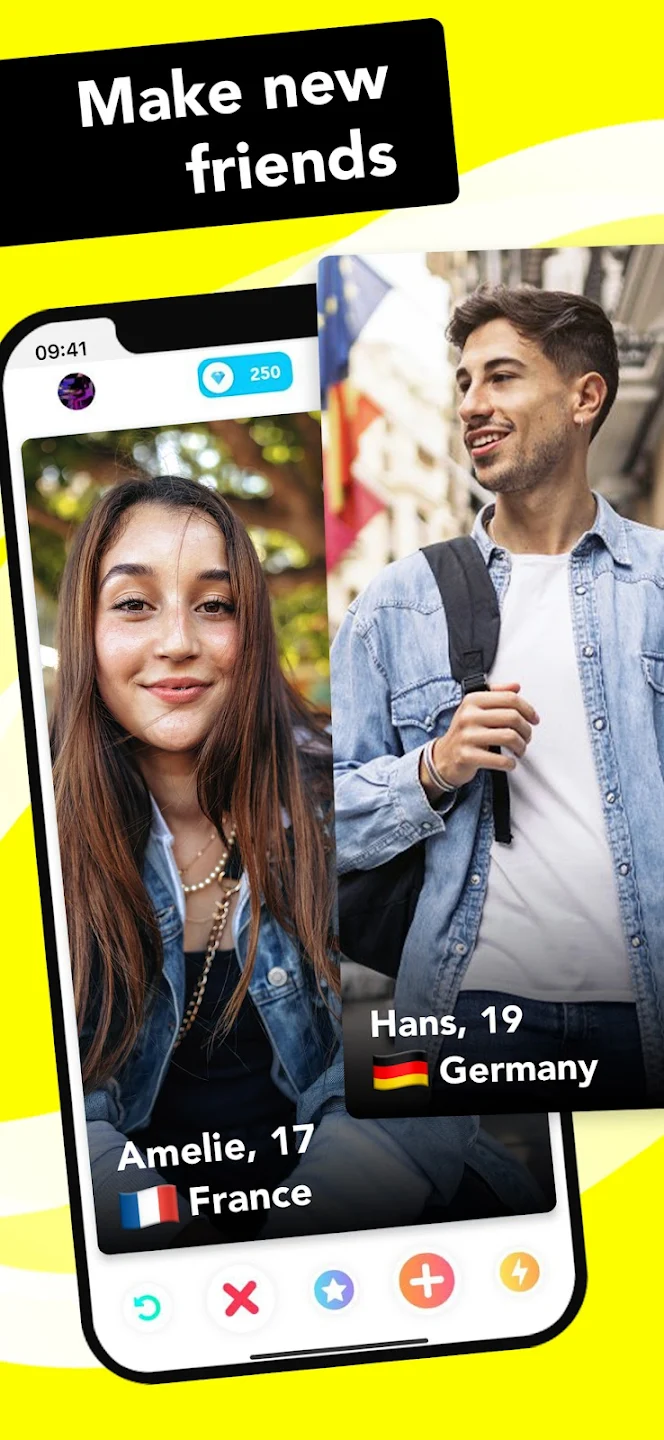

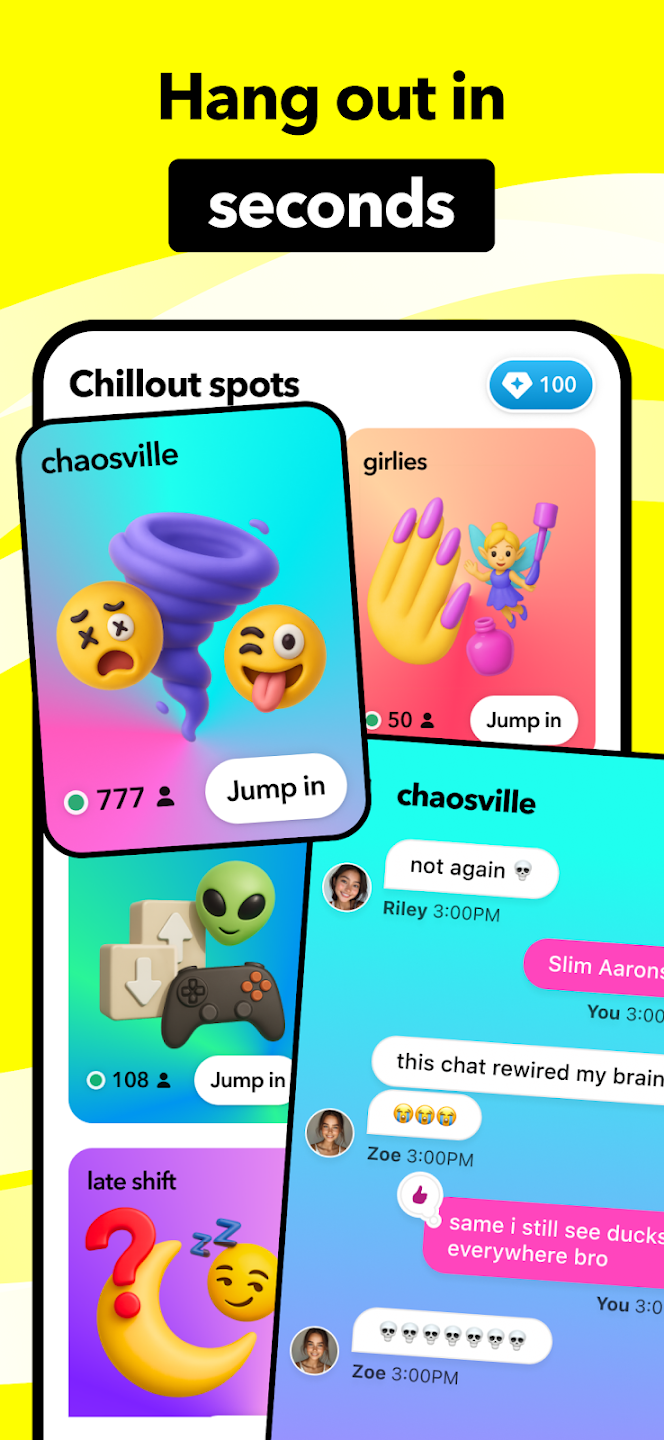
For the younger generation of digital natives who find traditional bio-writing and structured profiling tedious, Hoop offers a high-energy, dynamic alternative centered around rapid local discovery.
-
The Proximity Angle: Integrating directly with mapping APIs, Hoop allows users to see who is active in their immediate area through a highly visual, gamified interface. It strips away the formality of legacy friendship apps, focusing heavily on immediate visual vibe checks and shared casual interests.
-
Why It Succeeds: It functions perfectly as an icebreaker tool for university students, young professionals, and individuals who have just moved to a new college town or urban district and need to construct a peer network from scratch.
-
Best For: Gen Z users, students, and trend-conscious individuals seeking rapid, low-friction local connections.
Top Activity-Driven Social Apps for Making Local Connections Through Shared Hobbies
Sociological tracking consistently demonstrates that the most resilient adult friendships are built around a shared, recurring activity. When you are actively engaged in a hobby, the pressure to perform socially drops entirely, allowing natural camaraderie to develop over mutual goals, passion projects, or friendly competition.
Meetup: The Unrivaled Giant of Local Group Mobilization
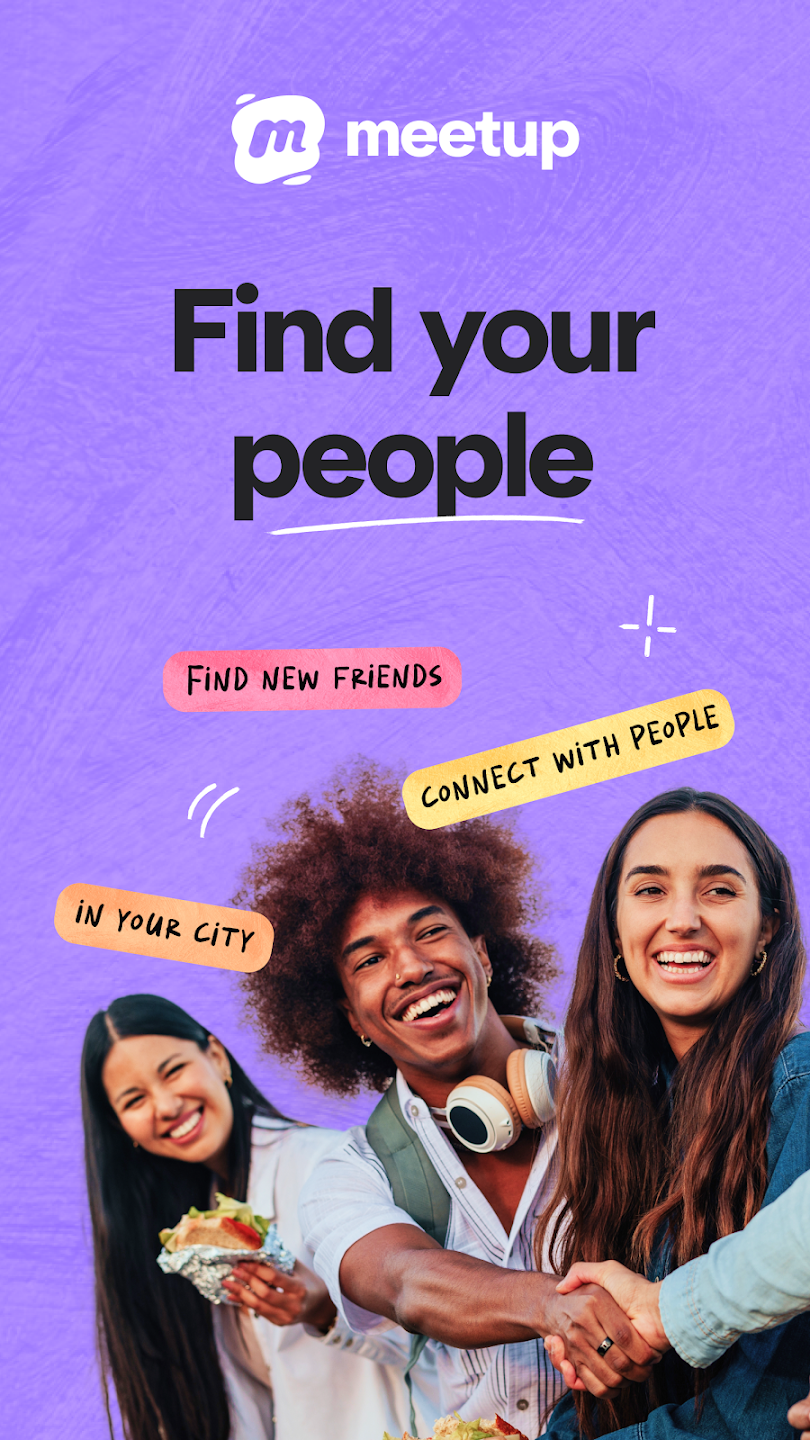
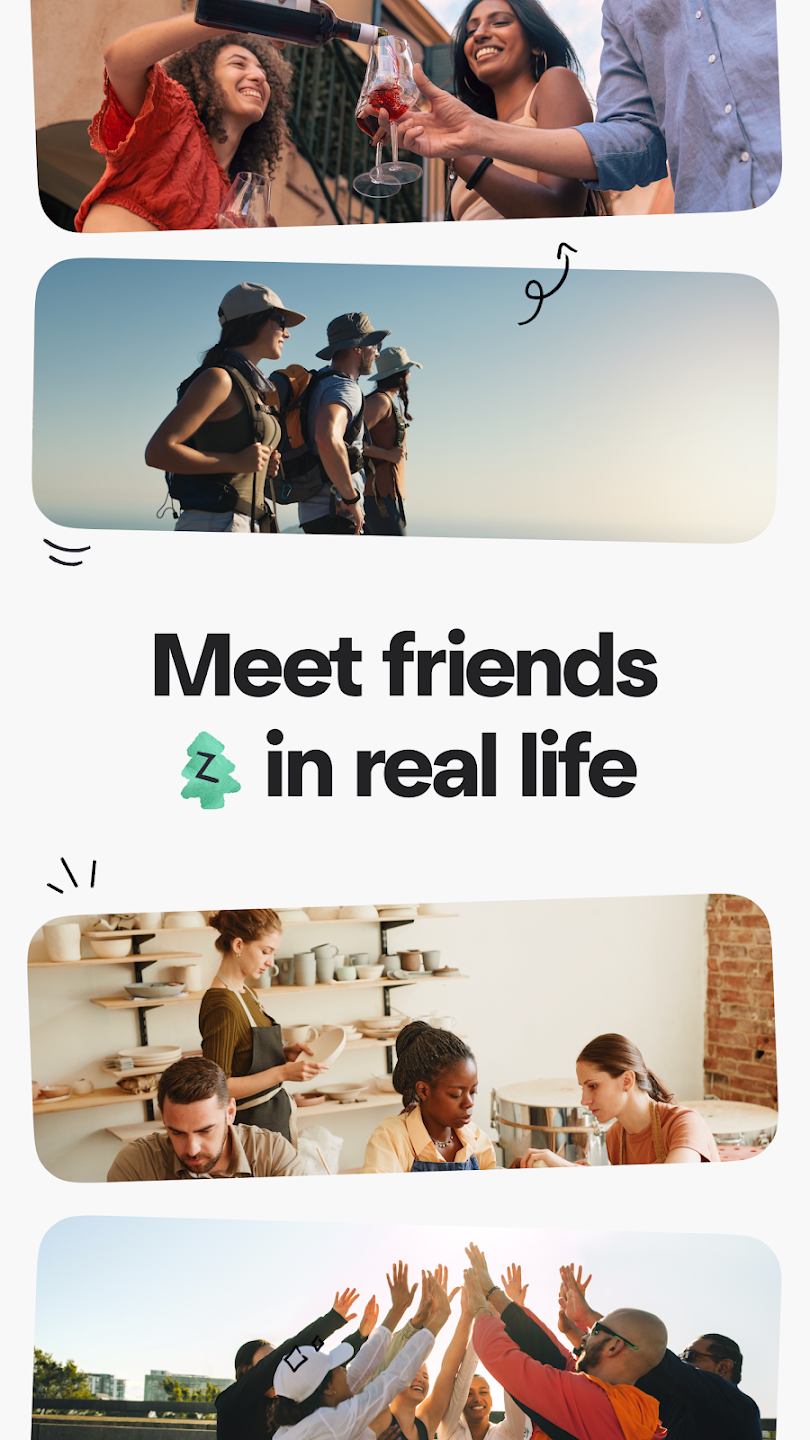
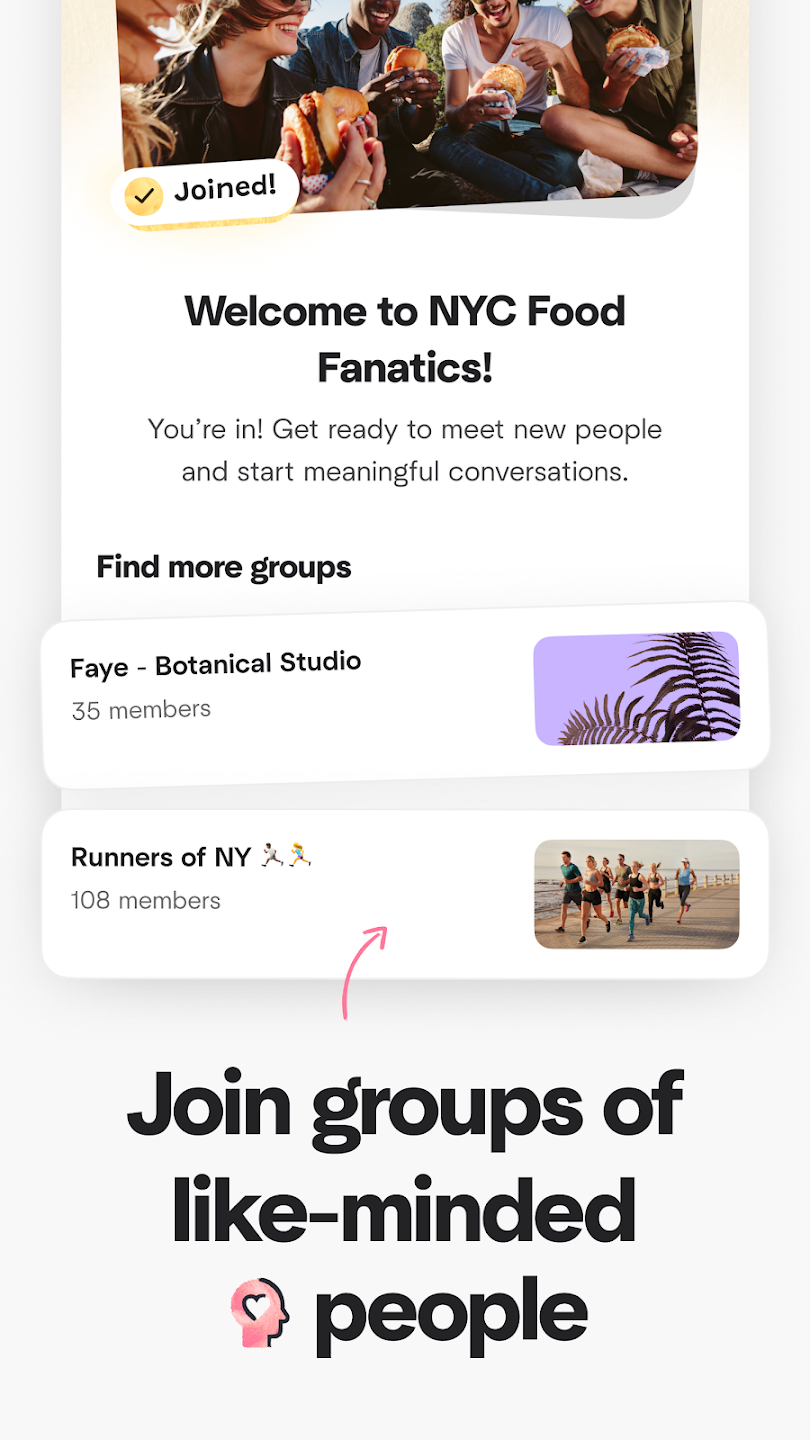
No discussion of local discovery can be complete without acknowledging Meetup. It remains an absolute powerhouse for scaling local communities because it entirely bypasses the one-on-one swiping dynamic in favor of inclusive, event-driven group gathering.
       [Join Local Meetup Group]
                  │
        ┌─────────┴─────────┐
        ▼                   ▼
[Attend Weekly Event]   [Share Hobby/Passion]
        │                   │
        └─────────┬─────────┘
                  ▼
   [Organic Friendship Formation]
-
The Proximity Advantage: Meetup’s search infrastructure is heavily optimized for localized discovery. You can simply input your zip code and search for specific interest terms—such as “amateur photography,” “recreational soccer,” “real estate investing,” or “indie game development.”
-
The Power of Repetition: Because most Meetup groups operate on a predictable, recurring calendar (e.g., every Thursday night at a local diner, or every Saturday morning at a regional trail), you naturally experience the repeated interactions necessary to transition an acquaintance into a genuine friend.
-
Best For: Hobbyists, sports fans, professionals looking for peer networks, and introverts who feel more comfortable in structured group settings.
Strava: Turning Fitness Routines Into Social Circles
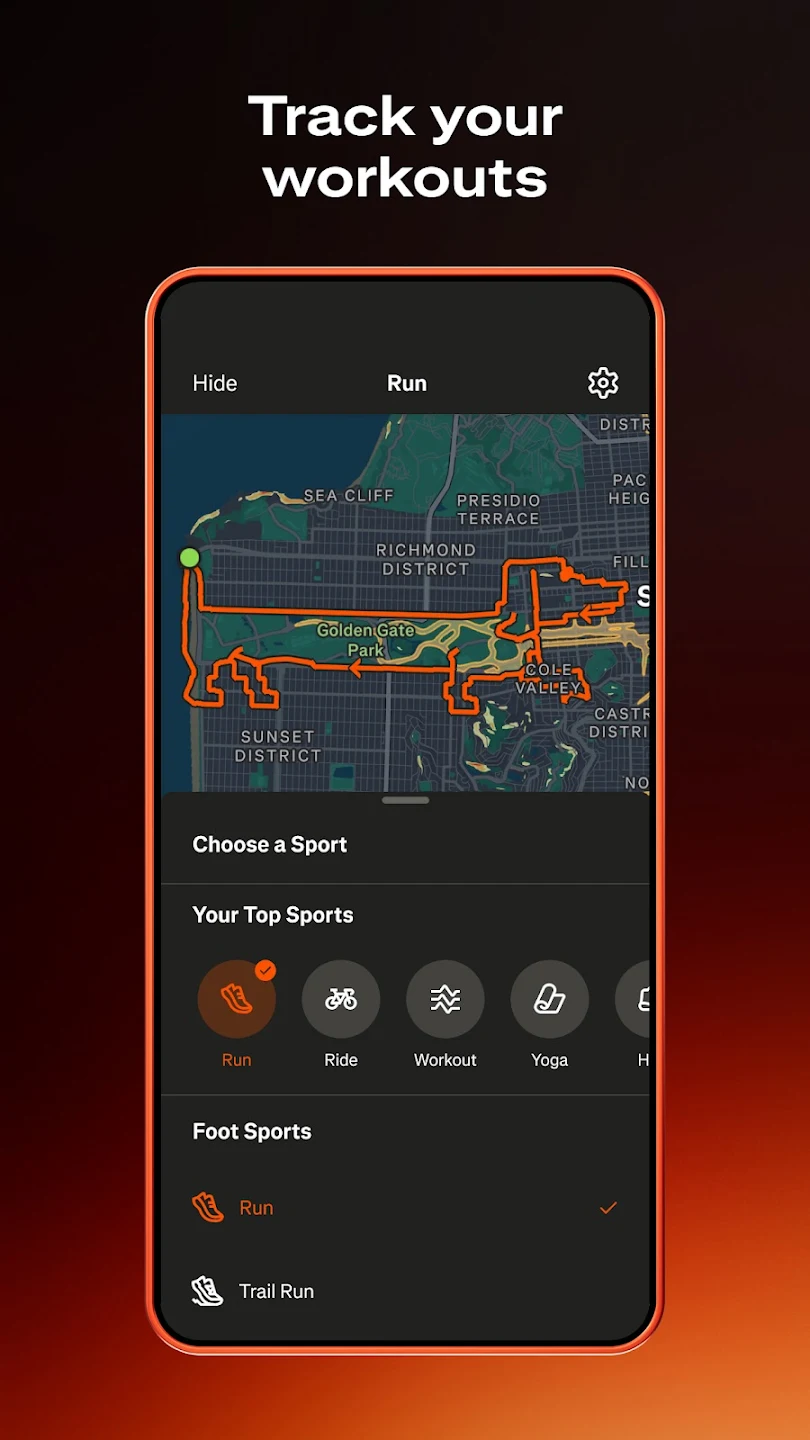

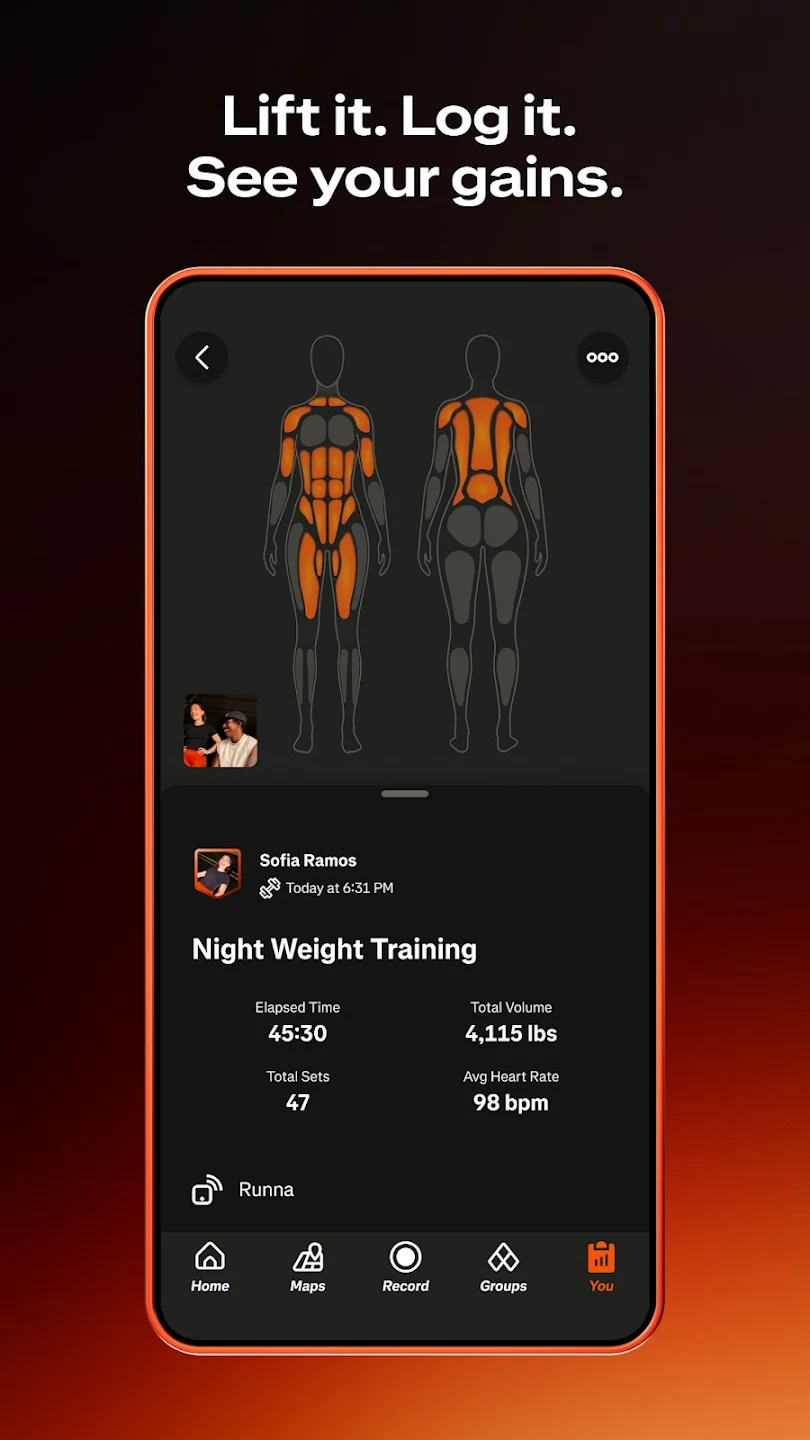
Though primarily designed as a performance-tracking application for runners, cyclists, and outdoor athletes, Strava has transformed into a highly effective, hyper-local social network.
-
How to Meet People: By utilizing the “Clubs” and “Segments” features, users can locate local running and cycling clubs that train in their exact neighborhoods. When you consistently run the same routes or track your progress on the same local paths, the application highlights other nearby athletes matching your pace and schedule.
-
The Social Dynamic: Commenting on local activities, joining neighborhood weekly mileage challenges, and attending organized group rides or runs makes Strava an elite platform for turning solitary fitness routines into a deeply connected, active social lifestyle.
-
Best For: Fitness enthusiasts, marathon runners, casual joggers, and cyclists who want to pair healthy living with active local friendships.
Plei: The Ultimate Solution for Local Soccer and Sports Pickups
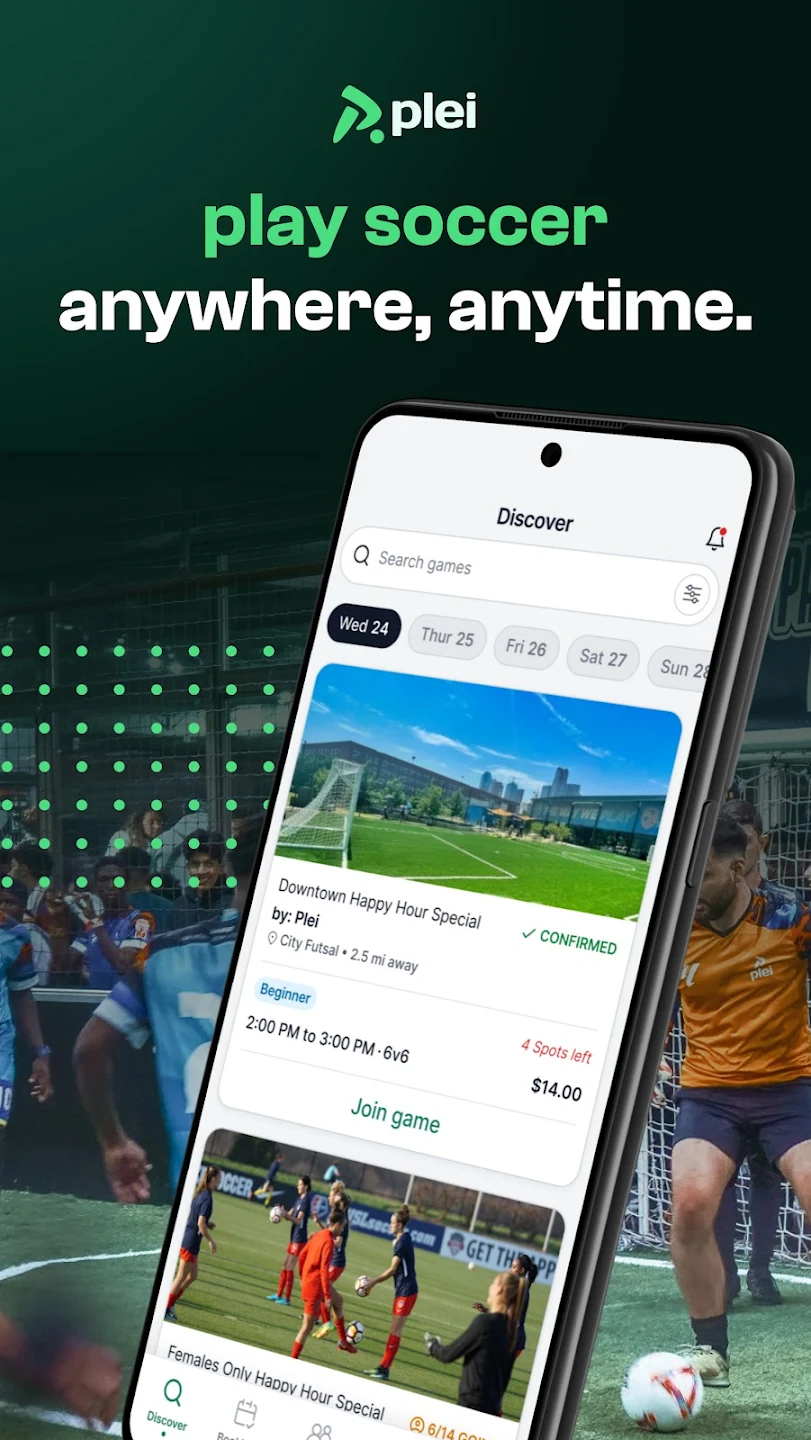
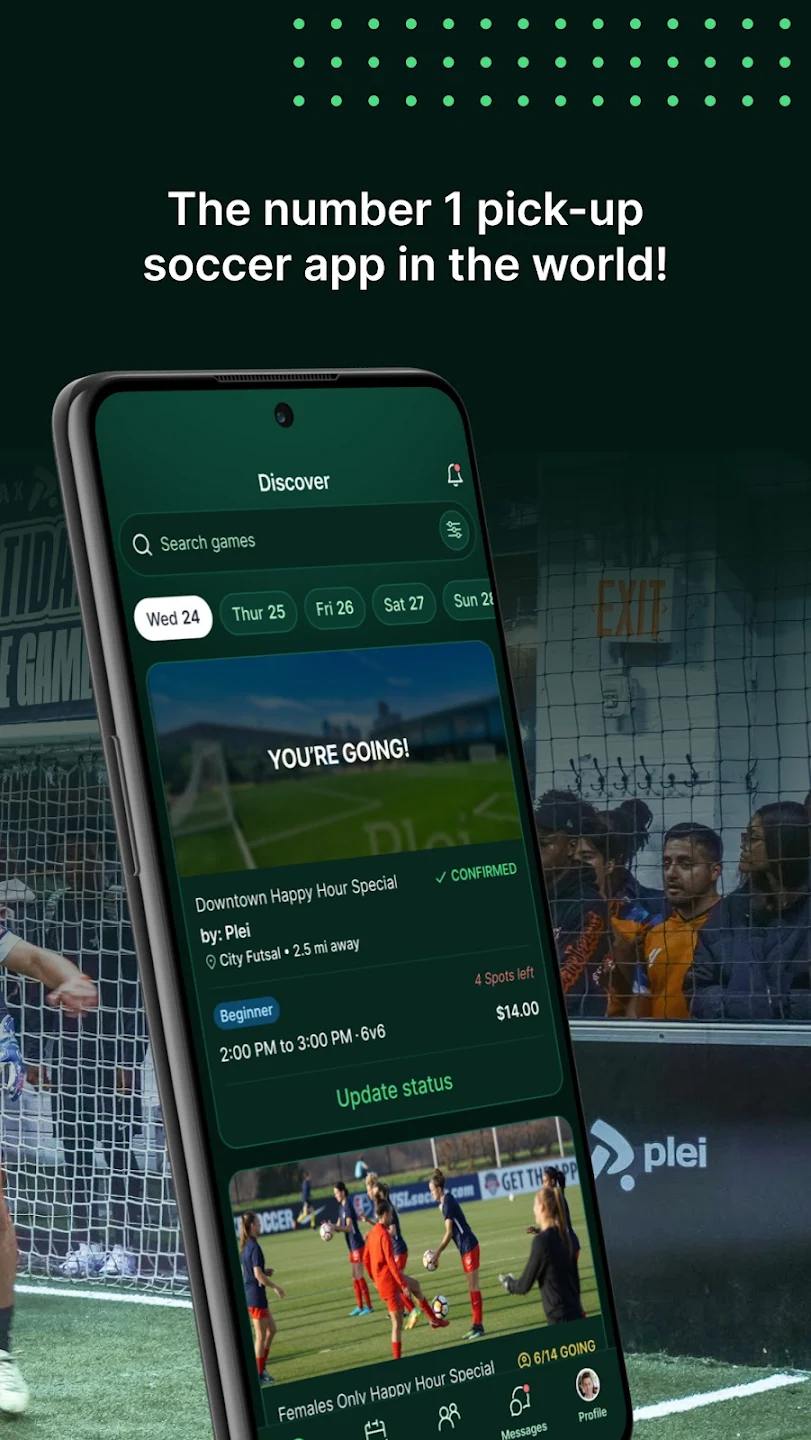
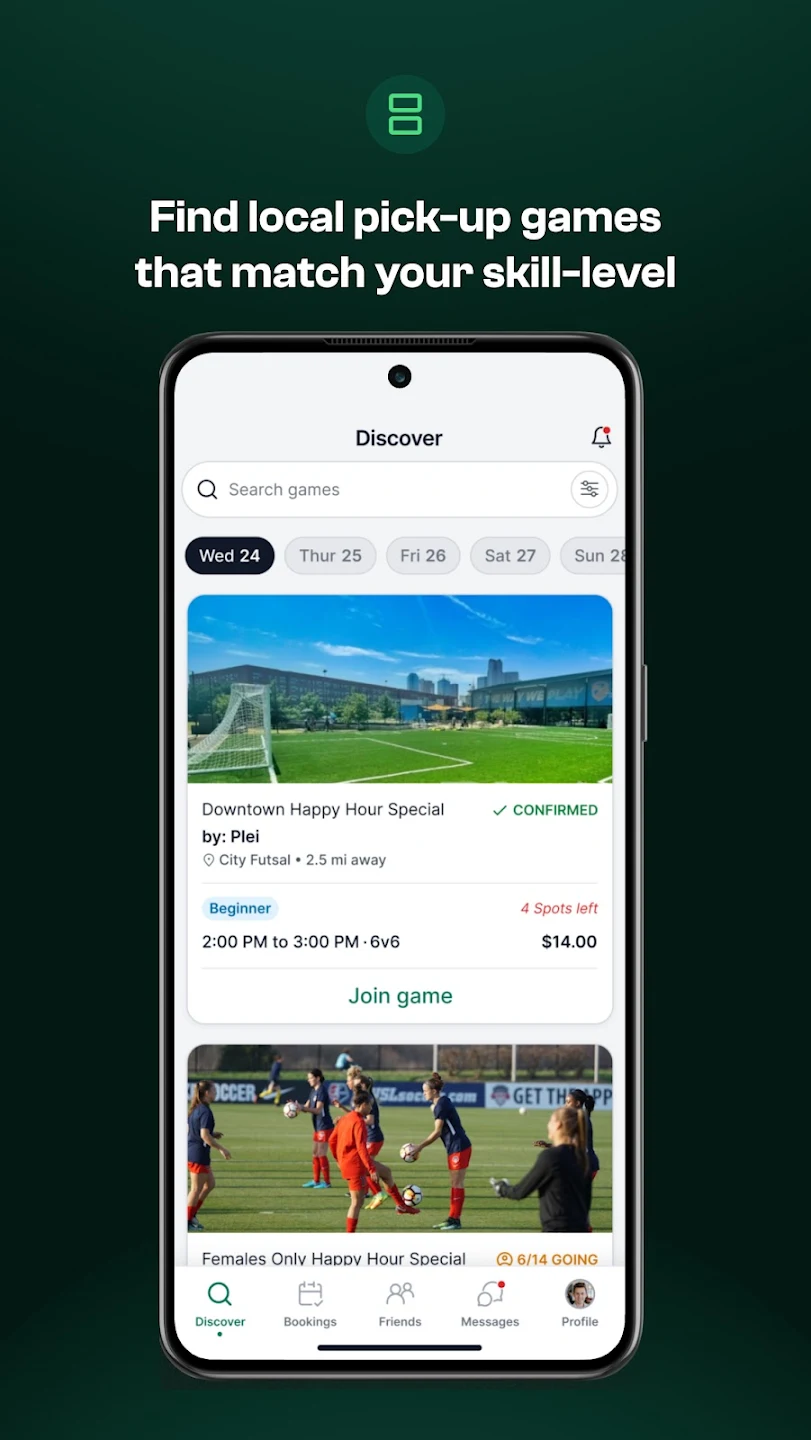
For those who miss the effortless camaraderie of high school or college sports teams, Plei solves the massive logistical nightmare of organizing casual, recreational local sports games.
-
The Mechanism: Plei acts as a digital sports coordinator. It partners with local sports complexes, fields, and facilities to host casual, co-ed pickup soccer games and other athletic matches. You simply open the app, look at the interactive local map, find a game happening at a park or facility near you within the next 24 to 48 hours, and secure your spot.
-
The Bonding Factor: There are no long-term league commitments, no expensive uniform fees, and no stressful tryouts. You simply show up, get assigned to a team of local players, and play a high-energy game. It serves as an incredible, organic engine for meeting active, down-to-earth individuals in your immediate area.
-
Best For: Athletes, sports fans, and anyone looking for a high-energy, fun way to socialize without sitting across a coffee table.
How to Optimize Your Local Discovery Profile to Attract High-Quality Friends Nearby
When utilizing proximity-based apps, your digital profile serves as your virtual storefront. It dictates not only how many people choose to connect with you, but more importantly, the quality and compatibility of those connections. Optimizing your profile requires an intentional shift away from romantic dating aesthetics toward authentic, platonic approachability.
1. Curate Action-Oriented, Approachable Imagery
Your profile photography should instantly communicate your lifestyle, energy, and hobbies. Avoid overly stylized, heavily filtered studio portraits, mirror selfies, or corporate headshots, which can project an aura of unapproachability or intense formality.
-
The Active Shot: Include at least two photos of you actively participating in a hobby you love (e.g., hiking, cooking, playing a musical instrument, or attending a concert). This provides immediate visual context and serves as an instant conversation starter.
-
The Group Setting: Include a photo of you smiling in a casual social setting. This subtly indicates to potential local friends that you are socially adjusted and comfortable navigating group dynamics.
-
The Smiling Close-Up: Ensure your primary photo is a clear, bright, friendly shot where you are looking directly at the camera. Smiling with open body language breaks down subconscious psychological barriers, making people significantly more likely to initiate contact.
2. Write an Actionable, Specific Bio with Clear “Social Hooks”
A common mistake on local friendship applications is writing broad, generic platitudes like “I love traveling, hanging out with friends, and listening to music.” These statements apply to nearly everyone and offer zero actionable points for an icebreaker message. Instead, deploy highly specific “social hooks.”
Weak Profile Copy:
“Just moved here. Looking for cool people to hang out with on weekends. I like food and movies.”
Optimized, High-Conversion Profile Copy:
“Recently relocated to the Downtown arts district! Currently on a mission to locate the absolute best espresso and sourdough in the neighborhood. Looking for someone to check out the local indie movie theater on weekends, join a casual weeknight trivia team, or explore the nearby hiking trails. If you know a hidden coffee spot or want to start a weekly board game night, let’s connect!”
3. State Your Availability and Social Intent Explicitly
By being crystal clear about what you are looking for, you filter out incompatible matches and attract users with identical social goals. If you are a remote worker looking for a co-working buddy during the week, state it. If you are a parent looking for local weekend playdates for your kids, put it front and center. This transparency accelerates the matching pipeline and ensures your conversations transition rapidly into real-world meetups.
Comparison of Proximity-Based Friendship Apps: Matchmaking, Radius, and Core Purpose
To give you a structured, bird’s-eye view of how these applications compare against one another, the following analytical table breaks down the leading proximity platforms based on their core mechanics, geographic matching precision, and monetization models.
| Application Name | Matchmaking Framework | Geographic Precision / Radius | Core Social Focus | Best User Type |
| Bumble For Friends | Swiping & Local Group Circles | Highly Customizable (Down to 1 mile) | One-on-one platonic bonds & micro-events | Urban professionals and recent relocators. |
| Nextdoor | Address-Verified Community Feed | Strictly Limited to Your Zip Code | Neighborhood utility, safety, & local clubs | Homeowners, parents, and community advocates. |
| Meetup | Directory of Public Event Calendars | City/Region Wide (5 to 50 miles) | Activity-centered, large group gatherings | Hobbyists and introverts seeking structured events. |
| Strava | Athletic Performance & Club Feeds | Route-Based & Neighborhood Tracking | Fitness-centric community & athletic pairings | Runners, cyclists, and outdoor fitness enthusiasts. |
| Plei | Real-Time Sports Event Registration | Local Sports Facilities & Parks | Recreational sports pickup games | Soccer players and recreational sports fans. |
| Hoop | Gamified Visual Proximity Matching | Customizable Regional Radius | Fast-paced casual messaging & discovery | Gen Z, university students, and young adults. |
The Science of Proximity: Why Making Friends Close to Home Improves Mental Well-Being
The drive to find friends in our immediate area isn’t just a matter of logistical convenience; it is deeply tied to our psychological health, emotional resilience, and overall life satisfaction. Evolutionary psychology shows that human beings evolved to thrive in small, cohesive, geographically localized tribes. When our entire social network is spread out across vast distances, requiring hours of commuting or digital-only interaction, our brains experience a subtle, persistent sense of isolation.
According to comprehensive urban sociology metrics, having even one close friend within walking distance of your residence significantly boosts your self-reported happiness levels and creates a powerful psychological safety net.
The Quantifiable Benefits of Local Friendships
-
Drastic Reduction in Daily Loneliness: Knowing that a trusted companion is physically nearby reduces the emotional weight of a bad day. The ability to coordinate a last-minute walk or a quick dinner layout provides immediate emotional relief that text messages simply cannot replicate.
-
The Spontaneity Factor: Long-distance friendships require meticulous planning, calendar syncing, and commuting logistics. Local friendships thrive on spontaneity. This effortless flexibility keeps our social lives dynamic, exciting, and integrated into our daily rhythms.
-
Enhanced Neighborhood Safety and Pride: When you know the people living around you, your relationship with your physical environment transforms. You become more invested in local community development, neighborhood safety, small business success, and local environmental sustainability.
Crucial Local Safety Guidelines When Transitioning from an App to a Physical Neighborhood Meetup
While the vast majority of individuals utilizing proximity-based friendship platforms are well-intentioned citizens looking for authentic community, maintaining a rigorous personal safety protocol is non-negotiable. When moving a relationship from a digital screen into your physical neighborhood, always adhere to these expert safety practices.
Meet in Public, Neutral Venues
For your first several interactions, never invite a new digital connection to your home, apartment complex, or workplace, and do not accept invitations to theirs. Similarly, do not agree to meet in isolated, low-traffic areas like secluded park trails or empty parking structures after dark. Instead, coordinate your meetups at bustling, popular public spaces—such as a well-known local coffee house, a busy casual restaurant, a public library, or a highly populated neighborhood park during peak daylight hours.
[Safe Public Venue] ◄─── (Coffee Shops, Busy Parks, Restaurants)
   ▲
   │  (Always start here for the first few meetups)
   │
[Digital Chat Profile] ───► [Independent Ride] ───► [Informed Friend/Family Contact]
Arrange Independent Transportation
Always maintain complete control over your ability to leave a situation at any moment. Do not allow a new acquaintance to pick you up from your residence or arrange your transportation for the meetup. Drive your own vehicle, utilize public transit, walk independently, or use a trusted ride-sharing application. Ensure you have adequate funds and a fully charged smartphone battery to coordinate your independent return journey.
Inform an External Contact of Your Itinerary
Before heading out to meet someone new, take thirty seconds to send a message to a trusted family member, close friend, or roommate. Share the specific details of your meetup: the name of the individual or group you are connecting with, the name and address of the public venue, the exact time you expect to arrive, and when you plan to head home. Check in with that external contact once the meetup has safely concluded.
Avoid Premature Financial or Personal Data Disclosure
Authentic local friendships take time, consistency, and shared experiences to develop deep trust. Be incredibly wary of any match who immediately begins inquiring about your financial situation, salary, banking institutions, or specific personal security data (such as your daily work schedule, home security systems, or private family history). Furthermore, if a match introduces a high-pressure financial story or requests a monetary transfer under the guise of an emergency, immediately sever contact and report the profile to the application’s moderation team.
Checklist: Transforming a Local Digital Match into a Real-World Connection
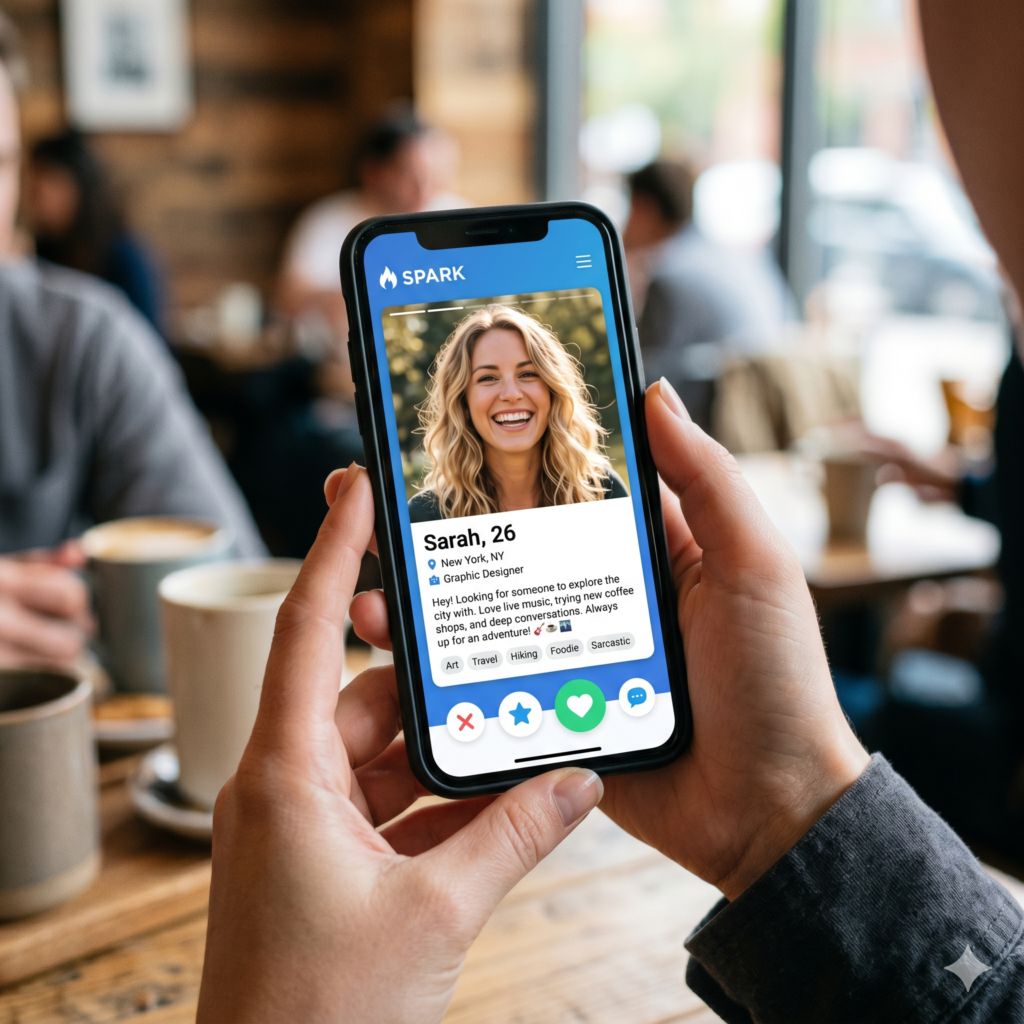
To ensure you successfully navigate the pipeline from downloading an application to sitting across from a genuine local friend, utilize this actionable, step-by-step implementation checklist:
-
[ ] Step 1: Download and Calibrate. Select two applications from this guide that fit your lifestyle (e.g., Bumble BFF for one-on-one connections and Meetup for group activities). Tighten your geographic radius to under 5 miles.
-
[ ] Step 2: Profile Optimization. Fill your profile with friendly, clear, action-oriented photos and write a specific bio featuring clear social hooks and activities you want to try.
-
[ ] Step 3: Initiate the Conversation. Do not wait for others to message first. When a match occurs, send a personalized, warm icebreaker referencing a specific hobby or local spot mentioned on their profile.
-
[ ] Step 4: Propose a Low-Pressure Date. Within 5 to 7 days of active text chatting, transition to a real-world proposal. Keep it casual and short: “Hey, I’m planning to grab a coffee at [Local Café] this Saturday morning around 10 AM. Would you like to join me?”
-
[ ] Step 5: Follow Up and Build Routine. If the meetup goes well, don’t let the momentum fade. Send a follow-up text that evening expressing your enjoyment, and suggest a recurring or secondary activity within the next week to begin building a consistent social routine.
Embracing the Digital Gateway to Physical Community
The rapid acceleration of proximity-focused application design in 2026 has provided us with an unprecedented toolkit for conquering urban isolation and rebuilding localized communities. Technology is often critiqued for pulling us away from our real-world surroundings, but when deployed intentionally, these platforms serve as incredibly efficient gateways back into our physical neighborhoods.
Whether you utilize the structured matchmaking mechanics of Bumble For Friends, tap into your verified zip code via Nextdoor, join an active running club on Strava, or play a high-energy game through Plei, the opportunity to construct a vibrant, local social life is entirely at your fingertips. By optimizing your digital profile for platonic approachability, maintaining a consistent routine of showing up to local events, and prioritizing your physical safety during initial meetups, you can easily turn nearby strangers into lifelong friends. Take the initiative, download the tool that matches your personal style, and start discovering the incredible people living right around you today.