Dating App Facts You Probably Didn’t Know
See the hidden details behind today's most popular dating apps
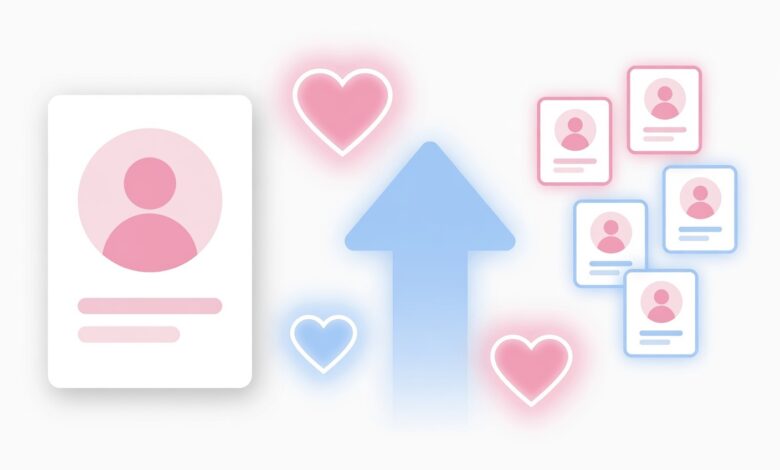
Online dating has completely transformed how people meet, mingle, and fall in love. What started as niche chat rooms and awkward profile pages has evolved into a multi-billion-dollar global industry driven by complex algorithms, psychology, and behavioral science.
While almost everyone has swiped left or right at least once, the mechanics, hidden trends, and psychological impacts behind your favorite dating apps remain largely a mystery. Whether you are a seasoned swiper, a curious observer, or someone who recently deleted and re-downloaded every app on your phone, understanding what happens behind the screen can completely change how you view modern romance.
This comprehensive guide dives deep into fascinating, lesser-known facts about dating apps, the science of swiping, and how digital matchmaking actually shapes human connection today.
The Psychology of the Swipe: Why Our Brains Treat Dating Apps Like Slot Machines

To understand dating apps, you first have to understand why they are so addictive. The swipe mechanism—pioneered and popularized globally—did more than just simplify navigation; it fundamentally rewired how humans evaluate potential partners.
The Dopamine Loop and Variable Rewards
Behavioral psychologists often compare dating apps to slot machines. In psychology, this is known as a variable ratio reinforcement schedule. When you pull a slot machine lever, you do not know if you will win, lose, or hit the jackpot. This unpredictability triggers a massive release of dopamine, the brain’s feel-good neurotransmitter associated with reward and motivation.
When you open a dating app and start swiping, you experience the exact same neurological loop:
-
The Anticipation: Will the next profile be someone amazing?
-
The Reward: Seeing a “It’s a Match!” notification flash across your screen.
This unpredictable reward cycle keeps users engaged for hours, often leading to mindless swiping long after the initial intent of finding a partner has faded.
Decision Fatigue and the Paradox of Choice
In traditional social settings—like a coffee shop, a bookstore, or a party—you might interact with a handful of eligible singles in a single evening. Dating apps, however, present users with an endless buffet of profiles.
Psychologist Barry Schwartz coined the term “The Paradox of Choice” to describe how having too many options can lead to anxiety, indecision, and ultimate dissatisfaction. When faced with thousands of potential matches just a thumb-swipe away, the human brain begins to treat human beings like interchangeable commodities. Users often suffer from chronic fear of missing out (FOMO), constantly wondering if someone better is just three swipes away, which makes it harder to commit to a conversation or a real-world date.
How Algorithms Really Work: Demystifying Your Dating App Feed
Most people assume dating apps simply show you people who live near you and share your listed hobbies. In reality, modern matchmaking platforms use sophisticated machine learning algorithms that analyze everything from your typing speed to your swiping habits.
Beyond Distance and Age: Behavioral Matchmaking
While your basic filters (location, age range, gender preference) set the outer boundaries of your search, the real matchmaking magic happens behind closed doors through behavioral analysis.
Algorithms track:
-
Who you swipe right on: Do you consistently choose profiles with outdoor photos, pet pictures, or specific hairstyles? The system learns your implicit preferences, even those you might not consciously realize you have.
-
Who swipes right on you: Apps often calculate an internal rating or desirability score based on how frequently other users swipe right on your profile compared to left. The algorithm then tends to group users with similar popularity scores, though modern algorithms have grown more dynamic to encourage cross-tier engagement.
-
Messaging Patterns: Some apps analyze how long your messages are, how quickly you reply, and whether your conversations result in actual phone numbers exchanged or dates planned.
The Myth of the “Perfect Match” Score
Many apps historically promised compatibility based on hundreds of questionnaire answers. However, modern relationship science suggests that matching based on static personality quizzes is remarkably inefficient. Two people can look identical on paper yet have zero chemistry in person. Consequently, modern platforms have largely shifted away from static questionnaires, relying instead on dynamic collaborative filtering—recommending profiles based on what similar users interacted with.
Surprising Economic and Demographic Realities of Online Dating
Dating apps are not just social tools; they are massive global businesses. Understanding the economics and demographics of these platforms reveals fascinating truths about modern single life.
The Gender Imbalance Phenomenon
One of the most heavily guarded yet widely known secrets of the dating app ecosystem is the pronounced gender imbalance. Across almost all mainstream dating platforms, male users significantly outnumber female users—sometimes by a ratio of 70% men to 30% women, or even higher depending on the specific app and geographic location.
This imbalance creates entirely different user experiences:
-
For Men: The experience is often characterized by lower match rates, requiring high patience, strong profile optimization, and proactive messaging.
-
For Women: The experience often involves an overwhelming volume of incoming likes and messages, leading to a different kind of fatigue—filtering through noise to find genuine intent.
The Rise of Premium Monetization Models
While dating apps are marketed as free, their business models heavily rely on freemium features. Features that used to be standard—such as seeing who liked your profile, unlimited swipes, passport features to change your location, and rewind buttons—are now locked behind monthly subscriptions.
In fact, modern dating app companies segment their user base meticulously, sometimes charging older users higher subscription fees based on the assumption that they have higher disposable income and a greater sense of urgency to find a partner.
The Hidden Etiquette and Unwritten Rules of Digital Romance
Navigating dating apps requires mastering a whole new set of social norms that did not exist twenty years ago. Misunderstanding these unwritten rules can lead to frustration, ghosting, and digital burnout.
The Anatomy of the Perfect Profile
Data released by various dating platforms over the years reveals surprising truths about what actually attracts attention:
-
The Group Photo Trap: Placing your first photo with a group of friends lowers match rates significantly because potential matches do not want to play a guessing game of “Which one is you?”
-
The Power of Bios: Profiles with blank bios receive significantly fewer responses. However, overly cynical or negative bios (e.g., “No drama,” “Just looking for normal people”) repel high-quality matches faster than an empty space. Positive, concise, and specific prompts perform best.
-
Authenticity Outperforms Perfection: Heavily filtered or professional studio photos often perform worse than natural, candid shots taken in good lighting doing an activity you genuinely enjoy.
Digital Fatigue and the “App Detox” Movement
Because swiping can become compulsive, a massive cultural shift is currently underway. Millions of users are experiencing dating app fatigue—a state of emotional exhaustion caused by endless small talk that goes nowhere, ghosting, and superficial judgments.
This has sparked the “App Detox” movement, where singles delete their accounts for weeks or months at a time, returning only when they have the emotional bandwidth to engage meaningfully. Furthermore, a growing number of singles are moving away from traditional apps entirely, seeking out hobby-based clubs, running groups, and community events to meet people organically in real life.
The Future of Romance: Where Are Dating Apps Heading Next?
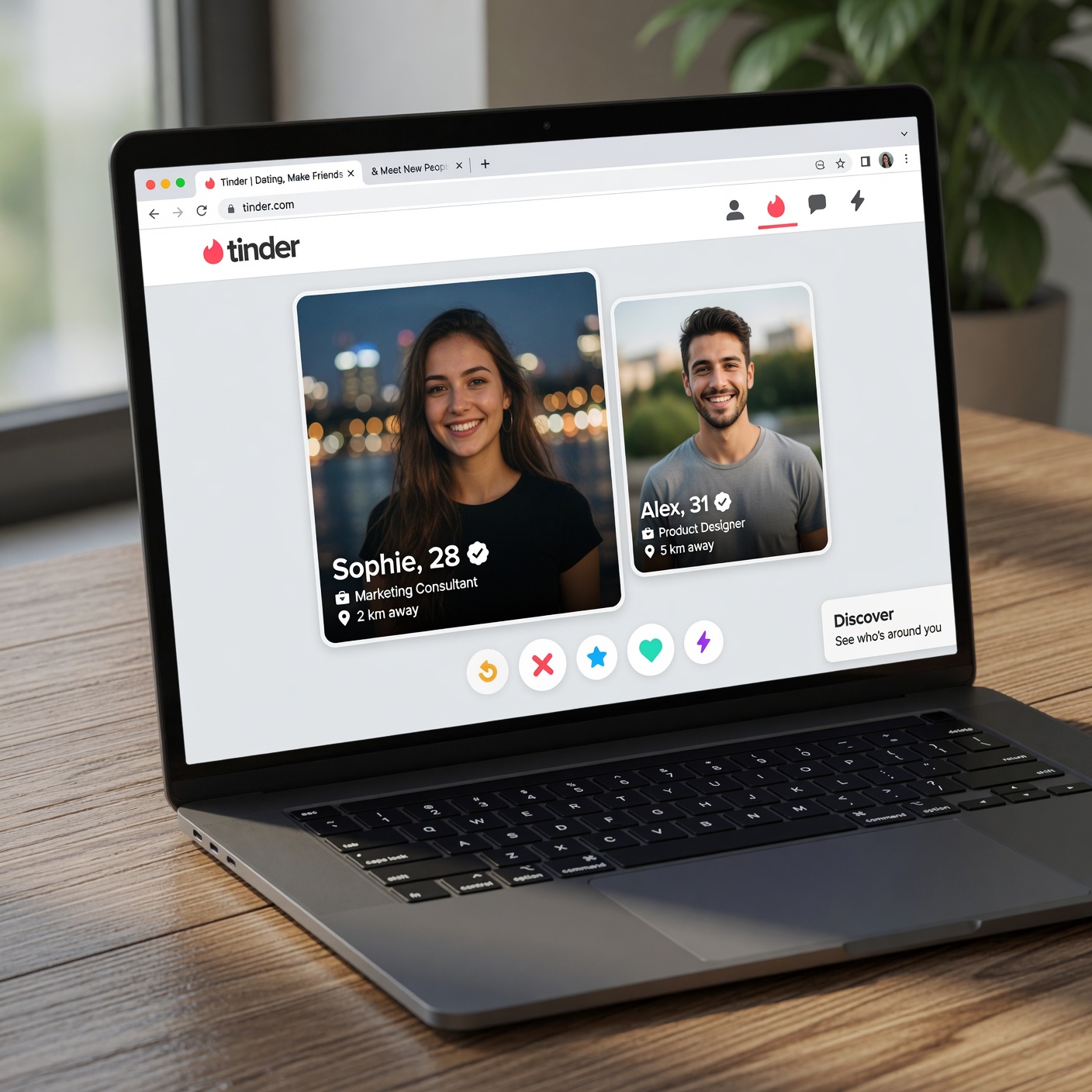
As technology evolves, so does the way we find love. The next generation of matchmaking tools is already shifting the landscape in radical ways.
Artificial Intelligence as Your Wingman
AI is no longer just for writing code or generating art; it is stepping directly into the dating arena. Newer platforms and features use AI to:
-
Analyze your photo gallery to select the pictures where you look most approachable and attractive.
-
Draft opening lines tailored to a match’s specific profile interests to break the ice more effectively.
-
Coach users on conversation pacing, gently suggesting when it might be time to take a conversation off the app and meet up for coffee.
The Shift Toward Intentional Dating
For years, the cultural narrative around dating apps was dominated by casual hookup culture. However, recent demographic data shows a strong pendulum swing back toward intentional dating. Younger generations, particularly Gen Z, report valuing long-term commitment, emotional safety, transparency, and clear relationship goals much earlier in the dating process. As a result, newer apps focus heavily on audio prompts, video introductions, and verified profiles to foster genuine connection rather than endless scrolling.
Frequently Asked Questions About Dating Apps
Do dating apps actually lead to long-term marriage?
Yes. Sociological studies consistently show that couples who met via online dating apps report marriage satisfaction rates comparable to—and sometimes higher than—those who met through traditional offline avenues. This is largely because dating apps allow people to filter for core life values, location, and relationship goals before ever meeting face-to-face.
Why do people constantly “ghost” on dating apps?
Ghosting—suddenly cutting off all communication without explanation—is largely a byproduct of the digital medium. Because online interactions lack mutual friends and shared social accountability, it is psychologically easier for people to disengage rather than have an uncomfortable conversation.
Are paid dating app subscriptions actually worth it?
Paid tiers offer conveniences like seeing who already liked you, unlimited undo buttons, and advanced filters. While they do not change who you are or how attractive your profile is, they can save significant time for busy professionals who want to streamline their search.
Balancing Technology and Human Connection
Dating apps are incredible tools that have expanded our social horizons far beyond our immediate neighborhoods, workplaces, and local circles. They have connected millions of couples who otherwise never would have crossed paths.
However, they are ultimately just tools. The secret to winning at modern dating is remembering that behind every screen, profile picture, and bio is a real human being looking for the exact same thing you are: understanding, laughter, and a genuine connection. Whether you swipe daily or take regular digital sabbaticals, keeping a healthy perspective ensures that your journey remains fun, empowering, and open to the unexpected magic of human romance.