Can AI Voice Cloning Be Used for Fraud?
Discover the most common voice cloning scams targeting individuals and businesses
In the rapidly evolving landscape of cyber threats, artificial intelligence has become a double-edged sword. While AI powers groundbreaking innovations in medicine, productivity, and communication, it has also handed malicious actors a powerful new weapon: AI voice cloning. You might have seen headlines about “deepfakes” in movies or social media, but the reality is that the threat is now reaching our phones and our personal lives.
Can AI voice cloning be used for fraud? The short answer is a resounding yes. It is no longer a plot for a sci-fi thriller; it is a sophisticated method used by cybercriminals to bypass trust and manipulate individuals and organizations into handing over sensitive information or significant sums of money. In this guide, we will explore exactly how this technology works, the common scams you need to be aware of, and the actionable steps you can take to protect yourself and your family.
What Is AI Voice Cloning and How Does It Work?

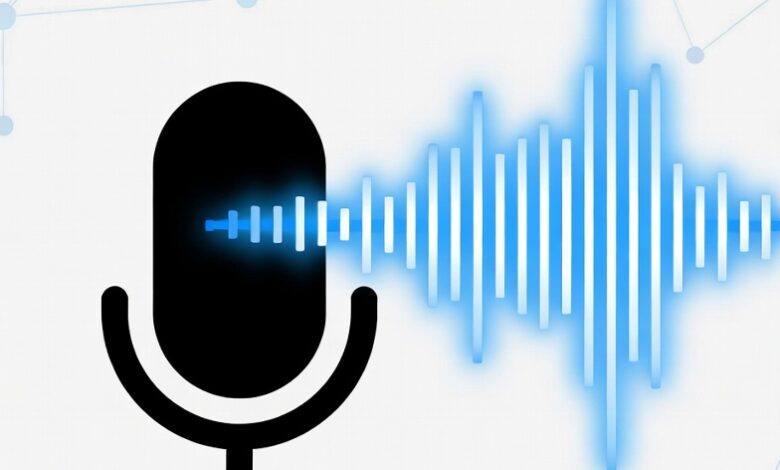
At its core, AI voice cloning is the process of using machine learning algorithms to create a synthetic version of a person’s voice. In the past, creating a convincing impression required professional voice actors or hours of high-quality audio recording. Today, the barrier to entry has plummeted.
Modern AI models can capture the unique “fingerprint” of a voice—its cadence, tone, pitch, and emotional inflection—using only a few seconds of audio. This audio data can be harvested from social media videos, public interviews, podcasts, or even leaked voicemail greetings. Once the AI has processed these samples, it can be programmed to speak any text provided by the scammer, effectively allowing them to “become” the person they are impersonating.
How AI Voice Cloning Fuels Modern Fraud
The effectiveness of voice cloning scams lies in their ability to exploit human psychology. We are biologically wired to trust the voices of those we know. When we hear a loved one in distress or a supervisor giving an urgent order, our logical defenses often take a backseat to our emotional responses.
1. The “Grandparent” or Family Emergency Scam
This is one of the most common and devastating types of voice-cloning fraud. A scammer clones the voice of a grandchild or a younger relative. They call an older adult, often claiming to be in an accident, arrested, or stranded in a foreign country. By using a synthesized voice that sounds exactly like their loved one, they create an immediate sense of panic. The goal is to get the victim to wire money, buy gift cards, or share banking credentials before they have a chance to call the real relative to verify the story.
2. Business Email Compromise (BEC) and CEO Fraud
Organizations are prime targets for AI-powered vishing (voice phishing). In these scenarios, attackers clone the voice of a high-level executive, such as a CEO or CFO. They then call a member of the finance team, claiming that a “confidential” or “urgent” transaction must be processed immediately. Because the request sounds like it is coming from the top of the organizational ladder, employees may feel pressured to bypass standard security protocols, leading to massive financial losses.
3. Banking and Institutional Impersonation
Scammers also pose as representatives from banks, credit card companies, or government agencies. By combining a cloned voice with “spoofed” caller ID (which makes the call look like it is coming from an official number), they create a high level of credibility. They might claim your account has been compromised and ask you to recite one-time passcodes or verify sensitive personal data, effectively “phishing” for the keys to your financial life.
Why Is It So Hard to Detect?
You might think you would easily spot a “fake” voice, but the technology has crossed the “indistinguishable threshold.” In controlled tests, human listeners are increasingly unable to tell the difference between authentic human speech and high-quality AI synthesis.
-
Emotional Manipulation: Scammers use high-pressure tactics to keep you from stopping to analyze the audio quality.
-
Contextual Relevance: They often use background noise (like sirens, traffic, or office sounds) to make the call feel more “real.”
-
Interactive Capability: Unlike old-school robocalls, AI-driven scams can be interactive. If you ask a question, the AI can often provide a generic but convincing response in real-time.
Essential Signs of a Voice Cloning Scam
While technology is improving, scammers often make mistakes. Keep these red flags in mind:
-
Extreme Urgency: If the caller demands immediate action, particularly involving money, secrecy, or bypassing standard procedures, treat it as a massive red flag.
-
Unusual Payment Methods: Requests for payment via wire transfer, cryptocurrency, or physical gift cards are hallmarks of a scam. No legitimate business or family member in a genuine emergency will ask you to pay them in store-bought gift cards.
-
Off-Character Behavior: Does the caller sound nervous, robotic, or strangely repetitive? Are they asking for information that they should already have?
-
Audio Anomalies: Listen for unnatural pauses, metallic “glitches” in the speech, or background noise that doesn’t match what the caller is describing.
How to Protect Yourself and Your Loved Ones
The good news is that while these scams are sophisticated, they are preventable. You do not need to live in fear; you just need to implement a few “procedural redundancies” in your life.
1. Establish a “Safe Phrase” or Codeword
This is the single most effective defense against family emergency scams. Sit down with your family and agree on a secret word or phrase that only your family members know. If you ever receive a call from a “loved one” claiming to be in an emergency, ask them for the codeword. If they can’t answer it, you know instantly that the call is fraudulent.
2. Never Trust Caller ID
Technology makes it trivial to spoof a phone number. Never assume a call is legitimate just because the name or number on your screen looks correct. If you receive a call from a bank, government agency, or a family member asking for money or data, hang up immediately. Use a trusted phone number you already have saved or look up their official contact information online to call them back.
3. Limit Your “Audio Footprint”
Scammers need raw material to create a voice clone. Be mindful of what you post on social media. Avoid posting long videos of yourself or your children speaking if your profiles are public. Consider setting your social media accounts to private so that only people you actually know can access your content.
4. Practice “Out-of-Band” Verification
If an “executive” or “financial advisor” calls you with an urgent request, do not fulfill it based on that phone conversation alone. Contact the person through a separate, independent channel—such as an email, a messaging app, or a secure internal company portal—to confirm the request is real.
What to Do If You’ve Been Targeted
If you suspect you have been contacted by a voice-cloning scammer, take these steps immediately:
-
Hang up: Do not continue the conversation.
-
Verify independently: Contact the person or entity the scammer was impersonating using a known, trusted number.
-
Document everything: Write down the number that called you, the time, and details of what was said.
-
Report the incident: In the United States, you can report these scams to the Federal Trade Commission (FTC) at ReportFraud.ftc.gov. Reporting helps authorities track and shut down these operations.
-
Secure your accounts: If you provided any banking information or credentials, contact your financial institutions immediately to freeze your accounts and reset your passwords.
The Future of Digital Security: Moving Beyond “Trust”
As AI-driven fraud evolves, our approach to security must also change. We can no longer rely on the sound of a voice as a form of “identity verification.” By adopting a mindset of “verify, then trust,” we can stay ahead of malicious actors.
Digital safety is not about avoiding technology—it is about being smarter than those who try to misuse it. By using codewords, verifying sources, and staying skeptical of high-pressure demands, you can effectively neutralize the threat of AI voice cloning and keep your hard-earned money and sensitive data safe.