How Boo Uses Personality Types to Match People
See how MBTI-inspired profiles influence conversations and connections on Boo
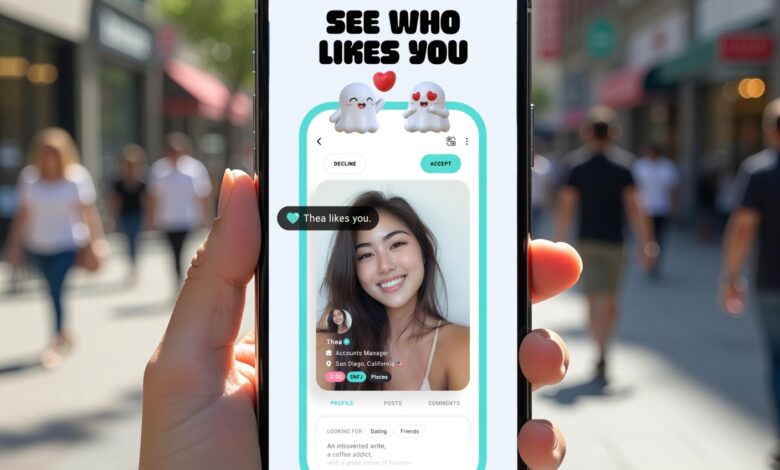
In the modern landscape of digital dating, the “swipe-right” culture has become synonymous with burnout. For millions of users, the traditional approach—relying on a handful of photos and a brief, often curated bio—has led to endless cycles of superficial interactions and ghosting. Enter a new wave of dating platforms that prioritize psychological depth over visual impulse. Among these, the Boo app has emerged as a leader by integrating personality theory into the very core of its matching algorithm.
But how exactly does Boo use personality types to match people? And why is this psychological approach changing the way we form connections in an increasingly digital world? In this guide, we will explore the science of compatibility, the role of personality frameworks, and how Boo is redefining the dating experience.
The Problem with Traditional Dating Apps
For over a decade, dating apps have focused almost exclusively on physical attraction and geographic proximity. While these filters are convenient, they ignore the fundamental “human” component of relationships: compatibility.
Research into social psychology has repeatedly shown that long-term relationship success is rarely determined by how someone looks in a beach photo. Instead, it is rooted in shared values, complementary communication styles, and mutual emotional intelligence. When platforms prioritize speed, they inadvertently create “choice overload,” leaving users feeling disconnected rather than empowered.
What is Personality-Based Matching?
Personality-based matching is an algorithmic strategy that moves beyond the surface. Instead of matching you based on what you look like, these platforms attempt to match you based on who you are.
By utilizing established frameworks like the Myers-Briggs Type Indicator (MBTI) and the Enneagram, these apps categorize users into personality profiles. These profiles describe how a person processes information, makes decisions, and reacts to social stimuli. When an algorithm understands your underlying cognitive functions, it can predict whether you are likely to experience long-term harmony or frequent friction with another user.
How Boo Uses Personality Theory to Create Connections
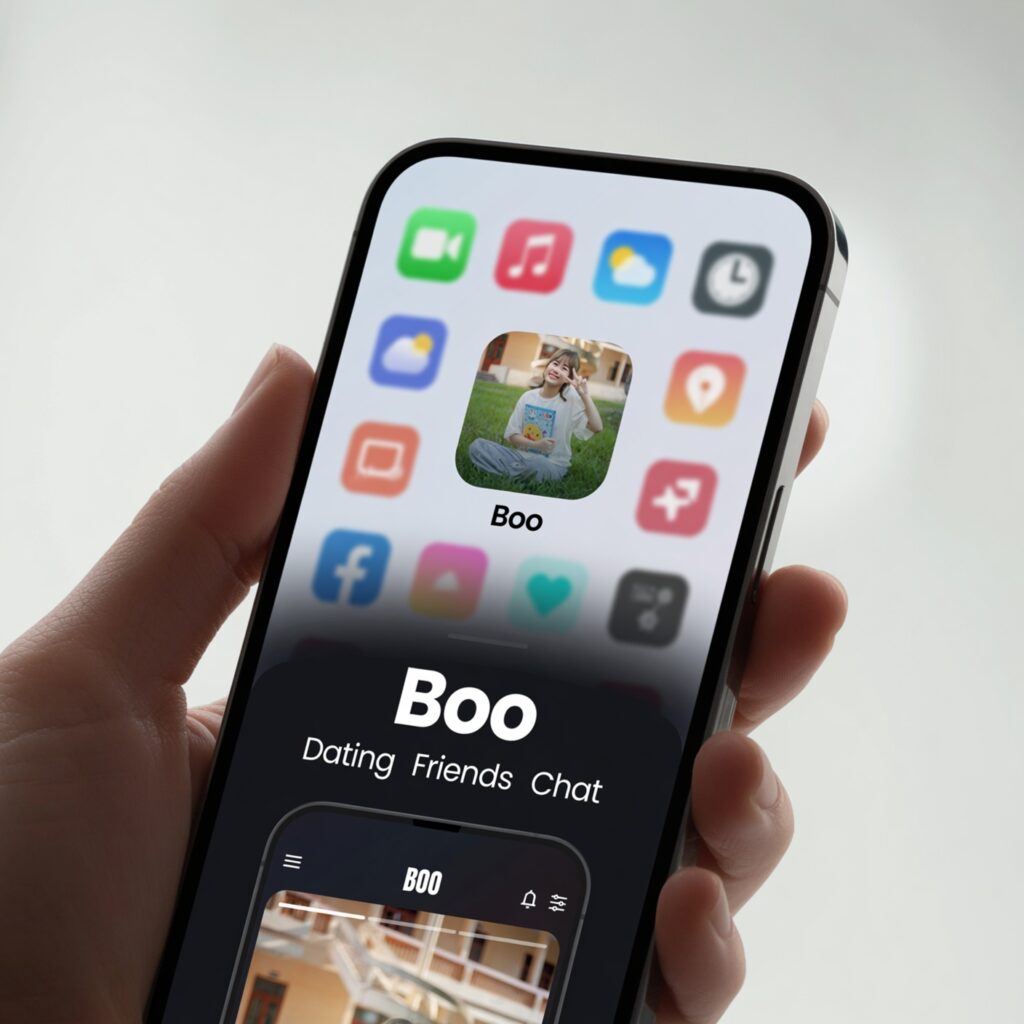
The Boo app functions as a social discovery and dating platform designed around the science of psychology. Unlike generic apps, Boo requires (or allows) users to complete a personality assessment, which acts as the foundation for their profile.
1. The MBTI Integration
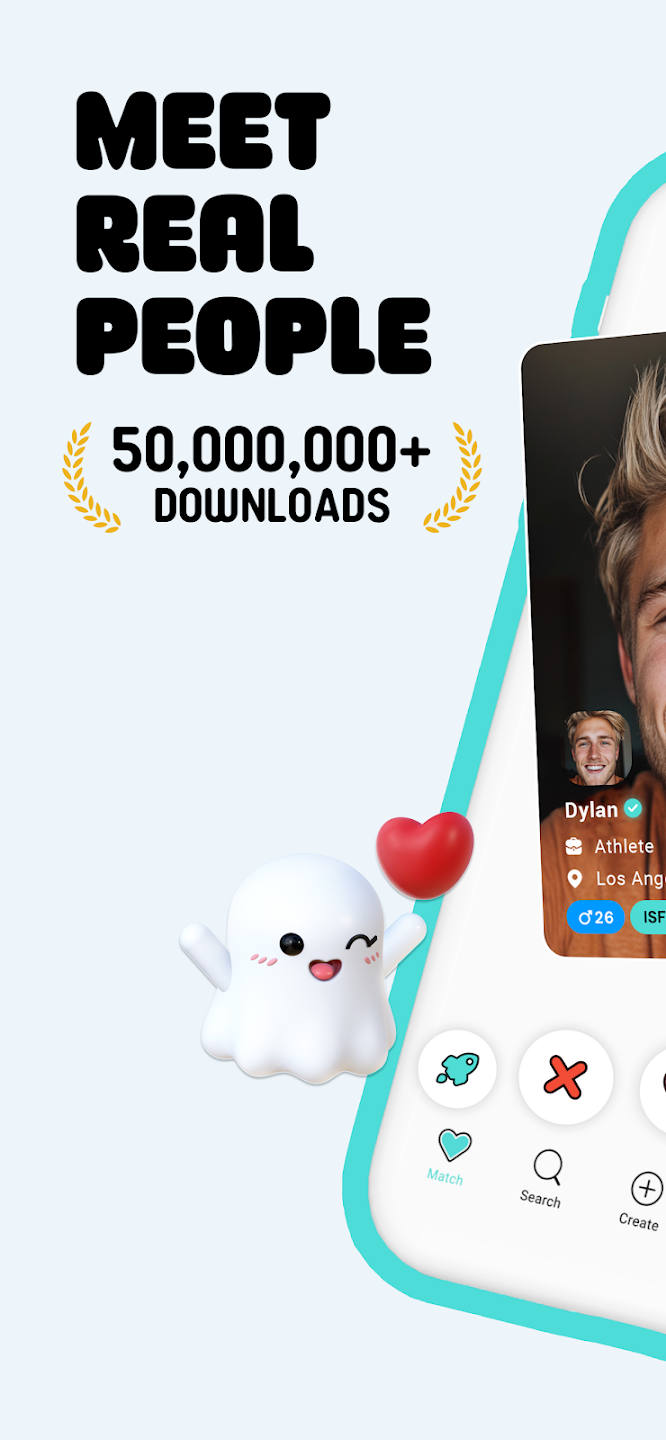
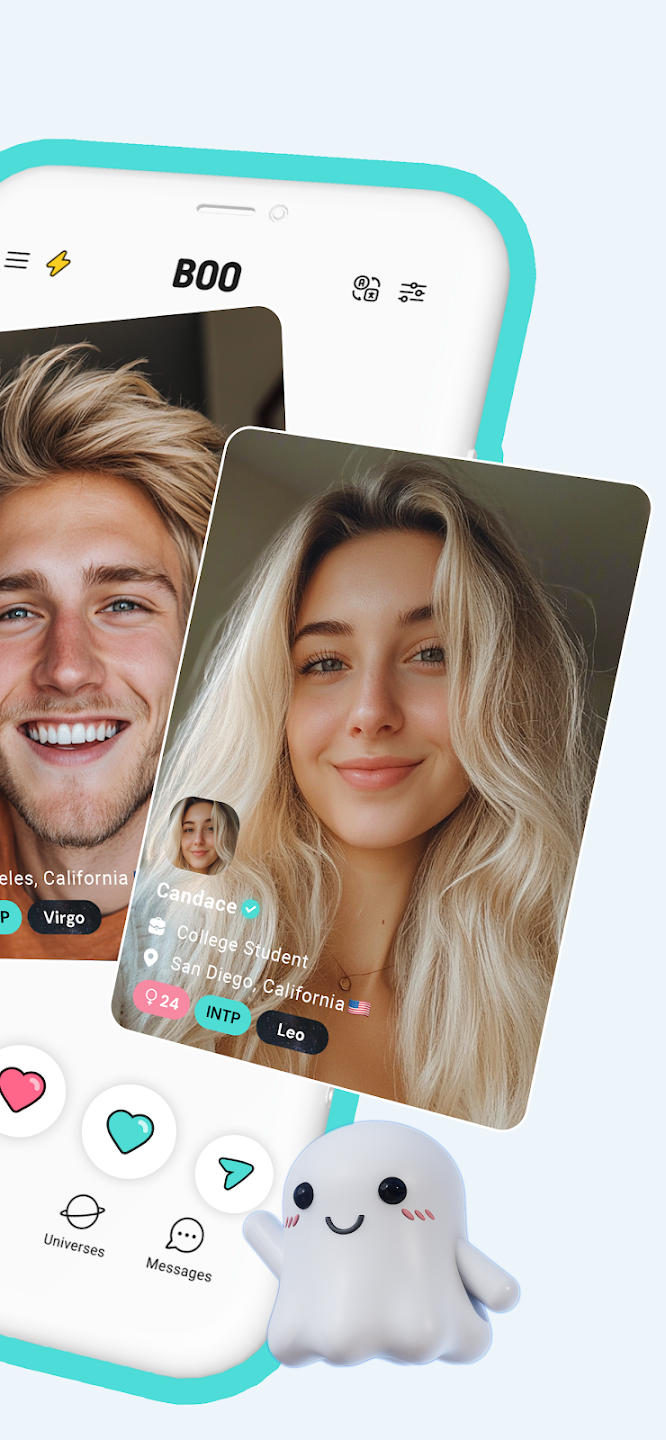
The backbone of Boo’s matching system is the Myers-Briggs Type Indicator. By identifying which of the 16 personality types a user belongs to, the app can offer insights into:
-
Ideal Communication Styles: Does your match prefer deep, abstract conversations or concrete, practical exchanges?
-
Relationship Dynamics: How do these two specific types typically handle conflict or stress?
-
Compatibility Insights: Which types are naturally inclined to “click,” and which might require a bit more effort to understand each other?
2. Beyond MBTI: The Enneagram and Values
Boo does not rely solely on one metric. It integrates Enneagram types and personal values to provide a multi-dimensional view of a user. While MBTI describes how you process the world, the Enneagram often speaks to your core motivations and fears. By layering these systems, Boo creates a “compatibility score” that is far more nuanced than a simple swipe.
3. Psychology-Driven Profiles
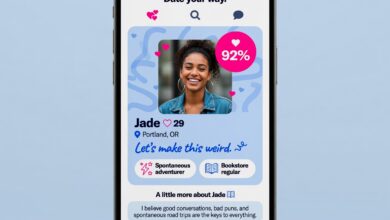
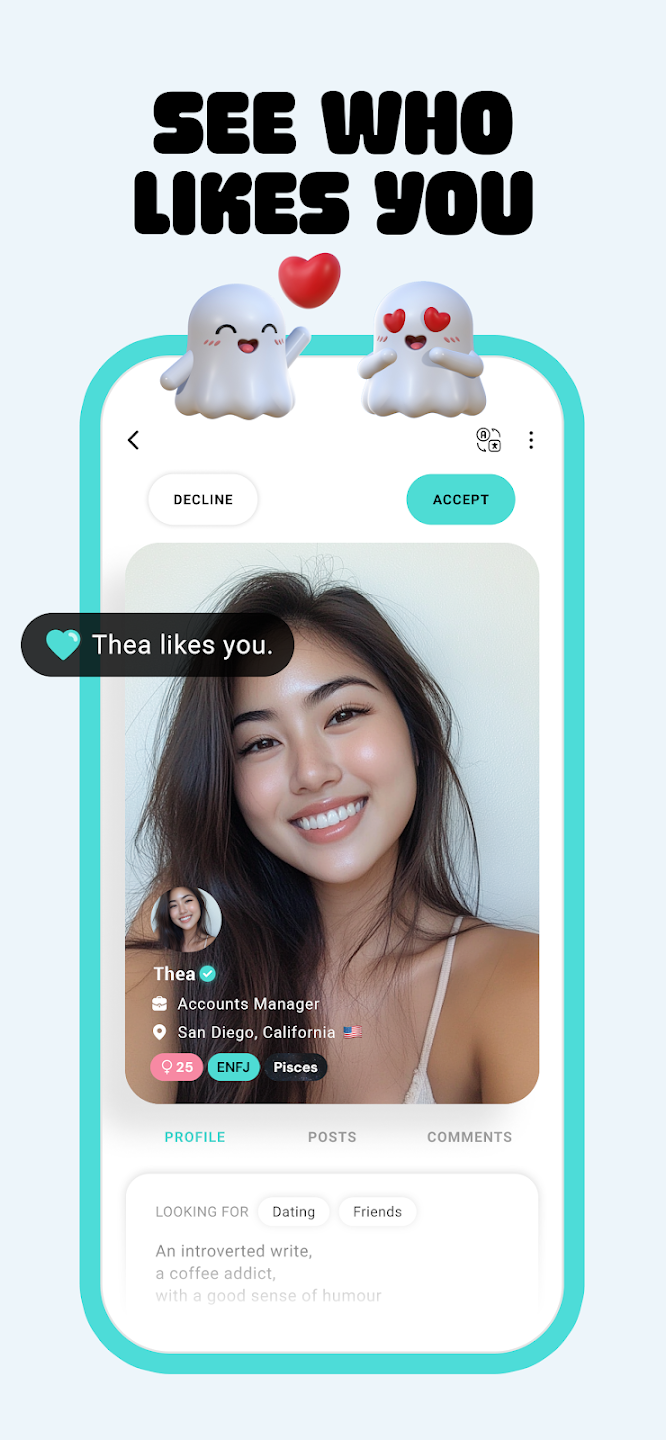
Every profile on Boo is enriched with insights. When viewing a potential match, you aren’t just seeing a bio; you are seeing a breakdown of their personality. This allows users to understand, for example, why an “Extroverted” type might need more social engagement, or why an “Introverted” type might need quiet time to recharge. This transparency helps users manage expectations before the first message is even sent.
Why Personality Compatibility Actually Matters
You might wonder: Is personality really a predictor of love? While no algorithm can account for “the spark”—that inexplicable chemistry that happens across a dinner table—science suggests that personality compatibility is a powerful indicator of relationship longevity.
Reducing Mismatches
The most significant benefit of this approach is the reduction of “noise.” By filtering for psychological alignment, you are naturally screened away from people who fundamentally operate in ways that clash with your nature. This saves time, reduces the emotional toll of failed dates, and increases the likelihood that when you do connect, the conversation will have substance.
Fostering Deeper Conversations
Personality types provide a “jumping-off point” for interaction. Instead of the standard, “Hey, how’s your day?”, Boo users have a wealth of context to work with. Knowing someone’s personality type allows you to ask more meaningful questions, such as “How do you usually approach big life decisions?” or “Do you find yourself more energized by social events or quiet nights in?”
Is Scientific Matching Replacing Romance?
There is a common misconception that personality-driven apps try to “engineer” love. In reality, these platforms aren’t trying to predict the future; they are trying to provide a better starting point.
The goal of Boo’s algorithm is not to force two people together but to remove the barriers that prevent us from finding the right people. It acknowledges that human interaction is complex and that while we can’t “code” love, we can certainly use data to improve our chances of finding someone who truly understands us.
Tips for Getting the Most Out of Personality Apps
If you are new to the world of personality-based dating, here are a few ways to ensure you get the best matches:
-
Be Honest on Your Assessment: Don’t answer questions based on who you want to be. Answer them based on who you are on your average Tuesday.
-
Use the Insights as a Tool, Not a Verdict: A “low compatibility” score doesn’t mean a relationship is impossible; it just means there might be different challenges to navigate. Use the app’s tips to learn how to communicate across those differences.
-
Engage with Communities: Boo offers interest-based communities that allow you to connect with people who share your hobbies, not just your personality type. This is a great way to build organic chemistry before jumping into a dating dynamic.
The Future of Dating: Toward Intentional Connection
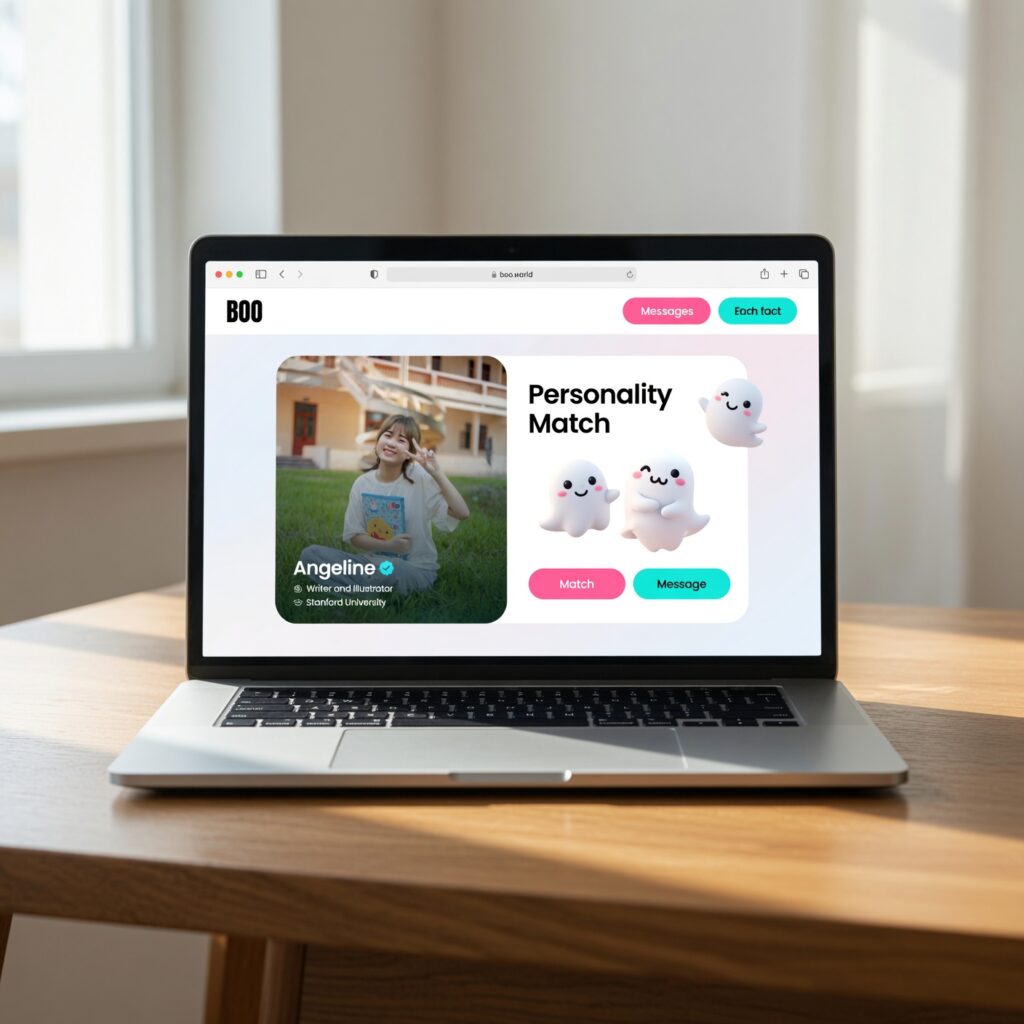
As we look toward the future of dating, the shift toward personality-focused platforms like Boo signals a broader trend: a move away from the “disposable” nature of early digital dating. Users are demanding more value, more transparency, and more genuine connection.
By leveraging psychology, these apps are effectively teaching us how to be better partners. They encourage us to think about how we communicate, how we handle conflict, and what we truly need to feel supported in a relationship.
Whether you are looking for a lifelong partner or a meaningful friendship, understanding the “why” behind your compatibility is a game-changer. Boo isn’t just about matching people; it’s about helping people understand themselves and each other, one personality type at a time.