How Dating Apps Rank Your Profile
Find out how to increase your chances of getting more matches
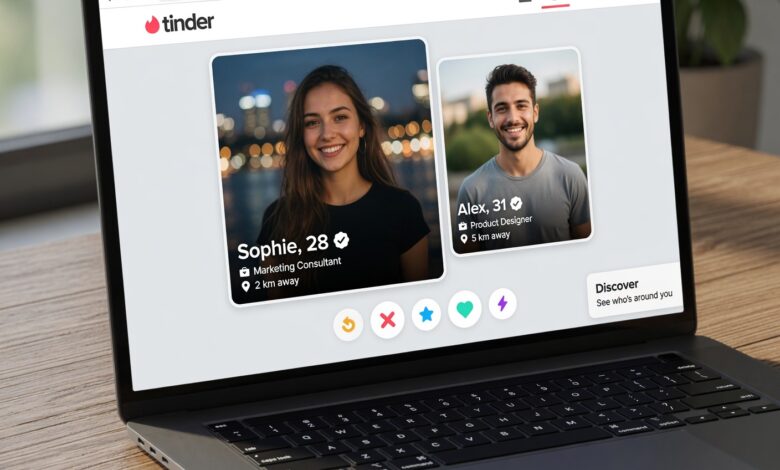
If you have ever spent hours setting up a dating app profile, uploading your favorite pictures, crafting a witty bio, and then watched in absolute silence as your match queue remained completely empty, you are not alone. Millions of users experience this digital ghost town effect every single day. The immediate reaction is usually self-doubt: “Am I really that unappealing?”
However, the reality of modern online dating has very little to do with personal worth and almost everything to do with code. Behind the sleek interfaces of platforms like Tinder, Bumble, and Hinge lie complex, highly guarded ranking algorithms. These systems act as invisible gatekeepers, evaluating, scoring, and sorting millions of profiles to determine who gets prime visibility and who gets buried at the bottom of the stack.
Understanding how dating apps rank your profile is the ultimate key to transforming your online dating experience. By treating the algorithm not as a mysterious enemy, but as a predictable set of rules, you can optimize your digital presence, trigger the right engagement signals, and finally start connecting with the right people.
The Evolution of Dating App Algorithms: From Chess Scores to Machine Learning

To master how your profile is ranked today, it helps to understand where these systems originated. In the early days of modern swiping, platforms like Tinder famously relied on an adaptation of the Elo rating system—the same mathematical model used to rank chess players.
Under an Elo-style framework, every time someone swiped right on your profile, your internal score went up; every time they swiped left, it went down. Furthermore, the “weight” of that swipe mattered: if a user with a high score swiped right on you, your score skyrocketed much faster than if a low-scoring or inactive account did the same.
While tech companies have publicly moved away from classic Elo scores, the foundational philosophy remains intact: perceived desirability and behavioral value dictate your placement.
Today, modern dating apps utilize advanced behavioral machine learning and predictive analytics. They do not just look at whether people like your face; they analyze thousands of micro-interactions in real-time. These systems evaluate how long users linger on your profile, how selectively you swipe, how fast you reply to messages, and whether your conversations actually turn into meaningful dialogue.
Profile Quality Scores: Why Photos and Bios Drive the Initial Ranking
At the core of every ranking mechanism is the Profile Quality Score. When you create a new account, the platform assigns you an initial baseline score. Within your first few days—often called the New User Boost—the app aggressively tests your profile by showing it to a larger, diverse pool of local users. How your profile performs during this critical window establishes your long-term algorithmic standing.
[New Account Created]
       │
       ▼
[New User Boost (First 48 Hours)] ──► Exposed to Test Audience
       │
       ├──► High Engagement (Right swipes, slow exits) ──► Algorithm Elevates Score
       │
       └──► Quick Left Swipes / Inactivity ─────────────► Algorithm Buries Profile
The Dominance of Visual Data
Visual content accounts for the vast majority of your initial ranking weight. Algorithms use facial recognition and image quality filters to evaluate clarity, lighting, and context.
-
The Sweet Spot: Profiles featuring 3 to 6 high-resolution, varied photos receive roughly 40% more matches than sparse accounts.
-
The Penalty Zone: Grainy selfies, group shots where your face is obscured, or heavily filtered images trigger quick left-swipes. When users swipe left on you within less than one second, the algorithm logs a negative quality signal, rapidly dropping your visibility score.
Beyond the Surface: Text Prompts and Behavioral Signals
Apps like Hinge have pioneered prompt-based ranking, where text and conversational hooks matter just as much as aesthetics. The algorithm tracks whether people interact with your written answers.
-
Comments left on specific prompts act as high-tier ranking signals because they prove your profile generated genuine curiosity, not just a mindless reflex swipe.
-
Empty bio fields or generic one-word answers rob the algorithm of semantic data, making it difficult for the system to match you with compatible users.
Behavioral Economics: How Your Swiping Habits Dictate Your Visibility
Many users assume that ranking is entirely passive—that you simply set up a profile and let the system do the work. In reality, your own app behavior heavily dictates your ranking status. Dating apps closely monitor how you interact with others to protect the health and retention of their ecosystem.
The Danger of the “Right-Swipe Epidemic”
A common mistake among beginners is trying to beat the system by swiping right on every single profile to maximize potential matches. Algorithms instantly flag this behavior.
-
If you blanket-swipe right without looking, the app classifies your account as a bot, a spammer, or a low-value user.
-
Consequently, your profile is systematically deprioritized, hiding you from the feeds of desirable, highly-ranked users.
-
The Fix: Be selective. The algorithm rewards users who demonstrate discernment, as it indicates real human intent and protects user satisfaction.
Consistency vs. Binge Swiping
Digital habits matter to the code. Logging in for three hours straight on a Sunday afternoon and then vanishing for two weeks signals an erratic, low-engagement pattern. Platforms prefer active, steady participants. Spending 10 to 15 minutes a day engaging with the app keeps your profile fresh, active, and regularly rotated into priority feeds.
The Conversion Loop: Why Messaging Speed and Quality Matter
Getting a match is only half the battle. What happens after two people swipe right determines how the algorithm evaluates your long-term success. Dating apps are businesses designed to facilitate actual human connections (or at least keep users happily engaged). Therefore, messaging metrics heavily influence your rank.
-
The Response Window: Replying to messages within the first 24 hours significantly increases conversation success rates and signals to the algorithm that you are an active, responsive participant.
-
The Ghosting Penalty: If you routinely match with people and never send a message—or if conversations die instantly due to lack of replies—the system registers those matches as “failed pairings”. Over time, a high ghosting or dead-chat rate causes the algorithm to scale back your exposure.
-
Platform-Specific Rules: Apps like Bumble utilize strict time constraints (such as the 24-hour window for women to make the first move), directly baking prompt responsiveness into their core architecture. Profiles that consistently maximize these windows are rewarded with structural algorithm boosts.
Location, Proximity, and the Marketplace Balance
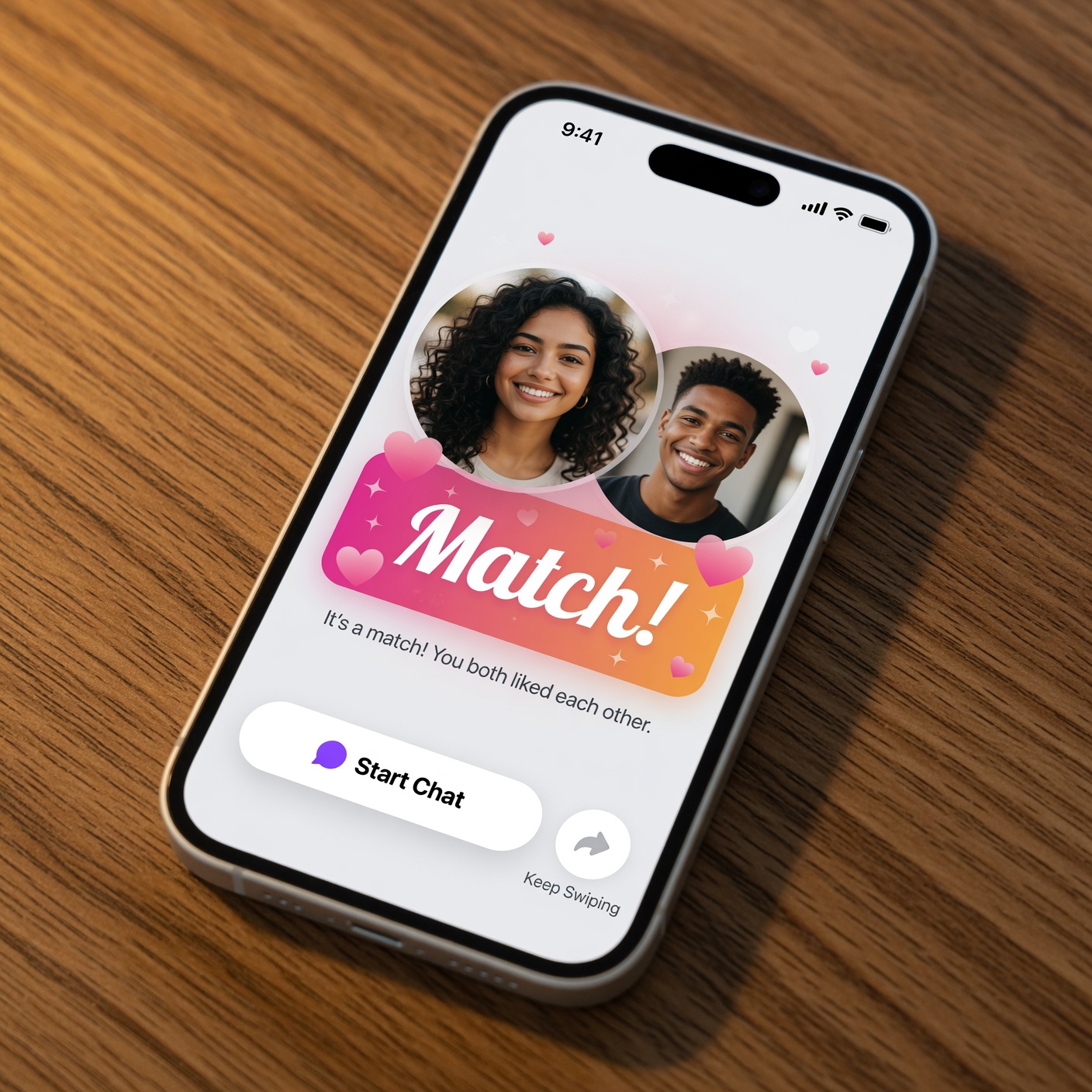
Even the most optimized profile with incredible photos and stellar engagement metrics will struggle if local market dynamics are ignored. Location is a heavy foundational filter for every major dating app.
Density and Competition
The algorithm must balance the local marketplace. In densely populated metropolitan areas, the sheer volume of users means competition is fierce; profiles can cycle out of top views quickly if they do not maintain high engagement rates. Conversely, in rural areas with smaller user pools, the algorithm broadens geographic radiuses and adjusts filters to ensure users still see content, though overall visibility velocity may slow down.
Actionable Strategy: How to Reset and Optimize Your Profile Ranking
If your current profile is trapped in a low-visibility rut, don’t panic. Because algorithms heavily weight recent behavioral data and real-time adjustments, you can actively rehabilitate your standing.
-
Audit Your Visual Assets First: Replace your primary photo with a sharp, natural, well-lit portrait that captures attention within milliseconds. Remove group photos as your main image and eliminate heavy digital filters.
-
Refine Your Text and Prompts: Ditch cliché, generic statements (like loving travel or brunch) and replace them with specific hobbies, conversational hooks, or light humor that encourages replies.
-
Calibrate Your Swiping Discipline: Stop mindless mass-swiping. Be selective, choose profiles you are genuinely interested in meeting, and signal quality to the system.
-
Maintain Consistent Daily Habits: Engage with the app for short, regular intervals rather than sporadic multi-hour binges. Reply to your matches promptly to feed positive engagement loops back into your profile score.
By aligning your behavior with what the underlying code is programmed to reward, you stop fighting the system and start letting it work for you. Understanding the mechanics behind the match transforms online dating from a frustrating guessing game into a predictable, manageable process.