Step-by-Step Guide to Stay Safe While Dating Online
Follow these steps before trusting anyone online
Finding a connection in the digital age has never been more accessible, but it has also never been more complex. As we move through 2026, dating apps have integrated advanced AI to help us find “the one,” but scammers and malicious actors have also upgraded their toolkits. Whether you are looking for a long-term partner or a casual date, your physical, emotional, and financial safety must be the foundation of your journey.
This is not just another list of tips; this is a comprehensive, step-by-step operational manual. By following these protocols, you aren’t being “paranoid”—you are being a smart, modern dater who understands the value of personal security.
1. Choosing the Right Platform and Setting Up a “Ghost” Profile

Your safety begins the moment you download an app. Most people rush through the setup process, but the information you provide (and how you provide it) determines your digital vulnerability.
Opt for Apps with Robust Verification
Not all dating apps are created equal. In 2026, prioritize platforms that require mandatory biometric verification. This usually involves the app asking you to take a “live” video selfie to match your profile photos. While not foolproof, it significantly reduces the number of bots and low-level scammers.
The “Unique Photo” Strategy
One of the biggest mistakes is using the same photos on your dating profile that you use on your public Instagram or LinkedIn.
-
Why it’s a risk: A simple reverse image search can link your dating profile to your professional life or your family photos within seconds.
-
The Solution: Take photos specifically for your dating profile. Wear different clothes and choose locations that don’t reveal your neighborhood or workplace.
Minimize Your Data Footprint
When the app asks for your “Bio,” keep it interesting but vague.
-
Don’t: “Software Engineer at Google in Mountain View.”
-
Do: “Tech professional who loves hiking and the outdoors.”
The goal is to provide enough personality to attract a match without giving a stalker the exact address of your office.
2. The Digital Vetting Process: How to Spot a Catfish in 2026
Once you’ve matched with someone, the “Vetting Phase” begins. Before you invest emotional energy, you need to verify their identity.
Advanced Reverse Image Searching
Go beyond basic Google searches. Use tools like Pimeyes or Social Catfish. These tools are much more effective at finding “stolen” faces across various social media platforms. If a photo appears on a stock image site or an influencer’s page under a different name, report the profile and block them immediately.
The “Google Voice” Buffer
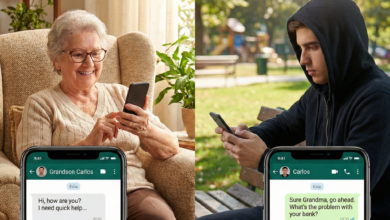
Never give out your primary phone number in the first week of talking. Your real number is often tied to your Zelle, bank accounts, and home address through “People Search” databases.
-
Action Step: Use a secondary VoIP number (like Google Voice). It allows you to text and call without exposing your primary digital identity. If the person turns out to be a “creep,” you can simply delete the number without changing your entire life.
Cross-Reference Their Story
Scammers often have inconsistent narratives. If they say they went to a specific college but don’t know basic facts about the campus, or if their age changes between conversations, take note. In 2026, scammers often use AI to generate scripts, but they struggle with “temporal consistency”—remembering exactly what they told you three days ago.
3. Safe Communication Protocols: Recognizing the Psychology of a Scammer
Scammers don’t just want your money; they want your trust. Understanding their psychological tactics is your best defense.
The “Love Bombing” Red Flag
If a match is telling you they’ve never felt this way before and are planning a future with you after only 48 hours of chatting, you are being Love Bombed. This is a tactic used to create an artificial “emotional high” that clouds your judgment. Real, healthy connections take time to simmer.
Moving Off-Platform Prematurely
Dating apps have “Safety Centers” that monitor for banned keywords and suspicious links. Scammers will try to move you to Telegram, Signal, or WhatsApp almost immediately. They do this because those apps are encrypted and unmonitored by the dating platform, making it easier for them to send phishing links or move into financial “pitches.”
The “Sense of Urgency” Scam
Almost every romance scam ends with an emergency. They need money for a flight, a hospital bill, or a “once-in-a-lifetime” investment.
-
The Rule: If the conversation turns to money, the conversation is over. There is no exception to this rule.
4. The Mandatory Pre-Date Video Call: Beating the Deepfakes
In 2026, a video call is no longer a luxury—it is a security requirement. However, with the rise of AI-generated video, you have to be more observant than ever.
How to Conduct a “Vibe and Verification” Call
Don’t just talk; observe.
-
Request Spontaneity: Ask them to wave, or move the camera to show their surroundings. Deepfake filters often “glitch” when an object passes in front of the face or when the person moves rapidly.
-
Listen for Audio Latency: If their voice doesn’t match their lip movements, or if there is a strange “robotic” tint to their tone, it might be an AI voice modulator.
-
The “Lighting” Check: Does the light on their face match the background? If they are in a “dark room” but their face is perfectly lit, it’s a red flag.
If a match refuses a 5-minute video call in 2026, do not meet them. There is no valid excuse for a lack of video capability in the modern era.
5. Planning the First Meeting: Logistics for Maximum Control

The first meeting is the transition from digital safety to physical safety. You must remain the “Director” of this event.
Choosing a Neutral, High-Traffic Location
Never let the other person choose a “secluded” or “romantic” spot for the first date.
-
Best Options: Coffee shops, busy afternoon bistros, or well-populated public parks during daylight hours.
-
Avoid: Their house, your house, long car rides, or “private” dining rooms.
Transportation Independence
This is non-negotiable. Do not let your date pick you up. If you rely on them for a ride, you are effectively their passenger until they decide to let you out. Drive your own car, take an Uber, or use public transit. This ensures that if the date goes south, you can leave at any moment without needing their permission or assistance.
6. Building Your Safety Net: The “SOS” Protocol
Before you walk into the venue, ensure someone in the “outside world” is watching your back.
The Designated Safety Contact
Send a screenshot of your date’s profile and the address of the venue to a trusted friend.
-
The “Check-In” Schedule: Tell your friend, “I’m heading in now. I’ll text you a specific emoji at 8:00 PM. If you don’t hear from me, call me. If I don’t answer, call the authorities.”
Live Location Sharing
Use your smartphone’s native location-sharing feature (Find My or Google Maps). Keep it active for the duration of the date. In 2026, many wearable devices (Apple Watch, etc.) also have “Check-In” features that automatically notify contacts if you don’t reach a certain destination by a certain time.
7. Situational Awareness During the Date: Protecting Your Boundaries
Once you are at the table, your “internal radar” needs to be active.
The “Drink and Phone” Rule
Never leave your drink or your phone unattended.
-
Drink Safety: If you go to the restroom, finish your drink or order a new one when you return. Drink spiking is a real threat, and it only takes seconds.
-
Phone Safety: Your phone contains your home address (via GPS history) and your banking apps. Keep it in your pocket or bag.
Alcohol Consumption
It is tempting to drink to settle nerves, but for a first meeting, keep it to a minimum. You need your cognitive faculties at 100% to read body language and identify inconsistencies in their story. If your date is pushing you to “keep up” with their drinking, they are testing your boundaries—which is a sign to leave.
8. Financial Security: Avoiding “Pig Butchering” and Modern Fraud
Dating apps are currently the primary hunting ground for “Pig Butchering” scams—long-term schemes where the scammer convinces you to invest in a fraudulent platform.
The “Wealthy Expert” Persona
The scammer often poses as a successful person who “just happens” to make a lot of money in Crypto, Gold, or AI-stocks. They will show you screenshots of their “gains” and offer to teach you how to do the same.
The Fake App Strategy
They will guide you to download a specific “investment app” (which they control) and ask you to deposit a small amount. The app will show “profits,” encouraging you to deposit thousands. When you try to withdraw, the “person” vanishes, and your money is gone.
-
The Rule: Never take financial advice from a dating app match. Professional investors do not look for clients on Tinder.
9. Post-Date Security: Closing the Loop Safely
The date doesn’t end when the check is paid. The “Exit Phase” is just as important.
The “Don’t Go Straight Home” Rule
If you feel even a 1% sense of unease, don’t drive directly to your house. Stop at a 24-hour gas station or a grocery store. Watch your rearview mirror to ensure you aren’t being followed.
Handling “The Second Date” Pressure
If you didn’t feel a connection, be clear but firm. You don’t owe anyone a second date. If they become aggressive or “needy” after you decline, block them immediately. Do not engage in a “debate” about why you aren’t interested.
Report Suspicious Behavior
If the person turned out to be a scammer or was physically aggressive, report them to the app. Dating platforms take these reports seriously in 2026, and your report could prevent them from harming someone else.
10. Digital Hygiene: Protecting Your Accounts Post-Date
In the days following a date, ensure your digital life remains secure.
-
Two-Factor Authentication (2FA): Ensure all your social media and banking apps use 2FA (preferably via an Authenticator app, not SMS).
-
Password Updates: If you feel like your date “peeked” at your phone or saw your passcode, change it immediately.
-
Social Media Audit: If you’ve decided to stop seeing someone, ensure they don’t have access to your “Private” stories or “Close Friends” list.
Frequently Asked Questions (FAQ)
1. Is it okay to do a background check before the first date?
Yes. In 2026, checking public records for criminal history or civil lawsuits is considered responsible dating. If someone has a history of violent offenses or stalking, you need to know before you meet them in person.
2. What should I do if my date asks for my address to send me a gift?
Never give your home address to someone you haven’t met. If they truly want to send something, suggest a “PO Box” or a “Package Pickup” location. Often, this request is a “test” to see how easily you give up sensitive information.
3. How do I leave a date early without “making a scene”?
You are allowed to leave. You can simply say, “I’m not feeling a connection, and I’m going to head out now. I’ll pay for my half of the drinks.” If you feel unsafe being that direct, use the “emergency call” from a friend or tell the restaurant staff you need assistance.
4. Are paid dating apps safer than free ones?
Generally, yes. Paid apps often have better verification protocols and a higher “barrier to entry” for scammers. However, never assume a platform is 100% safe just because it costs money.
Empowered Dating for the Modern Era
Safety is not the opposite of romance; it is the protector of it. When you have a step-by-step guide to stay safe while dating online, you remove the underlying anxiety that often plagues the experience. By taking control of your data, your transportation, and your boundaries, you allow yourself the freedom to focus on what really matters: finding a genuine, safe, and fulfilling connection.
Stay sharp, trust your gut, and remember that you are the CEO of your own personal safety.