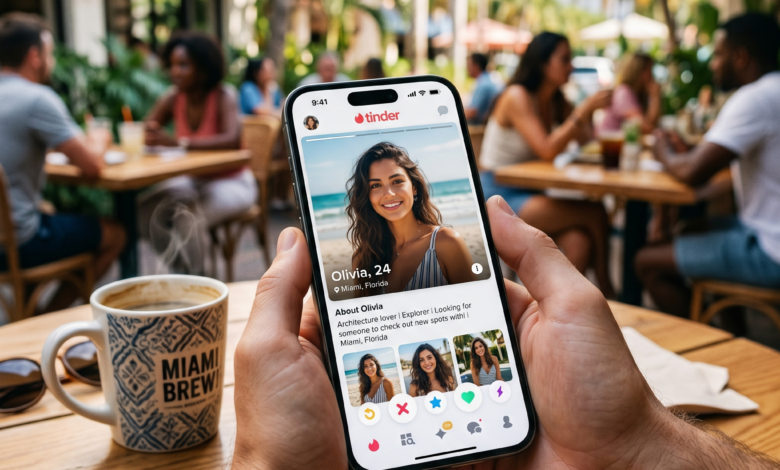
The dating landscape has changed significantly over the last few years. While new competitors arise every month, Tinder remains the “elephant in the room.” If you are re-entering the dating scene or considering a premium subscription, you’ve likely asked: “Is Tinder still worth it in 2026?”
With the introduction of AI-driven matching, stricter safety protocols, and a shifting user base, Tinder today is a far cry from the simple “swipe right” app of 2012. This comprehensive 2026 review breaks down the algorithm, the costs, and the reality of finding a connection on the world’s most famous dating platform.
The 2026 Tinder Algorithm: Quality over Quantity?
For years, Tinder was criticized for being a “numbers game” where quantity mattered more than quality. In 2026, the company has pivoted. The latest algorithm update, internally dubbed “Chemistry AI,” aims to reduce “swipe fatigue.”
Behavioral Signal Analysis
The app no longer just looks at your age and distance. It now monitors “behavioral signals.” This includes how long you spend reading a profile, the types of photos you stop to look at, and even the speed at which you message back. If you are a “serial swiper” who likes everyone, the algorithm will likely deprioritize your profile, assuming you are a bot or a low-intent user.
Learning Mode Recommendations
Tinder has introduced a “Learning Mode” that adapts your feed in real-time. If you start interacting more with people who list “outdoors” as an interest, your deck will begin to populate with more hikers and campers. This makes the 2026 experience feel much more personalized and less like a random shuffle of faces.
Mandatory Verification and the “Face Check” Era
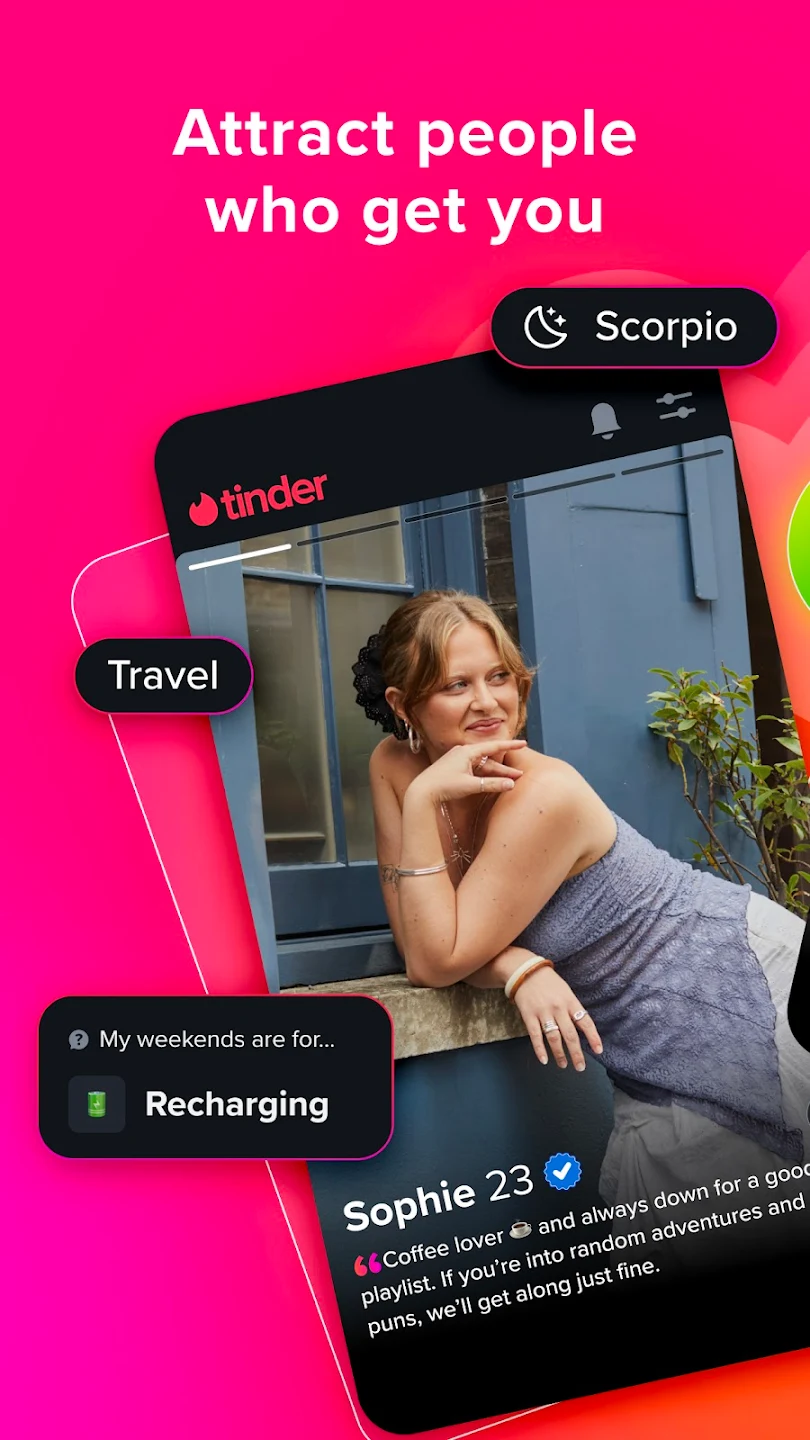
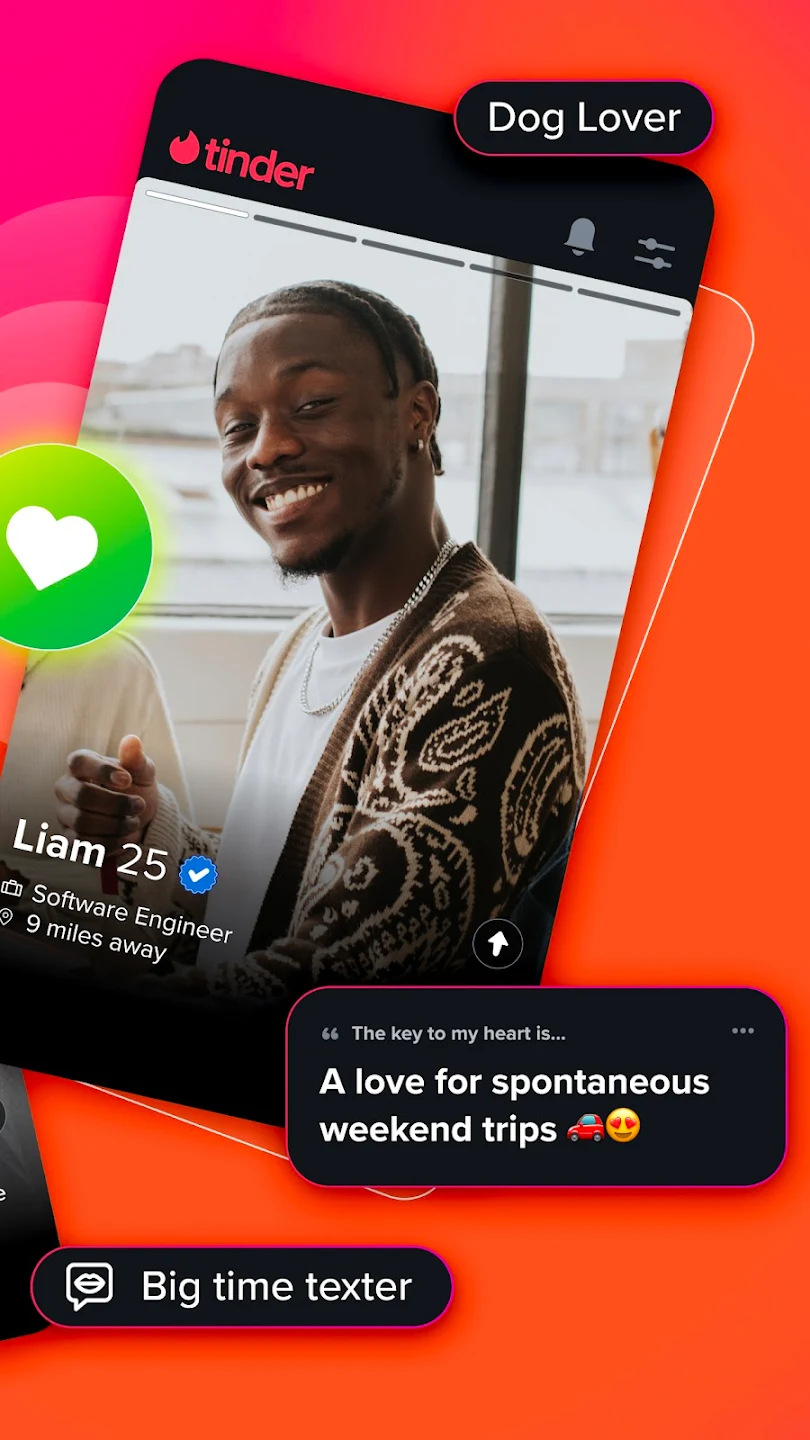
Safety and authenticity are the biggest themes in 2026 dating. Tinder has made “Face Check” (a mandatory liveness and facial verification system) the standard for new users in most major markets.
-
The End of Catfishing: By requiring a video selfie that is analyzed by AI to match your profile photos, Tinder has successfully eliminated a huge percentage of fake accounts.
-
Blue Checkmark Status: While verification was once optional, in 2026, unverified profiles are rarely shown in the main stack. If you aren’t verified, you are essentially invisible.
-
Safety Toolkit Upgrades: Features like “Are You Sure?” (which flags potentially harmful language before you send it) and “Does This Bother You?” (which auto-blurs inappropriate incoming content) have been upgraded with Large Language Models (LLMs) to catch subtle disrespect that older filters missed.
Tinder Subscription Tiers: Plus, Gold, Platinum, and Select
One of the most common questions is whether the paid versions are worth the price. In 2026, the gap between “Free” and “Paid” is significant.
| Plan | Estimated Monthly Cost | Best For | Key Feature |
| Free | $0 | Casual browsing | Basic swiping & limited likes |
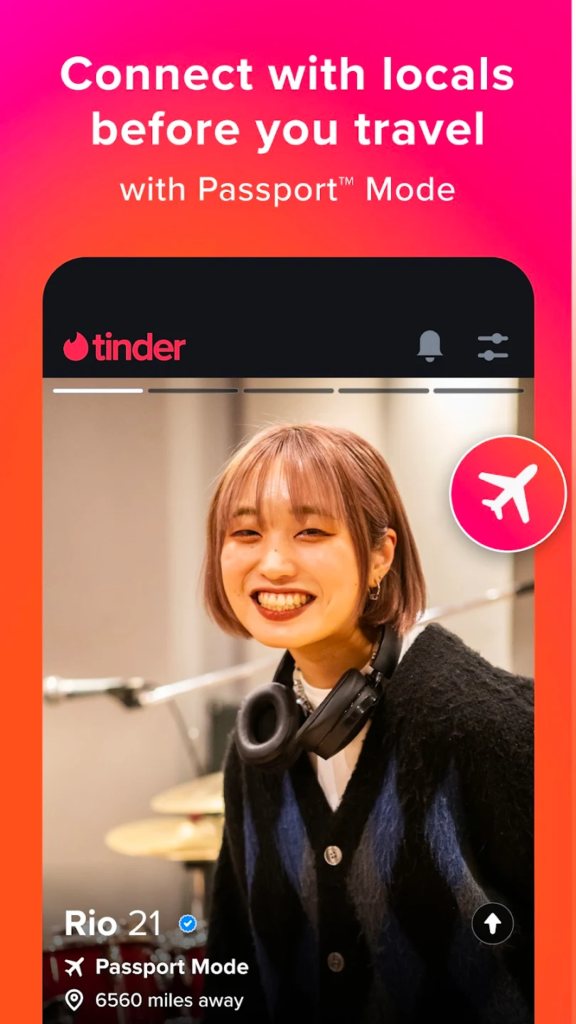
| Tinder Plus | $24.99 | Travelers | Passport Mode & Unlimited Likes |
| Tinder Gold | $39.99 | Efficient Daters | See Who Likes You & Top Picks |
| Tinder Platinum | $49.99 | Competitive Markets | Priority Likes & Message Before Match |
| Tinder Select | ~$499 | High-Net-Worth | Invite-only, ultra-exclusivity |
Is Tinder Gold Still the Sweet Spot?
For most users, Tinder Gold remains the most balanced option. The ability to see your “Likes You” grid saves hours of mindless swiping. However, if you live in a high-competition urban area (like New York, London, or Los Angeles), Tinder Platinum is almost a necessity to ensure your profile is seen by popular matches.
The Rise of “Dating Intent” Management
A major shift in 2026 is how Tinder handles “intent.” The app has moved away from being purely for “hookups” and now allows users to signal exactly what they are looking for through a sophisticated “Relationship Goals” tag.
-
Long-term Partner: For those seeking marriage or serious commitment.
-
Long-term, open to short: For those who want something serious but aren’t in a rush.
-
Short-term, open to long: Casual dating that could evolve.
-
Short-term fun: Traditional casual dating.
-
New friends: Using Tinder as a social tool.
By filtering your feed based on these goals, you can avoid the frustration of matching with someone whose life goals are the polar opposite of yours.
New Features: Music Mode, Astrology Mode, and IRL Events
Tinder has expanded beyond the “Card Stack” to keep users engaged.
Redesigned Global Modes
Music Mode, powered by a deeper Spotify integration, allows you to hear a user’s “Anthem” as you view their profile. Similarly, Astrology Mode has become a massive hit, allowing users to find matches based on celestial compatibility (for those who take their Sun and Moon signs seriously).
The “Events” Tab (Beta)
Starting in 2026, Tinder is piloting an “Events” tab. This surfaces local IRL happenings (concerts, trivia nights, fitness meetups) where other Tinder users will be present. This is a direct response to “app fatigue,” encouraging users to move from the digital screen to real-life interaction as quickly as possible.
The User Demographics of 2026: Who Is Actually Using It?
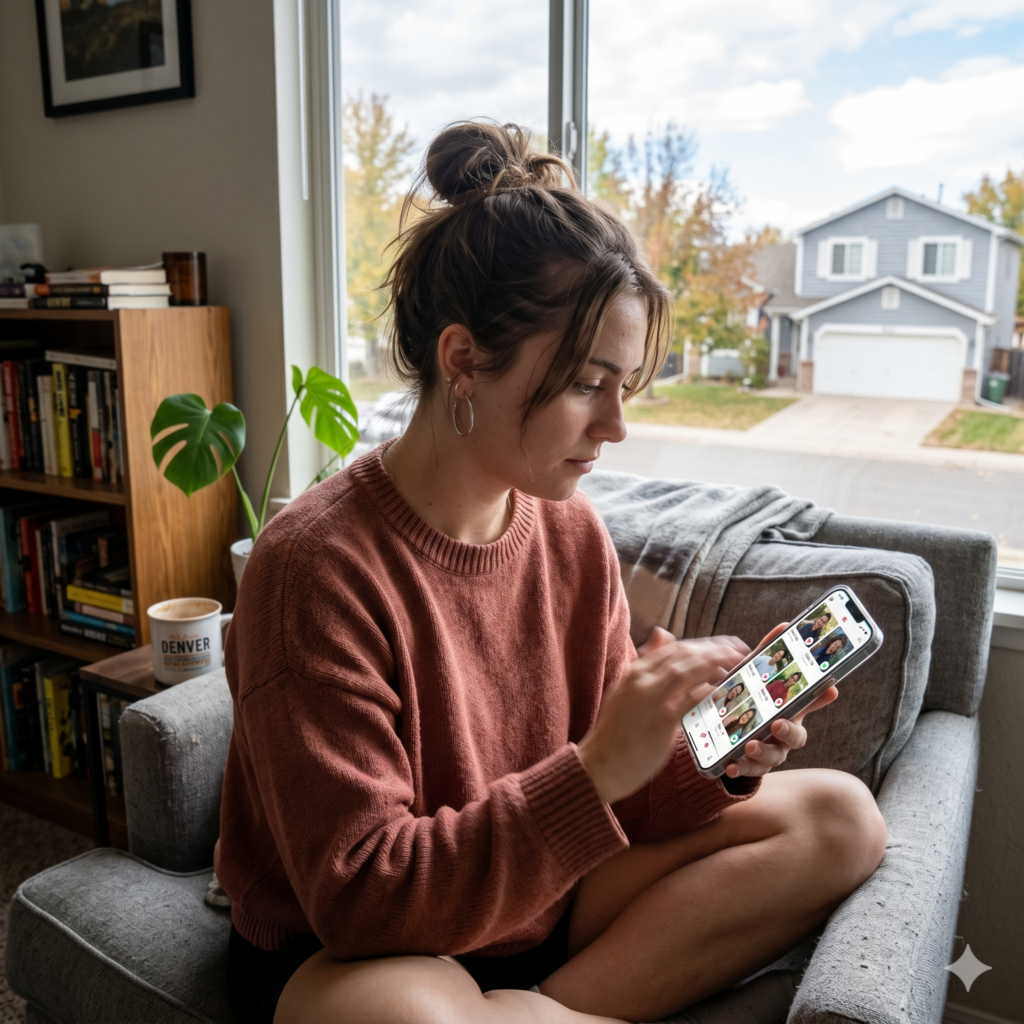
Despite the rise of niche apps like Hinge and Bumble, Tinder still boasts the largest user base, with over 75 million monthly active users globally.
-
Age Range: While 61% of users are aged 18 to 34 (Gen Z and younger Millennials), there has been a 15% increase in users over 45 since 2024.
-
Gender Imbalance: One persistent issue is the gender ratio. In many markets, the user base is roughly 75% male. This means that for men, a high-quality profile and premium features are almost mandatory to stand out. For women, the challenge is often “filtering” through an overwhelming volume of likes.
The Pros and Cons of Tinder in 2026
Pros:
-
Massive Reach: You will never “run out” of people to see.
-
Technological Lead: Their AI matching and safety features are the best in the industry.
-
Travel Versatility: Passport mode is still the best tool for dating while traveling.
-
Fast Paced: It remains the quickest way to get a date on short notice.
Cons:
-
High Cost: Premium tiers have become increasingly expensive.
-
Competition: It can be demoralizing for men in crowded cities without a “Boost.”
-
Surface Level: Despite the AI updates, it still prioritizes physical appearance over personality compared to Hinge.
5 Expert Tips for Tinder Success in 2026
If you decide to dive back in, follow these tips to maximize your results:
-
Use “Camera Roll Scan”: Let Tinder’s AI scan your photos. It will tell you which ones have the best lighting and focus, helping you pick your most “algorithm-friendly” lead photo.
-
Enable “Face Check” Immediately: Don’t wait. A verified badge increases your match rate by an average of 40%.
-
Optimize Your “Vibes”: Fill out the “Interests” and “Vibe” sections completely. The 2026 algorithm relies heavily on these keywords for its “Chemistry AI” matching.
-
Engage Early: Don’t let a match sit. The algorithm rewards active users who initiate conversations quickly.
-
Use the “Are You Sure?” Filter for Good: Even if you think you’re being funny, if the AI flags your message as potentially disrespectful, your “Internal Trust Score” may drop.
Is It Worth It?
So, is Tinder still worth it in 2026? The answer is yes, but with a caveat: it is worth it if you are willing to treat it as a tool rather than a lottery. If you are a free user in a big city, you may find the experience frustrating and slow. However, if you utilize the new AI-matching features, maintain a verified profile, and perhaps invest in a month of Gold or Platinum, Tinder remains the most powerful discovery engine for meeting new people.
Whether you are looking for a casual summer romance or a serious partner, Tinder’s 2026 ecosystem is safer, smarter, and more personalized than ever before. Just remember to keep your “exit power” (as discussed in our transportation safety guide) and always prioritize your real-world safety over digital chemistry.