Common Myths About Dating Apps and the Reality Behind Them
Discover what's true and what's not about online dating
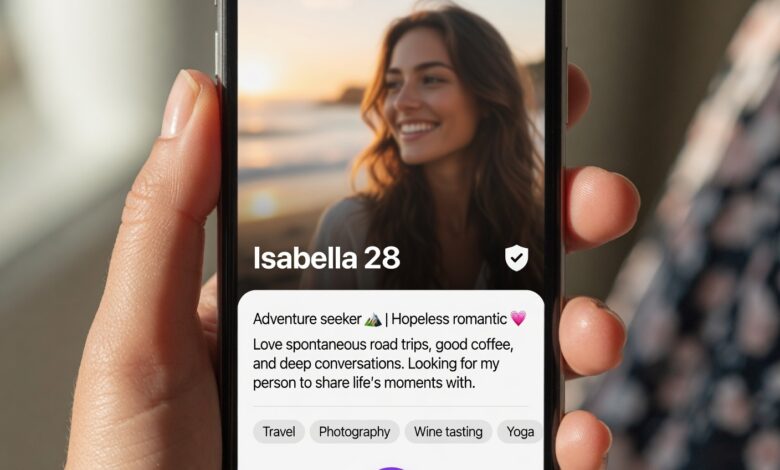
Digital matchmaking has completely transformed how people connect, fall in love, and build long-term relationships. What started as a niche way to meet people has evolved into the primary method for couples to cross paths. Yet, despite its massive popularity and the millions of success stories worldwide, digital romance remains surrounded by persistent stigma, skepticism, and misconceptions.
If you have ever swiped through a profile, wondered if the entire system is rigged, or hesitated to create an account because of what people might say, you are not alone. Misinformation spreads fast, especially when it comes to matters of the heart and modern technology.
This comprehensive guide unpacks the most pervasive myths surrounding dating apps, replaces them with realistic insights, and offers practical strategies to navigate the digital dating world effectively, safely, and successfully.
1. The Myth That Everyone on Dating Apps Is Looking for Casual Flings Only
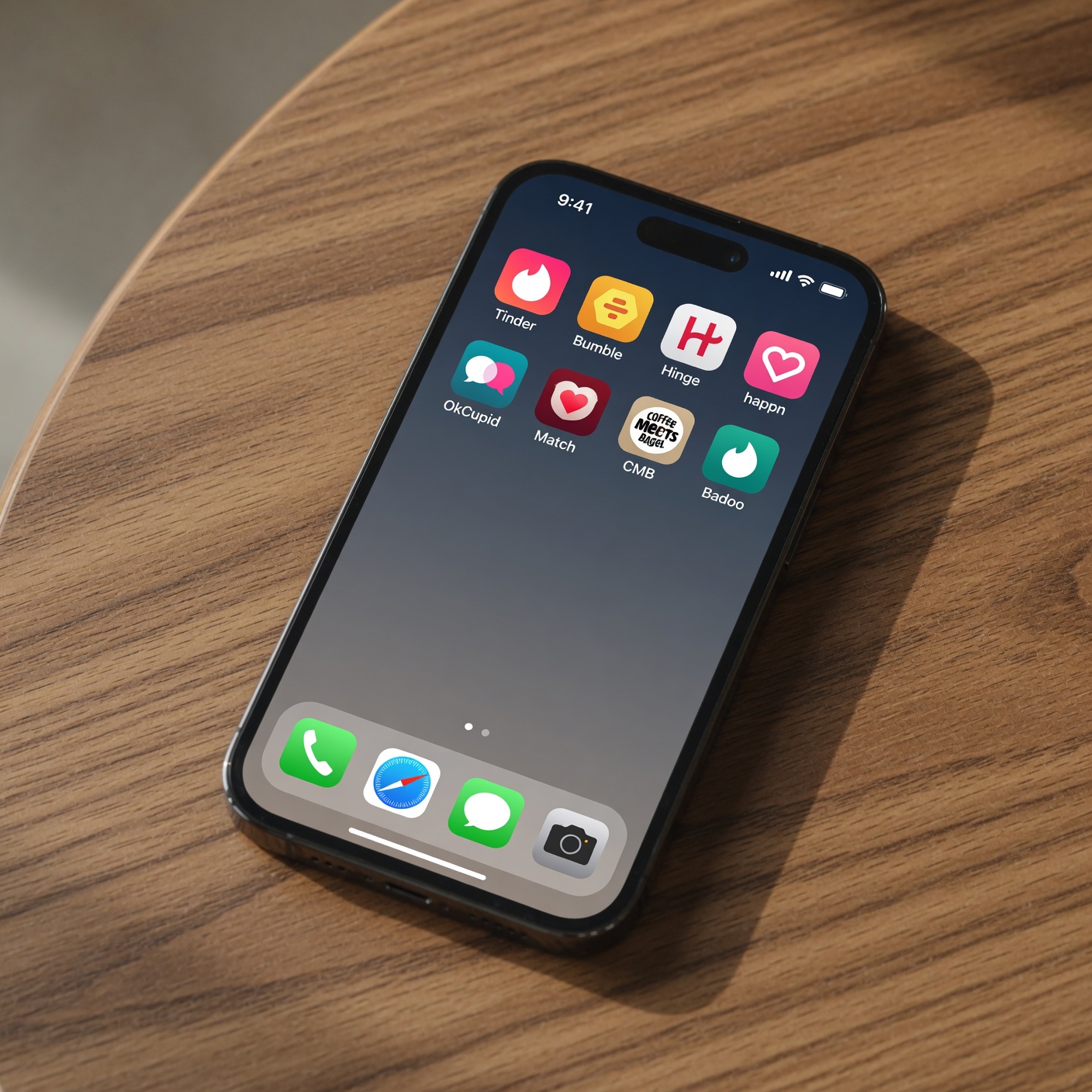
One of the most widespread misconceptions is that digital platforms are exclusively breeding grounds for hookups, superficial encounters, and short-term amusement. Critics often argue that because the format relies on fast visual choices, it strips away deeper emotional investment and reduces human connection to a shallow game.
The Reality of Modern Intentions
While it is true that casual options exist, platforms today cater to a massive spectrum of relationship goals. In fact, comprehensive demographic and sociological studies show that millions of active users are genuinely searching for marriage, long-term commitment, and meaningful companionship.
-
Diverse Intentions: Modern applications allow users to explicitly state what they are looking for right on their profiles—ranging from long-term partnerships to casual dating.
-
Shifting Social Norms: As digital matchmaking becomes the dominant way couples meet, the old social stigma of “meeting online” has completely vanished.
-
Algorithmic Alignment: Platforms increasingly use sophisticated matching mechanics designed to connect individuals with aligned relationship goals rather than random pairings.
How to Find What You Are Looking For
If your goal is a serious relationship, your success depends heavily on how you present yourself and filter your matches:
-
Be Explicit: State your intentions clearly in your bio. Transparency attracts like-minded individuals and filters out those who want entirely different things.
-
Observe Profile Effort: People looking for meaningful connections usually write detailed bios, share genuine hobbies, and use clear, authentic photos.
-
Communicate Early: Do not spend weeks texting back and forth. A brief conversation helps gauge compatibility and ensures both parties share the same vision for the future.
2. The Myth That Algorithms Are Rigged to Keep You Single Forever
A popular conspiracy theory among frustrated users is that matchmaking algorithms are intentionally designed to withhold compatible matches. The cynical belief is that platforms want to keep users perpetually single, lonely, and swiping endlessly to maximize ad revenue or subscription renewals.
Understanding How Matching Technology Actually Works
To understand why this myth is false, you need to look at how platforms sustain long-term business models. An app’s reputation relies on successful matches. If users never found anyone, word-of-mouth would destroy the platform’s credibility.
-
User Retention vs. User Satisfaction: While companies want you to stay active, long-term retention is driven by positive experiences, success stories, and recommendations to friends, rather than endless frustration.
-
Behavioral Learning: Algorithms do not have a personal vendetta against you; they simply respond to your behavior. If you consistently swipe on profiles outside your usual engagement patterns or ignore messages, the system adapts to your inputs.
-
The ELO and GALE Systems: Modern matching models prioritize mutual preferences, geographic proximity, and active engagement rates to serve profiles you are most likely to interact with positively.
Taking Control of the Algorithm
Instead of blaming the software for a lack of compatibility, you can optimize your own profile behavior to get better results:
-
Quality Over Quantity: Be selective. Randomly swiping right on every single profile confuses the algorithm about your actual type and preferences.
-
Keep Your Profile Updated: Regularly refreshing your main photo, tweaking your bio, or adding new interests signals to the system that you are an active, engaged participant.
-
Engage in Conversations: Algorithms reward responsiveness. Replying to messages and keeping dialogues alive boosts your visibility within the platform’s ecosystem.
3. The Myth of the “Illusion of Infinite Choice” and Choice Paralysis
With millions of profiles available at the tap of a finger, critics argue that digital dating creates an unhealthy “catalog mindset.” This theory suggests that because users believe an endless supply of better options is just one swipe away, nobody is willing to invest genuine effort into building a real connection.
The Psychology Behind Modern Swiping
Choice overload is a well-documented psychological phenomenon. When presented with limitless options, human decision-making often becomes paralyzed, leading to superficial judgments and premature dismissals.
-
The Grass-Is-Greener Trap: Some users fall into the habit of constantly searching for perfection, believing that the next profile will be flawless.
-
The Fatigue Factor: Endless swiping without meaningful results leads directly to burnout, cynicism, and temporary or permanent deletion of apps.
Breaking Free from the Catalog Mindset
Overcoming the paradox of choice requires a conscious shift in mindset and strategy:
-
Adopt a Mindful Swiping Routine: Instead of treating your session like an endless video game, limit your time. Set a daily swipe limit or check the app only during specific windows.
-
Focus on Depth Over Breadth: As soon as you match with someone engaging and compatible, shift your focus away from the swiping queue and invest your energy into getting to know that single person.
-
Remember the Human Element: Behind every profile is a real person with flaws, virtues, hopes, and insecurities. Treat interactions with empathy rather than transactional evaluation.
4. The Myth That Online Profiles Are Entirely Fake or Misleading
Another major deterrent for newcomers is the fear of deception. Headlines about catfishing, heavily edited photos, and exaggerated life achievements create a generalized anxiety that nobody online is genuinely who they claim to be.
Separating Reality from Exaggeration
While bad actors and exaggerated profiles do exist, they represent a small fraction of the total user base. Most people online are everyday individuals looking for authentic human contact.
-
Verification Features: Modern platforms feature robust photo verification systems, blue checkmarks, and AI-driven moderation tools designed to catch fake accounts instantly.
-
The Power of Video Integration: Features like video chat, voice prompts, and integrated social media links make it harder than ever for fraudulent profiles to maintain a false persona.
-
Inconsistent Standards: People often curate their best moments on social media and dating apps alike. Presenting a polished version of oneself is not inherently malicious; it is simply human nature.
Practical Steps to Protect Yourself and Spot Red Flags
Protecting your peace of mind requires a healthy dose of digital street smarts:
-
Look for Verified Badges: Prioritize interacting with profiles that have completed official identity verification steps.
-
Trust Your Instincts: If a profile looks too good to be true—such as a famous model using generic photos with no social links—perform a reverse image search or ask for a quick video call.
-
Keep Early Communications In-App: Avoid moving to private messaging apps or giving out personal financial or residential information until you have established genuine trust.
5. The Myth That Digital Matchmaking Eliminates Chemistry and Romance

Skeptics often claim that meeting through a screen destroys the magic of romance. The argument suggests that traditional, organic meetings—such as locking eyes across a crowded coffee shop or bumping into someone at a bookstore—are vastly superior and that algorithmic matching kills natural spontaneity.
The Evolution of Modern Chemistry
Chemistry is not bound by the physical location of your first introduction; it is built through vulnerability, shared humor, deep conversation, and mutual respect.
-
Breaking the Ice Early: Traditional dating often involves agonizing over whether someone is single or available. Digital platforms remove that initial guesswork, allowing both parties to focus entirely on connection.
-
Shared Interests as a Foundation: Apps allow you to discover mutual passions, musical tastes, travel experiences, and core values before you even exchange your first hello.
-
The Transition to the Real World: A digital introduction is merely a bridge to a real-world date. The chemistry that matters happens across a coffee table, a dinner booth, or a park bench.
Maximizing Real-World Success from Digital Connections
To bridge the gap between digital text and physical chemistry smoothly, keep these principles in mind:
-
Transition Quickly to Reality: Do not spend months pen-palling. Move from the app to a real-world meeting within one to two weeks of consistent, positive conversation.
-
Keep First Dates Low-Pressure: Opt for public, casual settings like coffee shops, casual lunch spots, or daytime walks. This reduces anxiety and keeps the focus on natural conversation.
-
Be Authentically Yourself: Do not try to mold your personality to fit what you think the other person wants. True chemistry requires authenticity from the very beginning.
6. The Myth That Dating Apps Are Only for the Young and Tech-Savvy
A common stereotype is that digital matchmaking is exclusively a playground for Gen Z and Millennials, leaving older adults or people less comfortable with technology completely out of the loop.
Inclusivity Across All Generations
The demographic makeup of digital platforms has shifted dramatically over the last decade. Today, millions of singles over the age of forty, fifty, and beyond are actively utilizing apps to find companionship after divorce, loss, or years of singlehood.
-
Niche Platforms for Mature Adults: Numerous apps cater specifically to mature demographics, focusing on shared life experiences, emotional maturity, and long-term companionship.
-
Simplified Interfaces: Modern app design prioritizes clean, accessible user interfaces that make navigation intuitive for users of all technical skill levels.
-
The Value of Maturity: Older adults often approach dating with greater clarity, emotional intelligence, and honesty, leading to high-quality connections.
Navigating the Digital Dating Landscape with Confidence
Dating apps are neither magical cure-alls for loneliness nor cynical traps designed to break your heart. They are simply powerful, sophisticated tools. Like any tool, their effectiveness depends entirely on how you use them.
By dispelling these common myths, you can approach the digital dating world with a clear head, realistic expectations, and healthy boundaries. Remember to protect your personal information, remain patient with the process, keep an open mind, and treat every interaction with kindness and respect. Whether your journey takes a week or a year, the right connection is out there waiting for you to swipe, match, and say hello.