Best Meetup Apps for Local Events
Discover the best apps for finding local events and meeting new people

In an increasingly digitized world, finding a genuine sense of local community can feel surprisingly difficult. Decades ago, discovering neighborhood events meant scanning cork noticeboards at the local grocery store, checking library flyers, or reading the community section of a weekly newspaper. Today, our social infrastructure has migrated completely online.
Whether you have recently moved to a new city, are exploring a newfound personal hobby, or simply want to expand your local circle of friends, your smartphone is a portal to hundreds of real-world gatherings happening just blocks away.
However, not all event discovery platforms serve the same social purpose. Downloading the wrong app can leave you scrolling through irrelevant professional webinars when you actually wanted to find a local weekend hiking group.
This comprehensive guide breaks down the absolute best meetup apps for local events in 2026, analyzes their core functionalities, and provides an actionable blueprint to help you transition from digital screens to meaningful, face-to-face community connections.
Top Apps to Discover Local Community Events and Social Groups
If your primary goal is to find established, recurring communities that gather around a specific interest—such as book clubs, amateur photography, trail running, or tech networking—traditional interest-led platforms offer the highest group density and history.
Meetup: The Undisputed Giant of Interest-Led Communities
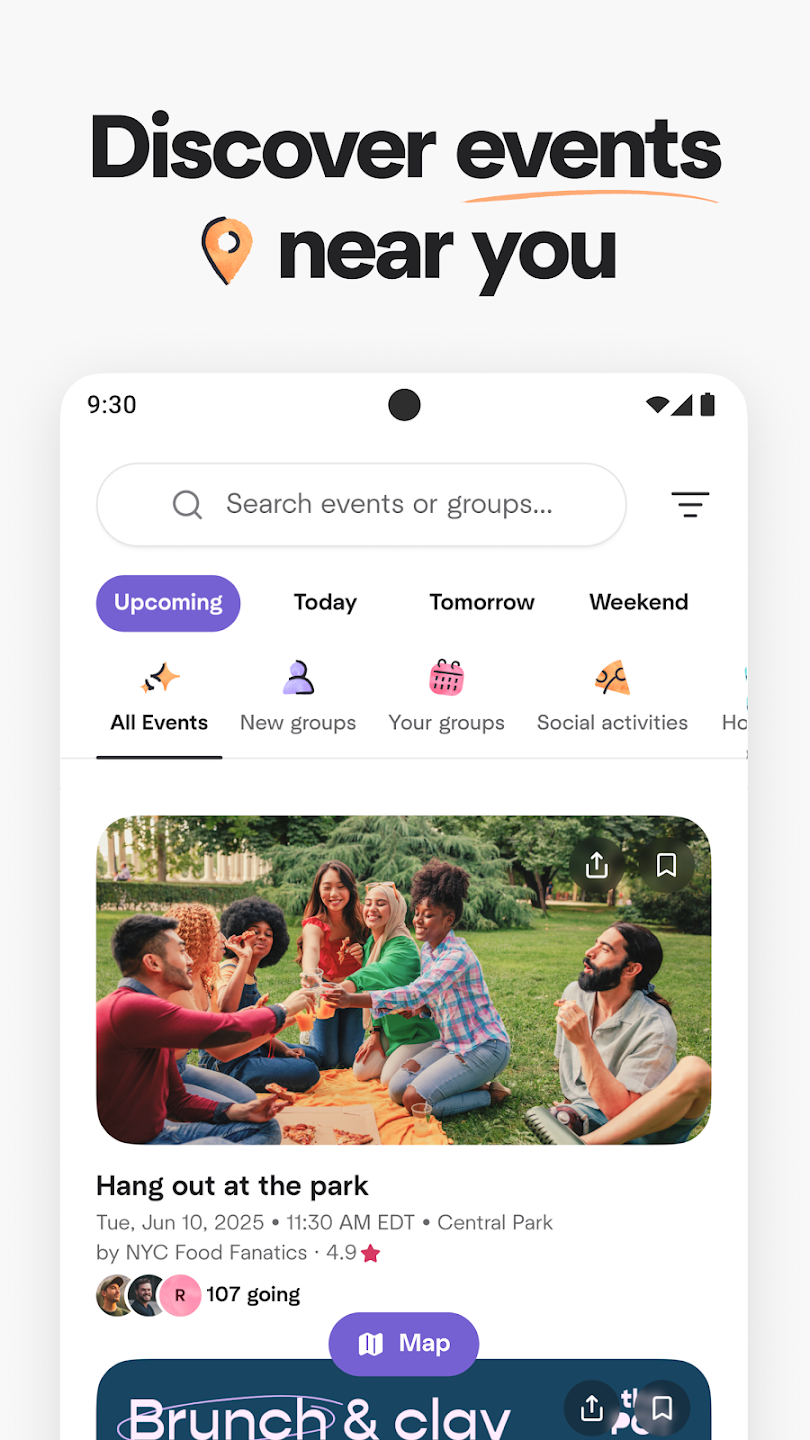
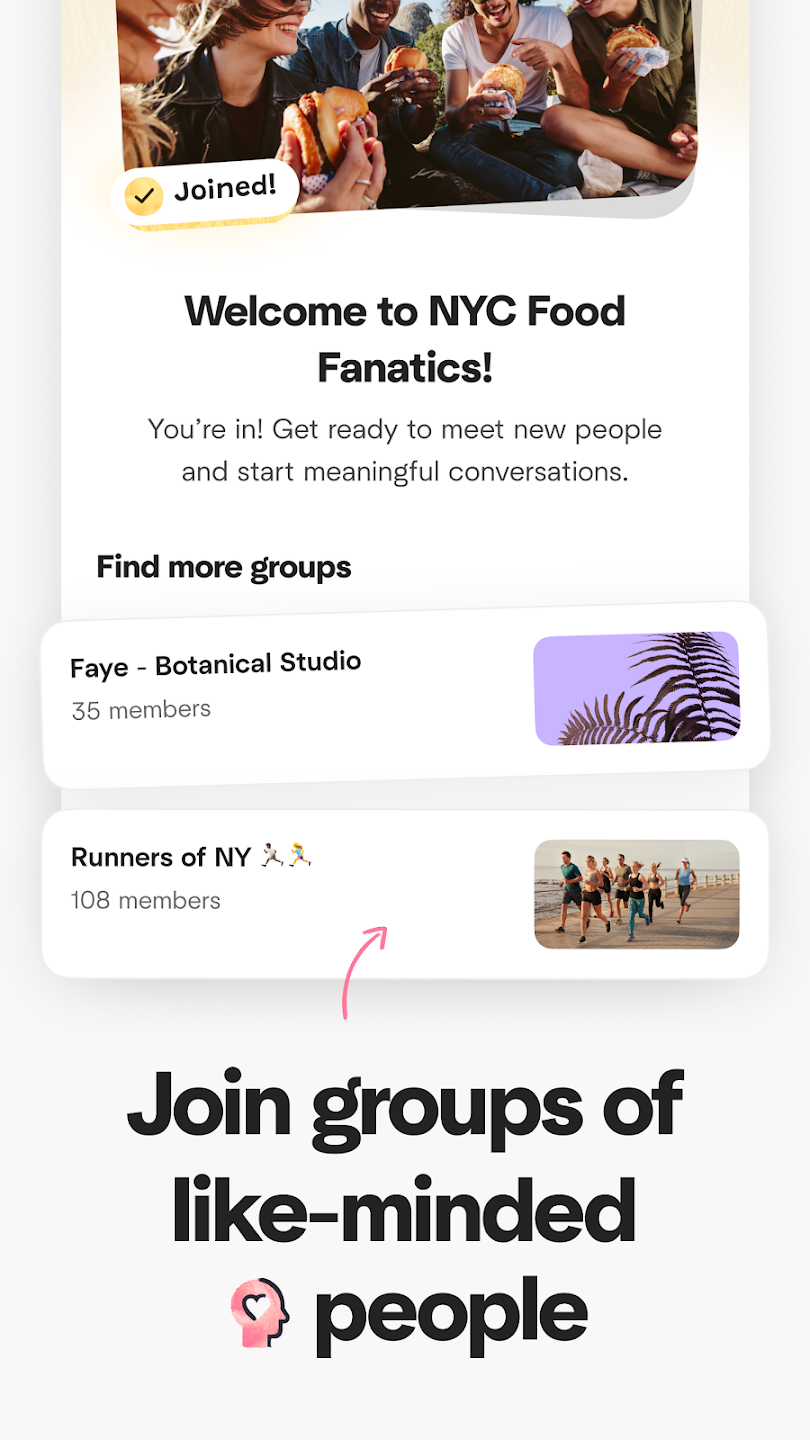
With over two decades of operation and tens of millions of global members, Meetup remains the most robust directory for local, user-organized social systems.
-
The Intent-Driven Design: Meetup operates entirely on a group-subscription model. Organizers pay a recurring fee to maintain their group presence, which naturally filters out spam and ensures that active groups are run by dedicated leaders.
-
The Interest-Matching System: Upon setting up your profile, you select exact tags ranging from “SQL Programming” to “Kayaking” or “Board Games.” The platform’s algorithm dynamically compiles a real-time calendar of local gatherings matching those tags within a customizable geographic radius.
-
Built-in Moderation Tools: Meetup provides extensive tools for organizers, allowing them to limit attendee counts, set up waitlists, charge small event ticket fees to cover supplies, and moderate message boards to maintain a welcoming atmosphere.
Eventbrite: The Go-To Directory for Local Classes, Festivals, and Workshops
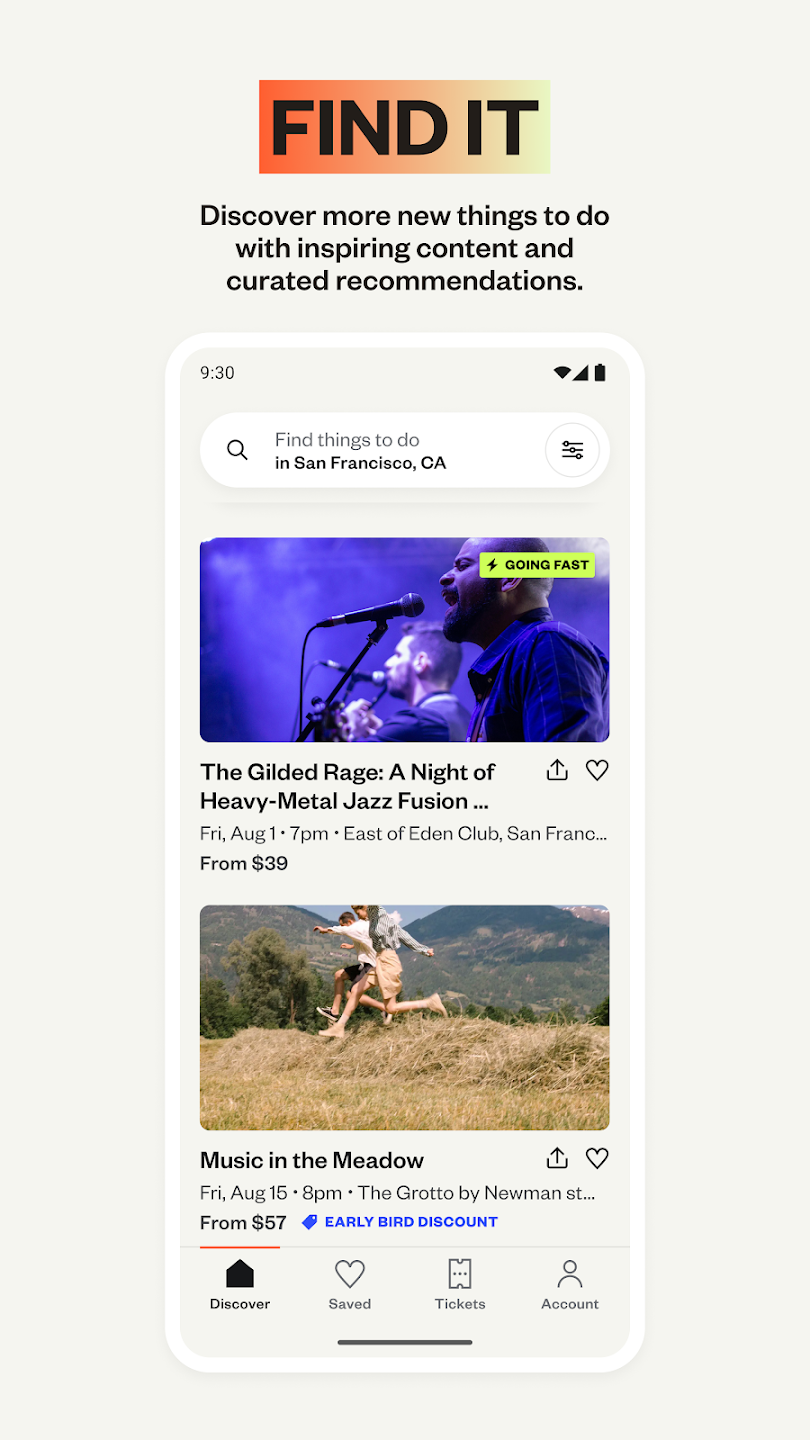
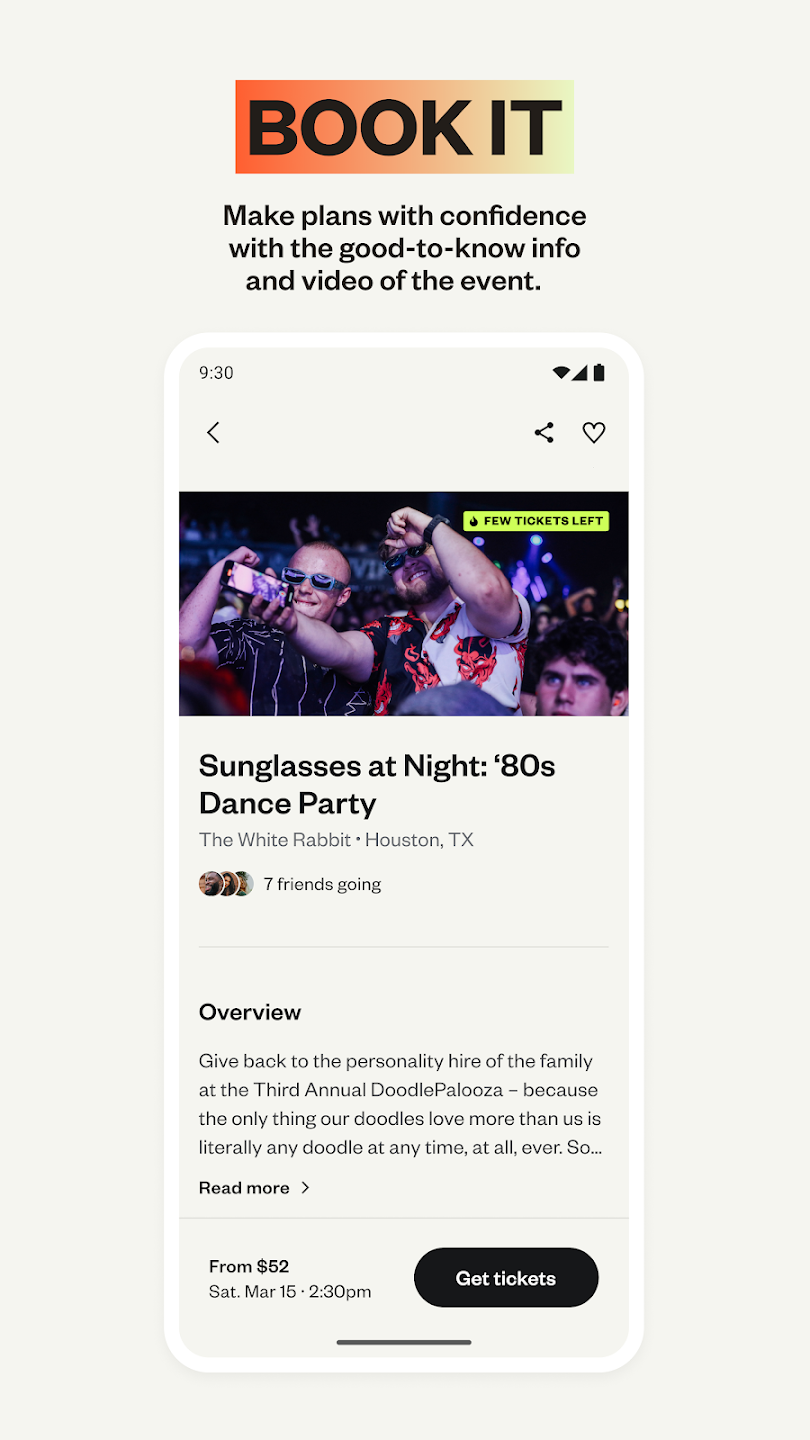
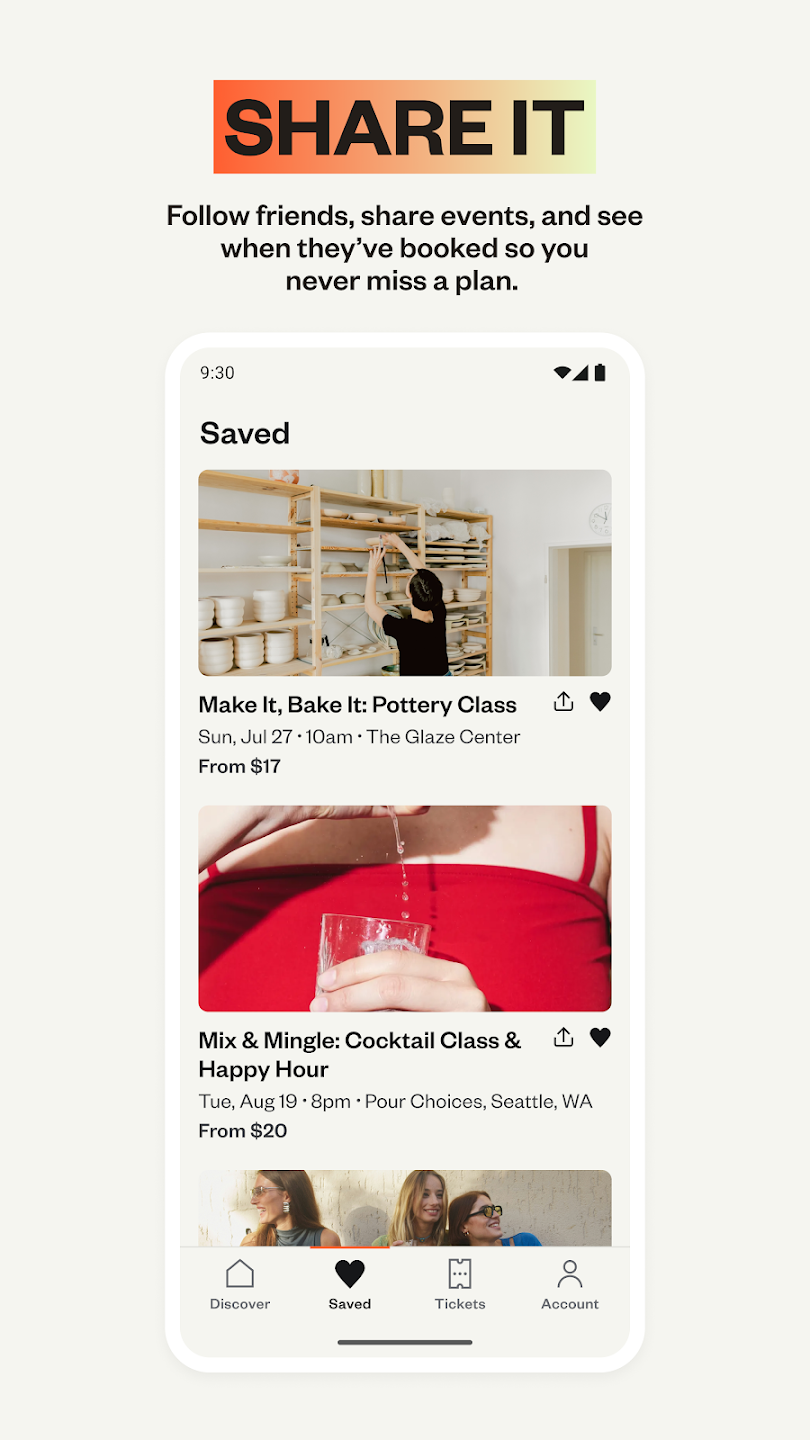
While Meetup excels at peer-to-peer social clubs, Eventbrite is the premier marketplace for organized, single-instance events, commercial workshops, pop-up markets, and live entertainment.
-
Broad Spectrum of Experiences: On Eventbrite, you are less likely to find a casual group of friends chatting at a coffee shop and more likely to discover structured experiences. Typical listings include pottery classes, local live music showcases, comedy open-mics, food truck festivals, and business networking mixers.
-
Seamless Ticketing Infrastructure: The app serves as a secure, centralized digital wallet for all your entry passes. It integrates directly with Apple Wallet and Google Wallet, offering frictionless check-ins via QR code scans at event entrances.
-
The Neighborhood Map Feature: Eventbrite’s localized map tool allows you to visually browse active events by location, helping you find neighborhood block parties or art gallery openings happening right in your immediate vicinity.
Best Social Apps for Private Parties and Aesthetic Event Tracking
Over the past few years, a major shift has occurred in how younger demographics and urban communities organize events. The era of cluttered, mandatory social media event pages has given way to clean, hyper-focused, and visually beautiful invite platforms that treat event management like a social ecosystem.
Partiful: The Aesthetic Revolution for Social Parties and Kickbacks
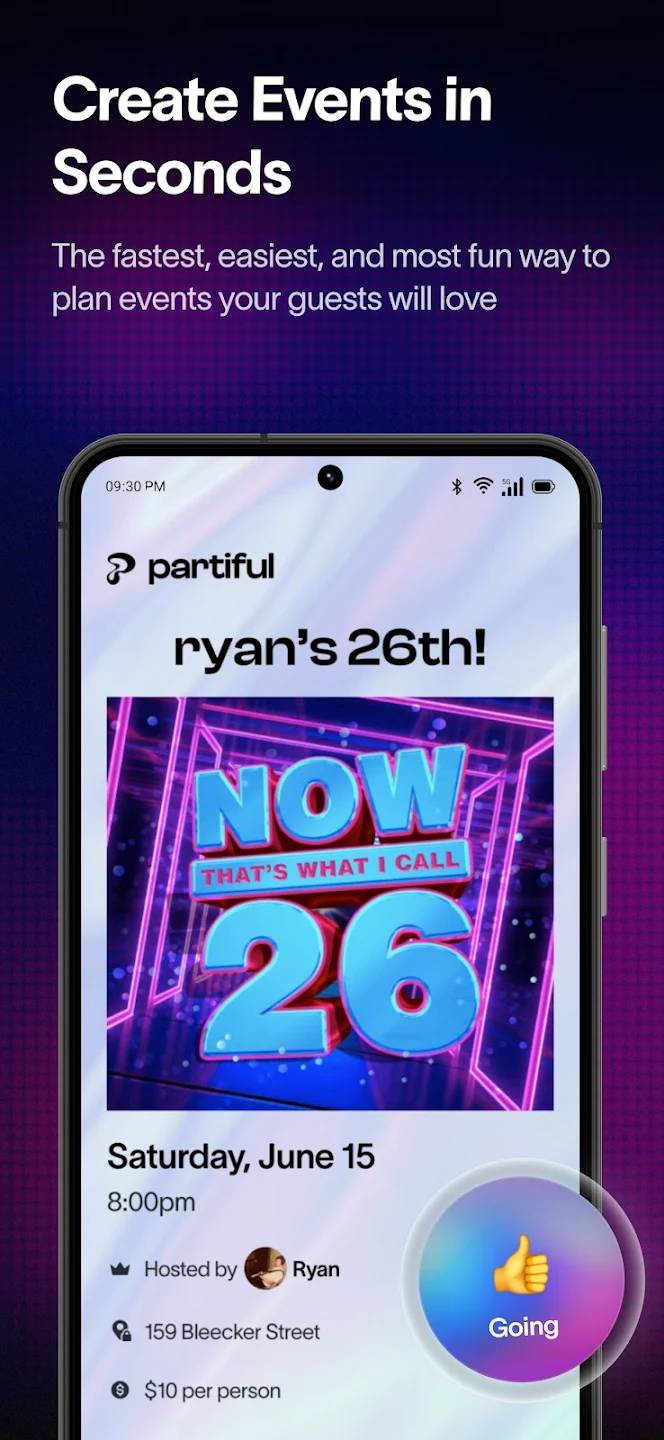
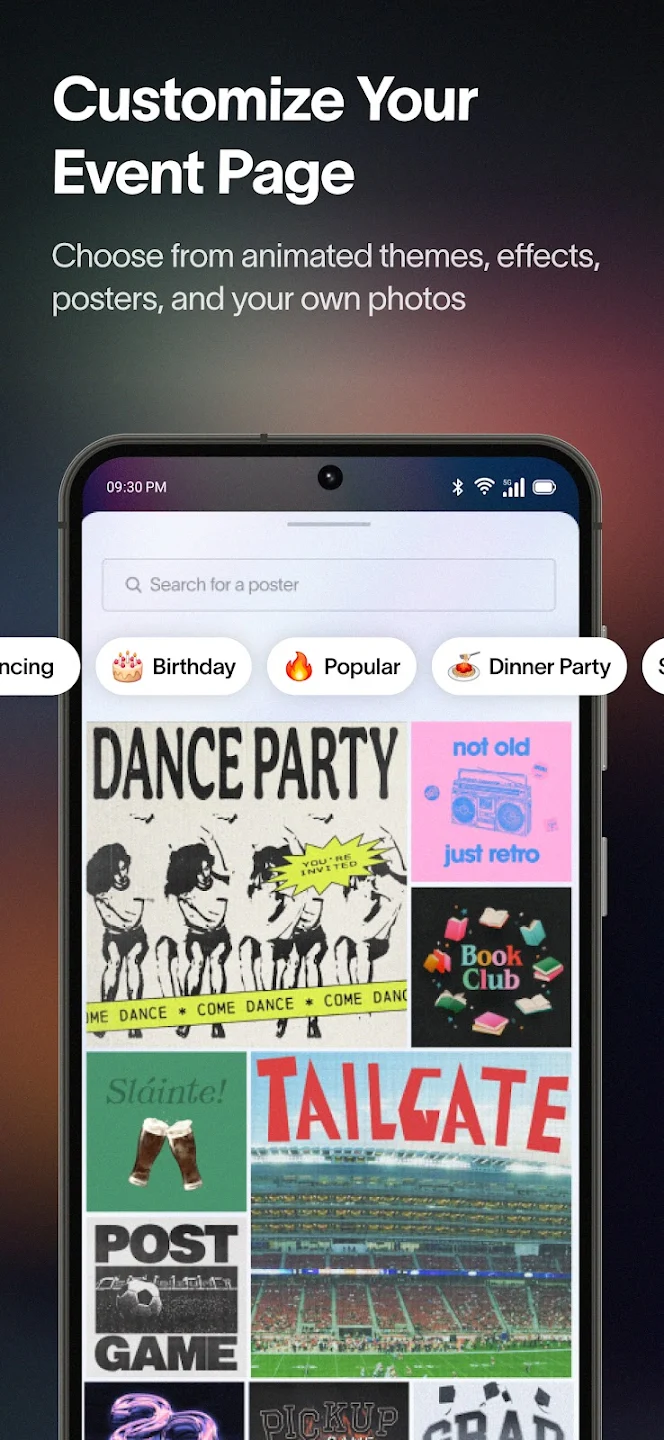
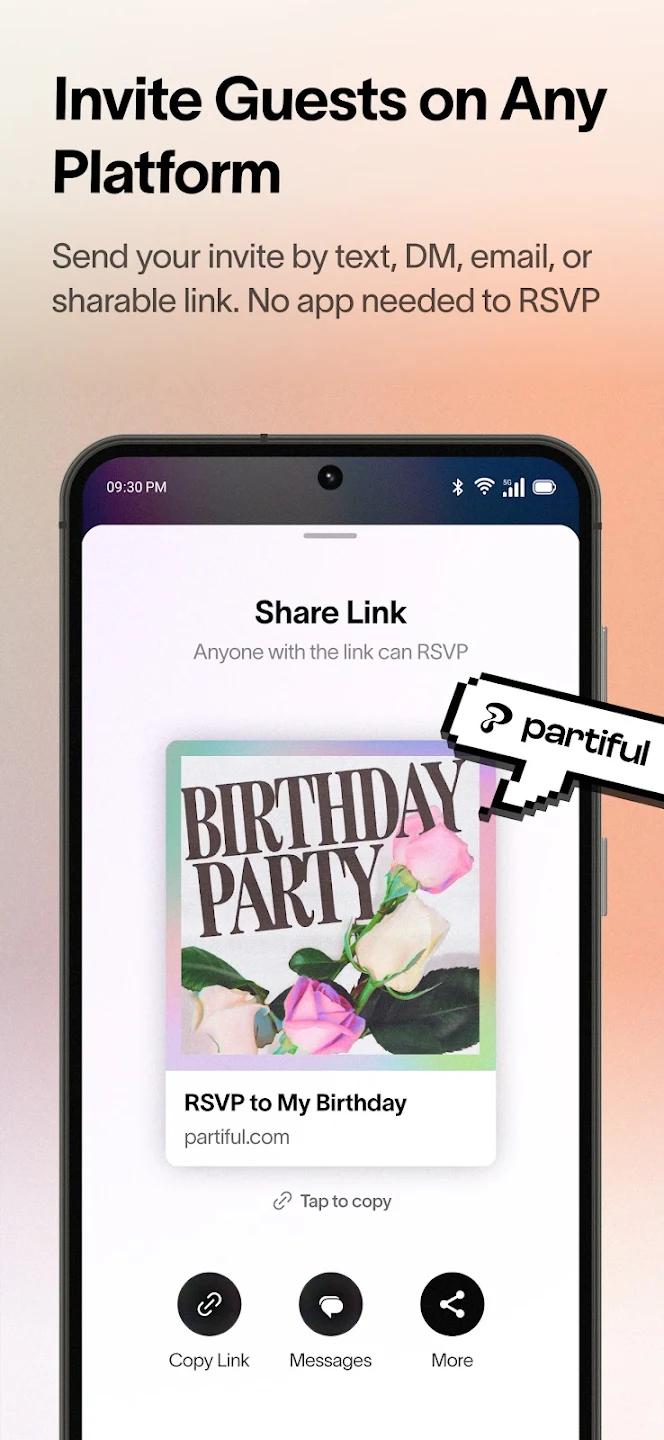
Partiful has rapidly become the dominant tool for organizing casual dinner parties, birthday bashes, backyard kickbacks, and public creative showcases.
-
Visually Striking Pages: Partiful throws out generic text fields in favor of customizable, high-vibe digital flyers complete with animated backgrounds, retro text layouts, and embedded photo options. It makes the invitation itself feel like the official start of the party.
-
Text-Blast Communication Layers: One of Partiful’s most practical features is its integrated text messaging system. Hosts can instantly send a single text update—such as a venue change, parking instructions, or a BYOB reminder—directly to the mobile numbers of everyone who RSVP’d, bypassing cluttered app notifications.
-
Social Guest Discovery: Before you even show up to a Partiful event, you can click on the guest list to see the first names and social handles of other attendees, lowering the social barrier to entry and giving you a sense of who will be in the room.
Luma (lu.ma): The Modern Calendar Platform for Technical and Wellness Communities
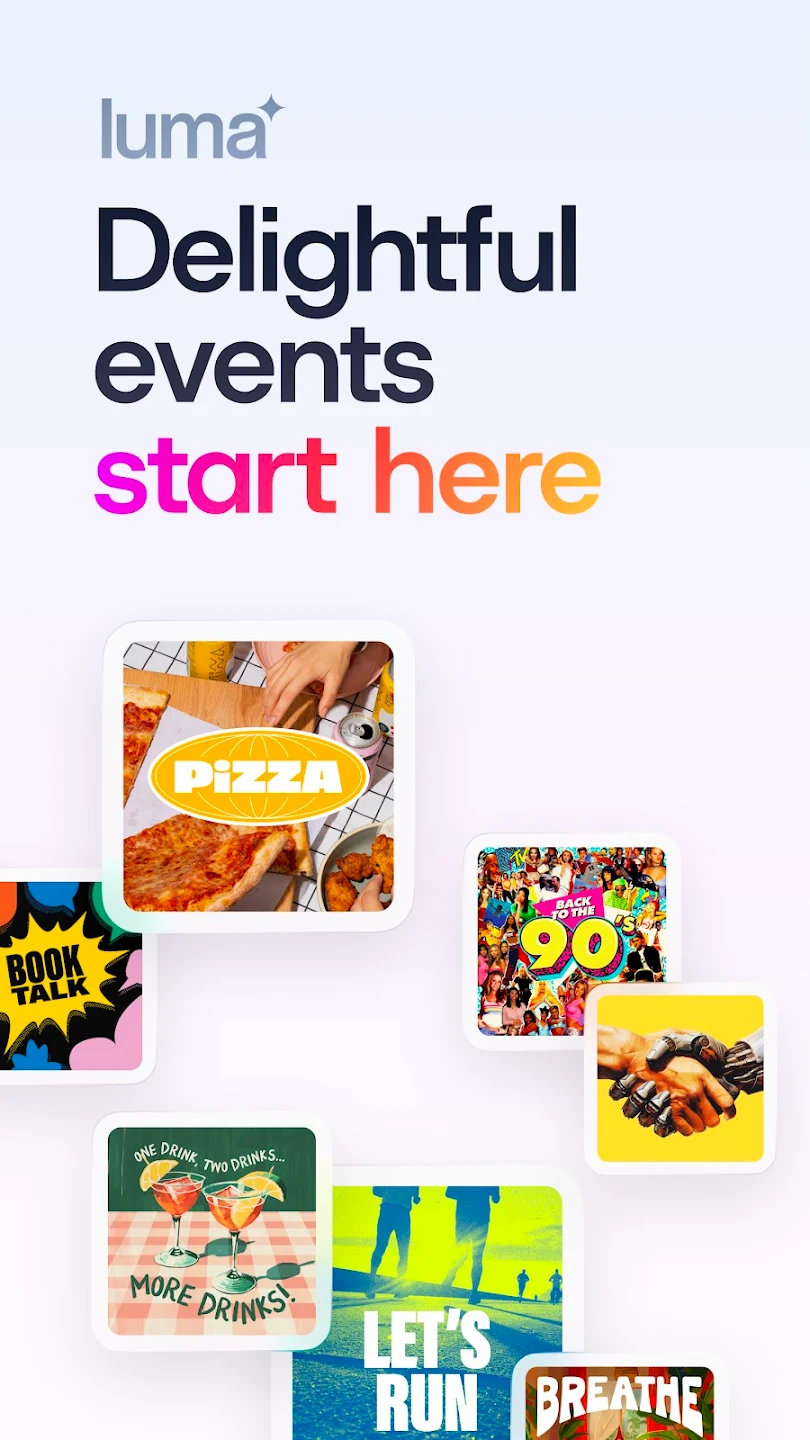
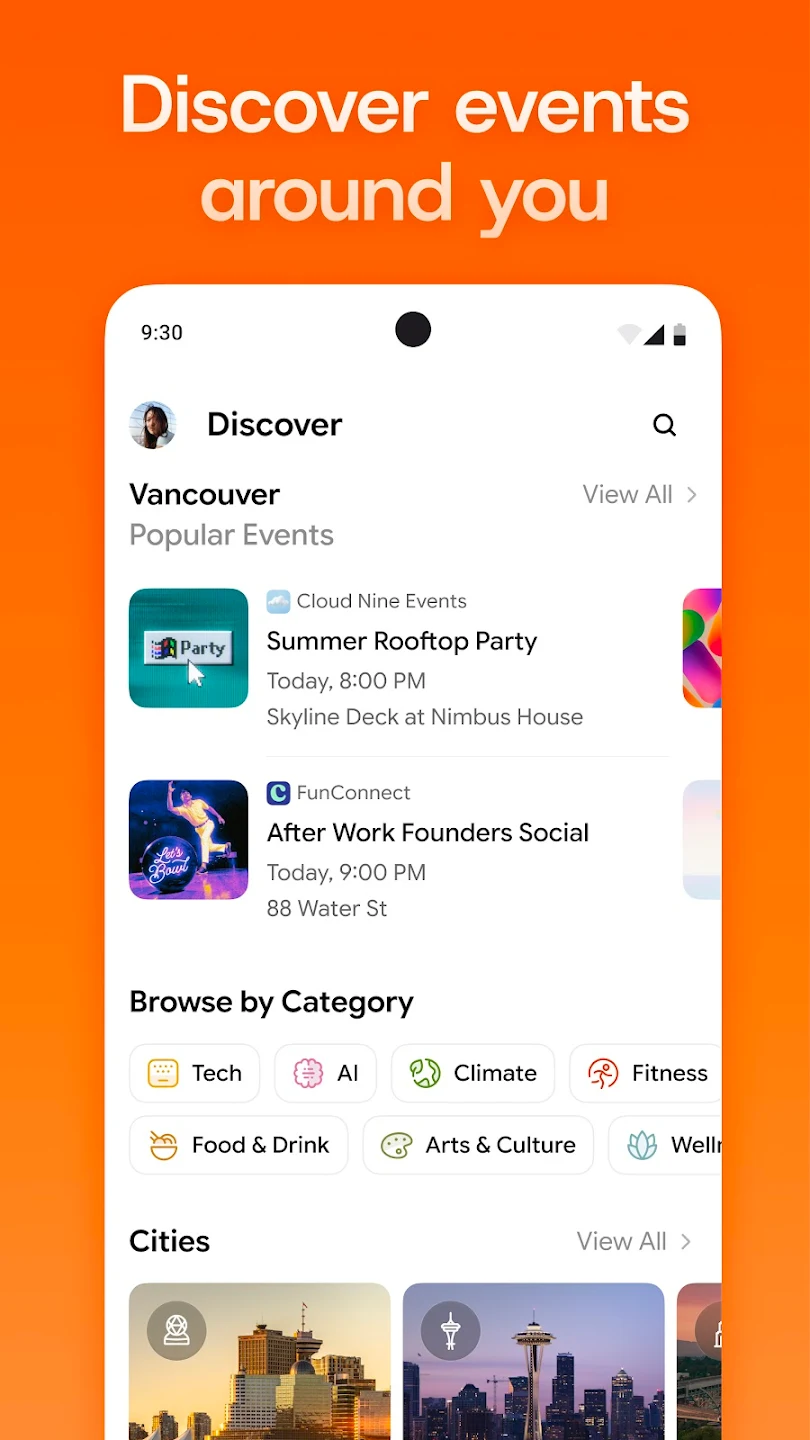
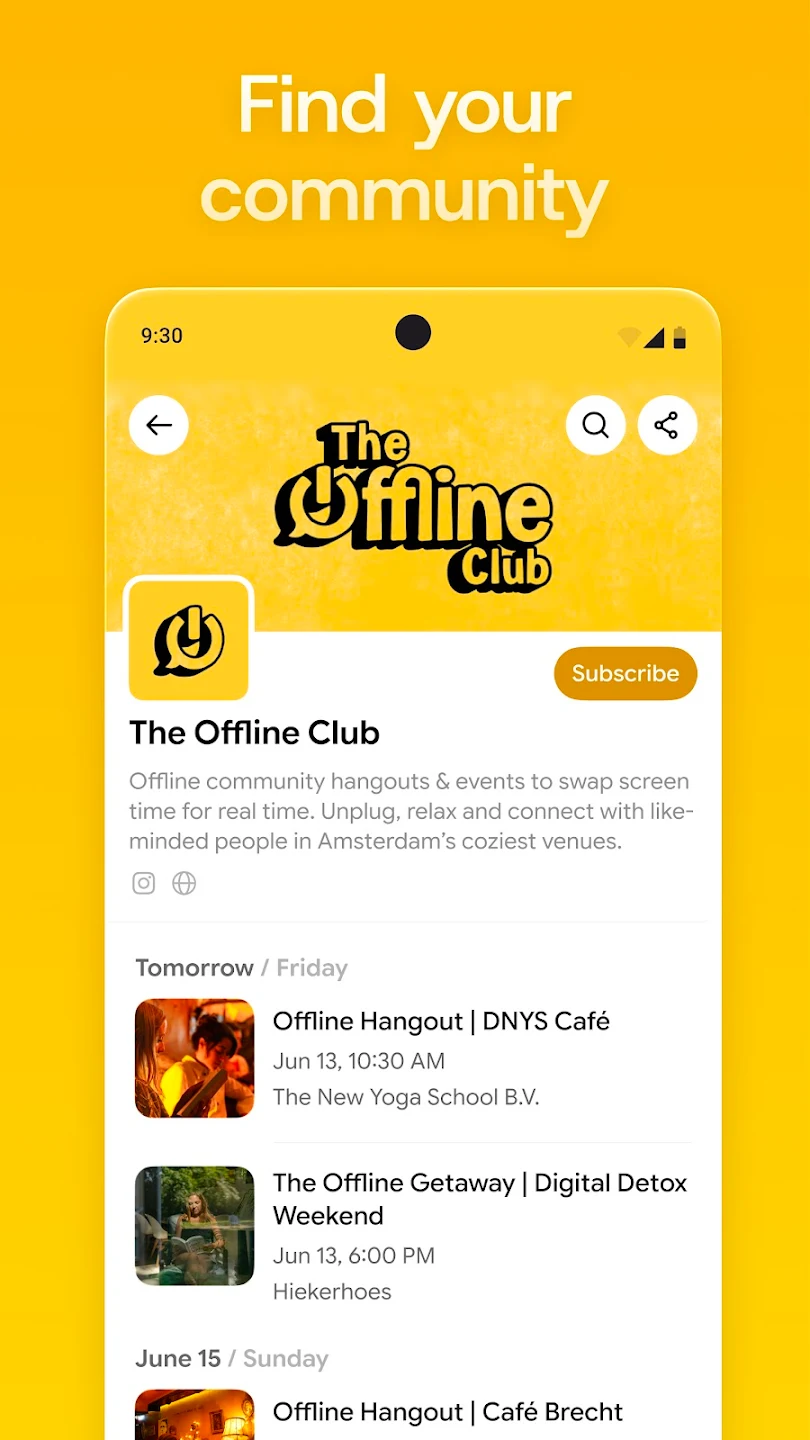
Luma has positioned itself as the standard infrastructure for professional networking, tech meetups, web3 panels, yoga sessions, and structured local community calendars.
-
Subscribed Local Calendars: Rather than browsing one-off events, Luma allows users to subscribe to holistic, localized community calendars. For instance, a local running club or a city-wide independent founders network can host their entire yearly schedule on a single Luma page. When they add a new event, subscribers are instantly notified.
-
Advanced Ticketing and Waitlist Rules: Luma features exceptional backend controls for organizers, supporting multi-tiered paid tickets, promotional codes, custom registration questionnaires, and automated waitlist management for high-demand venues.
-
Post-Event Social Connection: After an event concludes, Luma keeps the chat channel open for attendees, allowing you to easily look up individuals you spoke with, share photo albums, and maintain professional or personal momentum.
Innovative Dinner and Small-Group Apps for Frictionless IRL Connections
For many people, walking into a massive room filled with a hundred strangers at a networking mixer triggers intense social fatigue. The latest trend in social technology solves this by utilizing intelligent data sorting to place you directly into intimate, small-group environments where real conversation can actually occur.
+-----------------------------------------------------------------+
|               MASSIVE MIXER VS. INTIMATE DINNER                 |
|                                                                 |
|   [ Traditional Mixer ]           [ Curated Dining App ]        |
|    100+ Strangers in a Room         6 Vetted People at a Table  |
|    High Noise & Small Talk          Real, Connected Dialogue    |
+-----------------------------------------------------------------+
Timeleft: Weekly Group Dinners with Complete Strangers
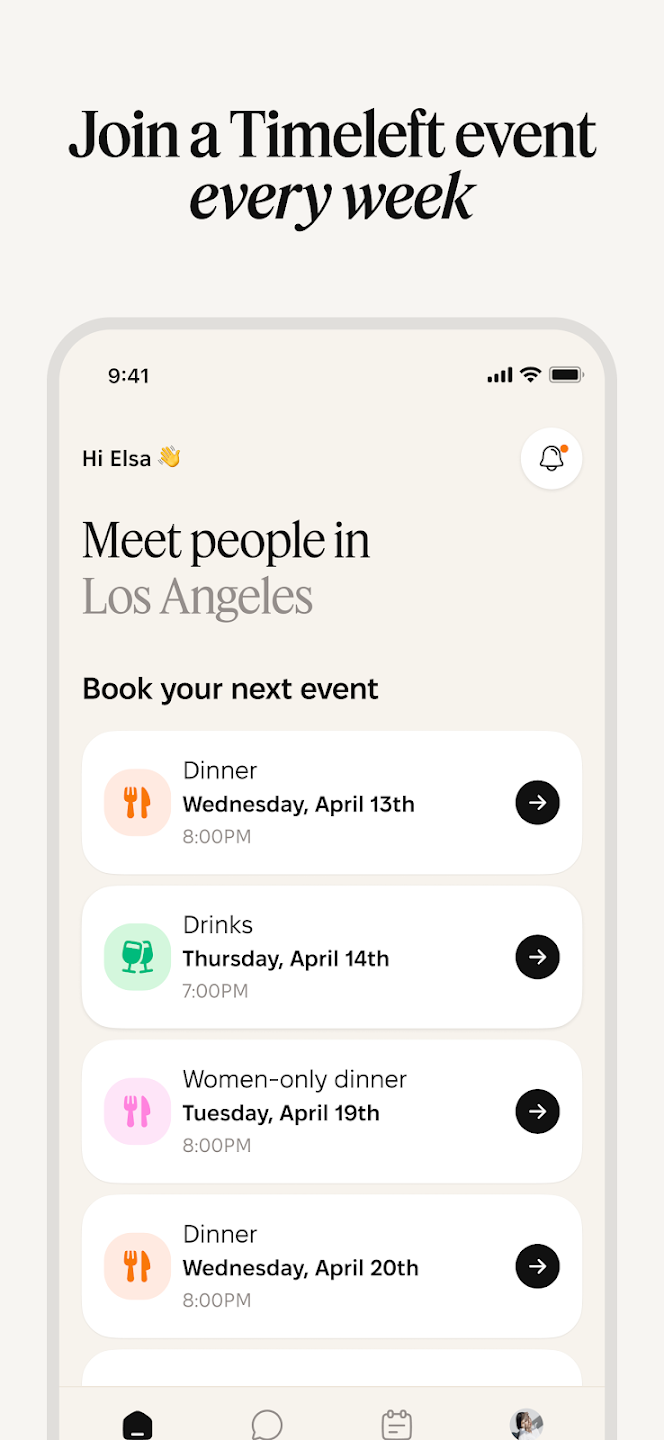
Timeleft has taken international urban centers by storm by turning the concept of meeting new people into a structured, recurring weekly ritual centered entirely around a shared restaurant meal.
-
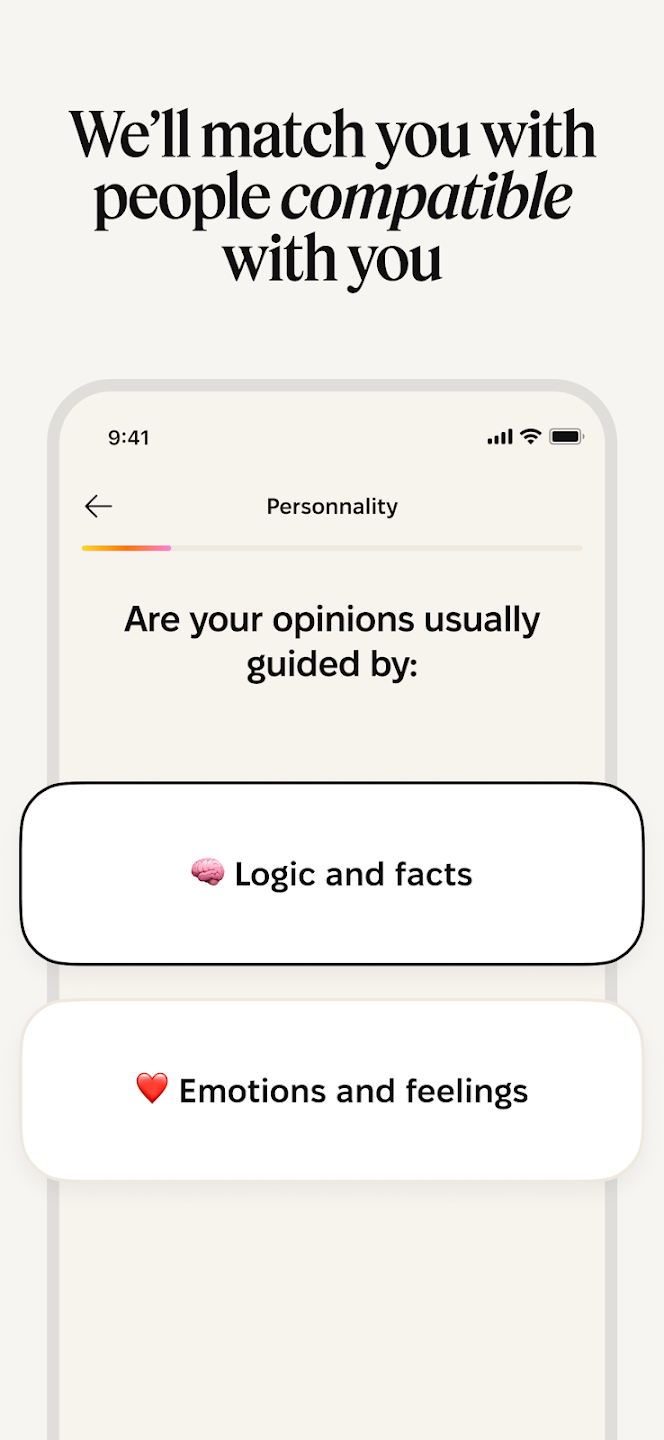
The Algorithmic Compatibility Matrix: When you sign up for Timeleft, you complete a comprehensive psychological and lifestyle questionnaire. The system analyzes your answers to group you with five other compatible strangers, ensuring your table shares a balanced mix of life perspectives, conversational styles, and interests.
-
The Wednesday Night Routine: Every single Wednesday evening, thousands of people across the globe sit down at local restaurants for Timeleft dinners. The app doesn’t reveal the identity of your table partners beforehand; it simply sends you the restaurant address and your designated table number a few hours before the meal.
-
Gamified Icebreakers: To prevent awkward silences during the initial drink orders, the app provides a series of interactive, thought-provoking questions designed to guide the conversation from basic small talk into meaningful, deep storytelling.
DayOfUs: Curated Small-Group Brunches and Local Experiences
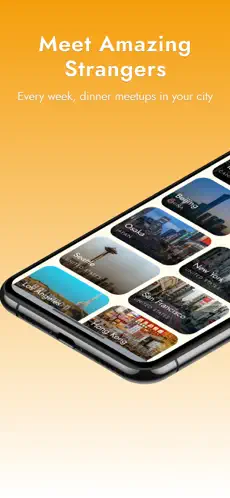
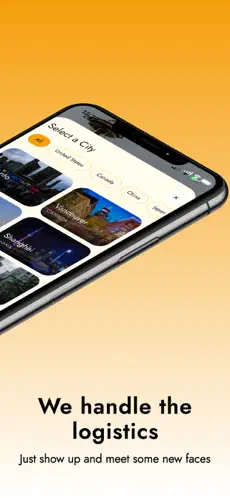
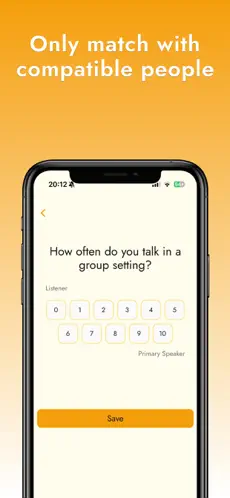
DayOfUs operates on a similar structural philosophy to Timeleft but expands the concept beyond standard dinners to include relaxed weekend brunches, afternoon coffee meetups, and casual daytime excursions.
-
Eliminating Pre-Chat Fatigue: The core philosophy of DayOfUs is that online messaging frequently stalls out before a physical meetup ever happens. The app deliberately skips the pre-match chat phase. You browse a directory of curated local events, book a seat at a table that fits your schedule, and do all your talking face-to-face.
-
Intimate, Local Focus: By limiting tables strictly to small groups (usually 4 to 6 people), the platform ensures that everyone has an equal opportunity to speak, listen, and build genuine rapport without feeling overwhelmed by dominant personalities.
Comprehensive Comparison Matrix: Choosing Your Ideal Local Event App
| Application Name | Best Suited For | Event Scale | Vibe & Atmosphere | Primary Monetization |
| Meetup | Long-term hobby clubs & interest networks | Small to Large | Casual, interest-focused | Organizer subscription fees |
| Eventbrite | Public festivals, commercial classes, markets | Medium to Massive | Structured, transactional | Ticket processing fees |
| Partiful | Private parties, kickbacks, social nights | Small to Medium | Trendy, high-energy, social | Free tier with ticket add-ons |
| Luma | Tech networks, wellness clubs, workshops | Small to Large | Professional, organized | Ticket sales commissions |
| Timeleft | Small-group dinners with vetted strangers | Exactly 6 people | Intimate, conversational | Monthly or per-dinner booking pass |
| DayOfUs | Weekend brunches and small local meals | 4 to 6 people | Relaxed, low-pressure | Seat reservation credits |
Step-by-Step Strategy to Move Conversations from App to Real Life Successfully
The single biggest failure point of local event tracking isn’t the software itself—it’s user hesitation. It is incredibly easy to download an app, save twenty distinct events to your favorites list, and ultimately stay home on Friday night due to comfort or social inertia.
Follow this definitive behavioral sequence to build a reliable real-world routine.
1.Select Your Priority Interest Anchors: Day 1.
Do not try to attend every single type of gathering. Choose a maximum of two primary interest anchors (e.g., “Running” and “Board Games”). Focusing your scope prevents option paralysis and ensures you look for groups where you have a genuine foundation for connection.
Essential Safety Protocols and Event Etiquette for Meeting Strangers
While exploring local gatherings is an exceptionally rewarding pursuit, practicing smart digital and physical safety habits protects your peace of mind and ensures a comfortable experience for everyone involved.
Verifying Venues and Sticking to Public Spaces
When choosing a local meetup, look closely at where the gathering is physically taking place. Genuine public groups should always host their initial events in well-lit, highly populated commercial or municipal spaces:
-
Red Flags: Be highly skeptical of any organizer or match who insists that a first-time meetup or group gathering occur at a private residential address, an unmapped warehouse, or an isolated outdoor location after dark.
-
The Map Test: Always plug the event address into an external mapping utility before clicking RSVP to verify that the venue is a real, active business, community center, or public park with open operating hours.
Mastering the Art of the “Comfortable Exit”
You are never under any social or moral obligation to stay at an event that makes you feel unsafe, stressed, or deeply uncomfortable. If the vibe of a gathering shifts or doesn’t align with your expectations, execute a polite, swift exit strategy.
The Phrase to Use: “Thank you so much for hosting, but I actually have an outstanding commitment I need to head out for. Have a wonderful rest of your evening!”
You do not need to provide elaborate explanations or defend your choices. Step outside, locate a public rideshare vehicle or public transit station, and safely head home.
How to Start and Grow Your Own Local Event Group Using Free Tech

If you have spent weeks searching through local discovery platforms and realized that your specific niche, hobby, or neighborhood subculture isn’t represented, do not get discouraged. The absolute best way to guarantee you find your perfect community is to build it yourself.
Designing a Hyper-Focused Event Concept
To attract high-value members, your event title and description must be exceptionally clear, eliminating any guesswork about what will happen during the gathering.
-
Weak Event Title: “Chilling and Hanging Out in the City”
-
Strong, Optimized Title: “Saturday Morning Casual 5K Run & Specialty Coffee (All Paces Welcome)”
The optimized title tells a potential member exactly what day it is, what activity they will perform, what the skill threshold is, and what the ultimate social reward is.
Leveraging Multi-Platform Cross-Posting
Do not limit your new group’s visibility to a single app directory. To maximize your organic search presence and accelerate your early growth, implement a structural cross-posting framework:
-
Create a beautiful, central calendar hub on Luma or Partiful to manage your official RSVPs and gather email addresses.
-
Post the event details onto Eventbrite using their free community-tier option to tap into local search algorithms.
-
Share the event link inside localized Nextdoor community feeds and city-specific forum channels to reach individuals living right around the corner.