What is a romance scam and how to protect yourself?
Understand what a romance scam is and how it works
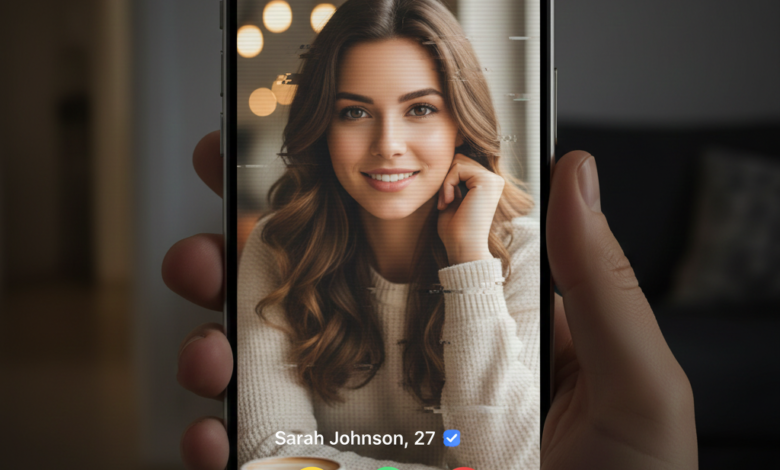
Finding love in the digital age has never been easier, but it has also never been more dangerous. While millions of people find genuine connections on dating apps and social media, a growing number of predators are lurking in the shadows. These predators don’t want your heart—they want your life savings.
According to recent data from the Federal Trade Commission (FTC) and the FBI, romance scams account for hundreds of millions of dollars in losses every year. But the cost isn’t just financial; the emotional devastation of being “ghosted” or “conned” by someone you thought you loved can be life-altering.
In this deep-dive guide, we will explore exactly what romance scams are, the sophisticated psychological tactics scammers use, and—most importantly—how you can protect yourself while still enjoying the world of online dating.
What is a Romance Scam? Defining Online Dating Fraud
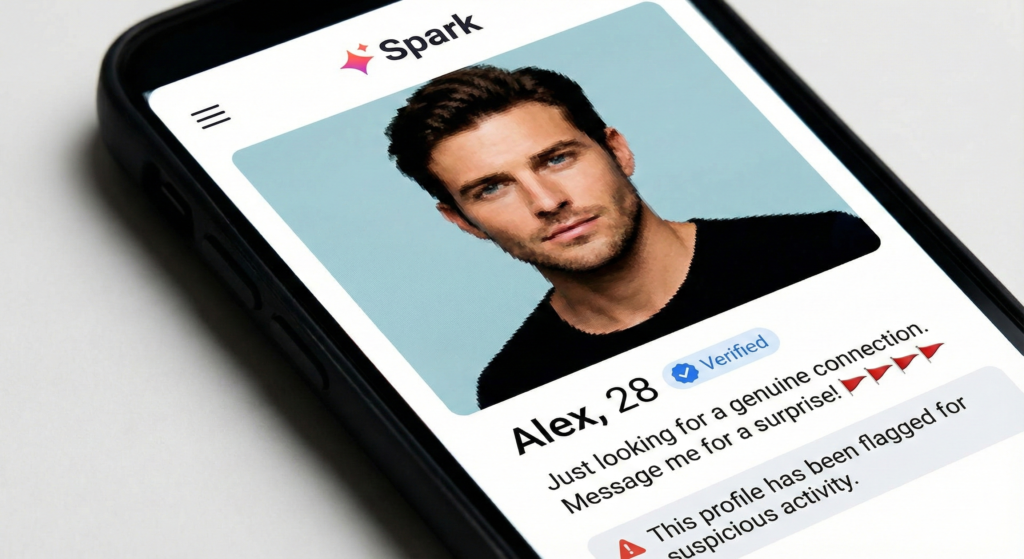
A romance scam, also known as “catfishing” on a professional level, occurs when a criminal adopts a fake online identity to gain a victim’s affection and trust. Once a bond is established, the scammer uses the illusion of a romantic relationship to manipulate the victim into sending money, providing personal financial information, or even acting as a “money mule” for illegal activities.
Unlike traditional “smash-and-grab” cybercrimes, romance scams are a “long con.” Scammers are patient. They may spend weeks or even months grooming a victim, sending hundreds of messages a day, and planning a “future” together before they ever ask for a single dollar.
The Evolution of the “Pig Butchering” Scam
In recent years, a more sinister version of the romance scam has emerged, often referred to as “Pig Butchering” (Sha Zhu Pan). In this scenario, the scammer builds trust and then “fattens up” the victim by convincing them to invest in fraudulent cryptocurrency platforms. Once the victim has invested a significant amount, the scammer disappears, taking the “slaughtered” investment with them.
Red Flags: How to Identify a Scammer Before You Fall in Love
The best defense against a romance scam is early detection. While scammers are getting better at hiding their tracks, they almost always follow a specific pattern. Here are the most common red flags to watch out for:
1. The Profile is “Too Good to Be True”
Scammers often use photos of incredibly attractive people, frequently stolen from the profiles of influencers, models, or even minor celebrities. If their profile looks like a professional photoshoot and they seem to have the “perfect” life, proceed with extreme caution.
2. They Move the Conversation Off-Platform Immediately
Dating apps like Tinder, Bumble, or Hinge have security teams and algorithms designed to catch scammers. To avoid detection, a scammer will try to move you to an encrypted or private messaging app like WhatsApp, Telegram, or Google Chat within the first few minutes of conversation.
3. They Fall in Love “Fast and Hard”
This is known as love bombing. If someone you have never met in person tells you they love you, calls you their “soulmate,” or starts planning your wedding after only three days of chatting, it is a massive red flag. They are trying to create an emotional fog that prevents you from thinking clearly.
4. They Are Always Working Abroad
Scammers need an excuse for why they can’t meet you in person. Common occupations they claim to have include:
-
Military personnel stationed overseas.
-
Doctors working with international aid organizations (like Doctors Without Borders).
-
Engineers on offshore oil rigs.
-
International businessmen traveling for “big contracts.”
5. They Can Never Video Chat
In 2026, there is no technical reason why someone can’t video chat. If their camera is “broken,” their internet is “too weak,” or they always have an emergency just as you’re about to call, you are talking to a scammer.
Pro Tip: Even if they do a video call, watch out for “Deepfake” technology. If their mouth movements don’t match the audio or the video looks “glitchy” and unnatural, it could be an AI-generated face.
The Scammer’s Playbook: Common Lies and Manipulative Scripts
Understanding the “scripts” that scammers use can help you spot the trap before it snaps shut. Most romance scams culminate in a “crisis” that requires your financial help.
The “Travel Emergency”
The scammer finally agrees to meet you. They send you a screenshot of a “booked flight.” Then, on the day of the flight, they call in a panic. They’ve been detained at customs, or they need to pay a “travel visa fee” they forgot about. They ask you to wire the money, promising to pay you back the moment they land.
The “Medical Crisis”
The scammer or a “family member” (often a child) suddenly falls ill or has a tragic accident. They claim they are in a hospital that requires payment upfront before performing life-saving surgery. They rely on your empathy to bypass your logic.
The “Inheritance or Stuck Funds”
The scammer claims they are owed a massive inheritance or business payout but need to pay “administrative fees” or “taxes” to release the funds. They promise to share the millions with you if you just help them cover the initial $5,000 fee.
The Rise of Crypto Romance Scams: What You Need to Know
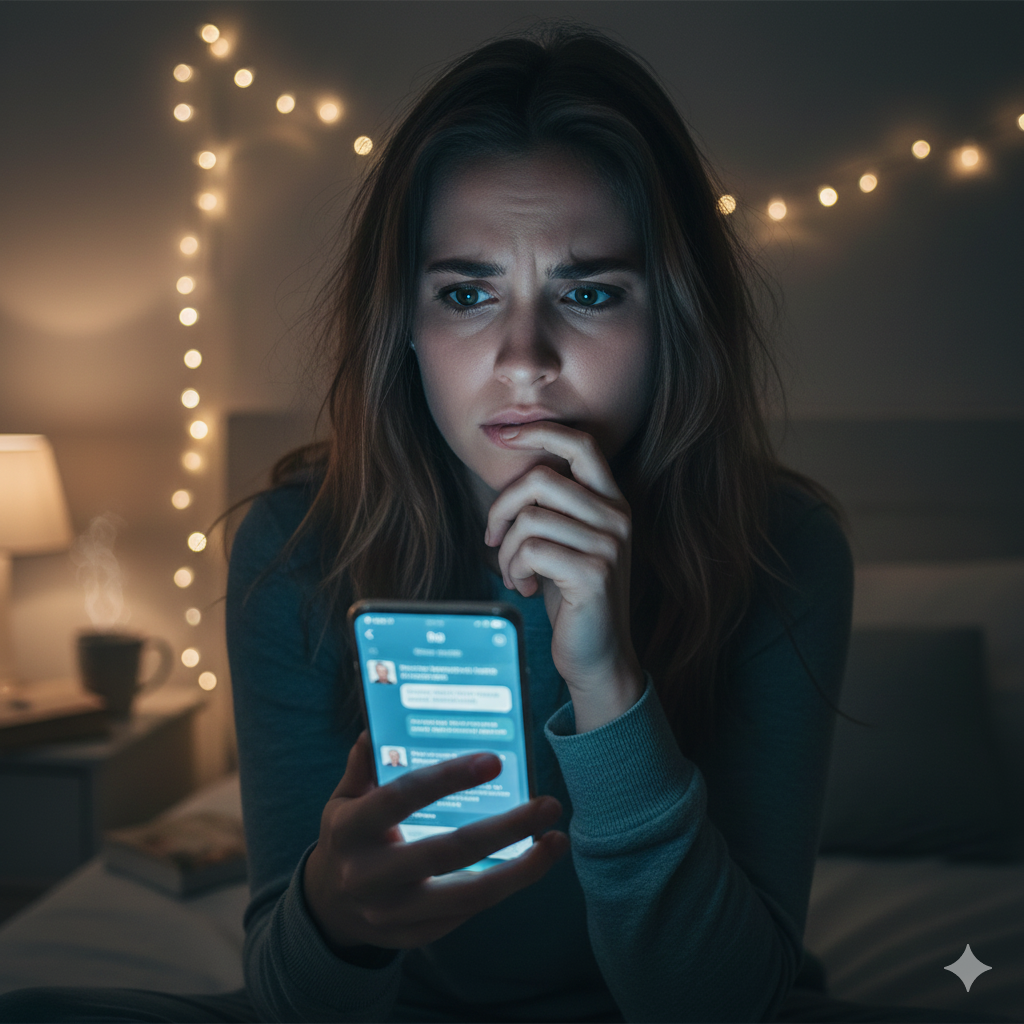
The intersection of romance and finance has taken a digital turn. Cryptocurrency is now the preferred method for romance scammers because transactions are irreversible and harder to track than traditional bank transfers.
If your online “boyfriend” or “girlfriend” starts giving you “investment tips” or asks you to join a specific crypto trading platform, stop talking to them immediately. These platforms are often fake dashboards that show you are making money, encouraging you to “invest” more. In reality, your money is going straight into the scammer’s wallet.
Step-by-Step Guide: How to Protect Yourself from Romance Scammers
You don’t have to stop dating online, but you do need to date with a “security-first” mindset. Follow these steps to verify your connections:
1. Perform a Reverse Image Search
Take the person’s profile picture and upload it to Google Lens, TinEye, or Yandex Images. If that same photo appears on multiple profiles with different names, or if it belongs to a famous person, you’ve found a scammer.
2. Verify Their Identity via Social Media
A genuine person usually has a digital footprint. Look for a LinkedIn profile, an Instagram with a history of tagged photos from friends, or a Facebook account that wasn’t created yesterday. Scammers often have “hollow” profiles with very few friends and no interaction from real people.
3. Ask Specific, Local Questions
If they claim to be from your city or a city they supposedly lived in, ask them about a specific local landmark or a recent event that isn’t in the news. Scammers working from “scam farms” in other countries will struggle to answer localized questions naturally.
4. Never, Ever Send Money
This is the golden rule of online dating. No matter how heartbreaking the story, never send money, gift cards, or cryptocurrency to someone you have not met in person. A legitimate person who cares about you will not ask a stranger for money.
5. Keep Your Personal Data Private
Do not share your home address, your workplace, or your social security number. Scammers can use this information for identity theft or to blackmail you later.
What to Do If You Have Been Scammed: Immediate Actions

If you realize you’ve been targeted, don’t let embarrassment keep you from taking action. Scammers are professional manipulators; it is not your fault.
-
Stop All Communication: Block them on every platform. Do not tell them you know they are a scammer—just cut them off. If you confront them, they will use more emotional manipulation to keep you on the hook.
-
Contact Your Bank: If you sent money via bank transfer or credit card, notify your bank’s fraud department immediately. They may be able to freeze the transaction if you act fast.
-
Report to the Authorities: * In the US: Report the crime to the FBI’s Internet Crime Complaint Center (IC3) at ic3.gov and the Federal Trade Commission (FTC) at reportfraud.ftc.gov.
-
Report the Profile: Notify the dating app or social media site where you met the scammer so they can remove the account and protect others.
The Emotional Toll: Healing After a Romance Scam
The psychological impact of a romance scam is often compared to a “double grief.” You are grieving the loss of a person you thought you loved, and you are grieving the loss of your financial security.
It is common to feel shame, anger, or a loss of trust in others. However, it is important to remember that these criminals use the same psychological triggers used by cult leaders and high-level con artists. Seeking support from a therapist or a support group for fraud victims can be an essential part of the healing process.
Staying Safe While Finding Love Online
Online dating should be an exciting journey toward finding companionship. By staying informed and maintaining healthy boundaries, you can navigate the digital dating world safely.
Remember: True love does not come with a price tag. A person who truly wants to build a life with you will value your safety and financial security, not seek to compromise it. Stay vigilant, trust your gut, and always put your security first.