Step-by-step guide on how to create a skincare routine
Learn how to create a skincare routine with this guide
In an era where social media is flooded with “10-step glass skin routines” and “must-have” viral products, starting a skincare journey can feel incredibly overwhelming. You might find yourself standing in the beauty aisle, staring at rows of serums, toners, and acids, wondering: Where do I even begin?
The truth is, great skin isn’t about how many products you use; it’s about using the right products in the right order for your specific needs. Skincare is a long-term investment in your body’s largest organ. When done correctly, a consistent routine doesn’t just improve your appearance—it strengthens your skin barrier, prevents premature aging, and boosts your self-confidence.
In this comprehensive guide, we will break down exactly how to build a professional-grade skincare routine from scratch. Whether you are a total beginner or looking to refine your current regimen, this step-by-step blueprint will help you achieve the healthy, glowing complexion you’ve always wanted.
How to Determine Your Skin Type for a Targeted Routine
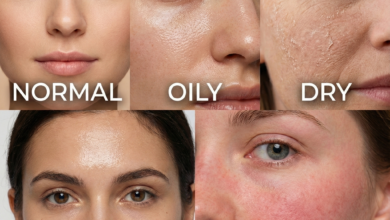
Before you buy a single bottle, you must understand your “starting point.” Using products designed for oily skin on a dry complexion can lead to irritation, while the reverse can cause clogged pores and breakouts. In the United States, dermatologists generally categorize skin into five primary types.
The “Wait and See” Test
The easiest way to identify your type at home is the “Wait and See” method:
-
Wash: Use a gentle cleanser to remove all oil and dirt.
-
Wait: Pat dry and do not apply any products. Wait for 60 minutes.
-
Observe: * Normal Skin: Feels comfortable, not too dry or oily.
-
Oily Skin: Looks shiny on the forehead, nose, and cheeks.
-
Dry Skin: Feels tight, itchy, or looks flaky.
-
Combination Skin: Shiny in the T-zone (forehead/nose) but dry or tight on the cheeks.
-
Sensitive Skin: Shows redness, stinging, or becomes easily irritated.
-
Understanding your type allows you to choose textures—like lightweight gels for oily skin or rich creams for dry skin—that your face will actually enjoy.
The Essential Foundations: Cleansing, Moisturizing, and Sun Protection
Every effective skincare routine is built on a “Holy Trinity” of steps. If you are a minimalist or just starting, these are the only three steps you truly need.
1. Cleansing: The Clean Slate
Cleansing removes the day’s accumulation of sweat, pollution, bacteria, and makeup.
-
Morning: A light cleanse removes any sweat or oils produced while you sleep.
-
Night: This is the most important cleanse. Many people in the US are now adopting the “Double Cleanse”—using an oil-based balm followed by a water-based gel—to ensure every trace of waterproof sunscreen and foundation is gone.
2. Moisturizing: The Barrier Protector
Regardless of your skin type, you need a moisturizer. Its job is to hydrate the skin and seal in moisture, preventing “Transepidermal Water Loss” (TEWL).
-
Look for ingredients like Ceramides (to repair the barrier), Hyaluronic Acid (to pull in water), and Glycerin.
3. Sunscreen (SPF): The Non-Negotiable Step
If you skip sunscreen, the rest of your routine is essentially wasted. UV damage is responsible for up to 90% of visible skin changes, including wrinkles and dark spots.
-
Pro Tip: Use a “Broad-Spectrum” SPF 30 or higher every single day, even if it’s cloudy or you’re staying indoors.
Crafting an Effective Morning Skincare Routine for All-Day Protection

The goal of your morning routine is protection. Your skin is about to face UV rays, blue light from screens, and environmental pollution.
-
Cleanser: Start with a gentle wash to refresh the skin.
-
Toner (Optional): Modern toners are not the alcohol-based “stingers” of the 90s. They are now used to add a first layer of hydration or to balance pH.
-
Antioxidant Serum: Vitamin C is the gold standard here. It neutralizes free radicals and brightens the skin.
-
Eye Cream: If you struggle with puffiness or dark circles, a caffeine-infused eye cream can “wake up” the area.
-
Moisturizer: Choose a lightweight formula that sits well under makeup or sunscreen.
-
Sunscreen: Your final and most important step. Apply the “two-finger” amount to your face and neck.
Designing a Nighttime Skincare Regimen Focused on Repair
While you sleep, your skin goes into “recovery mode.” This is the best time to use “active” ingredients that might make your skin sensitive to the sun.
-
Double Cleanse: Use a balm/oil, then a traditional cleanser.
-
Treatment/Serum: This is where you address specific concerns.
-
Acne: Salicylic Acid (BHA).
-
Aging: Retinol or Retinal (the “gold standard” for wrinkles).
-
Hyperpigmentation: Niacinamide or Tranexamic Acid.
-
-
Night Cream: Use a slightly richer moisturizer than your daytime one to support the skin’s natural repair process.
-
Facial Oil (Optional): For very dry skin, a few drops of Rosehip or Squalane oil can seal everything in.
Mastering Product Order: The “Thinnest to Thickest” Rule
One of the most common questions beginners ask is: What order do I put these in? If you apply a heavy oil and then a watery serum, the serum won’t be able to penetrate the oil.
The Golden Rule: Always apply products from thinnest consistency to thickest consistency.
-
Liquids (Toners/Essences) → Gels (Light serums) → Lotions (Light moisturizers) → Creams (Heavy moisturizers) → Oils/Balms.
-
The Exception: Sunscreen always goes last in the morning, as it needs to form a protective film on top of everything else.
Understanding Active Ingredients: What Do They Actually Do?
To build a routine like a pro, you need to understand the “Big Players” in skincare chemistry.
-
Hyaluronic Acid: A humectant. It doesn’t exfoliate; it just hydrates. Think of it as a big drink of water for your face.
-
Niacinamide (Vitamin B3): The ultimate multitasker. It shrinks the appearance of pores, regulates oil, and calms redness.
-
Retinol (Vitamin A): It speeds up cell turnover. It’s the most proven ingredient for anti-aging and acne, but it must be introduced slowly.
-
Vitamin C: An antioxidant that prevents sun damage and fades dark spots.
-
AHAs (Glycolic/Lactic Acid): They “unglue” dead skin cells on the surface to reveal glowing skin.
-
BHAs (Salicylic Acid): They go deep into the pores to dissolve oil, making them perfect for blackheads and acne.
Advanced Technique: Introducing “Skin Cycling” to Your Routine
“Skin Cycling” is a method popularized by US dermatologists to prevent irritation while using powerful actives. It’s a 4-night cycle:
-
Night 1: Exfoliation. Use a chemical exfoliant (AHA/BHA) to prep the skin.
-
Night 2: Retinoid. Apply your Retinol to clean skin.
-
Night 3: Recovery. No actives. Just hydration and barrier repair.
-
Night 4: Recovery. More hydration.
-
Night 5: Repeat the cycle.
This method ensures you get the benefits of Retinol without the “purging” or peeling often associated with it.
Common Skincare Mistakes and How to Avoid Them
Even with the best products, you can damage your skin if you aren’t careful. Here are the most frequent errors:
-
Over-Exfoliating: Using acids every single day can break your skin barrier, leading to “shiny but tight” skin and breakouts.
-
Not Giving It Time: Skin cells take about 28–40 days to turn over. You won’t see the full results of a new routine for at least 4–6 weeks.
-
Using Too Many Actives: Mixing Retinol, Vitamin C, and AHAs all at once is a recipe for a chemical burn. Introduce one new product at a time.
-
Neglecting the Neck and Chest: Your face stops at your chest! Always apply your skincare and SPF to your neck and décolletage.
Holistic Habits: Supporting Your Skincare from Within
No cream can fix what a poor lifestyle creates. To truly “glow,” you must support your skin internally.
-
Hydration: Drink plenty of water. While it doesn’t “cure” dry skin, it keeps your skin cells plump.
-
Sleep: “Beauty sleep” is real. Lack of sleep increases cortisol, which can trigger acne and inflammation.
-
Clean Pillowcases: Change your pillowcase (especially if it’s silk or satin) at least once a week to prevent bacteria buildup.
-
Diet: Limit high-sugar foods, which can cause “glycation”—a process that breaks down collagen and ages your skin faster.
Consistency Trumps Everything
Building a skincare routine is a journey of trial and error. Your skin will change with the seasons, your age, and your stress levels. Don’t be discouraged if a “cult favorite” product doesn’t work for you.
The best routine is the one you actually do every morning and every night. By sticking to the basics—cleansing, moisturizing, and protecting—and strategically adding actives to target your concerns, you are well on your way to achieving your best skin ever.