Learn how to take care of your skin this summer
Discover some tips to protect your skin this summer

Summer is finally here. For most of us, that means longer days, weekend getaways to the beach, and plenty of time spent outdoors. However, while we are busy soaking up the sun, our skin is often working overtime to stay healthy. The combination of intense UV radiation, high humidity, and increased perspiration can wreak havoc on even the most balanced complexions.
If you’ve noticed that your skin feels oilier, looks duller, or is breaking out more than usual, you aren’t alone. Transitioning your skincare routine for the warmer months isn’t just a luxury—it’s a biological necessity. In this deep-dive guide, we will explore the professional secrets to maintaining a radiant, protected, and hydrated complexion all summer long.
Understanding UV Rays and the Importance of the UV Index

Before we talk about products, we need to talk about the environment. The sun emits ultraviolet (UV) radiation, which is responsible for the majority of visible skin aging and damage. During the summer, the Earth’s tilt brings us closer to the sun, significantly increasing the intensity of these rays.
Most people check the temperature before heading out, but you should also be checking the UV Index. This is a daily forecast of the expected intensity of UV radiation.
-
Low (1-2): Minimal protection needed.
-
Moderate to High (3-7): Protection is essential. Seek shade during the midday sun.
-
Very High to Extreme (8+): Extra protection is required. Skin can burn in minutes.
Understanding that UV rays are present even on cloudy days is the first step toward a successful summer routine. UVA rays (which cause aging) are constant year-round, while UVB rays (which cause burning) peak during the summer months.
Mastering Sunscreen: Why SPF 30 is Your New Best Friend
If you only take one piece of advice from this article, let it be this: Sunscreen is non-negotiable. It is the single most effective anti-aging product in existence. However, most people apply it incorrectly.
The “Two-Finger” Rule
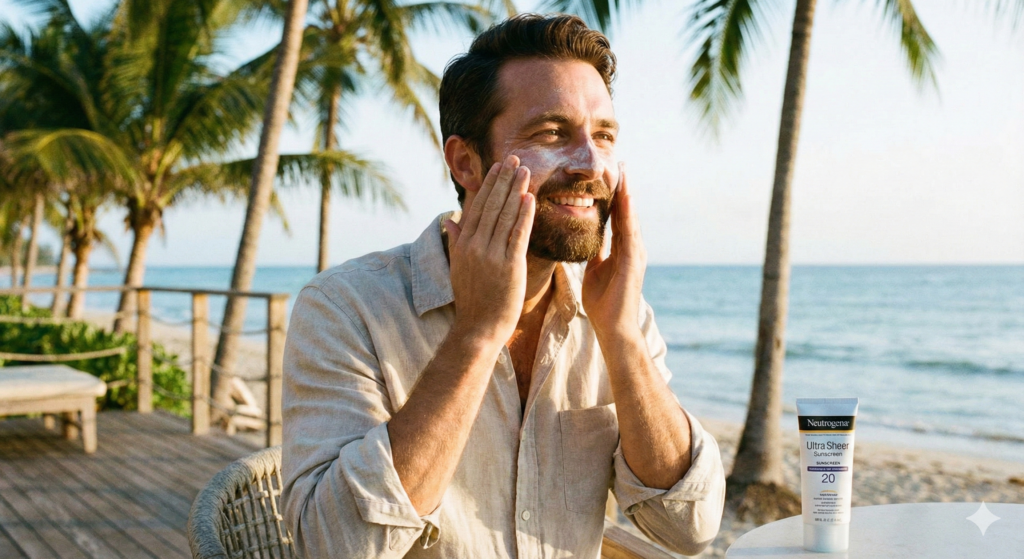
To get the SPF rating listed on the bottle, you must apply the correct amount. For your face and neck, this is approximately two strips of sunscreen squeezed along your index and middle fingers. Anything less, and you are only getting a fraction of the protection.
Reapplication is Key
Sunscreen filters break down after exposure to direct sunlight and can be washed away by sweat or water. You must reapply every two hours, or more frequently if you are swimming or exercising. For those who wear makeup, consider a sunscreen mist or powder for easy touch-ups throughout the day.
Broad-Spectrum Coverage
Always look for the words “Broad-Spectrum.” This ensures the product protects you from both UVA and UVB rays. While SPF 15 might be fine for a quick walk to the mailbox, an SPF 30 or higher is the gold standard for summer days.
Lightweight Hydration: Swapping Heavy Creams for Water-Based Gels
As the temperature rises, the heavy, lipid-rich creams we loved in the winter can start to feel suffocating. High humidity prevents sweat from evaporating efficiently, which can trap heavy products against the skin, leading to clogged pores and “summer acne.”
The Solution: Look for humectants instead of emollients.
-
Hyaluronic Acid: This superstar ingredient holds 1,000 times its weight in water, providing hydration without adding oil.
-
Glycerin: A classic humectant that keeps the skin barrier soft and supple.
-
Gel-Based Moisturizers: These are water-based formulas that absorb instantly, leaving a matte or “dewy” finish without the grease.
Switching to a lightweight gel moisturizer allows your skin to breathe while still maintaining the moisture levels necessary to prevent dehydration.
The Power of Antioxidants in Fighting Free Radical Damage

Think of antioxidants as your sunscreen’s “backup singers.” While sunscreen blocks UV rays, antioxidants neutralize the free radicals that manage to get through. Free radicals are unstable molecules that damage collagen and DNA, leading to wrinkles and dark spots.
Vitamin C is the ultimate summer antioxidant. When applied in the morning under your sunscreen, it:
-
Brightens the skin: It helps fade the appearance of sunspots and hyperpigmentation.
-
Boosts Collagen: It helps maintain the structural integrity of your skin.
-
Enhances Protection: Studies show that combining Vitamin C with sunscreen provides better protection against UV damage than sunscreen alone.
Other great summer antioxidants include Vitamin E, Ferulic Acid, and Green Tea extract.
Summer Cleansing: How to Manage Sweat, Sebum, and Clogged Pores
In the summer, your skin produces more sebum (oil). When you mix that oil with sweat, sunscreen residue, and environmental pollution, you have a recipe for breakouts.
The Double Cleanse Method
If you are wearing water-resistant sunscreen, a single wash might not be enough.
-
Step 1: Use an oil-based cleanser or micellar water to dissolve the sunscreen and makeup.
-
Step 2: Use a gentle, pH-balanced water-based cleanser to clean the skin itself.
Salicylic Acid (BHA)
If you struggle with “summer congestion,” consider incorporating a BHA exfoliant twice a week. Unlike physical scrubs, Salicylic Acid is oil-soluble, meaning it can travel deep into your pores to dissolve the “glue” that causes blackheads and acne.
Post-Beach Recovery: Soothing Sun-Kissed Skin the Right Way
Even with the best intentions, sometimes we stay out too long. When your skin feels hot, tight, or red, it is in a state of inflammation.
What to do:
-
Cool Down: Take a cool (not cold) shower to lower the skin’s temperature.
-
Aloe Vera: Use pure aloe vera gel to soothe inflammation. Look for “fragrance-free” options, as alcohol and perfumes can further irritate a burn.
-
Skip the Actives: If your skin is irritated, stop using Retinoids, Vitamin C, or exfoliating acids for a few days. Focus entirely on barrier repair.
-
Niacinamide: This ingredient (Vitamin B3) is excellent for calming redness and strengthening the skin barrier after sun exposure.
Beyond the Face: Comprehensive Body Care for the Hot Months

We often spend so much time on our faces that we forget the rest of our bodies. Summer exposes more skin, meaning we need to expand our routine.
-
Exfoliate the Body: Use a gentle body scrub or a loofah twice a week to prevent “strawberry legs” and ingrown hairs, especially if you are shaving or waxing more frequently.
-
Don’t Forget the Extremities: The tops of the feet, the ears, and the backs of the hands are the most common places people miss with sunscreen.
-
Lip Protection: The skin on your lips is incredibly thin and contains very little melanin. Use a lip balm with at least SPF 15 to prevent painful sun damage and premature aging.
Common Summer Skin Hazards: Heat Rash, Folliculitis, and More
Summer brings specific skin conditions that aren’t as common in the winter.
-
Heat Rash (Miliaria): This happens when sweat ducts get blocked and sweat is trapped under the skin. It looks like small, itchy red bumps. The fix? Stay cool, wear loose cotton clothing, and avoid heavy body oils.
-
Folliculitis: Often mistaken for acne, this is an inflammation of the hair follicles, usually caused by friction and bacteria in sweaty gym clothes or swimsuits. Always shower immediately after a workout or a dip in the pool.
-
Chlorine and Salt Water: Both can be incredibly drying. Always rinse your skin and hair with fresh water after swimming to remove the residue.
Summer Lifestyle Tips: Hydration, Diet, and Sun-Safe Fashion
Skincare isn’t just about what you put on your body; it’s about what you put in it.
-
Internal Hydration: You lose more water through sweat in the summer. Aim for at least 8-10 glasses of water a day. If you find plain water boring, add cucumber or mint for a refreshing twist.
-
Eat Your Sunscreen: While it doesn’t replace lotions, eating foods high in Lycopene (like tomatoes and watermelon) and Beta-carotene (like carrots and sweet potatoes) can provide a very mild natural boost to your skin’s UV resistance.
-
UPF Clothing: If you’re going to be out for hours, consider UPF (Ultraviolet Protection Factor) clothing. A wide-brimmed hat and polarized sunglasses are essential accessories for protecting your scalp and the delicate skin around your eyes.
Consistency is Your Best Summer Accessory
The key to great summer skin isn’t a 15-step routine; it’s a smart, consistent routine. By switching to lighter textures, being diligent with your SPF, and supporting your skin with antioxidants, you can enjoy everything the season has to offer without compromising your skin’s health.
Listen to your skin. If it feels oily, lighten the moisture. If it feels tight, add a hydrating serum. With these professional tips, you are well on your way to a radiant, healthy, and sun-safe summer.