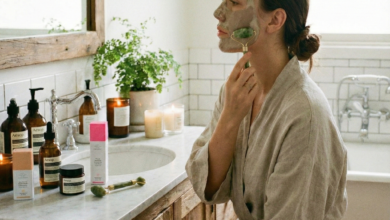
Learn how to assemble your first skincare kit
A complete guide to putting together a skincare kit for your routine
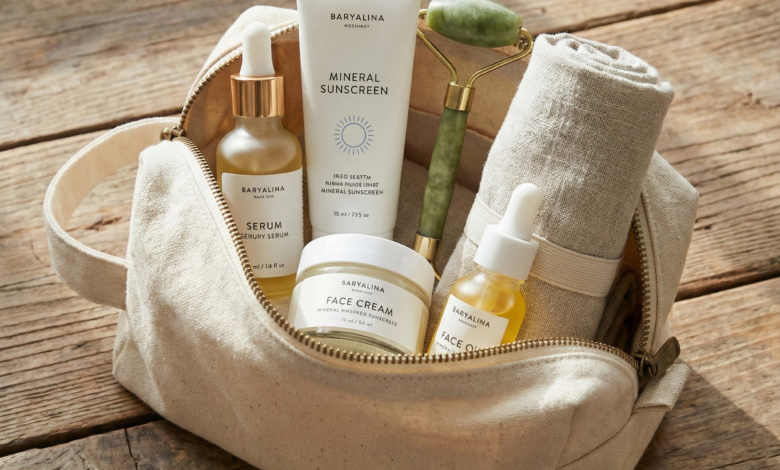
Embarking on a skincare journey can feel like stepping into a labyrinth. With thousands of products, complex ingredient lists, and “miracle” trends popping up daily on social media, it’s easy to feel overwhelmed. However, achieving healthy, glowing skin doesn’t require a 12-step routine or a chemistry degree.
The secret to a successful skincare journey is simplicity and consistency. In this guide, we will break down exactly how to build your first skincare kit from scratch, tailored to your unique needs, without breaking the bank or damaging your skin barrier.
How to Identify Your Skin Type Before Buying Products
Before you spend a single dollar, you must understand the canvas you are working with. Using products designed for oily skin on a dry complexion can lead to irritation, while the reverse can cause breakouts. There are four primary skin types:
-
Normal Skin: Balanced moisture, small pores, and rarely sensitive.
-
Oily Skin: Characterized by enlarged pores, a shiny appearance throughout the day, and a prone-to-acne nature.
-
Dry Skin: Often feels tight, may have flaky patches, and lacks a natural glow.
-
Combination Skin: Typically oily in the T-zone (forehead, nose, and chin) but dry or normal on the cheeks.
-
Sensitive Skin: Reacts easily to new products, often showing redness, itching, or burning.
The “Wait and See” Test: Wash your face with a gentle cleanser, pat it dry, and wait 30 minutes. If your skin feels tight, it’s dry. If it’s shiny all over, it’s oily. If it’s only shiny in the T-zone, it’s combination.
The Three Essential Pillars of a Beginner Skincare Routine
If you are a beginner, you only need three core products. Think of these as the “holy trinity” of skincare. Once you master these, you can slowly introduce “extras.”
1. The Right Cleanser: Your Foundation
Cleansing removes dirt, oil, pollution, and makeup. For beginners, a gentle, pH-balanced cleanser is non-negotiable.
-
For Oily/Acne-Prone Skin: Look for foaming or gel cleansers.
-
For Dry/Sensitive Skin: Opt for cream or lotion-based cleansers that don’t strip away natural oils.
2. The Moisturizer: Your Barrier Protector
Every skin type needs hydration. A moisturizer locks in water and strengthens your skin barrier.
-
For Oily Skin: Look for “oil-free” or “gel-cream” textures.
-
For Dry Skin: Look for “ceramides” and “hyaluronic acid” in richer cream formulas.
3. Sunscreen (SPF): The Non-Negotiable Step
If you only use one product, make it sunscreen. UV damage is responsible for 80% of visible skin aging and increases the risk of skin cancer.
-
Broad-Spectrum SPF 30 or higher is the standard.
-
Physical (Mineral) Sunscreen: Uses Zinc Oxide or Titanium Dioxide; better for sensitive skin.
-
Chemical Sunscreen: Absorbs into the skin; usually leaves no white cast and is better for active lifestyles.
Decoding Skincare Ingredients: What to Look For and What to Avoid
Reading a label shouldn’t feel like a science experiment. Here are the “Power Players” you should recognize:
-
Hyaluronic Acid: A humectant that holds 1,000 times its weight in water. Great for all skin types.
-
Niacinamide (Vitamin B3): The ultimate multitasker. It regulates oil, fades dark spots, and reduces redness.
-
Vitamin C: An antioxidant that brightens the skin and protects against environmental damage. Best used in the morning.
-
Salicylic Acid (BHA): Perfect for unclogging pores and treating acne.
-
Ceramides: Lipids that help repair the skin barrier.
What to Avoid Initially: High concentrations of fragrance, denatured alcohol (which can be drying), and “scrub” exfoliants with jagged particles (like walnut shells) that cause micro-tears in the skin.
Step-by-Step Morning vs. Night Routine for Beginners
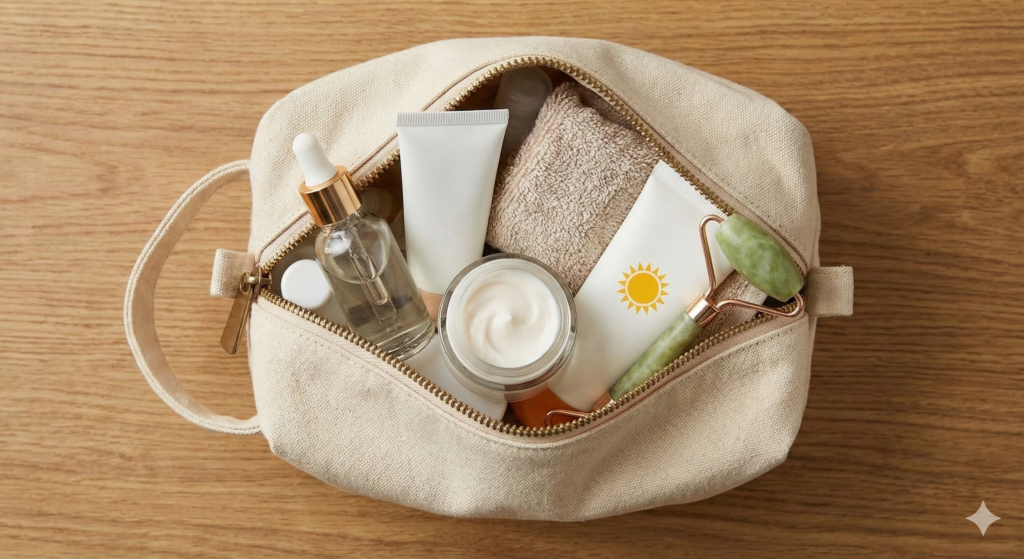
Consistency is more important than the complexity of the products. Here is how to structure your day:
The Morning Routine (Protect and Prevent)
-
Cleanser: Wash away sweat and oils from the night. (If you have very dry skin, a water-rinse may suffice).
-
Vitamin C Serum (Optional): To brighten and protect.
-
Moisturizer: To hydrate.
-
SPF: Apply generously (the “two-finger” rule).
The Evening Routine (Cleanse and Repair)
-
Double Cleanse: Use a cleansing balm or micellar water to remove makeup/SPF, followed by your regular cleanser.
-
Treatment/Serum (Optional): This is where you would use acne treatments or retinol.
-
Moisturizer: A slightly thicker “night cream” can help repair the skin while you sleep.
Advanced Skincare Tips: When to Add Serums and Exfoliants
Once you have used your basic kit for 4–6 weeks without irritation, you can begin to target specific concerns.
-
Chemical Exfoliation: Instead of harsh scrubs, use AHAs (like Glycolic or Lactic acid) for surface glow, or BHAs (Salicylic acid) for deep pore cleansing. Start once or twice a week.
-
Retinoids (The Gold Standard): Retinol is famous for anti-aging and acne control. However, it is powerful. Start with a low percentage at night and always wear SPF the next day, as it increases sun sensitivity.
Budget-Friendly vs. Luxury Skincare: Is Expensive Better?
One of the biggest myths in the beauty industry is that a higher price tag equals better results. In the US market, drugstore brands like CeraVe, La Roche-Posay, and The Ordinary offer scientifically backed formulas that often outperform luxury “designer” brands.
Luxury skincare often pays for elegant packaging, heavy fragrances, and marketing. While some high-end ingredients are worth the splurge (like stabilized Vitamin C), your basic cleanser and moisturizer don’t need to cost more than $15–$20 each.
Common Mistakes Beginners Make (and How to Avoid Them)
-
Starting Everything at Once: If you introduce five new products and have a reaction, you won’t know which one caused it. Introduce one product every week.
-
Over-Exfoliating: More is not better. Over-exfoliating can lead to “over-processed” skin, causing redness, breakouts, and a shiny, plastic-like texture.
-
Expecting Instant Results: Skin cells take about 28 to 40 days to turn over. You need to give a product at least a month to see a real difference.
-
Skipping SPF on Cloudy Days: UV rays penetrate clouds and windows. Wear your SPF every single day.
Holistic Skincare: Habits That Support Your Glow
No product can replace a healthy lifestyle. To maximize your skincare kit’s effectiveness:
-
Hydration: Drink plenty of water to keep skin cells plump from the inside out.
-
Sleep: Your skin goes into “repair mode” at night. Aim for 7–9 hours.
-
Clean Pillowcases: Change your pillowcase at least once a week to prevent bacteria buildup.
-
Diet: Limit high-glycemic foods (sugar and white flour) which can trigger inflammation and acne in some people.
Your Skin is a Journey, Not a Destination

Building your first skincare kit is an act of self-care. It’s about more than just looking good; it’s about maintaining the health of your body’s largest organ. Start simple, listen to your skin, and don’t get discouraged by temporary breakouts or “purging” periods.
By following this guide, you’ve laid the groundwork for a lifetime of healthy skin. Remember, the best routine is the one you actually do every day.