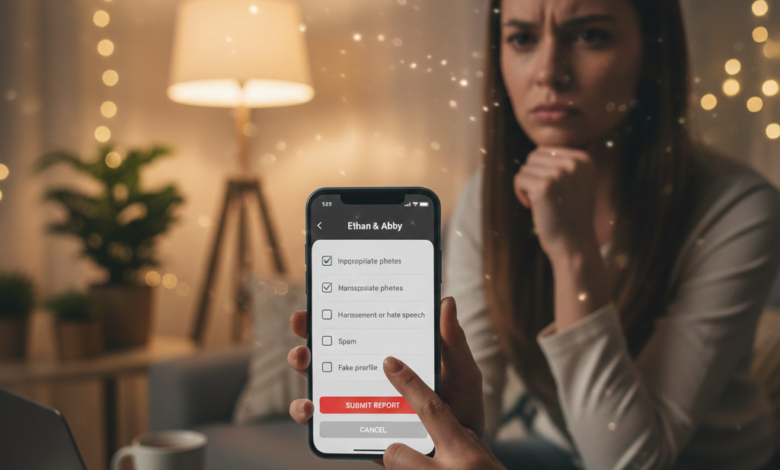
In the quest for love and companionship, dating apps like Tinder, Bumble, and Hinge have become indispensable tools. Millions of people find meaningful connections every day, yet the digital nature of these platforms also attracts individuals who do not have the best intentions. Whether you are dealing with a persistent harasser, a suspicious bot, or a sophisticated romance scammer, knowing how to report someone on dating apps is an essential skill for every modern dater.
Reporting isn’t just about protecting yourself; it’s about maintaining the integrity of the community. When you flag a predatory profile, you are potentially saving the next person from financial loss or emotional trauma. This guide provides a deep dive into the mechanics of reporting across various platforms, identifying “red flag” behaviors, and understanding what happens after you hit that report button.
Why Reporting Matters: Building a Safer Dating Ecosystem

Many users hesitate to report problematic behavior because they feel it might be an overreaction or that the app developers won’t take action. However, dating app algorithms and safety teams rely heavily on user feedback.
The Power of Community Moderation
Dating platforms use a combination of AI and human moderators. When a profile receives multiple reports for the same issue—such as harassment or solicitation—it triggers a priority review. By reporting, you provide the “data” necessary for these platforms to ban “bad actors” permanently.
Preventing the “Serial Offender”
Predators often move from one match to another using the same scripts. A report creates a digital trail. Even if a user isn’t banned immediately, a history of reports makes it much easier for the platform to identify and remove them when they cross a serious line in the future.
Common Reasons to Report a User on a Dating App
Before we look at the “how-to,” it is important to understand the “why.” Not every bad date warrants a report, but specific behaviors are clear violations of the Terms of Service (ToS) for almost all major apps.
1. Harassment and Abusive Language
This includes any form of hate speech, threats, or persistent unwanted messaging. If a user becomes aggressive because you haven’t replied quickly enough or if they use slurs, they should be reported immediately.
2. Financial Scams and “Pig Butchering”
If a match starts talking about cryptocurrency, “huge investment opportunities,” or suddenly needs money for a “family emergency” or “travel visa,” you are likely talking to a professional scammer. These profiles often look polished and high-end to build trust.
3. Underage Users
Most dating apps have a strict 18+ policy. If you encounter a profile that clearly belongs to a minor, reporting it is a matter of legal and ethical safety for both the minor and the adult community.
4. Impersonation and Fake Profiles
Catfishing remains a significant issue. If you find someone using photos of a celebrity, a friend, or even yourself, reporting for “impersonation” helps the platform maintain authenticity.
5. Non-Consensual Explicit Content
Sending “dick pics” or other sexually explicit media without consent is a violation of community standards on almost every platform. Many apps now use AI to blur these images automatically, but reporting the sender is still necessary to prevent them from doing it to others.
How to Report Someone on Tinder: Step-by-Step Instructions

As the world’s most popular dating app, Tinder has a robust reporting system designed to be used both during a conversation and after a match has been removed.
Reporting via the Profile
If you haven’t matched yet but see a suspicious profile while swiping:
-
Tap the Information (i) icon or the user’s name to open their full bio.
-
Scroll to the bottom and tap Report [Name].
-
Select the reason (e.g., Fake Profile, Inappropriate Photos).
Reporting via the Chat
If you are already talking to someone:
-
Open the chat window with the person.
-
Tap the Safety Shield icon or the three dots in the top right corner.
-
Select Report & Unmatch.
-
Choose the specific reason for the report.
Important Note: On Tinder, once you report someone, they will disappear from your match list, and you will disappear from theirs. They cannot see that it was you who reported them.
Using Bumble’s “Block & Report” Features
Bumble prides itself on being a “kindness-first” app. Their reporting process is integrated into their “Safety & Wellbeing” center.
Reporting in the Swipe Deck
-
Click the three dots in the top right of their profile.
-
Tap Block & Report.
-
Bumble will ask for a specific reason. If it’s a scam, you can provide details to help their fraud team.
Reporting After a Match Unmatches You
One tactic scammers use is to send an abusive message and then immediately unmatch you so you can’t find their profile. Bumble solved this with their “Hidden Conversations” feature.
-
Go to your chat list.
-
Scroll to the bottom to find “Expired or Unmatched” conversations.
-
You can still tap on these and report the user even after they have disappeared from your active list.
How to Report Misconduct on Hinge
Hinge, marketed as the app “designed to be deleted,” takes a very serious stance on user safety.
Reporting Within a Match
-
Tap the three dots in the top right corner of the chat screen.
-
Tap Report.
-
Select your reason. Hinge often asks for a brief description of what happened, which is reviewed by their “Trust and Safety” team.
The “We Met” Feature
Hinge occasionally sends a survey asking if you met your match in person. If you had a bad experience on a date—even if it didn’t violate a specific app rule during the chat—you can provide feedback here. If multiple people report a “bad experience” with the same user, Hinge may investigate the account.
Identifying Red Flags: When Does a Behavior Become “Reportable”?
Sometimes, the line between a “bad personality” and a “reportable offense” is blurry. Here is how to distinguish between the two.
| Behavior | Action to Take | Why? |
| Boring conversation/Ghosting | Unmatch/Ignore | Not a violation, just a lack of chemistry. |
| Asking for your address immediately | Block & Report | Potential safety threat or stalking behavior. |
| Asking for money/Crypto tips | Report for Scam | Clear violation of financial safety rules. |
| Using slurs or hate speech | Report for Harassment | Violates community standards on all platforms. |
| Photos don’t match the person | Report for Catfishing | Helps maintain platform authenticity. |
What Happens After You Submit a Report?
A common question is: Does the app actually do anything? The answer is yes, but the process is often invisible to the person who reported.
-
Automated Filtering: The report is instantly categorized by an AI system.
-
Human Review: For serious allegations (harassment, threats, or scams), a human member of the Trust and Safety team reviews the chat logs and profile data.
-
Shadowbanning or Permanent Banning: If a violation is found, the user is banned. In some cases, they are “shadowbanned,” meaning they can swipe, but no one will ever see their profile.
-
Device Fingerprinting: To prevent the user from simply making a new account, many apps use “device fingerprinting.” This blocks the specific phone hardware or IP address from accessing the app again.
When to Involve Law Enforcement
While dating apps can ban users, they are not a substitute for the police. You should contact your local law enforcement agency if:
-
The user has made credible threats of physical violence against you.
-
The user is stalking you across multiple social media platforms or in person.
-
You have lost money to a romance scammer (you should also report this to the FBI’s IC3 in the US).
-
The user is sharing non-consensual intimate imagery of you (Revenge Porn).
When reporting to the police, provide as much evidence as possible: screenshots of the profile, the chat log, their phone number (if you have it), and any links to their other social media accounts.
Protecting Your Privacy While Dating Online

Prevention is the best cure. To minimize the chances of needing to report someone, follow these digital hygiene tips:
-
Use a VoIP Number: Don’t give out your real phone number immediately. Use apps like Google Voice or Burner to keep your personal number private until trust is established.
-
Don’t Link Your Full Instagram: If your Instagram shows your location, your workplace, or your friends’ profiles, it gives a stalker too much information.
-
Verify Your Profile: Use the app’s photo verification tool. This shows others you are real and encourages them to do the same.
-
Keep Conversations on the App: Scammers always want to move to WhatsApp or Telegram immediately. If you keep the chat on the dating app, the “Trust and Safety” team can access the logs if you need to report them. Once you move to an encrypted app, the dating site cannot help you.
Trust Your Instincts
Online dating should be an enjoyable experience, but your safety is the absolute priority. If someone makes you feel uncomfortable, pressured, or unsafe, do not feel obligated to be “polite.” The “Report” button is a tool designed specifically for your protection.
By knowing how to report someone on dating apps, you take control of your digital dating life. You aren’t just a user; you are a guardian of the community. Swipe with confidence, stay vigilant, and always trust your gut—if something feels wrong, it probably is.
Safety Summary Checklist:
-
[ ] Screenshot everything before unmatching or reporting.
-
[ ] Report before unmatching to ensure the app has the data.
-
[ ] Be specific in your report description to help the moderation team.
-
[ ] Don’t wait. If a profile looks like a scam, report it before they can target someone else.