How to protect your privacy on dating apps
Learn how to protect your data on dating apps
The landscape of online dating has undergone a massive transformation. In 2026, while AI-driven matching and immersive video profiles have made finding a partner more efficient, they have also introduced sophisticated risks to our personal privacy. We live in an era where our digital “footprint” is often the first thing a stranger sees.
For many, the desire to find a meaningful connection leads to a “privacy paradox”: the more you share, the more likely you are to find a match, but the more vulnerable you become to identity theft, stalking, and romance scams. Protecting your privacy isn’t about being paranoid; it’s about maintaining control over your personal narrative. This comprehensive guide will walk you through the essential steps to secure your data while navigating the world of digital romance.
Why Protecting Your Digital Identity on Dating Apps is Non-Negotiable
In 2026, data is the most valuable currency. When you sign up for a dating app, you aren’t just looking for a date; you are providing a platform with deep insights into your location, preferences, habits, and social circles.
Cybercriminals and “bad actors” use a technique called OSINT (Open Source Intelligence) to piece together your life. By combining a first name from a dating app, a job title from a photo, and a recognizable landmark in a background, a stranger can find your home address, your workplace, and even your family members’ social media profiles in under ten minutes.
Optimizing Your Profile Settings for Maximum Anonymity
Your dating profile is a digital billboard. To stay safe, you must treat it as a “need-to-know” document.
1. Use a Nickname or First Name Only
Never use your full name on a public profile. Using your last name makes it incredibly easy for anyone to find your professional history and home records. Many savvy users in 2026 use a shortened version of their name or a middle name to add a layer of separation.
2. The “Background Audit” for Photos
Before uploading a photo, look at the edges.
-
Workplace Clues: Are you wearing a company ID badge? Is there a company logo on a mug?
-
Location Clues: Can you see a street sign or a uniquely shaped building through the window?
-
Social Clues: Are your friends or children in the photo? (It is best practice to never post photos of minors on dating apps).
3. Keep Your Profession Vague
Instead of listing “Senior Developer at Google,” simply list “Software Engineer.” This prevents people from looking up your office location and waiting for you in the parking lot.
The Invisible Threat: Managing App Permissions and Metadata
Beyond what you intentionally post, apps collect “invisible” data. Managing these settings is crucial for long-term privacy.
Disabling Continuous Location Tracking
Most dating apps ask for “Always Allow” location permissions to show you matches nearby. However, this means the app is tracking your movements 24/7.
-
The Fix: Set location permissions to “Only While Using the App.” This prevents the app from building a map of your daily routine (gym, grocery store, home).
Stripping Metadata from Photos
When you take a photo, your phone embeds EXIF data, which includes the exact GPS coordinates of where the photo was taken. While major apps like Tinder and Bumble claim to strip this data, it is safer to strip it yourself using a metadata removal tool before uploading, especially if you plan to send photos directly via chat later.
Social Media Integration Risks
Avoid “Login with Facebook” or “Login with Instagram.” If your social media account is compromised, your dating profile is too. More importantly, these integrations often share your entire friend list or photo library with the dating platform, creating a massive data web that is hard to untangle.
Spotting the Red Flags: Psychological Safeguards and Scammer Tactics
Privacy protection is as much about psychology as it is about technology. Scammers in 2026 use sophisticated “grooming” techniques to get you to lower your guard.
| Red Flag | The Goal of the Scammer | Recommended Action |
| Rapid Love Bombing | To create an emotional bond so you ignore logic. | Slow down the pace. |
| Requesting Money/Crypto | The “Pig Butchering” or Romance Scam. | Never send money to someone you haven’t met. |
| Refusing Video Calls | To hide the fact that they are a “catfish.” | Demand a live video call early on. |
| Moving Off the App Early | To escape the app’s safety filters and moderation. | Stay on the platform until you’ve met. |
Expert Tip: If a match asks for your “Mother’s maiden name” or your “first pet’s name” as part of a “getting to know you” game, they are likely trying to harvest the answers to your bank’s security questions.
Technical Armor: Using VPNs and Burner Numbers for Online Dating
If you are serious about privacy, you should use tools that create a “buffer” between your real identity and your dating persona.
1. Use a Virtual Private Network (VPN)
A VPN masks your IP address. This prevents the dating app (and potentially sophisticated hackers on the network) from seeing your true location or your home network’s service provider.
2. Set Up a “Burner” Phone Number
Never give out your primary phone number until you have met someone in person and trust them. Use apps like Google Voice or Burner to create a secondary number. If things go wrong, you can simply delete the number without having to change your entire mobile plan.
3. Use a Dedicated Email Address
Create a separate email address (e.g., [email protected]) specifically for your dating profiles. This ensures that if the dating site suffers a data breach, your primary email (linked to your bank and work) remains secure.
The Real-World Meeting: Physical Safety Protocols for First Dates
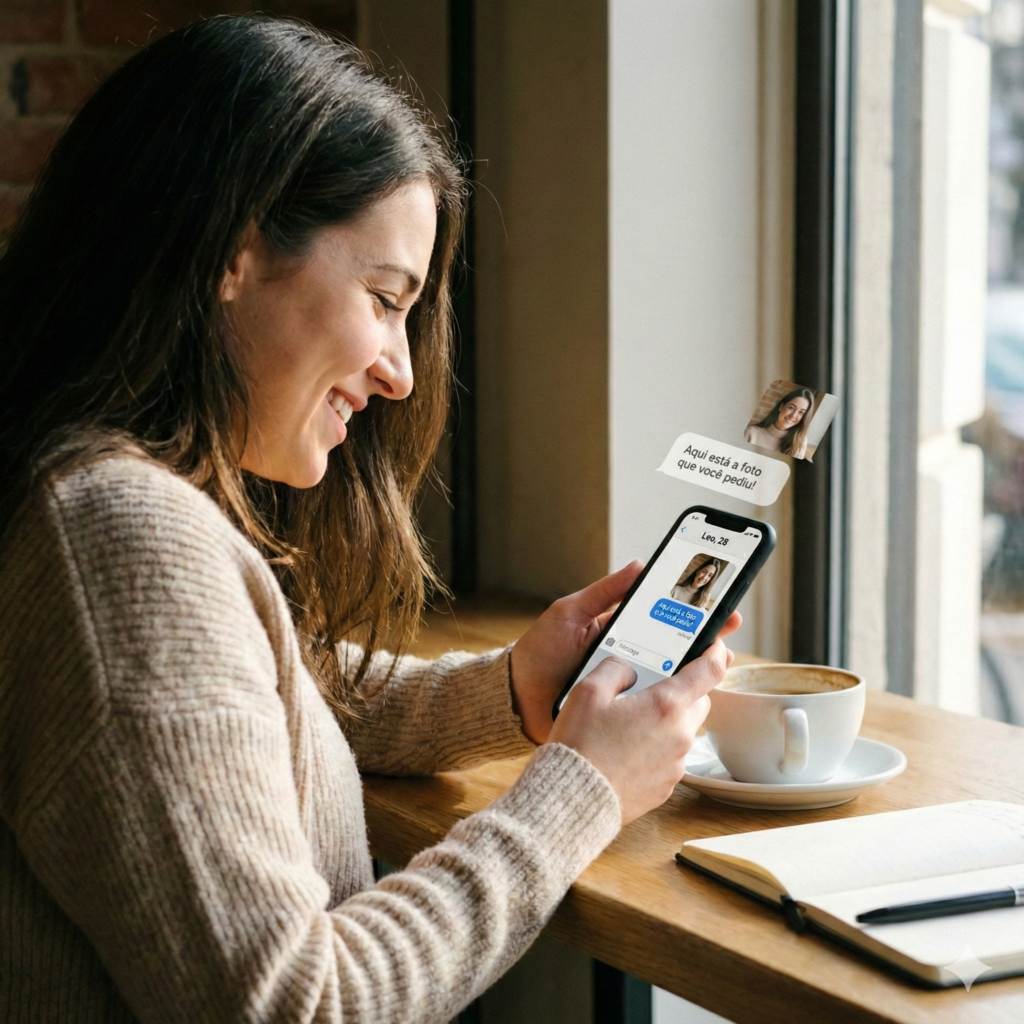
Privacy doesn’t end when you leave the house; it transforms into physical safety.
The “Public Place” Requirement
Never agree to a first date at a private residence or a secluded location. Choose a busy coffee shop, bar, or restaurant.
Share Your Live Location with a Friend
Before the date, tell a trusted friend where you are going and who you are meeting. Most smartphones now allow you to share your “Live Location” for a set period.
The “Google Voice” Trick
If you are on a date and feel uncomfortable, you can use a pre-scheduled “Emergency Call” app or ask a friend to call you at a specific time. This gives you a natural “exit” if your intuition tells you something is wrong.
Digital Hygiene After the Date: Managing Your Data Long-Term
Privacy is a continuous process. Even if a date goes well—or especially if it goes poorly—you need to manage your digital footprint.
-
Unmatching vs. Blocking: If a person makes you feel unsafe, block them. Most apps have a “Block and Report” feature that prevents them from seeing you again even if they create a new profile.
-
The Right to be Forgotten: If you decide to take a break from dating, don’t just delete the app from your phone. You must delete your account within the app’s settings. This forces the company (in accordance with laws like GDPR or CCPA) to remove your personal data from their active servers.
-
Reverse Image Search Yourself: Every few months, put your profile pictures into a reverse image search engine like TinEye or Google Lens. This allows you to see if your photos have been stolen and used by a “catfish” elsewhere.
Balancing Vulnerability and Security
In the world of 2026, dating requires a balance of being open enough to find love and guarded enough to stay safe. By implementing these privacy protocols—from managing metadata to using burner numbers—you aren’t closing yourself off; you are building a secure foundation that allows you to date with confidence.
Privacy is power. In the digital age, the person who controls their data is the person who is truly safe. Stay vigilant, trust your intuition, and remember that a “match” is just a stranger until they have proven they are worthy of your trust.