How to protect children from online predators
Learn how to increase children's safety in the online world

The digital world has become the primary playground for the next generation. From educational tools and creative outlets to social media and immersive gaming, children are more connected than ever. However, this increased connectivity brings a significant responsibility for parents and guardians. While the internet offers vast benefits, it is also a space where anonymous threats can lurk.
Protecting children from online predators is not about instilling fear; it is about providing them with the tools, knowledge, and boundaries they need to navigate the digital landscape safely. This guide provides a deep dive into understanding how predators operate, recognizing the warning signs of grooming, and implementing technical and behavioral safeguards to keep your family secure.
Understanding the Digital Landscape: How Online Predators Operate in 2026
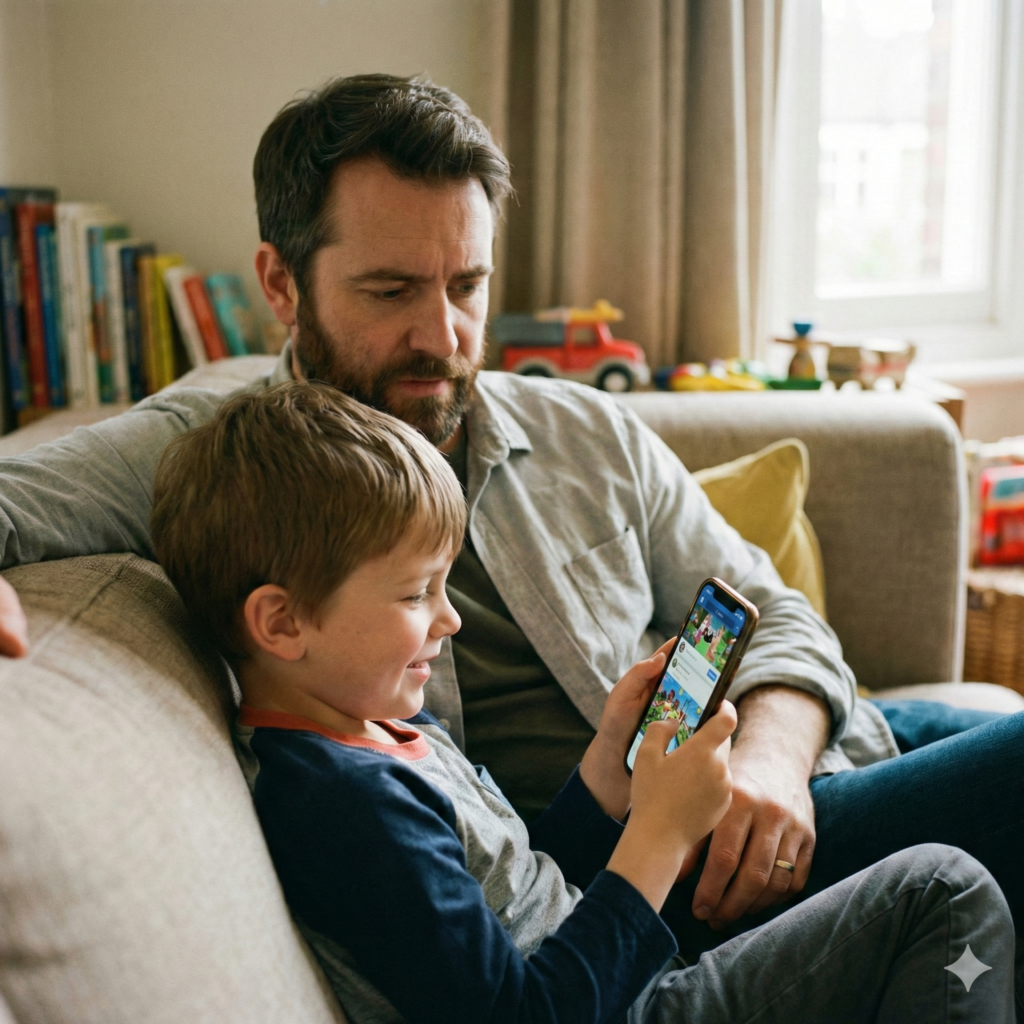
To effectively protect your child, you must first understand the enemy. Online predators are often master manipulators who use the anonymity of the internet to their advantage. They don’t always fit the “scary stranger” stereotype; in fact, they often present themselves as peers, mentors, or friendly gaming enthusiasts.
Predators seek out platforms where children are most active. They look for vulnerabilities—children who seem lonely, are going through a difficult time, or are simply seeking validation. By understanding that predators are patient and strategic, parents can better prepare their children for the subtle ways a stranger might try to initiate contact.
The Grooming Process: Recognizing the Subtle Stages of Manipulation
Grooming is a psychological process used by predators to build an emotional connection with a child, eventually lowering their inhibitions and isolating them from their support systems. Understanding these stages is the first step in prevention.
1. The Targeting Phase
Predators monitor social media hashtags, public profiles, and gaming lobbies to identify potential victims. They look for information like school names, sports teams, or emotional posts that give them a “way in.”
2. Gaining Trust and Friendship
The predator begins by being the child’s “best friend.” They may offer “skins” in a game, help with homework, or simply listen to the child’s problems. They often pretend to have the same interests, whether it’s a specific YouTuber, a hobby, or a style of music.
3. Filling a Need
If a child feels misunderstood at home or school, the predator positions themselves as the only person who “truly understands” them. They provide the validation and attention the child may be craving.
4. Isolation
This is a critical stage. The predator begins to drive a wedge between the child and their parents. They might say things like, “Your parents are too strict,” or “They wouldn’t understand our friendship; let’s keep this our little secret.”
5. Sexualization and Control
Once trust is established and the child is isolated, the predator moves toward sexualized conversation or requests for photos. They may use “sextortion” (threatening to share images) to maintain control over the child.
High-Risk Platforms: Where Children Are Most Vulnerable
While any corner of the internet can host bad actors, certain platforms require higher levels of vigilance due to their chat features and user demographics.
-
Online Gaming (Roblox, Minecraft, Fortnite): These platforms have integrated chat and voice features. Predators often use the shared goal of the game to build rapport.
-
Discord: Originally for gamers, Discord is now used for almost every interest. Its “servers” can be private, making it easier for predators to hide their interactions from public view.
-
TikTok and Instagram: The “Direct Message” (DM) features and the ability to comment on videos make these platforms hotspots for initial contact.
-
Live-Streaming Sites: Platforms like Twitch or YouTube Live allow for real-time interaction, where predators can use “donations” or “bits” to buy a child’s attention.
Critical Red Flags: Signs Your Child May Be Communicating with a Stranger
Since predators thrive on secrecy, parents must be observant of behavioral changes. These “red flags” do not always mean a predator is involved, but they are signs that a conversation is needed.
-
Extreme Privacy: If your child suddenly becomes very secretive with their devices, hides the screen when you walk by, or uses multiple “burner” accounts.
-
Unexplained Gifts: Receiving money, gift cards, electronics, or clothes from someone they claim not to know well in “real life.”
-
Withdrawal from Family: A sudden lack of interest in family activities or a noticeable distance from established friends.
-
Emotional Volatility: Becoming unusually angry, anxious, or depressed, especially after spending time online.
-
Sexual Knowledge: Using language or expressing knowledge of sexual topics that are inappropriate for their age.
Essential Technical Safeguards: A Guide to Parental Controls and Filtering

Technology can be a powerful ally in protecting your children. While it is not a replacement for communication, it acts as a vital safety net.
Use Dedicated Parental Control Software
Tools like Google Family Link, Apple Screen Time, or third-party apps like Bark and Qustodio allow you to:
-
Monitor which apps are being downloaded.
-
Set time limits for specific platforms.
-
Filter out adult content and high-risk websites.
-
Receive alerts for suspicious keywords in messages.
Network-Level Security
You can set up your home router to block specific categories of websites. Using a secure DNS (like Cloudflare for Families) can automatically filter out known malicious sites across every device connected to your Wi-Fi.
The Role of Privacy Settings: Securing Instagram, TikTok, and Roblox
Many parents assume that “private” means “safe,” but settings must be configured correctly to be effective.
Instagram and TikTok Safety
-
Private Account: Ensure the account is set to private so only approved followers can see content.
-
Restrict DMs: Set messaging to “Followers only” or “No one.”
-
Comment Filtering: Use the “Hidden Words” feature to automatically block comments containing inappropriate language.
Gaming Safety (Roblox/Discord)
-
Disable Voice Chat: For younger children, voice chat is often where the most grooming occurs. Disable it in the settings.
-
Turn off “Search by Email/Phone”: This prevents strangers who may have found your child’s info elsewhere from finding their gaming profile.
-
Server Verification: On Discord, ensure your child only joins servers with strict moderation and verification rules.
Building Digital Resilience: Communication Strategies for Parents
The most effective “firewall” is an open line of communication. If your child is afraid that you will take their phone away, they will never tell you if something goes wrong.
Start the Conversation Early
Talk about “online strangers” in the same way you talk about “street safety.” Explain that people online may not be who they say they are.
Use the “No-Punishment” Rule
Make a pact with your child: “If you ever see something that makes you uncomfortable, or if someone asks you for a photo or a secret, you can come to me. I promise I won’t get mad and I won’t take your phone away. We will figure it out together.”
Educate on the “Digital Footprint”
Teach children that once a photo or message is sent, they lose control of it forever. Even “disappearing” messages on Snapchat can be screenshotted.
Creating a Family Media Plan: Establishing Healthy Digital Boundaries

A Family Media Plan is a written agreement that outlines how technology is used in the house. This removes the “guessing game” and sets clear expectations.
-
Device-Free Zones: No phones at the dinner table or in bedrooms after a certain hour.
-
Charging Station: All devices are charged in a central location (like the kitchen) at night.
-
Open Door Policy: When gaming or browsing, doors should remain open or screens should be visible to others in the room.
-
App Approval: Parents must approve every new app download, allowing for a conversation about the app’s safety features before it’s installed.
What to Do in an Emergency: Reporting and Seeking Help
If you discover that your child is being targeted by a predator, stay calm. Your child’s safety and emotional well-being are the priority.
-
Document Everything: Take screenshots of the messages, the predator’s profile, and any photos sent. Do not delete the evidence.
-
Cease Communication: Block the predator immediately. Do not attempt to “confront” them yourself, as this can alert them to delete their trail.
-
Report to the Platform: Use the internal reporting tools of the app or game.
-
Contact Law Enforcement: In the United States, you can report online enticement to the CyberTipline (National Center for Missing & Exploited Children – NCMEC) at
report.cybertip.org. -
Seek Professional Support: A child psychologist or counselor specializing in digital trauma can help your child process the experience and rebuild their sense of safety.
Empowering the Next Generation of Digital Citizens
Protecting children from online predators is a marathon, not a sprint. As technology evolves—with the rise of AI-generated content and deepfakes—the tactics of predators will also shift. However, the core principles of safety remain the same: vigilance, communication, and education.
By staying involved in your child’s digital life and fostering an environment of trust, you aren’t just protecting them from a single threat; you are raising a savvy, resilient digital citizen who is prepared for the challenges of the 21st century.