Everyday Culinary Tips to Cook with Confidence (And One Easy Dish Everyone Should Know)
Simple, effective kitchen advice to improve your cooking skills an
Cooking at home is more than just preparing food—it is a daily opportunity to care for yourself, explore creativity, and develop a valuable life skill. Yet, many people feel insecure in the kitchen, believing that good cooking requires professional training, expensive tools, or complicated recipes.
In reality, great cooking is built on simple principles. Understanding ingredients, organizing your worksp

1. Start with Good Ingredients
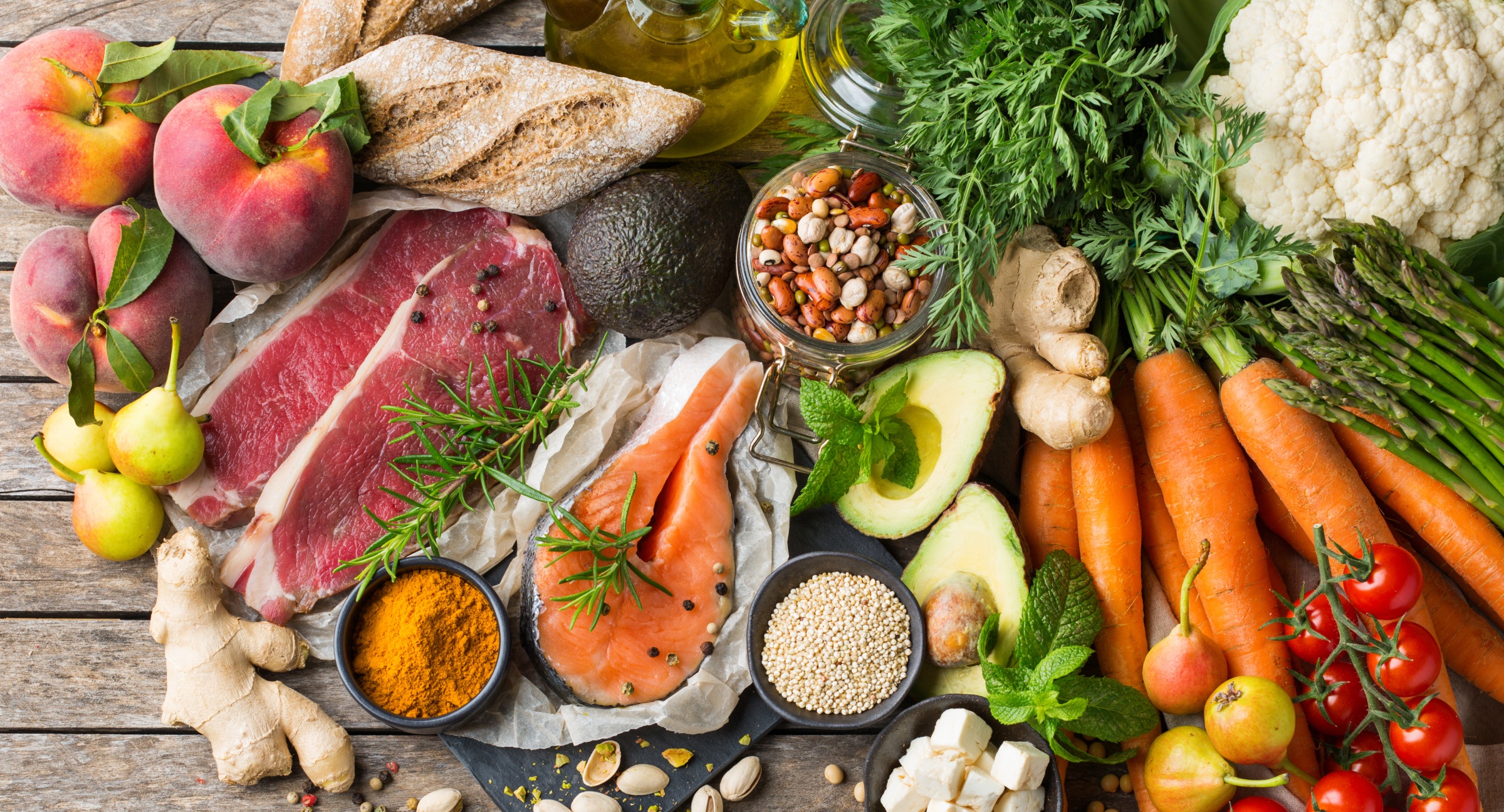


Good cooking always begins with good ingredients. No technique can fully compensate for poor-quality food.
Tips for Choosing Ingredients
-
Buy fresh, seasonal produce whenever possible
-
Choose vegetables with vibrant color and firm texture
-
Use fresh herbs instead of dried when available
-
Select good-quality oils, butter, and spices
Fresh ingredients naturally enhance flavor and reduce the need for heavy seasoning.
2. Organize Before You Cook
One of the most important habits in the kitchen is organization. Preparing ingredients before turning on the stove makes cooking smoother and more enjoyable.
Why Organization Matters
-
Prevents burning or overcooking
-
Reduces stress and mistakes
-
Helps you focus on technique
Chopping, measuring, and arranging ingredients in advance saves time and improves confidence.
3. Improve Your Knife Skills
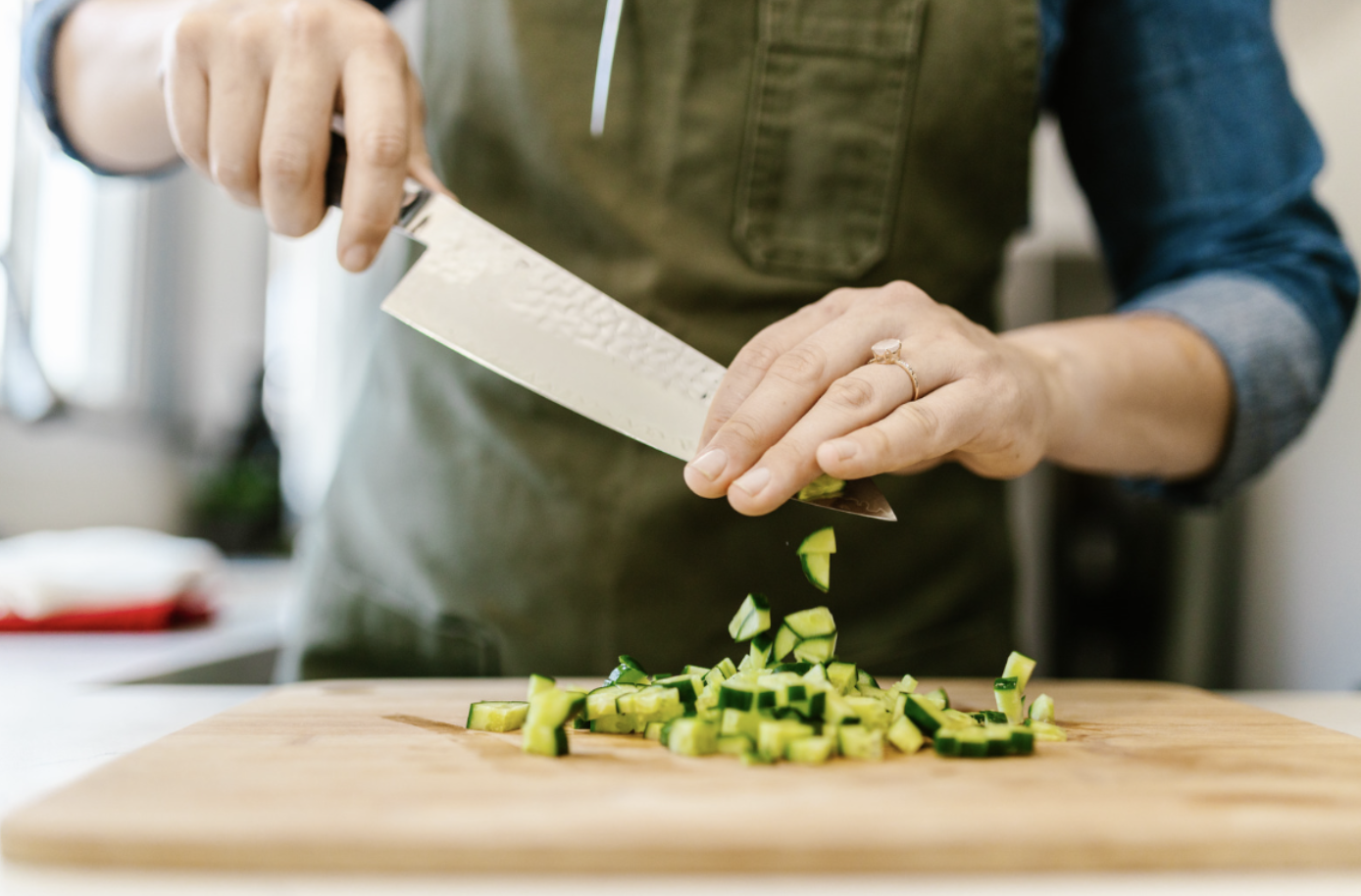
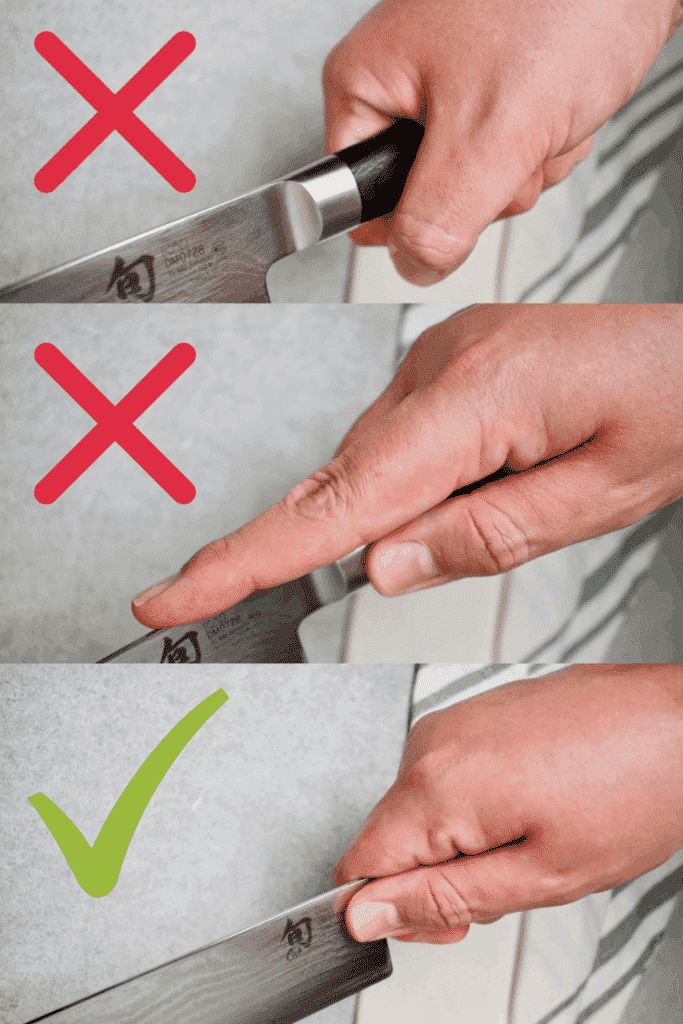
Using a sharp knife correctly improves both safety and cooking results.
Basic Knife Tips
-
Keep your knife sharp
-
Cut ingredients into similar sizes
-
Use the right knife for each task
-
Keep your cutting board stable
Even cuts cook more evenly and make dishes look more professional.
4. Learn to Control Heat
Many cooking mistakes happen because of poor heat control.
Understanding Heat Levels
-
Low heat: sauces, melting, slow cooking
-
Medium heat: sautéing and frying
-
High heat: searing and boiling
Always preheat your pan before adding ingredients, especially meat or fish.
5. Season Correctly and Taste Often
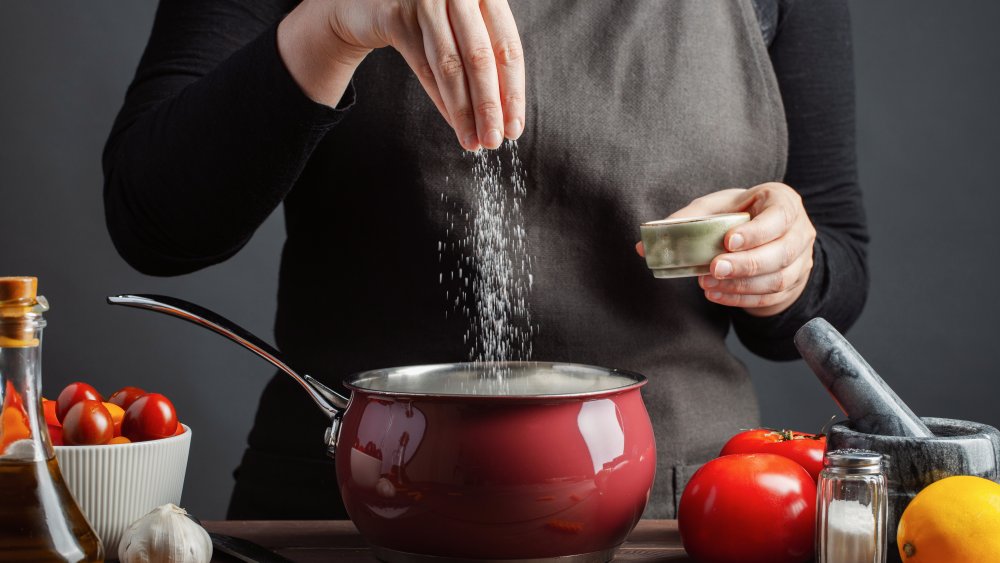
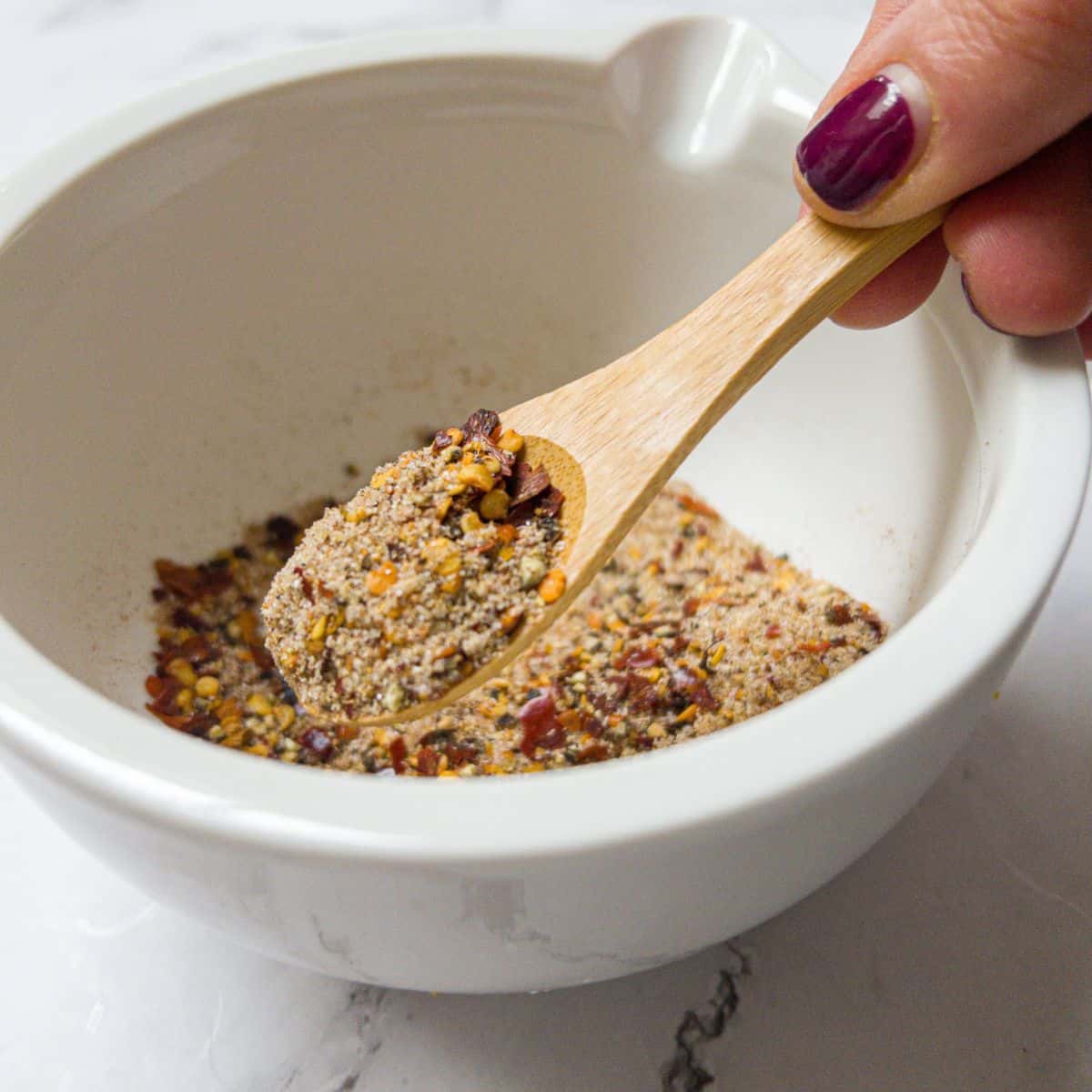

Seasoning is essential, but it should be done with care.
Seasoning Tips
-
Season little by little
-
Taste food throughout the cooking process
-
Use salt to enhance natural flavors
-
Balance salt with acidity, such as lemon or vinegar
Well-seasoned food tastes complete, not overpowering.
6. Respect Cooking Time
Rushing food often leads to disappointing results.
Important Timing Habits
-
Do not overcrowd the pan
-
Allow food to brown properly
-
Let cooked meat rest before serving
Patience allows flavors and textures to develop fully.
7. Treat Vegetables with Care

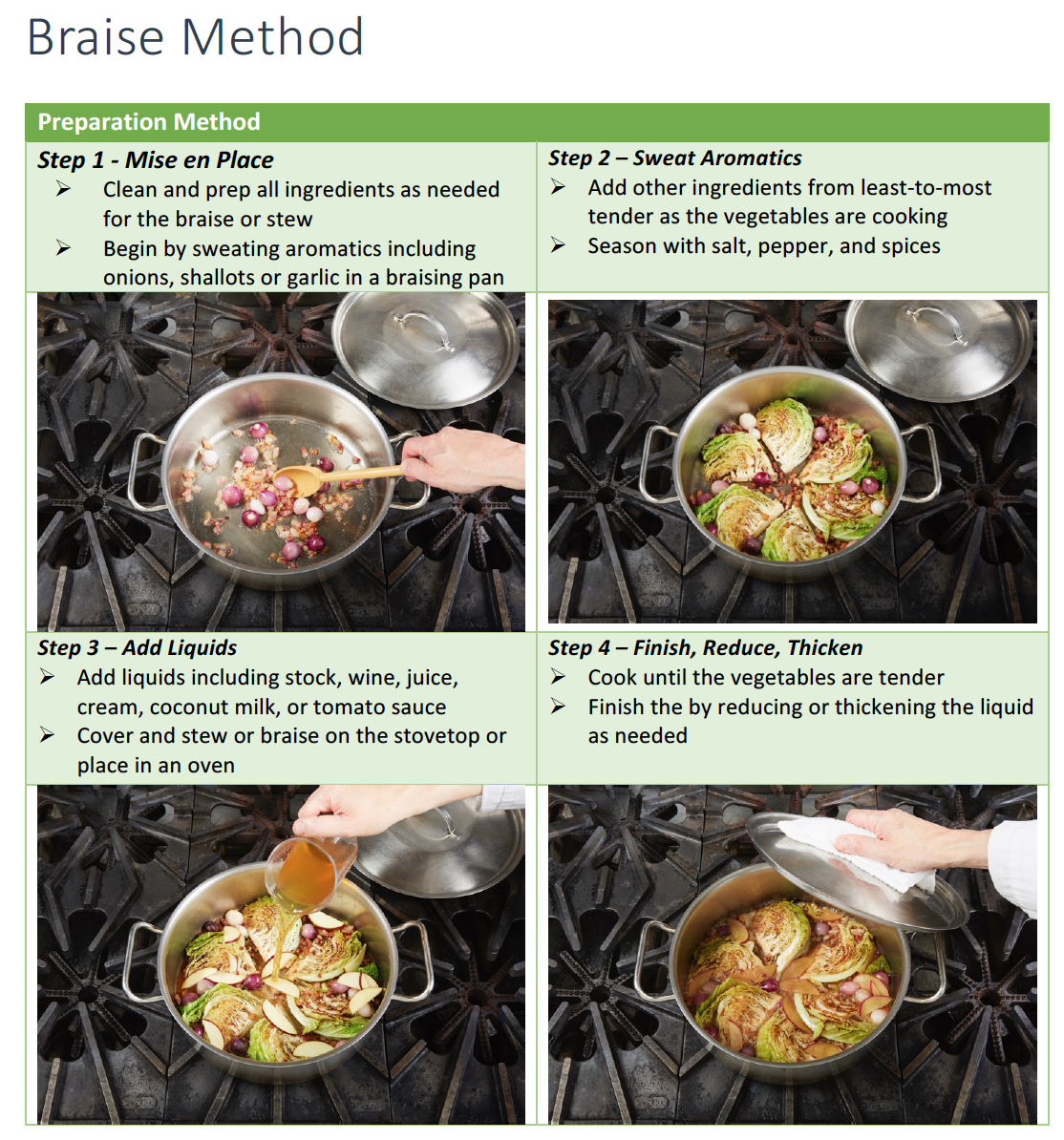
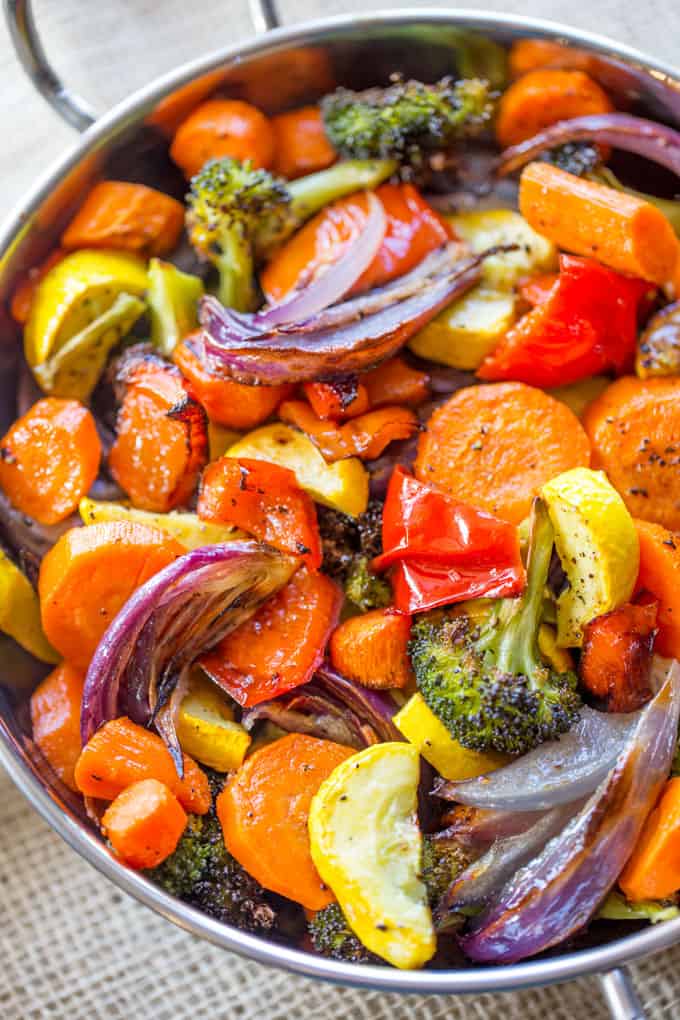
Vegetables should be flavorful, colorful, and well-textured.
Vegetable Cooking Tips
-
Roast vegetables to bring out natural sweetness
-
Avoid boiling when possible
-
Use olive oil, herbs, and spices
-
Keep vegetables slightly crisp
When prepared well, vegetables can be the highlight of a meal.
8. Clean as You Cook
Keeping your kitchen tidy during cooking makes the process more pleasant.
-
Wash utensils while food cooks
-
Wipe surfaces regularly
-
Organize used tools
This habit saves time and reduces stress after the meal.
9. Presentation Makes a Difference
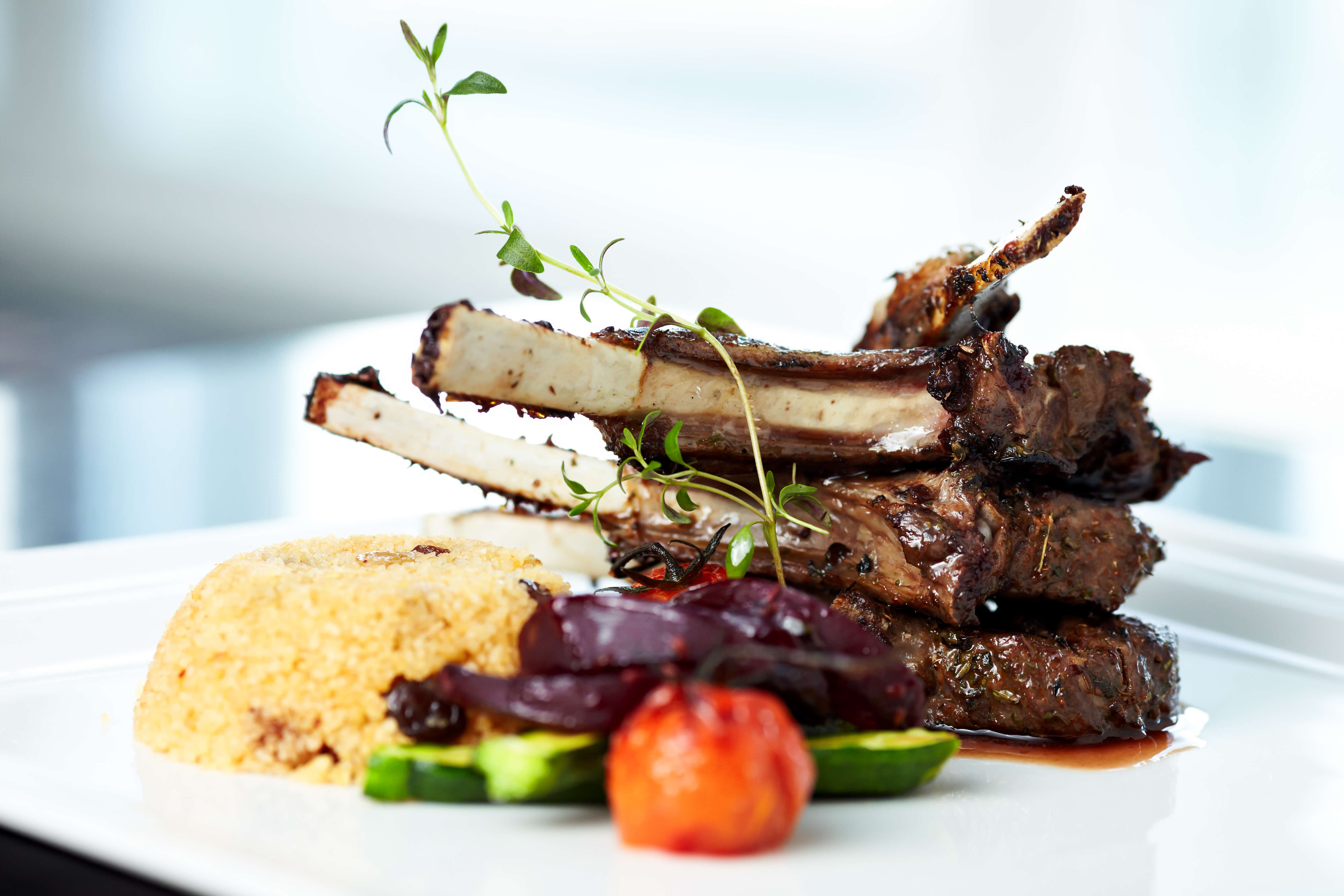
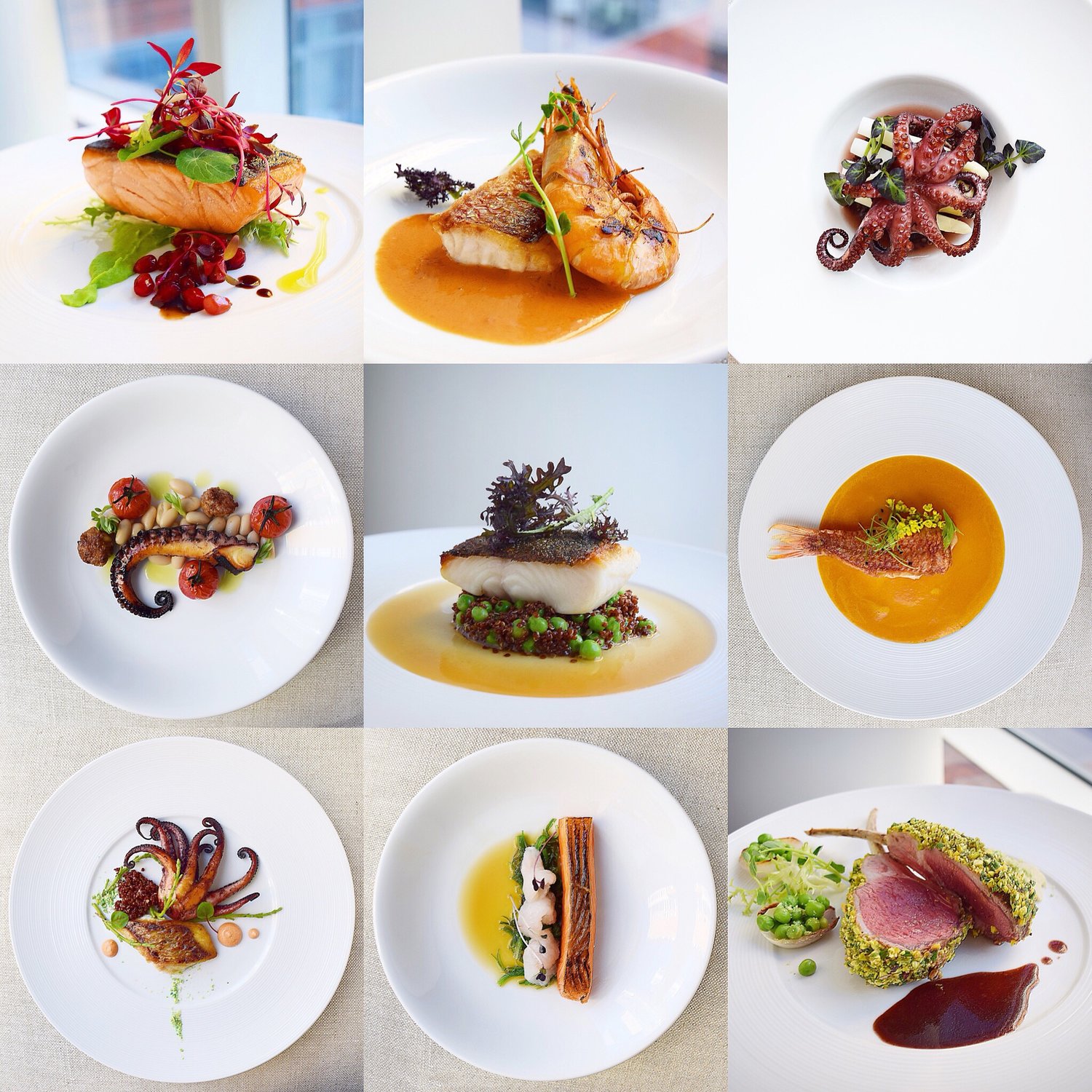
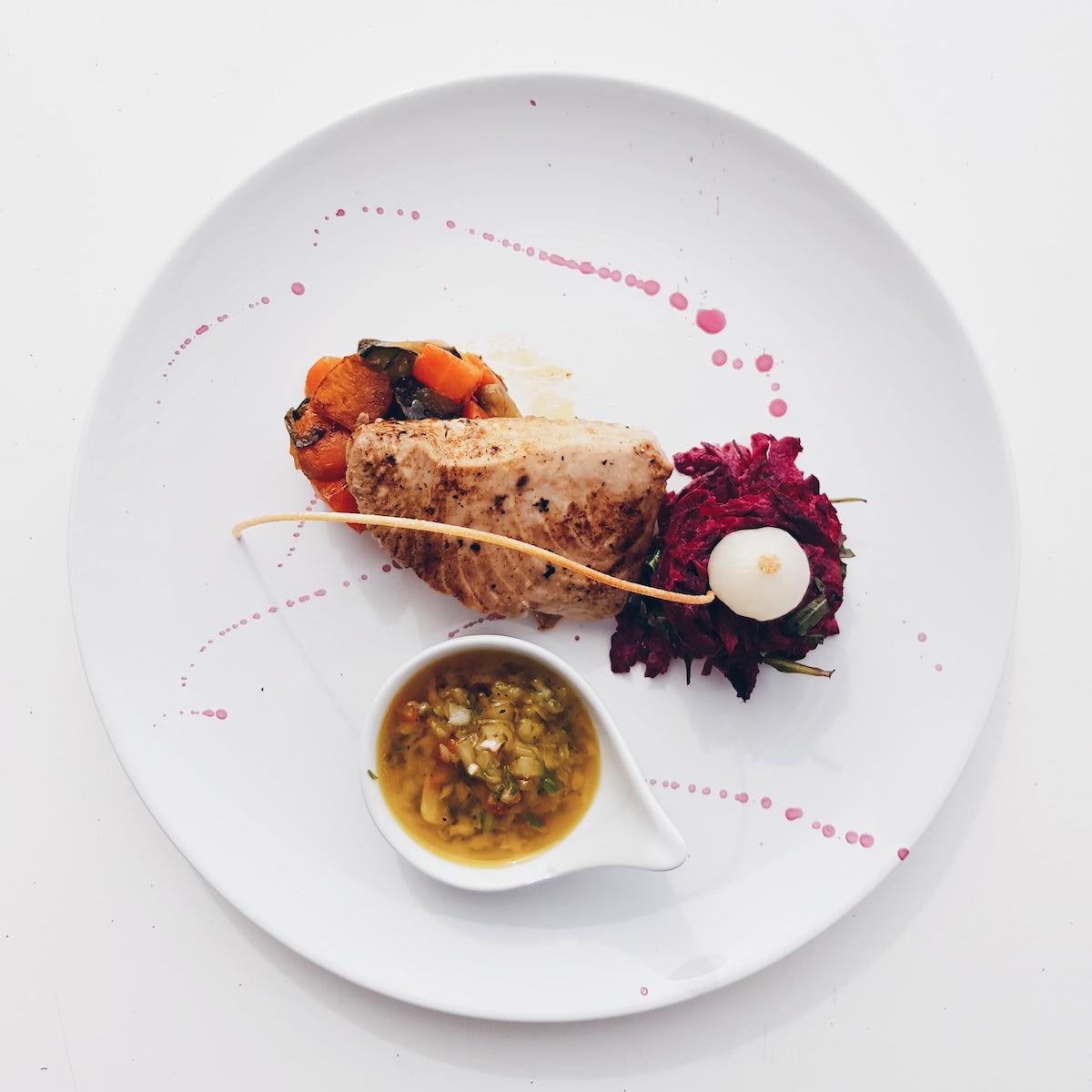
A well-presented dish feels more satisfying.
Simple Plating Tips
-
Use clean plates
-
Avoid overcrowding
-
Add color with herbs or vegetables
Presentation enhances the overall dining experience.
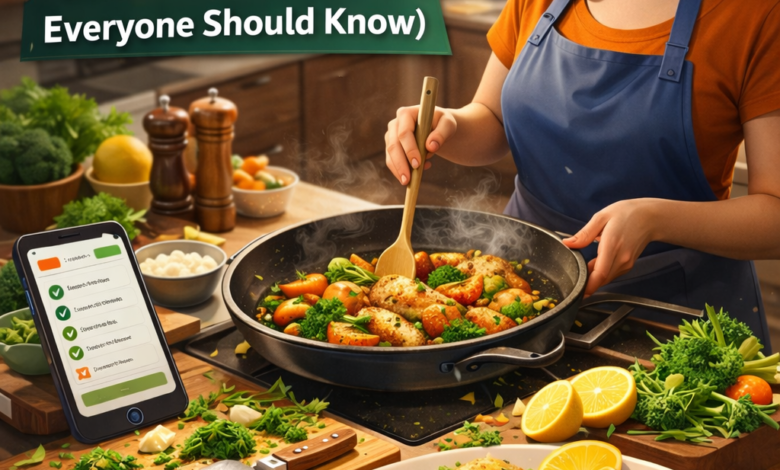
10. Featured Dish Tip: Garlic Lemon Chicken with Roasted Vegetables


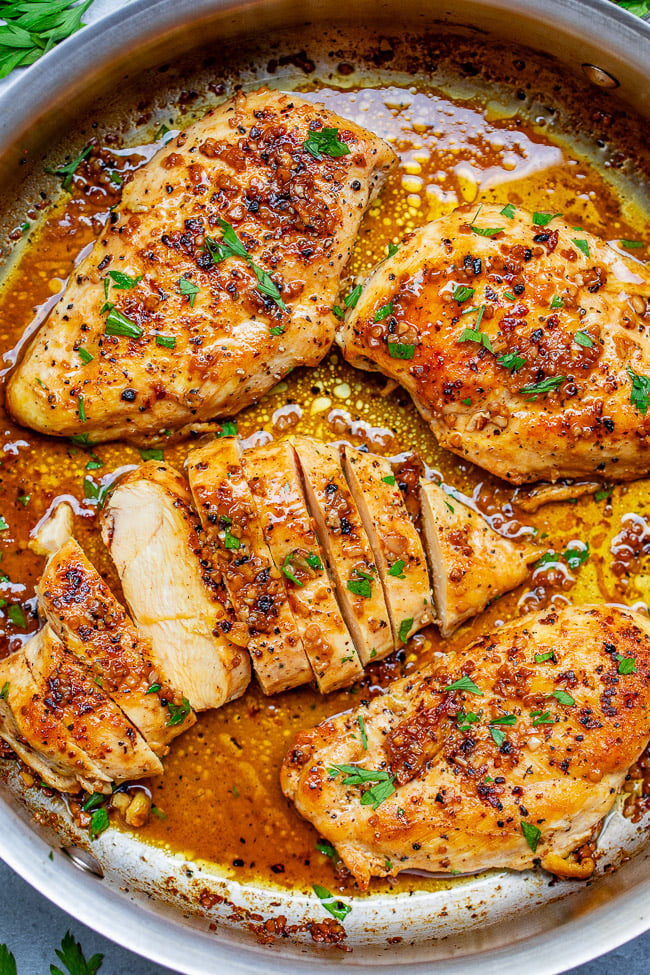
To put these culinary tips into practice, this dish is an excellent starting point.
Why This Dish Is Ideal
-
Uses simple, accessible ingredients
-
Teaches seasoning and heat control
-
Combines protein and vegetables
-
Suitable for beginners
Cooking Tips for This Dish
-
Season the chicken evenly with salt, pepper, and garlic
-
Preheat the pan before cooking the chicken
-
Roast vegetables separately for better texture
-
Finish with fresh lemon juice and herbs
This dish is healthy, versatile, and perfect for everyday meals.
11. Build Confidence Through Practice
Cooking confidence develops over time.
Ways to Improve
-
Cook regularly
-
Experiment with small changes
-
Learn from mistakes
-
Trust your sense of taste
Every meal is a learning experience.
12. Healthy Cooking Can Still Be Delicious


Healthy cooking does not mean sacrificing flavor.
Healthy Cooking Tips
-
Use natural fats in moderation
-
Reduce processed foods
-
Focus on whole ingredients
-
Control portion sizes
Balance is the key to long-term healthy eating.
Conclusion
Good cooking is not about complexity or perfection—it is about attention, care, and understanding basic techniques. By focusing on ingredient quality, organization, heat control, and seasoning, anyone can improve their cooking skills.
Dishes like garlic lemon chicken with roasted vegetables show how simple techniques can create satisfying, flavorful meals. With practice and patience, cooking becomes not only easier but more enjoyable.
Every meal is an opportunity to grow in confidence, creativity, and comfort in the kitchen.