Are verified profiles really more secure?
Does having a verified profile increase security?
In the modern digital dating landscape, that little blue checkmark has become one of the most sought-after symbols. Whether you are browsing through Tinder, Bumble, or Hinge, seeing a “Verified” badge next to a match’s name often brings an immediate sense of relief. It feels like a stamp of approval, a guarantee that the person you are talking to is exactly who they claim to be.
But as we move through 2026, the technology used by both dating platforms and cybercriminals has reached new heights of sophistication. While verification is a powerful tool in the fight against digital deception, it is not an invincible shield.
Is a verified profile actually safer, or is it creating a false sense of security that hackers are now exploiting? In this comprehensive guide, we will pull back the curtain on how dating app verification works, the ways it can be bypassed, and how you can stay truly secure in the age of AI.
What Does “Verified” Actually Mean on a Dating App?
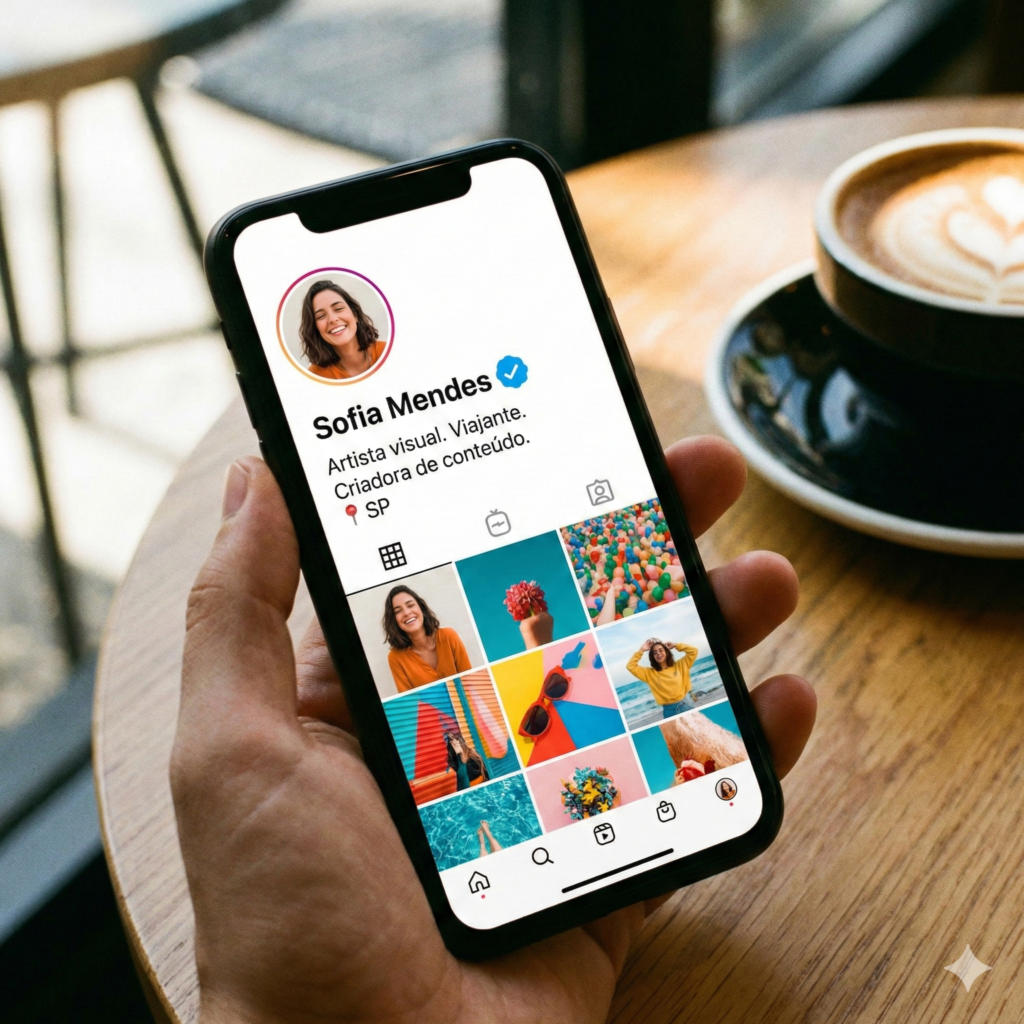
Before we can judge its safety, we need to understand the mechanics. On most major platforms, verification is not a background check or a vetting of a person’s character. Instead, it is a technical confirmation of identity.
The Mechanics of Photo Verification
Most apps use a process called “Selfie Verification.” The app asks the user to take a real-time photo or video while performing a specific gesture (like touching their nose or tilting their head). The app’s AI then compares this “liveness” scan with the photos already uploaded to the profile. If the biometric data matches, the user gets the checkmark.
The Rise of ID-Based Verification
In 2026, many premium platforms have shifted toward ID Verification. This requires users to upload a photo of a government-issued ID (like a driver’s license or passport). The app’s system verifies the authenticity of the document and ensures the name and age match the profile. This is a significantly higher bar than simple photo verification.
The Benefits: Why Verified Profiles ARE a Step Up for Safety
It would be wrong to say that verification is useless. In fact, it is the first and most effective line of defense against several common online threats.
-
Eliminating Basic Catfishing: The primary goal of verification is to ensure the person in the photos is the person behind the phone. This makes it much harder for someone to use a celebrity’s or an influencer’s stolen photos to lure victims.
-
Reducing Bot Volume: Automated bots—designed to spread spam or malware—struggle with “liveness” tests. Verification helps clean the “digital pool,” ensuring you are interacting with actual humans.
-
Accountability: Knowing that a platform has a verified record of a user’s biometrics or ID acts as a deterrent for low-level harassers. They know they are less anonymous, which can lead to better behavior.
The False Sense of Security: Why the Checkmark Can Be Dangerous
The biggest threat to your safety isn’t the lack of a checkmark; it is the over-reliance on one. Cybercriminals thrive on the trust that verification creates. If you see a verified badge, you might lower your guard, share personal information sooner, or skip vital safety steps.
1. The “Verified” Romance Scam
Professional scammers have learned that a verified account is a “high-value asset.” They will go to great lengths to obtain one. Once they have a verified profile, they can execute “Pig Butchering” or investment scams with a much higher success rate because the victim’s initial skepticism has been neutralized by the blue checkmark.
2. Account Takeovers (ATO)
A profile can be verified today and hacked tomorrow. If a scammer gains access to a legitimate user’s verified account via a phishing attack or credential stuffing, they inherit that “Verified” status. You might think you are talking to the verified owner, but you are actually talking to a criminal who has hijacked their digital identity.
3. Verification Doesn’t Equal Vetting
This is the most critical point for laypeople to understand: Verification confirms identity, not intent. A person can be exactly who they say they are and still be a harasser, a scammer, or a dangerous individual. A blue checkmark does not check for a criminal record, history of domestic violence, or financial stability.
How Scammers Bypass Verification in 2026: The AI Factor
As technology evolves, so do the methods used to trick it. In 2026, we are seeing new, advanced ways that verification systems are being challenged.
| Tactic | How it Works | The Risk to You |
| Deepfake Liveness | Using AI to “mask” a face during the selfie verification gesture. | The person looks like the photo, but it’s an AI overlay. |
| Verified Account Markets | Scammers buy legitimate, verified accounts from real people for a few hundred dollars. | You’re talking to a scammer using a “purchased” identity. |
| The “Bait and Switch” | Verifying with a real photo, then changing all other photos to a different person later. | The app may not re-verify immediately, leaving a “verified” tag on a fake. |
Comparing Verification Across Popular Apps
If you are looking for the safest experience, it helps to know which platforms are leading the charge in security innovation.
Tinder and the “Blue Checkmark”
Tinder has invested heavily in “Photo Verification.” They have recently added “ID+Photo Verification,” which is their gold standard. If you see a user with the ID+Photo badge, the level of trust is significantly higher than a standard photo-only check.
Bumble and the “Verify” Request
Bumble allows users to request that their matches verify themselves before continuing a conversation. This is a powerful “consent-first” tool that empowers users to demand transparency.
Hinge and “Selfie Video”
Hinge utilizes video-based verification, which is much harder to fake with static AI tools. By requiring motion and depth, they provide one of the more robust biometric checks in the industry.
Digital Red Flags: Even if They Are Verified, Watch Out For…
A checkmark should never be the end of your safety protocol. You must still look for behavioral red flags that indicate a “Verified” person might have malicious intent.
-
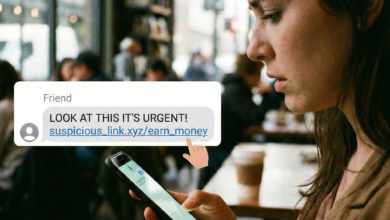
The Rapid Move to WhatsApp: If a verified user wants to leave the dating app within the first five minutes, be careful. They are trying to move you away from the app’s safety filters.
-
Inconsistent Stories: Does their “verified” age match the way they talk? Does their “verified” location change suddenly?
-
The Financial Ask: No matter how “verified” someone is, the moment they mention crypto, emergency money, or “exclusive investment opportunities,” it is a scam.
-
Refusal to Video Call: If they are “Verified” by the app but refuse to do a live video call with you, it’s a sign that the verification might be old, faked, or the account has been hijacked.
How to Protect Yourself: A 2026 Safety Framework
Instead of asking “Is this person verified?”, start asking “Is this person vouchable?” Follow this framework for every new match:
-
Treat the Checkmark as a “Soft Yes”: Use it as a reason to start a conversation, but not a reason to share your address or phone number.
-
Verify the Verification: Perform a quick Google Lens search. If the “verified” person’s photos appear on a stock photo site or a famous person’s Instagram, report them immediately.
-
Use In-App Video Calls: Before meeting in person, use the dating app’s built-in video call feature. This proves the person is in possession of the phone and matches the profile in real-time.
-
Keep Your Data Private: Your workplace, home address, and financial status should remain private until you have met in person multiple times in a public setting.
The Checkmark is a Tool, Not a Guarantee
So, are verified profiles really safer? Yes, they are safer than unverified profiles, but they are not “safe” in an absolute sense.
Verification is a vital hurdle that filters out the “low-effort” scammers and bots. It shows that the platform is taking steps to protect its community. However, the most sophisticated threats—the professional romance scammers and identity thieves—know how to play the system.
Your best security tool is not a blue checkmark provided by an app; it is your own intuition and your commitment to digital hygiene. Stay skeptical, stay observant, and remember that real trust is built over time, not granted by an algorithm.