7 signs to watch out for on dating apps
Learn the main warning signs you should be aware of when using a dating app
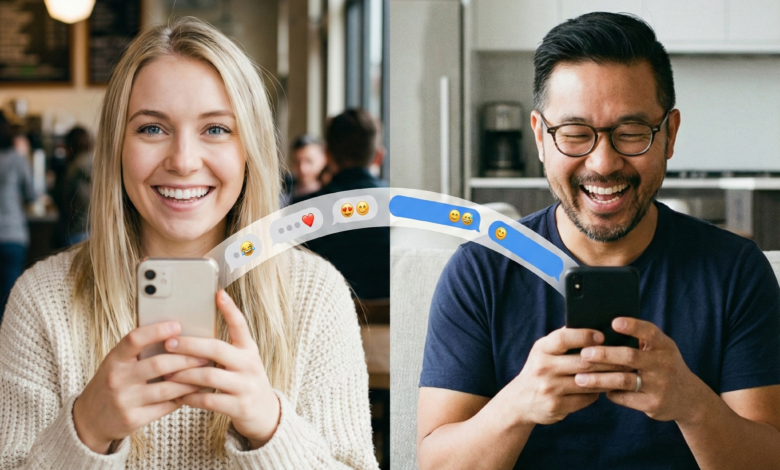
The world of online dating has transformed the way we find love, offering a gateway to meet people we might never have encountered in our daily lives. From local matches to the complex beauty of a long-distance relationship, dating apps have bridged the gap between hearts. However, as the digital landscape evolves in 2026, so do the risks. While most users are genuine, it is essential to navigate these platforms with a healthy dose of skepticism.
Understanding the “red flags” or warning signs isn’t about being cynical; it’s about being empowered. Whether you are using mainstream apps like Tinder and Bumble or specialized “couple apps” for long-distance maintenance, staying safe is the first step toward finding a healthy connection. In this extensive guide, we will break down the seven critical signs you should watch out for on dating apps to protect your heart, your time, and your security.
1. The “Too Good to Be True” Profile: Spotting the Professional Scammer
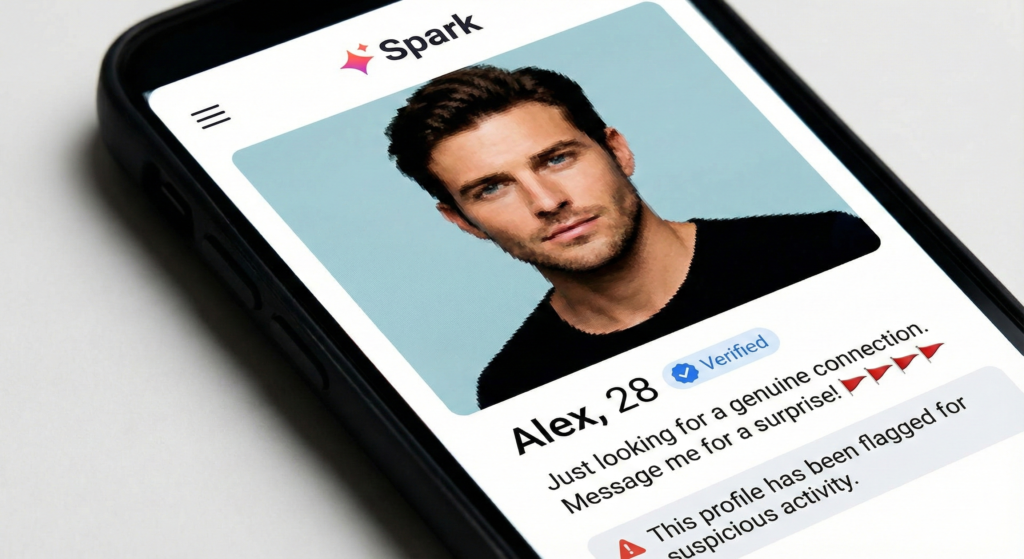
We’ve all seen them: the profile that looks like it stepped off a high-fashion runway or a billionaire’s yacht. While attractive people certainly use dating apps, scammers often use highly curated, professional-looking photos to lure victims into a false sense of awe.
Why It’s a Red Flag
In the era of AI-generated imagery and high-end stock photography, it is easier than ever to fabricate a life of luxury. If a person’s photos look overly polished—devoid of “normal” life snapshots like a messy room, a candid laugh with friends, or a grainy selfie—they might be using a stolen identity.
How to Spot a Fake Dating Profile
Scammers often use “lifestyle” photos that don’t match the location they claim to be in. If their bio says they are in New York, but the background shows palm trees and European architecture in every shot, proceed with caution. Always use a reverse image search to see if their photos appear on stock websites or other social media accounts under different names.
2. Refusal to Video Call: The Ultimate Catfish Warning Sign
In 2026, there is no technical excuse for someone to avoid a video call. Every smartphone has a front-facing camera, and every major dating app has integrated video calling features.
Why It’s a Red Flag
If you have been talking for more than a week and they constantly make excuses about why they can’t hop on a 5-minute FaceTime or Zoom call, they are hiding something. They might be “catfishing” (using someone else’s photos), or they might be in a committed relationship and only able to text when their partner isn’t around.
Breaking the Digital Barrier
A video call is a “vibe check.” It confirms that the person matches their photos and allows you to see their mannerisms and hearing their voice. If they claim their “camera is broken” or they are “too shy,” it’s a sign that the relationship may never move beyond the screen. Genuine people who are serious about a connection will make the effort to show their face.
3. Love Bombing and Rapid Escalation: When It Moves Too Fast
It feels incredible when someone showers you with compliments and tells you that you’re “the one” after just three days of texting. This is known as Love Bombing, and it is one of the most dangerous psychological red flags in the “app” world.
Why It’s a Red Flag
Love bombing is a tactic often used by narcissists or scammers to create an intense emotional bond very quickly. By making you feel like the center of the universe, they lower your defenses. Once you are emotionally invested, they may begin to manipulate or control you.
Identifying Love Bombing in Online Dating
Watch out for phrases like:
-
“I’ve never felt this way about anyone before.”
-
“We are soulmates; I can feel it.”
-
“I want to take you on a luxury vacation next month.”
Healthy relationships require time to grow. If someone is planning your wedding before they even know your middle name, take a big step back.
4. Vagueness and Inconsistency: The Mystery of the Secret Life
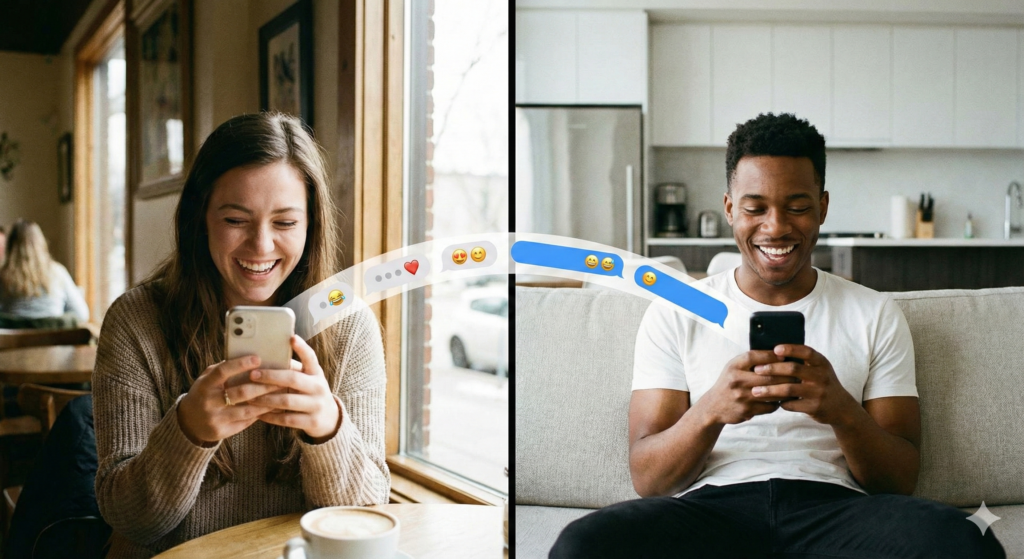
Consistency is the foundation of trust. If your match is an open book one day and a total enigma the next, take note.
Why It’s a Red Flag
Does the person disappear for entire weekends without a word? Do they refuse to tell you exactly what they do for a living or where they live? While privacy is important in the early stages, total vagueness is often a sign of “breadcrumbing”—giving you just enough attention to keep you interested while they pursue others or hide a secret life.
The Importance of “Digital Footprints”
In a world where we are all connected, a total lack of a digital footprint can also be a sign of a fake persona. While some people are private, most genuine users will eventually share a social media handle or a LinkedIn profile to verify their identity. If their stories don’t add up or they constantly contradict themselves, trust your gut.
5. Asking for Money or Financial Advice: The Hardest Red Flag
This should be the most obvious sign, yet “romance scams” continue to steal billions of dollars globally every year.
Why It’s a Red Flag
A stranger you met on a dating app should never ask you for money, regardless of the “emergency.” Common scripts include:
-
“I’m stuck at an airport and my credit card was frozen.”
-
“My child needs urgent surgery and I’m short on cash.”
-
“I have a great crypto investment opportunity for you.”
Dating App Financial Scams
Scammers are increasingly moving toward “Pig Butchering” scams—where they build a romantic connection over weeks and then “help” you invest in a fake cryptocurrency platform. If someone mentions “investments,” “crypto,” or “loans” within the first month of talking, block them immediately.
6. Pushing to Move Off-App Immediately
Dating apps like Tinder, Hinge, and Bumble spend millions of dollars on safety features, including moderation bots and reporting tools. Scammers want to get you away from these protections as quickly as possible.
Why It’s a Red Flag
If their second message is, “I hate this app, let’s talk on WhatsApp/Telegram,” be wary. Moving to a private messaging app gives them access to your phone number and removes the “Report” button that could get their profile banned.
Best Practice for App Safety
Stay on the dating app until you have at least had a video call or a first date. Once you feel a genuine sense of trust, then you can share your personal contact information. If they insist on moving to a platform like Telegram (which allows for disappearing messages), it is a major warning sign that they want to leave no trace of your conversation.
7. Negativity and Bitter Language in the Bio
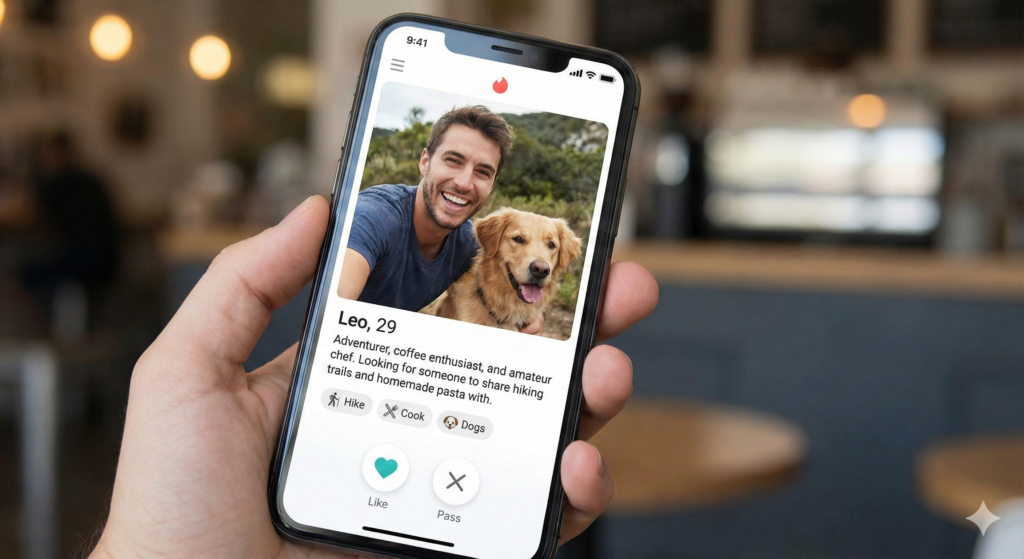
Sometimes, the red flags aren’t about safety, but about emotional maturity. A person’s bio is their “storefront.” If they use that space to be negative, it’s a sign of what’s to come.
Why It’s a Red Flag
Have you seen bios that say: “No drama,” “Tired of the games,” or “Don’t swipe if you’re just going to ghost me”? While these sentiments are understandable, putting them in a bio signals that the person is still carrying baggage from past relationships. They are focusing on what they don’t want rather than what they do want.
Attracting the Right Person
A positive, hobby-focused bio attracts high-quality matches. A bitter, rule-heavy bio usually attracts people with similar low energy or drives away healthy partners who don’t want to be “punished” for the mistakes of your exes.
Long-Distance Relationships: Specific Signs to Watch For
When a relationship moves into the “long-distance” category, the signs of trouble change slightly. In a long-distance relationship (LDR), communication is everything.
-
The “Future Faking” Sign: They talk endlessly about moving to your city but never take concrete steps to find a job or look at apartments.
-
Refusal to Share Locations: In an LDR, sharing your location via a “couple app” like Between or Paired is often a way to build trust. If they are hyper-protective of their whereabouts, they might not be where they say they are.
-
Inconsistent Time Zones: If they say they are in London but are always awake and texting when it’s 3 AM in the UK, they are likely lying about their location.
How to Handle “Ghosting” and “Orbiting”
Not every bad sign is a scam; some are just poor social skills.
-
Ghosting: When someone disappears completely. It’s a sign of a lack of communication skills.
-
Orbiting: When they stop replying to your texts but continue to “like” your Instagram photos. This is a red flag for “attention seeking.” They want the ego boost of your attention without the work of a relationship.
If you encounter these behaviors, the best response is no response. Reclaim your energy and move on to someone who values your time.
The Role of “Couple Apps” in Relationship Security
Once you have navigated the dating app phase and decided to become exclusive, moving to a dedicated “couple app” can actually enhance your security and connection. Apps like Paired or Couply allow you to answer daily questions and share milestones in a private, encrypted space.
This transition serves as a “Green Flag.” A partner who is willing to join a couple-specific app is signaling their commitment to the relationship. It is a digital way of “taking the relationship to the next level.”
Safe Dating Checklist: Before You Meet in Person
If you’ve avoided the red flags and are ready for a first date, follow these non-negotiable safety rules:
-
Meet in Public: Never go to their house or invite them to yours for the first meeting.
-
Tell a Friend: Share your “Live Location” with a trusted friend.
-
No Drinking on the First Date: Keep your wits about you so you can accurately judge their personality.
-
Have Your Own Transportation: Don’t let them pick you up; ensure you have a way to leave whenever you want.
Trust Your Instincts Above All Else
Dating apps are a tool, and like any tool, they require skill to use effectively. By staying alert to these seven signs—from the “too good to be true” profile to the push for financial help—you create a shield around your emotional well-being.
The most powerful tool you have isn’t an algorithm; it’s your intuition. If something feels “off,” it probably is. Don’t be afraid to unmatch, block, and report. Your goal is to find a partner who respects your boundaries, communicates with consistency, and makes you feel safe.
Love is a journey, and with these safety tips in mind, you are ready to navigate the digital road ahead with confidence.