Understand how people lose money on dating apps
Learn how people fall victim to scams on dating apps

Dating apps have transformed from niche platforms into the primary way people meet in the 2020s. While they offer a world of opportunity for romance, they have also become a high-tech hunting ground for financial predators. In 2026, cybercriminals are no longer just sending “Nigerian Prince” emails; they are using Artificial Intelligence, deepfakes, and sophisticated psychological grooming to drain bank accounts.
Understanding how these scams work is the first step toward protecting your heart and your wallet. This comprehensive guide explores the most prevalent financial traps on dating apps today and provides actionable strategies to stay secure.
The Psychology of the “Long Con”: Why We Fall for Dating Scams

Financial exploitation on dating apps rarely happens overnight. Scammers are patient, often spending weeks or even months building a foundation of trust. This process is known as “emotional grooming.”
By the time a scammer asks for money, the victim often feels they are in a committed, long-term relationship. The predator uses several psychological triggers:
-
Love Bombing: Showering the victim with excessive affection, attention, and flattery early on to create a sense of intense connection.
-
Mirroring: Fabricating shared interests, hobbies, and life goals to make the victim feel they have found their “soulmate.”
-
Artificial Intimacy: Sharing “secrets” or “vulnerabilities” (which are usually fake) to encourage the victim to lower their guard.
-
Isolation: Subtly encouraging the victim to spend less time with friends or family who might point out red flags in the new relationship.
The Rise of Pig Butchering: Why Crypto Scams are Dominating Dating Apps in 2026
The most devastating financial threat in 2026 is the “Pig Butchering” scam (Shāzhūpán). The name comes from the practice of “fattening up” a pig with trust before “slaughtering” it for its money.
How the “Slaughter” Happens
In these schemes, the scammer doesn’t ask for money directly. Instead, they mention their success in cryptocurrency or gold trading. They show “proof” of their earnings through fake, high-fidelity investment apps that look like legitimate trading platforms.
-
The Lure: The scammer offers to “teach” the victim how to invest.
-
The Small Win: The victim is encouraged to invest a small amount (e.g., $500). The fake platform shows the money doubling overnight.
-
The Withdrawal: To build ultimate trust, the scammer allows the victim to withdraw their “profits” once.
-
The Big Ask: Convinced the system works, the victim invests their life savings, 401(k), or even takes out loans.
-
The Lockdown: When the victim tries to withdraw a large sum, the platform demands “taxes” or “fees” to release the funds. Once the victim stops paying, the scammer disappears.
The Impact of Cryptocurrency
According to the FTC, cryptocurrency and bank wires account for over 60% of reported losses in romance scams. Because crypto transactions are decentralized and irreversible, recovering these funds is nearly impossible once they leave a legitimate exchange.
Common Methods of Financial Extraction: From Gift Cards to Wire Transfers
While crypto is the leading cause of massive losses, scammers use a variety of methods to extract money from their targets. Each method is chosen for its speed and lack of consumer protection.
| Payment Method | Why Scammers Use It | Risk Level |
| Cryptocurrency | Irreversible and hard to trace across borders. | Extreme |
| Bank Wire Transfers | High dollar limits; once sent, they are gone. | High |
| Gift Cards (Apple, Razer) | Equivalent to cash; scammers can sell the codes instantly. | High |
| Payment Apps (Zelle, Venmo) | Fast and often lack the fraud protection of credit cards. | Medium-High |
| Mule Accounts | Tricking victims into receiving stolen money to launder it. | Legal Risk |
Security Note: No legitimate romantic interest will ever ask you to pay for anything via a gift card or by “testing” an investment platform. This is a 100% guarantee of a scam.
The Sextortion Trap: Using Intimacy for Financial Blackmail
As AI technology has advanced into 2026, sextortion has become a high-stakes financial crime. This scam involves an attacker convincing a victim to share explicit photos or videos, which are then used as leverage for blackmail.
The Role of Deepfakes
A terrifying trend in 2026 involves scammers using AI Deepfakes. Even if you never send an explicit photo, a scammer can scrape your public Instagram or Tinder photos and use AI to create a realistic, fake adult video of you. They then threaten to send this video to your employer, friends, or family unless you pay a “silence fee.”
The Cycle of Payment
Once a victim pays, the harassment rarely stops. Scammers often demand more money, realizing they have found a “paying” target. The financial losses are often compounded by severe psychological trauma and, in tragic cases, self-harm.
Digital Red Flags: Identifying Financial Predators on Tinder, Bumble, and Hinge
Identifying a scammer early can save you thousands of dollars. Look for these specific behavioral patterns that indicate a profile is likely fraudulent:
1. Moving the Conversation Off-App Immediately
Scammers want to get you onto WhatsApp, Telegram, or Google Chat as quickly as possible. Dating apps have AI algorithms that scan for scam-like behavior; third-party messaging apps do not.
2. The “Stuck Overseas” Narrative
The classic scammer persona is someone who is successful but physically inaccessible. Common identities include:
-
Military personnel deployed in a remote area.
-
Engineers working on offshore oil rigs.
-
Doctors working with international aid organizations.
-
Business travelers stuck in a foreign country due to a “legal issue” or “stolen passport.”
3. Refusal to Video Call (Or Glitchy Video)
While scammers in 2026 use deepfakes, they often avoid live video calls because the tech can “glitch” during rapid movement. If their video is always laggy, poorly lit, or they refuse to show their face entirely, they are likely a catfish.
4. Financial “Success” and Lavish Lifestyles
Profiles that feature multiple photos of luxury cars, high-end watches, and exotic vacations—but have vague job descriptions—are often set up to lure victims into “Pig Butchering” investment schemes.
The “Money Mule” Scheme: When You Become an Accidental Criminal
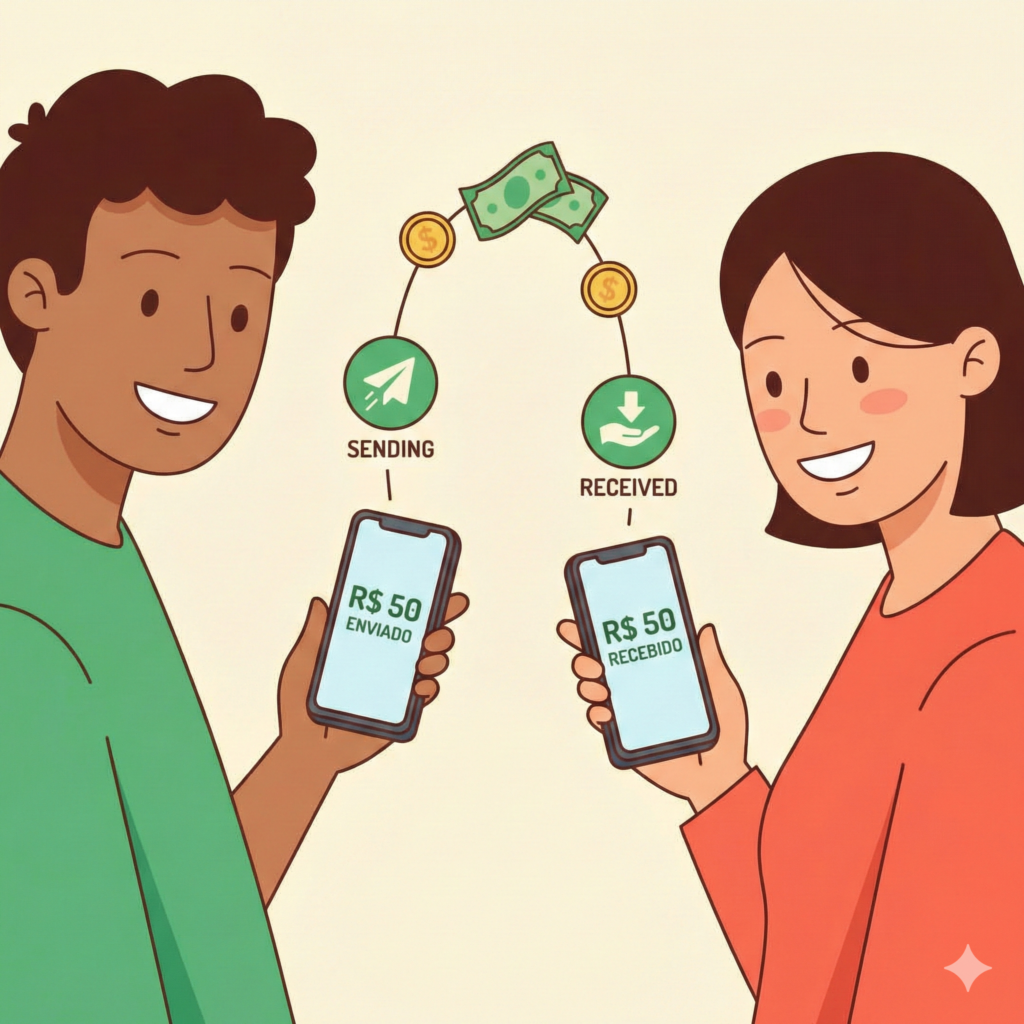
Sometimes, people lose money on dating apps by becoming part of a crime they didn’t realize existed. A scammer might send you money first, claiming they need help moving funds because their bank account is “restricted.”
They ask you to:
-
Receive a check or wire transfer into your personal account.
-
Withdraw the cash or buy gift cards.
-
Send the codes or the cash to a “business associate.”
The Catch: The original money was stolen. When the bank realizes the check was fake or the wire was fraudulent, they will claw the money back from your account. You will be left with a negative balance and potential criminal charges for money laundering.
What to Do If You Have Lost Money: A Step-by-Step Recovery Plan
If you realize you have been scammed, time is of the essence. While it is difficult to recover funds, following these steps increases your chances:
1. Contact Your Financial Institution
Immediately call your bank or credit card company. If the transaction was recent, they may be able to stop the wire or flag the account. If you used a payment app like Zelle or Venmo, report the fraud through their official channels.
2. File a Report with the IC3
In the United States, the FBI’s Internet Crime Complaint Center (IC3) is the primary agency for reporting romance and investment scams. File a report at ic3.gov.
3. Report the Profile to the App
Even if you are embarrassed, reporting the profile to Tinder, Bumble, or Hinge helps their safety teams ban the scammer and prevent them from finding new victims.
4. Beware of “Recovery Scams”
A common “secondary” scam in 2026 involves people pretending to be “recovery agents” or “hackers” who claim they can get your money back for an upfront fee. These are also scammers. No legitimate agency will charge you a fee to recover stolen funds.
Empowerment Through Vigilance
Losing money on a dating app is a double blow; it is a loss of both financial security and emotional trust. However, by understanding the mechanics of “Pig Butchering,” recognizing the red flags of emotional grooming, and keeping your financial life strictly separate from your dating life, you can navigate the world of online dating safely.
The most important rule to remember is this: Real love never requires a down payment. If someone you met online mentions money, crypto, or investments, the romance is likely a business transaction where you are the product.