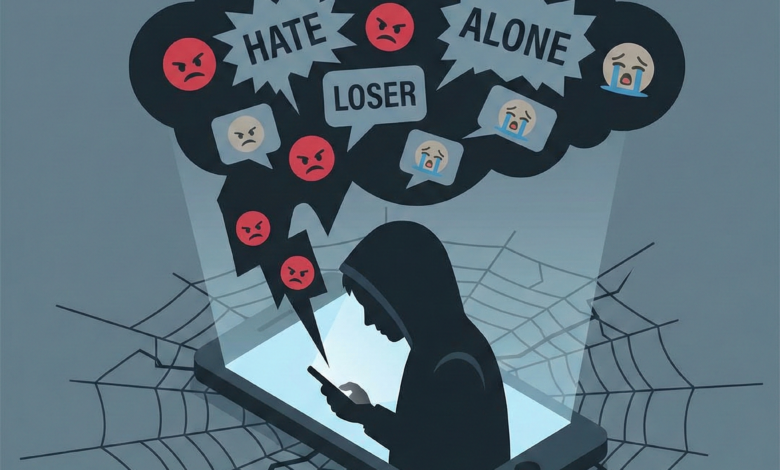
In an era where our lives are inextricably linked to the digital world, the boundaries of social interaction have expanded far beyond physical classrooms and playgrounds. While the internet offers unparalleled opportunities for connection and learning, it has also given rise to a persistent and evolving threat: cyberbullying.
For many, the internet is a second home. However, when that home becomes a space for harassment and intimidation, the consequences can be devastating. This article explores the depths of cyberbullying, providing a clear roadmap for parents, educators, and individuals to identify, prevent, and combat this digital epidemic.
What Is Cyberbullying? Defining Harassment in the Digital Age

At its core, cyberbullying is bullying that takes place over digital devices like cell phones, computers, and tablets. It can occur through SMS, text, and apps, or online in social media, forums, or gaming where people can view, participate in, or share content.
Cyberbullying includes sending, posting, or sharing negative, harmful, false, or mean content about someone else. It often involves sharing personal or private information about someone else causing embarrassment or humiliation. Some cyberbullying crosses the line into unlawful or criminal behavior.
The Three Key Elements of Cyberbullying
To distinguish between a one-time digital argument and actual cyberbullying, experts look for three specific criteria:
-
Intent: The behavior is deliberate and intended to cause harm or distress.
-
Repetition: The harassment happens more than once or has the potential to be seen by a wide audience repeatedly.
-
Power Imbalance: The bully uses digital anonymity, social standing, or technical skill to intimidate the victim.
Cyberbullying vs. Traditional Bullying: Key Differences
While the psychological roots of bullying remain the same, the medium changes the impact significantly. Understanding these differences is crucial for effective intervention.
| Feature | Traditional Bullying | Cyberbullying |
| Physical Location | Limited to school, parks, or specific areas. | Can happen anywhere, 24/7, even inside the home. |
| Visibility | Usually involves a small group of witnesses. | Content can go viral, reaching thousands instantly. |
| Anonymity | The bully is usually known to the victim. | Bullies can hide behind fake profiles or “burners.”12 |
| Permanence34 | Words are spoken and may be forgotten.56 | Digital footprints are permanent and searchable.78 |
| Escape910 | Victims can find safety at home.1112 | There is no “safe space” if the victim has a phone.1314 |
Common Platforms Where Digital H15arassment Occurs16
Cyberbullying is not limited to a single website. As technology evolves, so do the methods used by harassers.
-
Social Media: Platforms like Instagram, TikTok, Snapchat, and Facebook are hotspots for public shaming and exclusionary tactics.
-
Instant Messaging: WhatsApp, Telegram, and Discord are often used for direct threats or the creation of “hate groups.”
-
Online Gaming: “Griefing” and toxic chat behavior in games like Roblox, Fortnite, or Call of Duty can quickly escalate into personal harassment.
-
Email and Forums: Though older methods, these remain tools for long-form harassment or “doxing” (releasing private information).
Different Types of Cyberbullying
To truly understand the scope of the problem, one must recognize the various forms digital harassment can take. Each requires a different approach for mitigation.
1. Exclusion
This involves deliberately leaving someone out of online groups, message threads, or gaming parties. It creates a sense of isolation and social “death” in a digital-first world.
2. Harassment
A constant barrage of mean, hurtful, or insulting messages sent directly to a victim. This is often relentless and designed to wear down the victim’s mental health.
3. Outing and Trickery
“Outing” refers to the act of sharing a victim’s private and sensitive information, photos, or videos without consent. “Trickery” involves befriending someone to gain their trust, only to later share their secrets publicly.
4. Cyberstalking
This is a more serious form of harassment that involves monitoring a person’s online activity, making threats, and creating a climate of fear. In many jurisdictions, this is a punishable crime.
5. Fraping
This occurs when someone gains access to a victim’s social media account and posts inappropriate content in their name to ruin their reputation.
Important Note: Regardless of the type, the goal is always the same: to diminish the victim’s sense of self-worth and safety.
Recognizing the Signs: How to Tell if Someone is Being Bullied
Because cyberbullying happens behind screens, the signs are often behavioral rather than physical. Parents and guardians should look for the following “red flags”:
-
Sudden Social Withdrawal: Avoiding friends, family, or activities they once enjoyed.
-
Device Anxiety: Becoming visibly upset, angry, or nervous after checking their phone or computer.
-
Secrecy: Turning the screen away when others walk by or refusing to discuss what they are doing online.
-
Physical Symptoms: Reporting unexplained headaches, stomachaches, or changes in sleep and appetite.
-
Account Deletion: Suddenly shutting down social media profiles without a clear explanation.
The Psychological and Physical Impact of Online Harassment

The effects of cyberbullying are profound and can last a lifetime. Because the internet never “sleeps,” the victim feels constantly under attack.
-
Mental Health: Increased risk of anxiety, depression, and low self-esteem. The “always-on” nature of the internet means victims never feel truly safe.
-
Academic Performance: Difficulty concentrating in school, leading to declining grades and school avoidance.
-
Physical Health: Stress-induced illnesses, ranging from chronic exhaustion to self-harm in extreme cases.
-
Social Isolation: A breakdown in trust makes it difficult for victims to form new, healthy relationships.
Prevention Strategies: Building a Safer Digital Environment
Prevention is the most effective tool in the fight against cyberbullying. It requires a combination of technical settings and digital literacy.
Educate on Digital Citizenship
Teach users from a young age that their “digital footprint” is permanent. Every comment, like, and share contributes to their online reputation. Empathy should be the cornerstone of digital interaction.
Utilize Privacy Settings
Most social media platforms offer robust privacy tools.
-
Private Profiles: Ensure accounts are not visible to the general public.
-
Comment Filtering: Use AI-driven tools to automatically hide offensive comments.
-
Two-Factor Authentication (2FA): Prevent “fraping” by securing accounts with more than just a password.
Open Communication
Create an environment where victims feel safe coming forward. If a child or teen fears that their devices will be taken away if they report bullying, they will remain silent. Encourage a “no-punishment” reporting policy.
What to Do If You Are a Victim: A Step-by-Step Response Plan
If you find yourself the target of an online attack, follow these steps immediately:
-
Do Not Retaliate: Responding to a bully often provides the “fuel” they are looking for. Staying silent removes their power.
-
Collect Evidence: Take screenshots of every message, post, or photo. Document the dates and times. This evidence is vital for school reports or police investigations.
-
Block the Harasser: Use the “block” and “report” functions on the platform immediately.
-
Reach Out for Support: Talk to a trusted adult, counselor, or friend. You do not have to face this alone.
-
Report to the Platform: Most service providers (Meta, X, Google) have strict policies against harassment. Reporting can lead to the bully’s account being suspended.
The Legal Landscape: Is Cyberbullying a Crime?

Laws regarding cyberbullying vary by state and country, but the trend is moving toward stricter enforcement. In many parts of the United States, cyberbullying can be classified under:
-
Harassment Statutes
-
Stalking Laws
-
Civil Rights Laws (if the bullying is based on race, religion, or gender)
Schools also have a legal obligation to address bullying that interferes with a student’s right to an education, even if the bullying happens off-campus but affects the school environment.
Toward a Kinder Internet
Cyberbullying is a complex issue that requires a multi-faceted solution. Technology alone cannot fix it; it requires a shift in how we treat one another in virtual spaces. By staying informed, utilizing security tools, and fostering empathy, we can reclaim the internet as a space for positive growth and connection.
Digital safety is not a one-time conversation—it is a continuous practice. Whether you are a parent, an educator, or a daily internet user, your voice matters in the fight against digital harassment.