How to use spices and herbs to add more flavor to your meals
Learn how to use additional spices and herbs in your meals
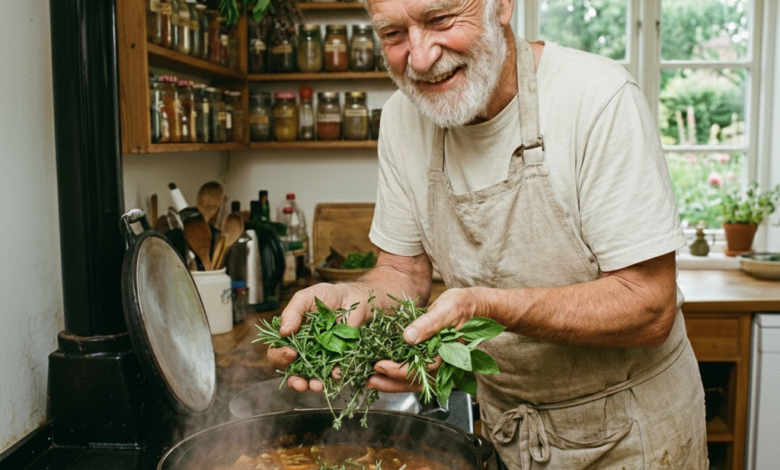
Cooking is often described as an art, but in reality, it is a sensory experience governed by balance. We have all had those meals that felt “flat”—dishes that had all the right ingredients but lacked that certain je ne sais quoi. More often than not, the missing link isn’t more salt or fat; it is the strategic use of spices and herbs.
In the modern kitchen, spices and herbs are your most powerful tools. They allow you to travel the world from your stove, turning a simple chicken breast into a Moroccan masterpiece or a humble bowl of lentils into an aromatic Indian dhal. Beyond flavor, they are the key to healthy cooking, allowing you to reduce sodium and sugar without sacrificing the joy of eating.
This comprehensive guide will walk you through the science, the timing, and the secrets of using aromatics to elevate your home cooking from “standard” to “spectacular.”
Fresh Herbs vs. Dried Spices: Knowing When to Use Each
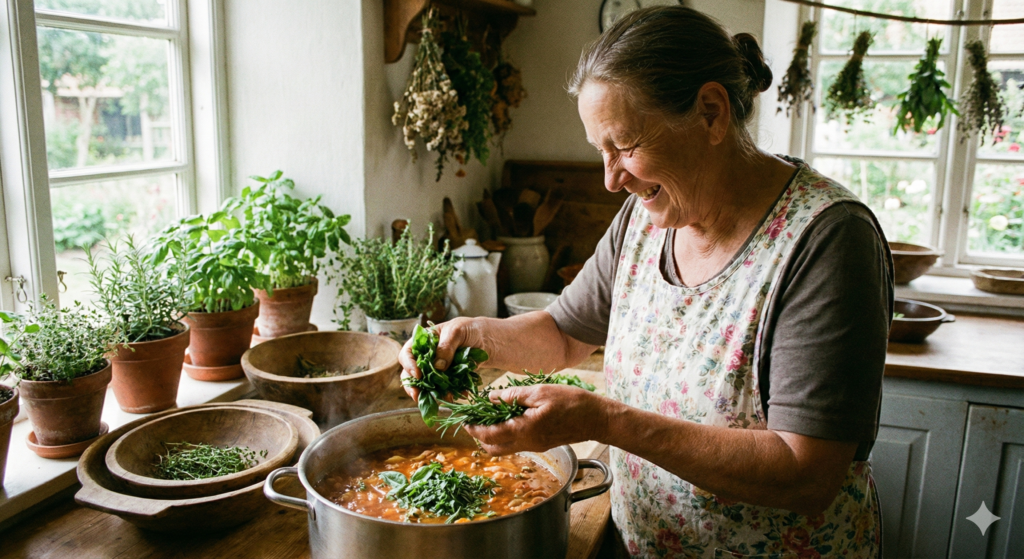
One of the most common questions for beginner cooks is whether to reach for the fresh bunch of cilantro or the dried jar of oregano. The answer depends entirely on the cooking method and the desired intensity.
The Power of Dried Spices
Dried spices are concentrated versions of the original plant. Because the water has been removed, the oils are highly potent.
-
Best for: Slow-cooked meals, stews, dry rubs, and marinades.
-
Timing: Add dried spices early in the cooking process. They need heat and moisture to “rehydrate” and release their flavors into the fat or liquid of the dish.
-
The 3-to-1 Rule: As a general rule, dried herbs are more potent than fresh. If a recipe calls for one tablespoon of fresh herbs, use only one teaspoon of dried.
The Vibrancy of Fresh Herbs
Fresh herbs bring a brightness and “green” note that dried versions simply cannot replicate.
-
Best for: Garnishes, salads, pestos, and light sauces.
-
Timing: Add soft fresh herbs at the very end of cooking. Extended heat will destroy their delicate oils and turn them bitter or flavorless.
The Secret Technique: Blooming Your Spices for Maximum Aroma
If you take only one tip from this article, let it be this: never throw dry spices into a boiling liquid. To unlock the full potential of a spice, you must “bloom” it.
What is Blooming?
Most of the flavor compounds in spices are fat-soluble. This means they dissolve and intensify when heated in oil or butter. When you toast spices in a pan with a little bit of fat before adding your liquids, you are chemically unlocking aromas that would otherwise remain dormant.
How to Bloom Spices Properly
-
Heat a small amount of oil or butter in your pan over medium heat.
-
Add your ground or whole spices (cumin, paprika, turmeric, etc.).
-
Stir constantly for 30 to 60 seconds.
-
As soon as you smell a powerful aroma, add your onions, vegetables, or liquids to stop the spices from burning.
Understanding Hard Herbs vs. Soft Herbs
Not all fresh herbs are created equal. In the culinary world, we divide them into two categories: “Hard” (woody) and “Soft” (tender).
Hard Herbs (The Marathon Runners)
These include Rosemary, Thyme, Sage, and Bay Leaves. They have woody stems and tough leaves designed to survive harsh weather.
-
How to use them: These herbs can handle the heat. You should add them early in the cooking process (often sautéed with the onions) so they can infuse the entire dish with their earthy notes.
Soft Herbs (The Sprinters)
These include Basil, Parsley, Cilantro, Dill, and Mint. They have tender stems and delicate leaves.
-
How to use them: Think of these as a “finishing touch.” Chop them and sprinkle them over the dish just before serving. This preserves their bright color and punchy flavor.
Global Flavor Profiles: Create World Cuisines in Your Kitchen
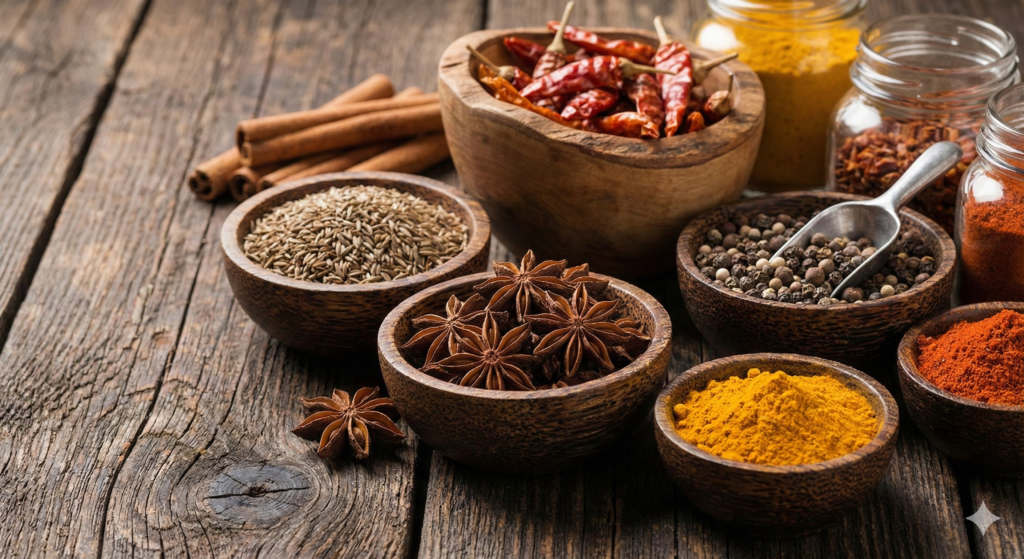
You don’t need a thousand recipes to cook globally; you just need to understand “spice profiles.” By keeping a few key combinations in your pantry, you can change the “nationality” of any base ingredient like rice, beans, or chicken.
The Mediterranean Profile
-
Primary Spices: Dried oregano, garlic powder, crushed red pepper.
-
Primary Herbs: Fresh parsley, basil, and rosemary.
-
The Vibe: Bright, herbaceous, and savory.
The Mexican Profile
-
Primary Spices: Ground cumin, chili powder, smoked paprika, dried Mexican oregano.
-
Primary Herbs: Fresh cilantro and lime zest.
-
The Vibe: Earthy, smoky, and acidic.
The Indian Profile
-
Primary Spices: Turmeric, cumin, coriander, cardamom, and garam masala.
-
Primary Herbs: Fresh cilantro and mint.
-
The Vibe: Deep, complex, and warming.
The French Profile
-
Primary Spices: Nutmeg, white pepper.
-
Primary Herbs: Tarragon, chives, marjoram, and parsley (often called fines herbes).
-
The Vibe: Elegant, subtle, and floral.
Essential Pantry Staples: The Must-Have Spices for Every Cook
If you are building your spice cabinet from scratch, it can be overwhelming. Start with these high-versatility staples that work across almost all cuisines:
-
Smoked Paprika: Adds an instant “grilled” or smoky flavor without the need for a barbecue.
-
Cumin: The backbone of Mexican, Middle Eastern, and Indian food. It adds an earthy “weight” to dishes.
-
Red Pepper Flakes: Essential for controlling heat levels.
-
Turmeric: Adds a beautiful golden color and mild anti-inflammatory benefits.
-
Cinnamon: Not just for baking! A pinch of cinnamon in a beef stew or chili adds a professional-level depth.
-
Garlic and Onion Powder: These aren’t “cheating”; they provide a consistent base flavor that complements fresh garlic and onions.
How to Season in Layers for Restaurant-Quality Results
Professional chefs don’t just season once at the end. They season in layers. This creates a “multi-dimensional” taste rather than a single note of salt or spice.
-
The Foundation: Season your aromatics (onions, carrots, celery) with salt and dried spices as they sauté.
-
The Middle: Season your proteins as they brown.
-
The Finish: Taste the dish five minutes before it’s done. This is the time to add “acid” (lemon juice or vinegar) and fresh soft herbs to brighten the flavors that may have become “heavy” during cooking.
The Health Benefits of Herbs and Spices: Flavor Without Sodium
One of the primary reasons to master spices is the incredible impact on your health. High blood pressure and heart disease are often linked to high sodium intake, much of which comes from trying to make bland food taste better.
Reducing Salt Intake
When a dish tastes “boring,” our instinct is to reach for the salt shaker. However, what the dish often needs is acid or spice.
-
The Trick: Before adding more salt, try adding a squeeze of lime or a teaspoon of cumin. You’ll find the flavors “pop” just as much, but without the negative health effects of excess sodium.
Antioxidant Powerhouses
Many spices, particularly Turmeric, Ginger, and Cloves, are packed with antioxidants and anti-inflammatory compounds. By incorporating these into your daily dinners, you are essentially “supplementing” your diet with natural medicine.
Proper Storage Tips to Keep Your Spice Cabinet Potent
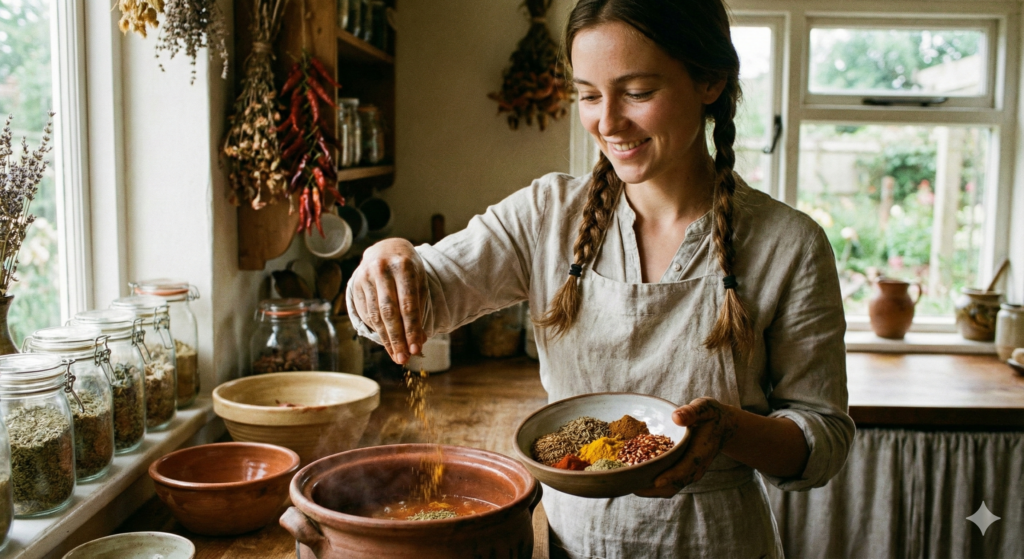
Have you ever used a spice and felt like it tasted like dust? Spices don’t necessarily “expire” in a way that makes you sick, but they do lose their essential oils and potency over time.
-
Avoid the “Stove Trap”: Many people keep their spices on a rack right above or next to the stove. This is the worst place for them! The heat and steam from cooking will degrade the spices rapidly.
-
The Cool, Dark Rule: Keep your spices in a cool, dark drawer or pantry.
-
The Sniff Test: If you open a jar and can’t smell the spice immediately, it’s time to replace it. Generally, ground spices last 6–12 months, while whole spices (like peppercorns or cinnamon sticks) can last 2–3 years.
Salt and Pepper: The Unsung Heroes of the Spice World
While this article is about herbs and spices, we cannot ignore the “Big Two.”
Use Kosher Salt
Most professionals prefer Kosher salt over table salt. The larger grains make it easier to pinch and control, and it doesn’t contain the metallic-tasting iodine found in standard table salt.
Freshly Ground Black Pepper
If you are still using pre-ground black pepper in a tin, you are missing out. Black pepper contains volatile oils that dissipate almost immediately after grinding. Investing in a pepper mill will change your cooking forever—the “bite” and aroma of freshly cracked pepper are incomparable.
Trust Your Palate
The most important rule of using spices and herbs is that there are no rules. Cooking is a personal journey. While a recipe might call for a teaspoon of thyme, you might find that you prefer the floral notes of marjoram or the punch of rosemary.
Experimentation is the best teacher. Start by adding small amounts, tasting as you go, and observing how flavors change when they meet heat, fat, and acid. By mastering these aromatics, you aren’t just following a recipe; you are learning to compose a symphony of flavor in every pan.