Learn how to cook rice, pasta, and grains the right way
A complete guide to preparing rice, pasta, or grains the right way
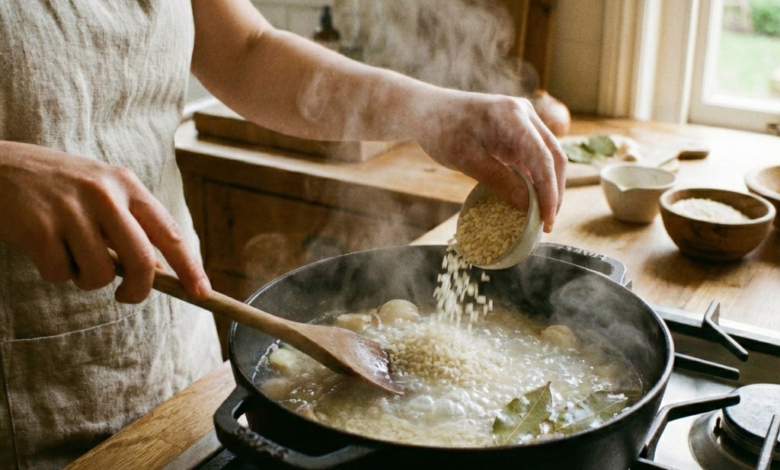
Cooking is often perceived as an intuitive art, but when it comes to the staples that form the foundation of our diets—rice, pasta, and grains—it is much more of a precise science. We have all been there: staring at a pot of gummy, overcooked rice or biting into pasta that feels more like rubber than a meal. Mastering these basics is the ultimate game-changer for any home cook.
When you know how to cook these pantry staples “the right way,” you unlock a world of culinary possibilities. A perfect bowl of fluffy Basmati rice can elevate a simple curry, and properly salted, al dente pasta can turn a jar of sauce into a restaurant-quality dinner. In this comprehensive guide, we are going to dive deep into the techniques, ratios, and secrets that professional chefs use to ensure their starches are perfect every single time.
Mastering the Art of Perfect Rice: No More Mushy Grains
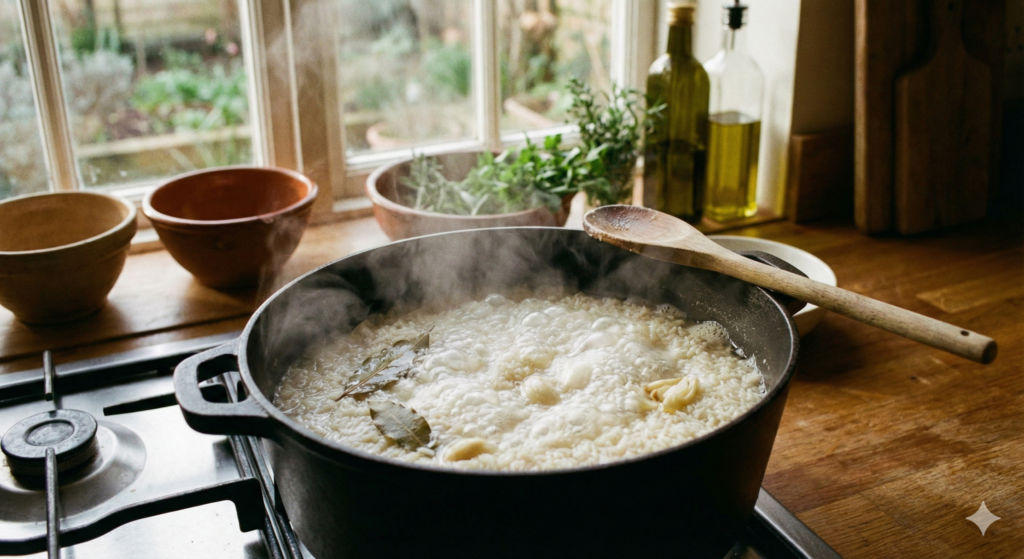
Rice is the most widely consumed staple food for a large part of the world’s human population, but it is notoriously difficult to get “just right.” The difference between a pot of distinct, fluffy grains and a sticky, scorched mess usually comes down to three things: rinsing, the water-to-rice ratio, and the “resting” phase.
To Rinse or Not to Rinse?
The answer is almost always yes. Rice is covered in excess surface starch from the milling process. If you don’t wash it off, that starch gelatinizes in the boiling water, causing the grains to stick together.
-
The Method: Place your rice in a fine-mesh strainer and run cold water over it while agitating the grains with your hand. Keep going until the water runs clear. This is particularly important for Basmati and Jasmine rice.
The Golden Ratio for Different Varieties
Not all rice is created equal. Using the same amount of water for brown rice as you do for white rice is a recipe for disaster.
-
Long-Grain White Rice: 1.5 to 2 cups of water per 1 cup of rice.
-
Brown Rice: 2 to 2.5 cups of water per 1 cup of rice (it needs more time and moisture to break down the bran).
-
Basmati Rice: 1.5 cups of water per 1 cup of rice (soaking for 20 minutes beforehand is a pro tip here).
The Secret is in the Steam
Once the water has been absorbed, the temptation to fluff it immediately is strong. Resist it. Turn off the heat, keep the lid on, and let the rice sit for at least 10 minutes. This allows the moisture to redistribute evenly, ensuring the top layer is as tender as the bottom.
How to Cook Pasta Like an Italian: The Al Dente Secret
If you ask an Italian chef the secret to great pasta, they won’t talk about the sauce first. They will talk about the water. Cooking pasta is about more than just boiling a pot; it’s about seasoning and texture.
Use a Massive Pot and Plenty of Water
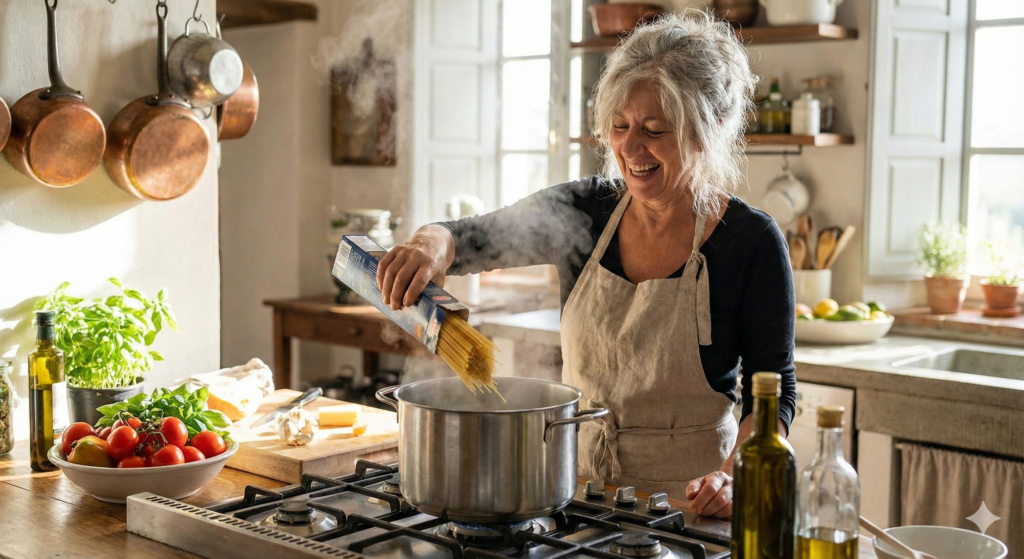
Pasta needs “room to swim.” If you use too little water, the starch concentration becomes too high, leading to sticky noodles. A good rule of thumb is 4 to 6 quarts of water per pound of pasta.
The “Ocean Water” Rule
Your pasta water should be heavily salted. We aren’t talking about a pinch; we are talking about a tablespoon or more. The pasta absorbs the salt as it cooks, seasoning the noodle from the inside out. If you salt the sauce but not the water, your dish will always taste flat.
Forget the Oil
A common myth is that adding olive oil to the water prevents sticking. In reality, all it does is make the pasta greasy, preventing the sauce from clinging to the noodles later. If you use enough water and stir occasionally, it won’t stick.
Understanding Al Dente
“Al dente” translates to “to the tooth.” Pasta should have a slight resistance when you bite into it. Always check your pasta 2 minutes before the package instructions suggest. Remember, the pasta will continue to cook for a minute once you toss it with the hot sauce.
Essential Techniques for Quinoa, Farro, and Ancient Grains
Ancient grains like quinoa, farro, barley, and buckwheat have exploded in popularity due to their nutritional density. However, because they are less common than white rice, many people struggle with their unique textures.
Quinoa: The Saponin Barrier
Quinoa has a natural coating called saponin, which can taste bitter or soapy. Even if the package says “pre-washed,” give it a quick rinse in a fine-mesh sieve.
-
The Ratio: 2 cups of liquid (water or broth) to 1 cup of quinoa.
-
The Hack: Toast the dry quinoa in the pot with a teaspoon of oil for 2 minutes before adding the water. This brings out a beautiful, nutty flavor.
Farro and Barley: The “Pasta Method”
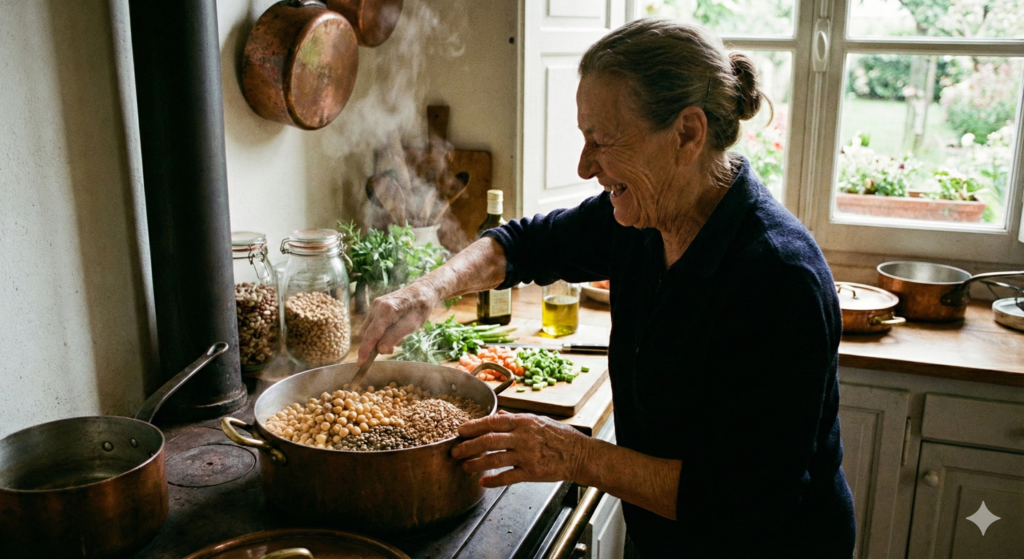
For chewy, pearled grains like farro or pearl barley, the absorption method (like rice) can be tricky. Instead, try the pasta method. Boil a large pot of salted water, drop the grains in, and cook until tender. Then, simply drain them through a colander. This ensures they are never mushy and perfectly separate.
Why Water Quality and Heat Control Matter in Cooking
You might think water is just water, but the chemistry of your cooking liquid affects your food.
The Role of pH and Minerals
In some areas, hard water can make beans and certain grains take longer to soften. If you find your brown rice is always crunchy despite following the instructions, try using filtered water.
Simmer vs. Boil
For rice and most grains, a rolling boil is only for the initial phase. Once you add the grain and the water returns to a boil, you must drop the heat to the lowest possible setting. A high heat will evaporate the water before the grain has a chance to soften, leading to burnt bottoms and raw centers.
Common Cooking Mistakes and How to Fix Them
Even the best cooks make mistakes. Here is how to troubleshoot your grains:
-
The Rice is Too Salty: Unfortunately, you can’t “unsalt” rice. However, you can serve it with an unseasoned protein or add a splash of rice vinegar or lime juice to balance the salt with acidity.
-
The Pasta is Sticky: This usually happens when the water wasn’t boiling before the pasta was added, or there wasn’t enough water. Toss it immediately with a bit of butter or warm sauce to separate the strands.
-
The Quinoa is Watery: If your quinoa is cooked but there’s still water in the pot, drain it through a fine sieve and let it sit in the sieve for 5 minutes. This “drains and steams” it simultaneously.
Boosting Flavor: Beyond Plain Water
While salted water is the standard, you can infuse incredible flavor into your starches by changing your liquid base.
-
The Broth Swap: Use chicken, beef, or vegetable broth instead of water. This is particularly effective for couscous and quinoa.
-
Aromatic Infusion: Drop a bay leaf, a few smashed garlic cloves, or a sprig of rosemary into the boiling water. The grains will soak up these subtle herbal notes.
-
The Coconut Secret: For Thai-inspired dishes, replace half of the water for your Jasmine rice with full-fat coconut milk. It creates a rich, creamy texture that is irresistible.
Storage, Food Safety, and the “Fried Rice” Secret
Properly storing your cooked grains is vital for food safety, especially with rice.
The Danger of Bacillus Cereus
Rice can contain spores of Bacillus cereus, a bacterium that can cause food poisoning. These spores can survive cooking. If rice is left at room temperature for too long, the spores turn into bacteria, which then multiply.
-
The Rule: Cool your rice quickly by spreading it on a baking sheet and get it into the fridge within an hour.
Why Day-Old Rice is Better
If you are making fried rice, never use fresh rice. Fresh rice is too moist and will turn into mush in the pan. Day-old, refrigerated rice has dried out slightly, allowing the grains to crisp up individually in the hot oil.
Healthy Eating: The Nutritional Value of Whole Grains
Choosing whole grains over refined starches is one of the easiest ways to improve your diet. Whole grains contain the entire grain kernel—the bran, germ, and endosperm.
-
Fiber Content: Whole grains like farro and brown rice are packed with fiber, which aids digestion and keeps you feeling full longer.
-
Lower Glycemic Index: Unlike white pasta or white rice, whole grains cause a slower, more gradual rise in blood sugar, making them a better choice for sustained energy.
The Foundation of a Great Meal
Mastering rice, pasta, and grains is about moving from “following a box” to “understanding the ingredient.” Once you respect the ratios, embrace the rinse, and master the simmer, your home cooking will take a massive leap forward. These staples are the blank canvases of the culinary world—treat them with care, and they will reward you with the perfect texture and flavor every single time.